




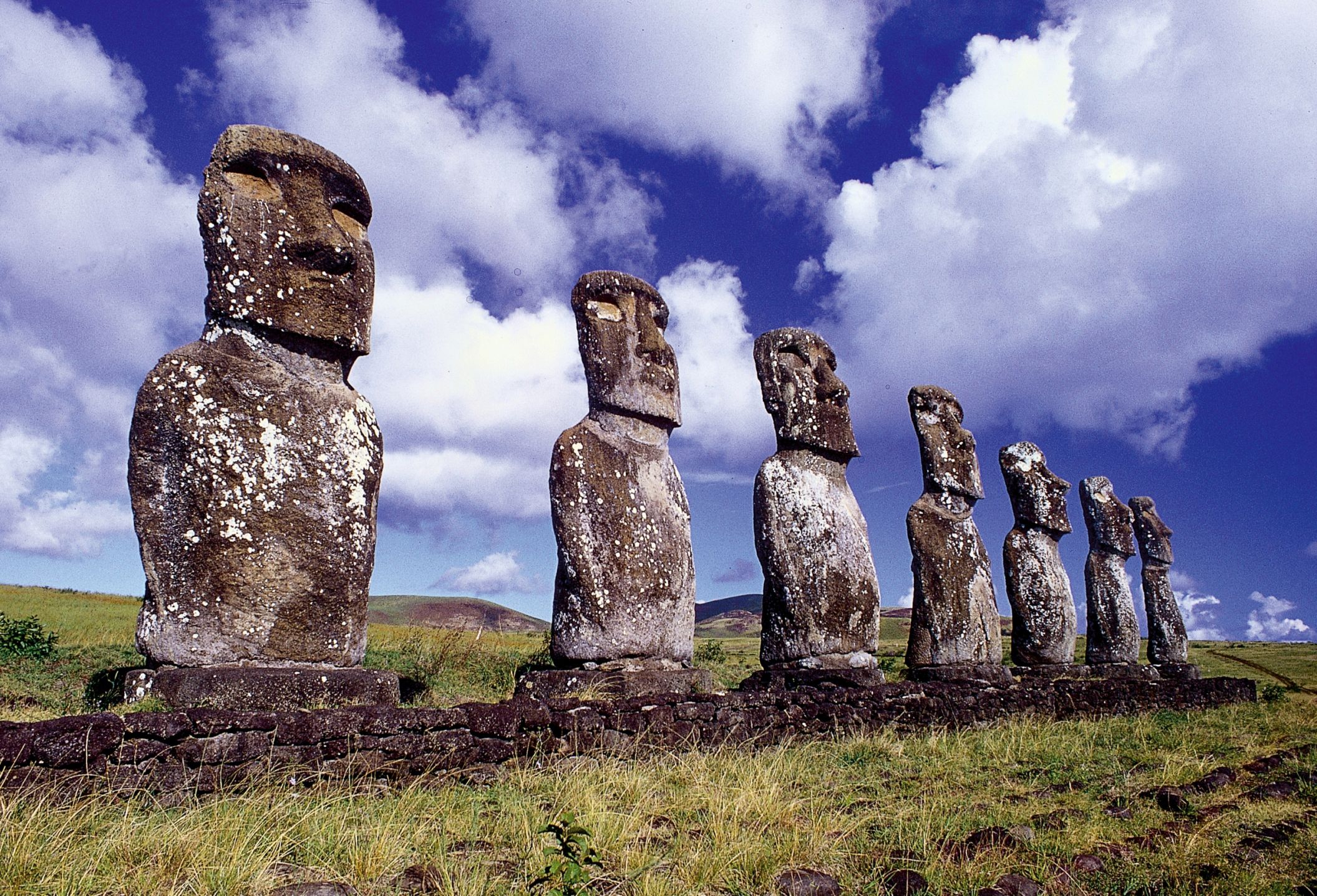

Introduction: A Legacy Worth Preserving
The world’s heritage is a living testament to our shared history, culture, and civilization. From the colossal structures of the Pyramids of Giza to the timeless beauty of the Great Wall of China, world heritage sites and historic landmarks are not just places to visit—they are destinations where humanity’s story is written in stone, earth, and culture. These landmarks reflect the achievements of past civilizations, the natural beauty of our planet, and the ongoing need for conservation efforts to ensure that future generations can appreciate and learn from them.
In this article, we will explore the significance of world heritage sites, delve into the history of some of the most famous historic landmarks, and understand why preserving these treasures is of paramount importance.
1. What Defines a World Heritage Site?
1.1. UNESCO’s Role in Preserving Cultural and Natural Heritage
A World Heritage Site is a place, structure, or natural environment recognized by the United Nations Educational, Scientific and Cultural Organization (UNESCO) for its cultural, historical, scientific, or other forms of significance. These sites are recognized as possessing outstanding universal value, meaning that they are irreplaceable treasures for the whole of humanity.
UNESCO’s World Heritage List includes sites that meet one or more of the following criteria:
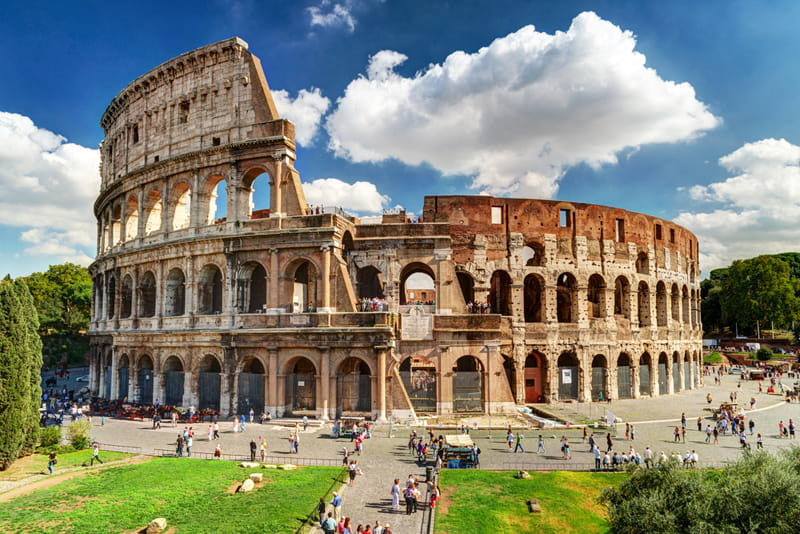
- Cultural Significance: These sites reflect a cultural or artistic achievement of human civilization (e.g., the Colosseum in Rome).
- Natural Significance: Sites that showcase exceptional natural beauty or are crucial for biodiversity (e.g., the Great Barrier Reef in Australia).
- Mixed Sites: Some sites have both natural and cultural significance, like Machu Picchu in Peru.
Since its inception in 1972, the World Heritage Convention has recognized over 1,100 sites across the globe. These sites include historic cities, architectural marvels, ancient ruins, and pristine landscapes that are deemed essential to preserving the world’s diverse heritage.
1.2. The Importance of Protecting Heritage
The protection of world heritage sites is crucial for maintaining our connection to the past, understanding the natural world, and ensuring the sustainability of future generations. By recognizing and protecting these sites, UNESCO helps ensure that they are not lost to time, neglect, or destruction. Whether it’s the ruins of Petra in Jordan or the Galápagos Islands in Ecuador, these landmarks are irreplaceable pieces of our shared heritage, offering us a chance to learn from and appreciate the achievements of previous generations.
2. Famous World Heritage Sites and Historic Landmarks
2.1. The Pyramids of Giza, Egypt
One of the most iconic heritage sites, the Pyramids of Giza in Egypt are ancient architectural marvels that continue to captivate people around the world. The Great Pyramid, built for Pharaoh Khufu, stands as a testament to the advanced engineering skills of ancient Egyptians and remains one of the Seven Wonders of the Ancient World.
- Significance: The Pyramids were constructed as tombs for Egypt’s pharaohs and their queens. They are representative of the civilization’s architectural prowess and spiritual beliefs.
- Tourist Tip: Visit the Great Sphinx, which guards the pyramids and provides an extraordinary glimpse into Egypt’s ancient culture.
2.2. The Great Wall of China, China
The Great Wall of China, a winding structure that stretches over 13,000 miles, is perhaps the most enduring symbol of Chinese history. Originally built to protect against invasions from northern tribes, the wall has become a national symbol of strength, unity, and resilience.
- Significance: Constructed over several dynasties, the Great Wall represents the determination and ingenuity of the Chinese people. Sections like those near Beijing are well-preserved and accessible to visitors.
- Tourist Tip: Don’t miss the Mutianyu or Badaling sections, which offer spectacular views and fewer crowds compared to other parts of the Wall.
2.3. Machu Picchu, Peru
Machu Picchu, the “Lost City of the Incas,” is a breathtaking Incan citadel perched high in the Andes Mountains. This ancient site, built in the 15th century, remained largely hidden from the outside world until its rediscovery by Hiram Bingham in 1911.
- Significance: The site offers a glimpse into the highly advanced Incan civilization, with its sophisticated agricultural terraces and stone buildings that have withstood centuries of erosion.
- Tourist Tip: Hike the Inca Trail for a multi-day trek that takes you through stunning landscapes before reaching the citadel itself.
2.4. The Taj Mahal, India
The Taj Mahal, located in Agra, is a symbol of eternal love. Built by Shah Jahan in memory of his beloved wife, Mumtaz Mahal, this white marble mausoleum is renowned for its beauty and intricate design, blending Persian, Ottoman, and Mughal architectural styles.
- Significance: As one of the most beautiful buildings in the world, the Taj Mahal represents the grandeur of Mughal architecture and serves as a poignant reminder of love and loss.
- Tourist Tip: Visit early in the morning to avoid the crowds and catch the Taj Mahal at sunrise, when its marble surfaces glow with a golden hue.
3. The Role of Historic Landmarks in Cultural Preservation
3.1. Understanding and Appreciating Local History
Historic landmarks, whether cultural or natural, serve as a bridge to the past. They give travelers an opportunity to understand the context in which societies were built and how cultures evolved over time. From Rome’s Colosseum, which reveals much about Roman society and entertainment, to the Palace of Versailles in France, which embodies the splendor of 17th-century French monarchy, historic landmarks play a vital role in preserving the narratives of different cultures.
3.2. The Symbolism of Monuments
Many historic landmarks are not only architecturally significant but also hold deep symbolic meaning. For example, the Statue of Liberty in the United States stands as a beacon of freedom, democracy, and hope. Similarly, the Berlin Wall in Germany, now a collection of preserved segments, symbolizes the struggle for unity during the Cold War.
- Example: The Acropolis in Athens, Greece, is a symbol of ancient Greek civilization and democracy. The Parthenon, perched atop the Acropolis, is one of the most enduring symbols of Western culture.
4. The Threats Facing World Heritage Sites
4.1. Natural and Man-Made Dangers
World heritage sites are increasingly under threat from both natural and man-made dangers. Natural disasters like earthquakes, floods, and wildfires can cause irreparable damage to these sites, as seen with the destruction of parts of the Great Wall of China due to erosion.
- Example: The Galápagos Islands face threats from invasive species and human activity, which endanger the delicate ecosystems that make the islands unique.
Additionally, over-tourism has become a serious concern. Large numbers of visitors can cause environmental degradation, wear down physical structures, and disrupt local communities. For example, the Machu Picchu site is at risk due to the high number of visitors annually.
4.2. Conservation Efforts
Efforts to preserve these landmarks are ongoing. UNESCO, along with national governments and conservation organizations, is continually working to implement strategies for protecting and preserving world heritage sites. Restoration projects, sustainable tourism practices, and strict regulations are some of the ways to ensure that these landmarks remain intact for future generations.
- Example: The Palace of Versailles has undergone several restoration projects to preserve its beauty and historical integrity, while promoting environmentally conscious tourism to minimize the impact on the surrounding areas.
5. Conclusion: The Future of World Heritage Sites and Historic Landmarks
World heritage sites and historic landmarks are not only sources of aesthetic beauty and historical insight but also reflections of the human spirit. They embody our collective journey through time and represent the triumphs, tragedies, and evolution of our civilizations. However, as we move forward, it is essential that we strike a balance between tourism, development, and conservation. Through sustainable practices, education, and active preservation, we can ensure that these sites continue to inspire awe and educate future generations.
By visiting and supporting these sites, travelers play a pivotal role in the effort to protect and preserve the world’s heritage. Whether it’s walking through the ancient halls of the Forbidden City in China or gazing at the beauty of the Iguazu Falls in Argentina, these iconic places deserve our attention, respect, and dedication to their preservation.