





Introduction
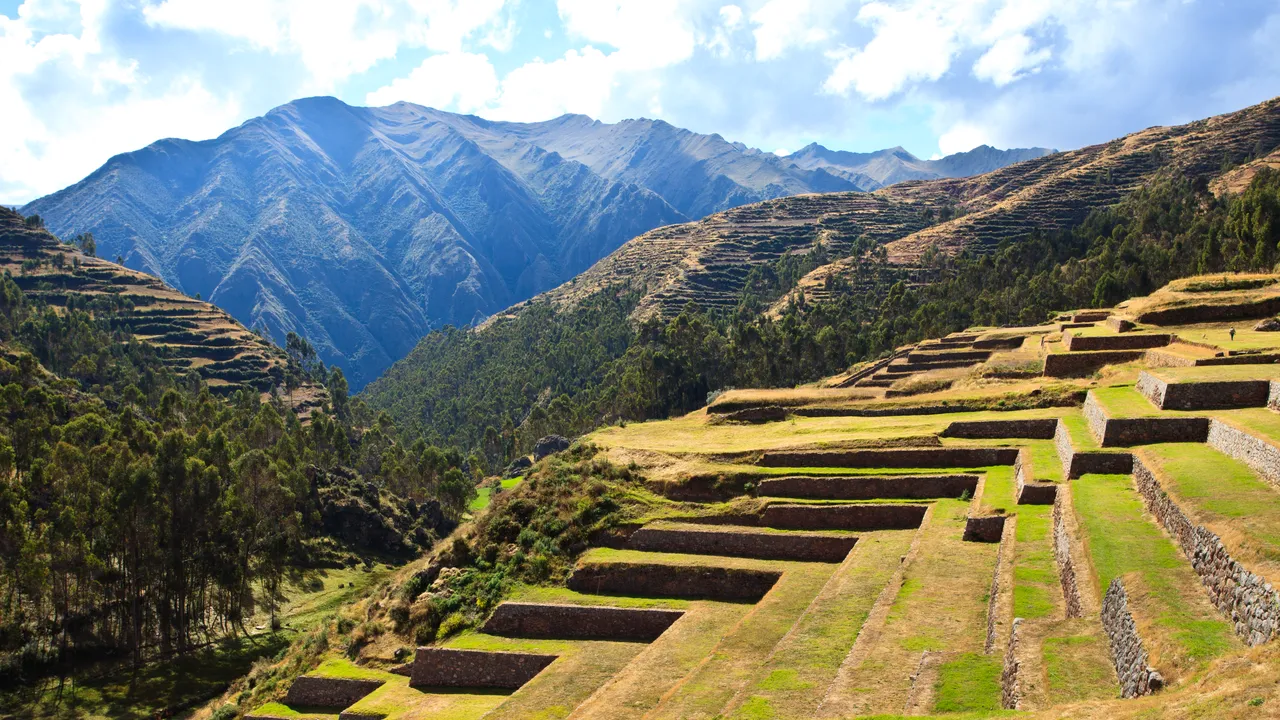
Nestled in the heart of the majestic Andes Mountains, the Sacred Valley of Peru is a place where history, culture, and natural beauty converge in a spectacular display. Revered by the ancient Inca civilization, the valley has long been an area of spiritual significance and strategic importance. Today, it continues to captivate visitors from all corners of the globe with its stunning landscapes, archaeological sites, and vibrant local culture.
The Sacred Valley is a land of contrasts. On one hand, it is a region marked by towering mountains, fertile agricultural terraces, and rushing rivers that have sustained life for millennia. On the other, it is home to ancient Inca ruins that stand as enduring symbols of an advanced civilization whose influence continues to be felt throughout Peru and beyond. For those looking to explore Peru beyond the famous Machu Picchu, the Sacred Valley offers a wealth of experiences that bring the country’s rich history and culture to life.
This article will explore the Sacred Valley’s geography, archaeological significance, cultural heritage, and modern-day importance as a key part of Peru’s tourist landscape. It will also delve into the reasons why the valley remains one of the most important and captivating destinations in South America.
1. Geography and Natural Beauty of the Sacred Valley
1.1 The Location of the Sacred Valley
The Sacred Valley, or Urubamba Valley, is located in the Andes of southern Peru, approximately 15 to 50 kilometers (9 to 31 miles) north of the city of Cusco. The valley stretches for around 60 kilometers (37 miles), running through a series of dramatic mountains, lush riverbanks, and agricultural terraces that have sustained civilizations for over 2,000 years.
The Urubamba River flows through the valley, carving its path through rugged terrain and providing life-sustaining water for the region. The Sacred Valley’s elevation ranges from about 2,000 meters (6,600 feet) above sea level in the lower areas to 3,100 meters (10,200 feet) in the higher towns, making it slightly more temperate than the nearby city of Cusco, which sits at an altitude of 3,400 meters (11,150 feet). This unique geography has made it an ideal place for settlement and agricultural development.
The surrounding snow-capped peaks, lush valleys, and green terraces are not only breathtaking in their beauty but also provide a vivid contrast to the arid landscape of the high-altitude plateau that characterizes much of Peru. The valley is dotted with villages, small farms, and traditional communities, offering visitors a chance to experience life as it has been lived for centuries.
1.2 Fertile Lands and Agricultural Heritage
The Sacred Valley is often called the breadbasket of Peru due to its fertile lands and the agricultural techniques developed by the Inca civilization. The Incas took full advantage of the valley’s rich soils, utilizing advanced methods of terracing and irrigation to grow crops such as corn (maize), potatoes, quinoa, and amaranth. These crops were essential to the survival of the Inca Empire, and the Sacred Valley continues to be a key agricultural region in modern-day Peru.
Today, the local farmers still use many of the same techniques employed by the Incas, creating an enduring link between the valley’s ancient and modern agricultural practices. Visitors to the Sacred Valley can learn about these traditional farming methods, participate in local harvests, and even visit local markets where the products of these fertile lands are sold.
2. Archaeological Significance: Inca Ruins and Ancient Sites
The Sacred Valley is home to some of the most important and well-preserved archaeological sites of the Inca Empire. These sites, which include fortresses, temples, villages, and palaces, offer valuable insight into the daily life, beliefs, and advanced engineering skills of the Incas. Let’s explore some of the most significant ruins within the Sacred Valley.
2.1 Pisac: A Fusion of Natural Beauty and Inca History
One of the most popular sites in the Sacred Valley is Pisac, a town and archaeological site located on the eastern side of the valley. The Pisac Ruins, which date back to the 15th century, are perched high on a mountain overlooking the valley below. These ruins include terraces, ritual baths, and a solar observatory. Pisac was likely used as a fortress to protect the valley from invasions and also as an administrative center for the Incas.
The most remarkable feature of Pisac is its vast agricultural terraces, which are carved into the side of the mountain. These terraces not only helped the Incas cultivate crops but also served as a symbol of their ability to modify the landscape to suit their needs. Visitors can hike up to the ruins and enjoy panoramic views of the Sacred Valley while exploring the ancient Incan structures.
2.2 Ollantaytambo: The Fortress of the Sacred Valley
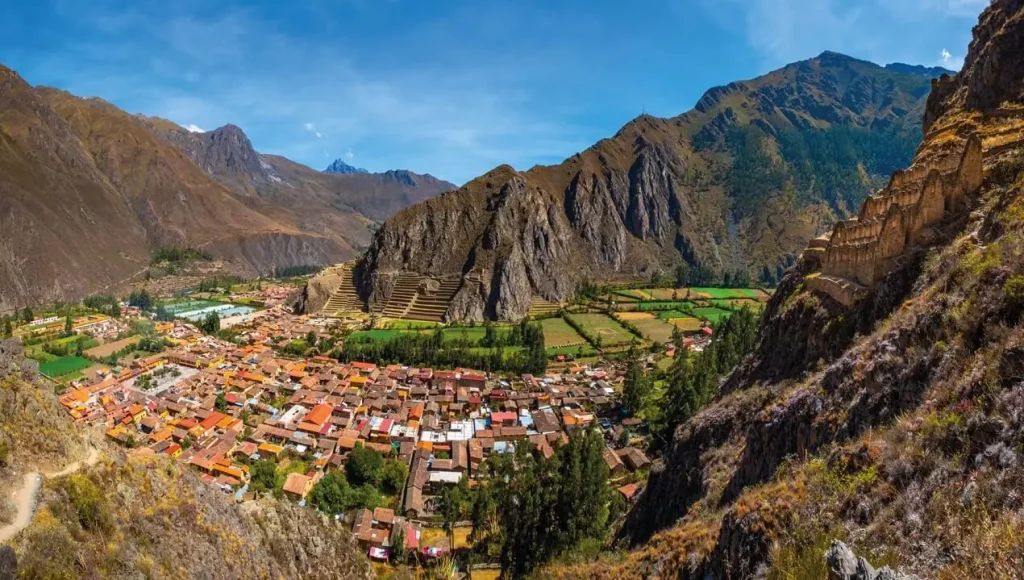
Ollantaytambo, another prominent site in the Sacred Valley, is a remarkable example of Inca engineering and military architecture. This ancient town and fortress were built by the Incas to control access to the Sacred Valley and to protect it from invading forces. The site features an impressive set of terraces, a temple complex, and huge stone blocks that were carefully cut and transported from quarries far away.
Ollantaytambo is unique because it is one of the few places in the Sacred Valley where visitors can still see a functioning Inca town. The town’s layout remains much as it was in the time of the Incas, with narrow streets, stone buildings, and canals that still carry water from the surrounding mountains. Visitors can hike up the terraces to get a closer look at the temple and enjoy breathtaking views of the valley.
2.3 Moray: The Agricultural Laboratory of the Incas
One of the most fascinating archaeological sites in the Sacred Valley is Moray, a set of circular terraces that were likely used as an agricultural laboratory by the Incas. The terraces are arranged in a series of concentric circles, creating microclimates at different altitudes. This unique design allowed the Incas to experiment with the growing conditions of various crops, including corn, quinoa, and potatoes.
Moray’s terraces are a testament to the Incas’ advanced understanding of agriculture and their ability to manipulate the environment to their advantage. Today, Moray is a popular spot for visitors interested in Inca agricultural practices and the ingenious ways the ancient civilization adapted to the landscape.
3. Cultural Heritage: The Living Legacy of the Sacred Valley
While the Sacred Valley is known for its archaeological sites, it is also a region rich in living culture. The valley is home to numerous indigenous communities, most notably the Quechua people, who are descendants of the Incas. These communities have preserved their traditional ways of life, maintaining their unique language, customs, and craftsmanship. For many visitors, the opportunity to experience the culture of the Sacred Valley is just as rewarding as exploring its historical sites.
3.1 Quechua Communities and Traditional Life
The Quechua people have inhabited the Sacred Valley for thousands of years, and their language and traditions remain an integral part of the region. The locals are known for their craftsmanship, particularly in the areas of textile weaving, pottery, and silver jewelry. Visitors can learn about these traditional arts by visiting local workshops or by attending the vibrant markets where these handcrafted goods are sold.
The Quechua people are also known for their festivals, which celebrate their agricultural cycles, religious beliefs, and cultural traditions. The Inti Raymi festival, which honors the Inca sun god Inti, is one of the most important events in the Sacred Valley. During this time, the streets are filled with traditional dances, music, and ceremonial rituals that provide a glimpse into the spiritual life of the Incas.
3.2 The Role of Religion in Sacred Valley Culture
Religion has always played a significant role in the lives of the people of the Sacred Valley. Andean cosmology revolves around the worship of natural forces such as the sun, the moon, the mountains, and the earth, which are seen as sacred entities that must be honored and respected. The Sacred Valley is home to many Inca temples, shrines, and sacred sites that were used for rituals, offerings, and prayers.
Visitors to the Sacred Valley can participate in ceremonial offerings conducted by local spiritual guides, known as Paqos. These rituals are designed to honor the Pachamama (Mother Earth) and the Apus (mountain spirits), reinforcing the deep connection between the people of the valley and the natural world around them.
4. Modern-Day Significance: The Sacred Valley as a Tourist Destination
4.1 The Sacred Valley as a Hub for Sustainable Tourism
In recent years, the Sacred Valley has become a major tourist destination for travelers seeking to experience both the natural beauty and cultural heritage of Peru. Unlike the often crowded and commercialized site of Machu Picchu, the Sacred Valley offers a more intimate and authentic experience, where visitors can explore quiet archaeological sites, meet local communities, and immerse themselves in the traditional culture of the region.
Many travelers come to the Sacred Valley for adventure tourism, including activities like hiking, mountain biking, and rafting. The region’s diverse landscapes provide ample opportunities for outdoor enthusiasts to explore the mountains, valleys, and rivers that make the Sacred Valley such a unique and special place.
4.2 Challenges of Tourism and Preservation
While tourism has brought economic benefits to the Sacred Valley, it has also posed challenges for the region’s environmental and cultural preservation. Overcrowding, pollution, and the commercialization of certain areas have raised concerns about the long-term impact of tourism on the valley’s fragile ecosystems and historical sites.
Sustainable tourism practices are critical to ensuring that the Sacred Valley’s cultural and natural heritage is protected for future generations. Efforts are being made to promote eco-tourism and responsible travel, encouraging visitors to respect the local communities, preserve the environment, and engage with the history and culture of the valley in meaningful ways.
Conclusion
The Sacred Valley of Peru is a remarkable place that blends natural beauty, historical significance, and cultural richness. From the towering mountains and fertile lands to the ancient ruins and vibrant indigenous communities, the valley offers visitors an opportunity to connect with Peru’s past and present in a way that few places can.
As travelers continue to flock to the Sacred Valley, it is essential that the region’s natural and cultural heritage is preserved for future generations. By promoting sustainable tourism and responsible travel practices, we can ensure that the Sacred Valley remains a living testament to the ingenuity, spirituality, and resilience of the Inca civilization and the people who continue to call it home.