




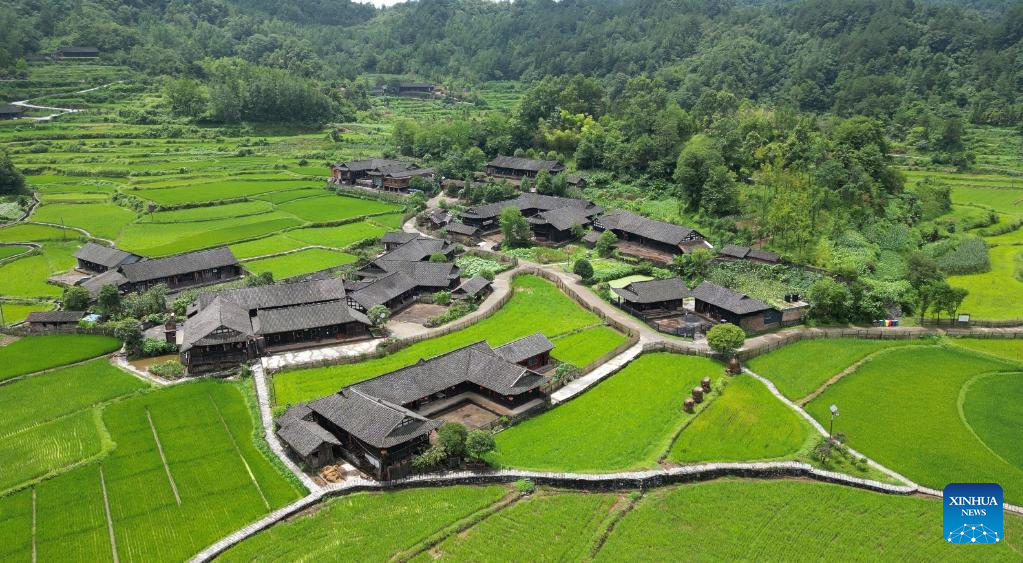

Ethnic minority villages across the world offer an incredible opportunity to experience lifestyles that have been preserved over centuries. In an age of rapid globalization and urbanization, these villages act as guardians of age-old traditions, cultures, and customs. From their unique ways of living to the intricate handicrafts that showcase their heritage, these communities offer a window into the diverse ways humanity interacts with the environment, celebrates milestones, and passes down knowledge through generations. This article will explore the traditional lifestyles, handicrafts, and festival celebrations of ethnic minority villages, shedding light on their rich cultural heritage and providing a deeper understanding of these fascinating communities.
The Essence of Ethnic Minority Village Life
Ethnic minority villages are often characterized by their geographical isolation and close-knit community structure. In many parts of the world, especially in areas like Southeast Asia, Africa, and the Americas, these villages are inhabited by indigenous or minority groups who have maintained distinct ways of life despite the encroachment of modern society. The lifestyle in these villages is deeply connected to the land, the seasons, and the natural resources available in their surroundings.
Rural Living: Harmony with Nature
One of the most defining features of ethnic minority villages is their rural, agrarian lifestyle. Many of these communities rely on farming, hunting, fishing, and foraging as their primary means of subsistence. In regions such as the highlands of Southeast Asia or the remote jungles of Central Africa, villagers often practice sustainable farming techniques, growing rice, millet, vegetables, and other crops that are adapted to their local environment. The methods they use are often centuries-old, passed down from generation to generation.
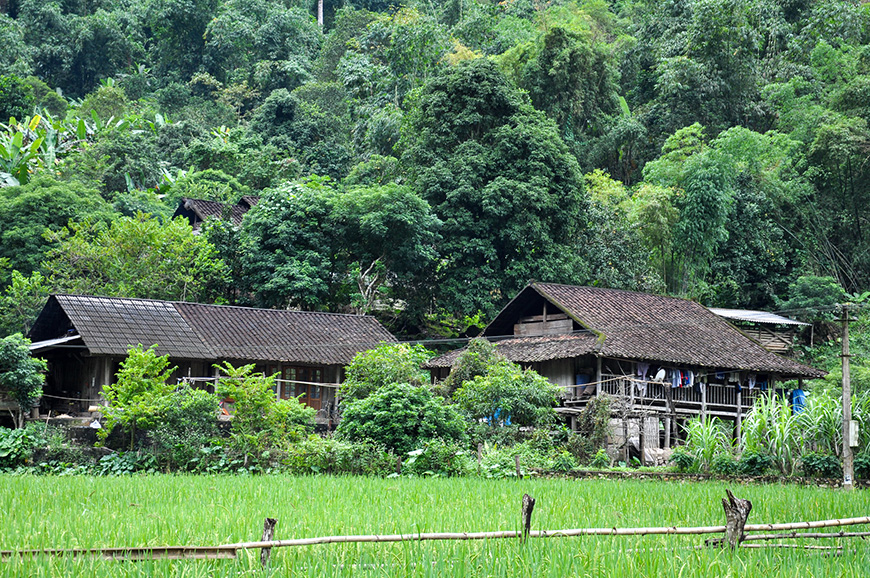
These villages are typically small and self-sufficient, with people working together to cultivate the land, build homes, and raise livestock. The social fabric of these communities is tightly woven, with strong familial ties and a sense of collective responsibility. For instance, in the Zhuang villages of China or the Hmong communities in the mountain ranges of Vietnam and Laos, villagers live in wooden houses that are often built with traditional materials such as bamboo and thatch, reflecting a deep understanding of their environment.
Social Organization and Daily Life
In many ethnic minority villages, the social organization revolves around extended families, with elders playing an essential role in guiding the younger generations. Elders are often revered as bearers of wisdom, and their advice is sought after in various aspects of village life, from agricultural practices to conflict resolution.
Women in these communities often hold crucial roles in both the household and the community. They are responsible for cooking, childcare, and tending to crops, while also playing a significant part in preserving cultural traditions such as weaving, pottery, and food preparation. Children, in turn, learn these skills from a very young age, ensuring that cultural knowledge is passed on seamlessly from one generation to the next.
Handicrafts: A Testament to Craftsmanship and Cultural Identity
Handicrafts are an integral part of ethnic minority cultures. These hand-made items are not only functional but also represent a tangible connection to the past. Each village has its own set of traditional crafts that are often tied to religious beliefs, cultural symbols, and environmental resources. These crafts serve as a way of expressing creativity, preserving cultural heritage, and creating goods that are used in daily life.
Textiles and Weaving
Among the most notable of these crafts are textiles and weaving. In many ethnic minority communities, such as the Hmong in Southeast Asia, weaving is an art form passed down through generations. The intricate patterns, often inspired by nature and spiritual beliefs, are woven into clothing, bags, and blankets. The colors and designs of the fabric hold deep symbolic meaning, representing the wearer’s identity, status, and connection to their ancestors.
In Mexico, the indigenous Zapotec and Mixtec peoples create stunning woven textiles using traditional techniques that have been in practice for thousands of years. These textiles are often made from cotton or wool and feature vibrant colors and geometric patterns. The process of weaving itself can take weeks or even months, with each piece being a labor of love and a reflection of the weaver’s skill and dedication to their craft.
Pottery and Ceramics
Pottery is another common handicraft found in ethnic minority villages. In Africa, for instance, the Ndebele people of South Africa are known for their intricately designed pottery, which often features geometric patterns and bold colors. Pottery-making is a ritualistic and community-centered activity, with each piece being made by hand and fired in a traditional kiln.
Similarly, in the Andean regions of South America, indigenous communities such as the Quechua and Aymara peoples continue to produce pottery using techniques that date back thousands of years. The designs often reflect the natural world, with animals, plants, and geometric motifs being common symbols. These handmade pots are not only used for cooking and storage but also play a role in religious ceremonies and rituals.
Metalwork and Jewelry
Metalworking is also a common craft in many ethnic minority villages. The artisans of the Tuareg people, an indigenous group in North Africa, are renowned for their silver jewelry. These intricate pieces often feature geometric designs and are passed down as heirlooms, symbolizing the wearer’s identity, wealth, and social status.
In South Asia, ethnic minority groups such as the Kuchi people of Afghanistan create intricate brass and silver jewelry, which is often worn during festivals and ceremonies. The designs typically feature symbols of protection, prosperity, and connection to the divine, showcasing the cultural significance of craftsmanship in these communities.
Festivals: Celebrating Culture, Faith, and Community
Festivals are another important aspect of life in ethnic minority villages. These events not only mark significant moments in the agricultural calendar, such as harvest time, but also serve as a means of connecting with ancestors, celebrating community, and reaffirming cultural identity.
Agricultural Festivals
In many ethnic minority communities, festivals are deeply intertwined with the agricultural cycle. In the highlands of Vietnam, for example, the Hmong people celebrate the “Hmong New Year,” which marks the end of the harvest season. During this festival, villagers gather to honor their ancestors, wear traditional clothing, and engage in a variety of games, dances, and feasts. This celebration is an important time for socializing, and it is also a period when young people may find a partner.
Similarly, the harvest festival in the villages of India’s northeastern states, such as Nagaland and Mizoram, is a grand affair. The local tribes, including the Ao, Konyak, and Lotha, hold elaborate ceremonies that involve dancing, singing, and feasting. The harvest is seen as a gift from the gods, and it is celebrated with vibrant displays of culture and tradition.
Religious and Spiritual Festivals
Many ethnic minority communities also celebrate religious or spiritual festivals that reflect their connection to the divine. In the Tibetan Buddhist culture, for example, festivals such as Losar (Tibetan New Year) are marked by prayers, rituals, and offerings to deities. These festivals are not only a time for religious observance but also serve as an expression of the community’s spiritual resilience and connection to their ancestors.
In South America, indigenous groups such as the Quechua and Aymara peoples celebrate the “Inti Raymi” festival in honor of the sun god. This festival, which takes place in late June, is a celebration of the winter solstice and marks the beginning of the agricultural season. The festival includes colorful dances, music, and offerings to the sun, symbolizing gratitude for the land’s fertility and the community’s relationship with nature.
Music and Dance
Music and dance play a significant role in many ethnic minority festivals. In the Maasai villages of Kenya and Tanzania, the “Eunoto” ceremony marks the transition of young men into adulthood. During this festival, the community comes together to perform dances, sing songs, and participate in traditional rituals that signify the passage of time and the strength of the community. The dances, often involving elaborate footwork and chanting, are accompanied by the rhythmic beats of drums and other traditional instruments.
Similarly, in the Himalayan regions of Nepal, the Sherpa people celebrate the “Lhosar” festival, which is a New Year celebration. The festivities include dancing, singing, and the performance of traditional rituals that honor the spirits of the ancestors and the natural world. These dances are not only a form of entertainment but also serve as a way of preserving cultural traditions and reinforcing the spiritual beliefs of the community.
Conclusion
Visiting an ethnic minority village offers a unique and immersive experience into a world that is often hidden from the mainstream. These communities, with their distinct lifestyles, intricate handicrafts, and vibrant festivals, represent the richness of human cultural diversity. While modern life continues to influence even the most remote villages, the people in these communities remain dedicated to preserving their traditions, ensuring that their cultural heritage is passed down to future generations.
By engaging with these cultures, we can gain a deeper understanding of the many ways in which human beings have interacted with the environment, celebrated life, and expressed their spirituality over the centuries. Ultimately, the preservation of these minority villages is essential not only for maintaining cultural diversity but also for fostering a greater appreciation of the human experience in all its forms. Through such explorations, we come to recognize that, despite our differences, we share a common thread that connects us to the past, the land, and each other.