





For many travelers, a trip is not just about sightseeing or tasting local cuisine; it is about experiencing the culture through deeper, more personal interactions with the people who bring that culture to life. One of the most enriching ways to connect with a destination’s heritage is through the world of traditional crafts. These crafts—whether it’s handwoven textiles in Morocco, intricate wood carvings in India, or pottery in Japan—tell the story of a region’s history, values, and creative ingenuity. For those interested in exploring local cultures, interacting with artisans and gaining a firsthand understanding of the crafting process is an opportunity to connect with both the present and the past of a place in a meaningful way.
In this article, we will delve into the significance of traditional crafts, the experiences travelers can have when interacting with local artisans, and the process of creating unique handmade objects. We will explore a variety of global regions where crafts are integral to the culture and economy, offering travelers a glimpse into the world of artisans whose work transcends mere functionality to become living expressions of tradition and identity.
The Importance of Traditional Crafts
Traditional crafts are more than just functional items or pieces of art—they are the embodiment of culture, history, and community. Each handmade object reflects the customs, beliefs, and values of the society from which it originates. In many parts of the world, artisans are not only skilled in their craft, but they also serve as cultural custodians, passing down techniques that have been refined over centuries.
Traditional craftsmanship often ties communities to their environment, with materials sourced locally and techniques developed to make use of available resources. Whether it’s the use of natural dyes in textiles, clay for pottery, or wood for intricate carvings, the materials used are often a reflection of the local environment. The process of crafting these items requires deep knowledge of natural resources, local history, and the time-honored techniques that have been perfected by generations of artisans.
For travelers, engaging with these artisans offers a unique opportunity to understand how crafts are passed down through generations, how traditions evolve over time, and how craft plays a role in the identity and economy of the community. It also allows for a deeper understanding of sustainability, as many traditional crafts are rooted in practices that are environmentally friendly and economically supportive of local communities.
The Crafting Process: A Look at Global Artisan Traditions
Across the globe, countless crafts have been developed and perfected over centuries, each reflecting the unique culture and geography of its region. Let’s take a closer look at some of these timeless crafts and the processes involved in their creation.
1. Moroccan Carpet Weaving
One of the most iconic crafts of Morocco is the art of carpet weaving, particularly by the Berber tribes. These carpets are not only beautiful decorative items but are deeply symbolic, often telling stories or representing important cultural beliefs through their intricate patterns.
The process begins with selecting the wool. High-quality wool is cleaned, spun, and dyed using natural pigments derived from plants and insects. Dyeing the wool is an art in itself, with artisans using traditional methods passed down through generations. The colors and patterns used in the carpets can vary depending on the region and the tribe, but they often hold symbolic meanings, such as fertility, protection, or harmony.
Once dyed, the wool is threaded onto loom to begin the weaving process. The loom is typically set up in a horizontal position, with the artisan sitting on the ground and working from the floor. The weaver spends hours each day crafting the intricate designs, and the final product can take weeks or even months to complete, depending on the size and complexity of the carpet.
For travelers visiting Morocco, there are many opportunities to visit local carpet workshops, where artisans demonstrate the entire process from start to finish. By engaging with the weavers, travelers not only gain insight into the craft but also have the chance to purchase unique, handwoven pieces that carry a sense of the region’s cultural history.
2. Japanese Pottery
Japan is renowned for its pottery, with centuries-old traditions like Raku and Kintsugi representing two different aspects of Japanese pottery-making culture. Pottery in Japan is deeply intertwined with daily life, with different regions specializing in unique styles that are linked to the local culture.
- Raku pottery, for example, is associated with tea ceremonies and has a long history dating back to the 16th century. The process of making Raku involves hand-molding clay and firing the pottery in a specific type of kiln. The pieces are then removed from the kiln while still hot and placed in containers filled with combustible materials like sawdust. The smoke that forms during this cooling process gives the pottery its signature crackled glaze. For travelers, visiting a Raku kiln and watching this process unfold can be a mesmerizing experience, as it involves a balance between artistry, technique, and nature.
- Kintsugi, on the other hand, is the art of repairing broken pottery with lacquer and gold or silver powder. This technique reflects a traditional Japanese philosophy of embracing imperfection and finding beauty in the flaws. The repaired pottery is considered more valuable and beautiful because of the care taken to restore it, highlighting the concept of wabi-sabi—a belief that imperfection and transience contribute to the beauty of life.
For those traveling to Japan, many workshops offer the chance to engage with local potters, either by participating in the creation of their own pottery or by learning about the philosophy behind the designs.
3. Indian Block Printing
In India, block printing is one of the oldest and most revered forms of textile design. Practiced especially in regions like Rajasthan, this craft involves carving intricate patterns onto wooden blocks, which are then dipped in dye and stamped onto fabric. The process of block printing is painstakingly detailed, with artisans carefully aligning the blocks to ensure that the pattern is evenly transferred to the fabric.
Natural dyes are often used in block printing, sourced from plants, minerals, and insects, making each fabric piece unique and environmentally friendly. The designs, whether floral, geometric, or abstract, often have cultural or religious significance and reflect the region’s history and identity. The final product is typically a vibrant, hand-printed fabric used for everything from clothing to upholstery.
Visitors to India can watch local artisans as they carve the wooden blocks and press them onto fabric, gaining insight into the meticulous work that goes into each piece. They can even try their hand at the process, making it a highly interactive and educational experience.
4. Mexican Silver Jewelry
In Taxco, Mexico, the art of crafting silver jewelry is a centuries-old tradition that dates back to the Spanish colonial period. Today, Taxco is known as the silver capital of Mexico, with its artisan community creating stunning jewelry from locally mined silver.
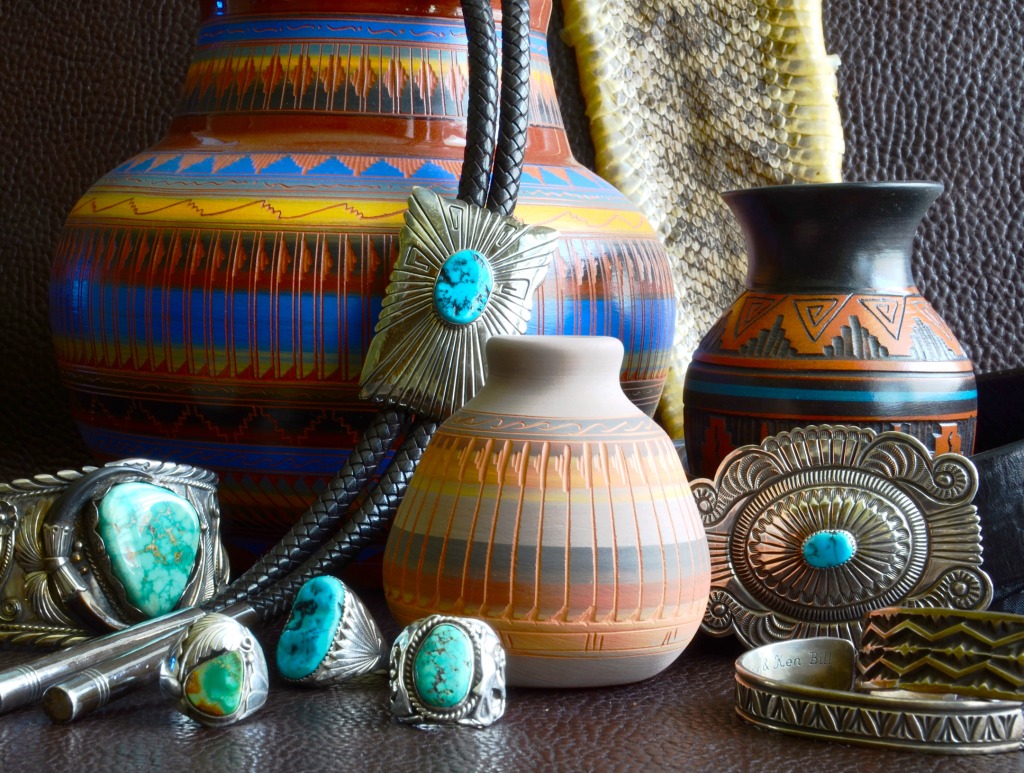
The process of making silver jewelry begins with melting the silver into a workable form. Artisans use lost-wax casting to shape the metal, and detailed engraving, stamping, and polishing techniques are employed to add intricate designs. The jewelry often incorporates local gemstones, such as turquoise, to add vibrant color to the pieces.
The craft of silver jewelry-making is highly valued in Mexico, and visitors can tour workshops to watch artisans at work. Many shops in Taxco offer visitors the chance to purchase handmade pieces, giving them the opportunity to take home a piece of Mexico’s rich cultural heritage.
The Value of Interaction with Artisans
For travelers, interacting with local artisans provides a rare, behind-the-scenes glimpse into the creation of traditional crafts. Beyond watching the crafting process, these interactions also offer a chance to learn from the artisans themselves, gaining insight into their personal histories, the evolution of their crafts, and their passion for preserving cultural heritage.
Engaging with artisans can also be an important part of sustainable tourism. By purchasing handmade crafts directly from the creators, travelers help support the local economy and ensure that traditional crafts continue to thrive. In many cases, artisans rely on their craft as their primary source of income, and by valuing their work, visitors contribute to the survival of cultural practices that are at risk of disappearing in the face of globalization and industrialization.
Moreover, these interactions often foster deeper connections between travelers and local communities. They move beyond superficial tourism and encourage mutual understanding and respect. When a traveler learns about the history of a craft or the symbolism behind a piece of artwork, they gain a richer, more meaningful experience of the place they are visiting.
Preserving Traditional Crafts for Future Generations
One of the greatest challenges facing traditional crafts today is the risk of these skills and practices being lost. Globalization, technological advancements, and the mass production of goods have led to a decline in many traditional crafts. However, efforts to preserve and promote these art forms are being made through artisan cooperatives, government initiatives, and cultural programs.
Many countries have recognized the importance of preserving these traditions not only for cultural heritage but also as a way to empower communities economically. Craft tourism, in which travelers seek out authentic, hands-on experiences with artisans, has become an important avenue for preserving traditional crafts. By highlighting the beauty and significance of handcrafted items, we can encourage younger generations to learn and continue these crafts, ensuring their survival for years to come.
Conclusion: A Rich Tapestry of Global Traditions
Interacting with local artisans offers travelers a chance to experience the heart and soul of a destination. Whether it’s witnessing the weaving of Moroccan carpets, the delicate crafting of Japanese pottery, the intricate block printing in India, or the artistry of Mexican silver jewelry, the world of traditional crafts is as diverse as the cultures that produce them. These crafts not only showcase the talent and creativity of artisans but also preserve the rich cultural heritage of regions across the globe.
For the modern traveler seeking a deeper understanding of the places they visit, engaging with the creation of traditional crafts offers an invaluable, immersive experience that goes beyond sightseeing. It’s an opportunity to connect with the past, appreciate the present, and ensure the future of these extraordinary art forms. As travelers continue to seek authentic experiences, the traditions of handcrafting and artisanal production remain vital touchstones in our shared global culture.