





In recent years, there has been a noticeable shift in travel trends. More and more travelers are prioritizing the experience of avoiding peak tourism periods in favor of more tranquil, less crowded vacations. While the allure of popular tourist hotspots during peak seasons is undeniable, the frustration of navigating overcrowded sites, dealing with high prices, and experiencing a lack of local authenticity has led many to rethink their travel strategies.
In this article, we will explore the growing appeal of off-peak travel, why more travelers are choosing to avoid peak seasons, the benefits of this approach, and how to make the most of your journey by venturing during quieter times. Whether you’re looking for more intimate travel experiences, cost savings, or simply a break from the crowds, off-peak tourism offers a variety of advantages that can transform your travel experience.
1. The Drawbacks of Traveling During Peak Seasons
Peak tourism seasons are typically defined by favorable weather conditions, school holidays, and global events that draw large crowds to popular destinations. While these periods may seem like the perfect time to visit, there are several notable drawbacks to traveling during peak seasons:
a) Overcrowding
One of the most significant disadvantages of traveling during peak seasons is the sheer number of tourists. Popular destinations like Paris, Rome, New York, and Kyoto often see an influx of visitors during summer or holiday periods, leading to overcrowded streets, long lines, and restricted access to popular sites. Attractions like the Eiffel Tower, Colosseum, and Taj Mahal can become uncomfortably packed, reducing the quality of the experience and diminishing the enjoyment of visiting these once-in-a-lifetime landmarks.
b) Higher Costs
With the increase in demand during peak seasons, travel costs often skyrocket. Airfares, hotel rates, and even dining expenses can be significantly higher during the peak months. Many tourists find themselves paying inflated prices for accommodations and experiences that would be much more affordable during the off-season. For travelers on a budget, this can lead to a less enjoyable trip, with financial strain overshadowing the excitement of the vacation.
c) Reduced Local Authenticity
In highly tourist-driven areas, local experiences often become tailored to meet the demands of visitors. During peak seasons, the local culture can sometimes feel more commercialized, and authentic, off-the-beaten-path experiences become harder to find. You may find fewer opportunities to interact with locals in meaningful ways or to explore less touristy neighborhoods that offer a more genuine taste of the region’s lifestyle.
d) Stress and Fatigue
The rush and bustle of peak season travel can lead to a sense of exhaustion. When every major attraction is filled to capacity and finding a quiet spot to relax feels impossible, it can take away from the enjoyment of your vacation. Long lines at airports, crowded museums, and difficulty finding a peaceful café can make your dream holiday feel more like a stressful, chaotic adventure.
2. Why Travelers Are Shifting Towards Off-Peak Tourism
In response to these challenges, many travelers are now opting to visit destinations during their off-peak seasons, avoiding the overcrowding, high costs, and stress associated with peak tourism periods. Here are several reasons why more and more people are embracing off-peak travel:
a) The Pursuit of Peace and Tranquility
One of the main attractions of off-peak travel is the chance to experience a destination in a more relaxed and peaceful environment. Without the throngs of tourists, you’ll have the opportunity to explore at your own pace, enjoying famous landmarks and attractions without feeling rushed. Whether it’s walking through empty streets in Venice or taking a quiet boat ride on the Ganges River, the peace and tranquility of traveling during the off-season can be incredibly rewarding.
b) More Affordable Travel
Traveling during the off-season offers significant cost savings. Hotels, flights, and excursions are often much cheaper when demand is low, allowing you to either spend less overall or upgrade your experience without exceeding your budget. For example, visiting New York City in November instead of July could result in a significant drop in airfare and hotel rates, not to mention fewer tourists crowding the streets.
c) Enhanced Local Interaction
With fewer tourists around, local residents tend to have more time and willingness to engage with visitors. Off-peak seasons offer a chance for more authentic interactions with locals, who are often less overwhelmed by the constant flow of tourists. This can lead to more meaningful conversations, unique cultural experiences, and the opportunity to discover hidden gems that are usually overlooked during peak seasons.
d) Less Stress and More Flexibility
When visiting a destination during a quieter period, travelers can expect fewer crowds, shorter lines, and less competition for hotel rooms and restaurants. This results in a more flexible and enjoyable itinerary where you can focus on enjoying the experience rather than battling the masses for a spot. Moreover, visiting a location during off-peak times means you can take your time to explore without feeling rushed or pushed along by large tour groups.

3. How to Take Advantage of Off-Peak Travel
Choosing the right time to travel requires some planning, but by being strategic about when and where you go, you can enjoy a more fulfilling and rewarding vacation. Below are some practical tips for taking advantage of off-peak travel:
a) Identify Off-Peak Seasons
The off-peak seasons vary depending on the destination. For example, destinations with cold weather may have off-peak seasons during the winter months, while tropical locations tend to be quieter during the rainy season. However, in many cases, the months just outside of the peak travel season are ideal for quieter travel. Here are a few examples:
- Europe: Spring (March to May) and Fall (September to November) are often considered the best times to visit European cities like Paris, Rome, and Barcelona, as the weather is still pleasant, but crowds are fewer.
- Southeast Asia: The off-season in countries like Thailand, Vietnam, and Indonesia typically falls between May and October, as these months coincide with the rainy season. However, these destinations still offer great deals and fewer tourists during this period.
- North America: Popular cities like New York and Los Angeles are often less crowded in the fall (September to November) and winter months (except for the holidays), making it an ideal time to visit without the summer rush.
b) Stay in Less Touristy Areas
When visiting popular destinations, try to explore beyond the typical tourist spots. Off-peak travel allows for more flexibility to discover hidden gems in less-known areas. For example, while Santorini and Mykonos are famous in Greece, you may find quieter and equally charming destinations such as Naxos or Paros.
c) Plan for Local Events and Festivals
While large festivals can draw in a crowd during peak seasons, smaller local festivals during off-peak periods can offer a richer cultural experience. Look out for local harvest festivals, artisan markets, and cultural celebrations that take place during less busy times of the year.
d) Be Flexible with Your Travel Dates
Flexibility with your travel dates can make a significant difference in your ability to avoid peak periods. If you are traveling to a region with fluctuating peak seasons, consider traveling mid-week, avoiding weekends, or checking for special last-minute deals that align with quieter times.
4. Destinations Perfect for Off-Peak Travel
There are many destinations around the world that are ideal for off-peak travel. Below are some recommendations for those looking to avoid the crowds and enjoy a more peaceful vacation:
a) Kyoto, Japan
Kyoto is renowned for its stunning temples, shrines, and gardens. While it is a popular destination year-round, visiting in the late autumn or early spring provides a chance to enjoy the city’s beauty without the overwhelming summer crowds.
b) Prague, Czech Republic
Prague, known for its medieval architecture and charming streets, is best visited during the fall when the weather is mild, and the tourists are fewer. The Prague Castle and Charles Bridge are quieter during this time, allowing for a more intimate experience.
c) Bali, Indonesia
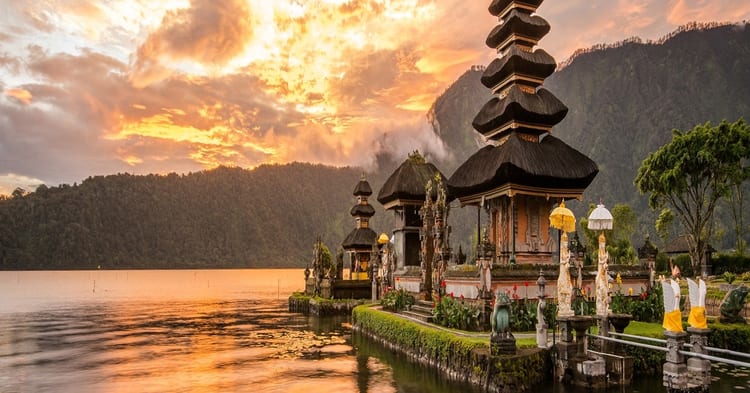
Bali is a tropical paradise with lush landscapes, stunning beaches, and rich culture. While it’s busiest in the dry season (May to September), visiting during the rainy season (November to March) can provide cheaper prices and fewer crowds.
d) Patagonia, Argentina and Chile
Patagonia is an incredible destination for nature lovers, with dramatic landscapes, glaciers, and mountains. The summer months (December to February) are the busiest, so visiting in spring or fall can provide a quieter and equally breathtaking experience.
5. Conclusion: The Future of Off-Peak Travel
As travelers increasingly prioritize authenticity, cost-effectiveness, and peaceful experiences, off-peak travel is likely to continue growing in popularity. By avoiding peak seasons, travelers can not only enjoy their destinations with fewer crowds but also engage more deeply with the local culture, saving money and reducing the environmental impact of mass tourism.
In a world that increasingly values unique experiences and sustainability, choosing the right time to visit can make all the difference. Whether you’re seeking tranquility in a bustling city or the opportunity to explore a destination more intimately, off-peak travel offers a refreshing alternative to the chaotic rush of peak season tourism.