




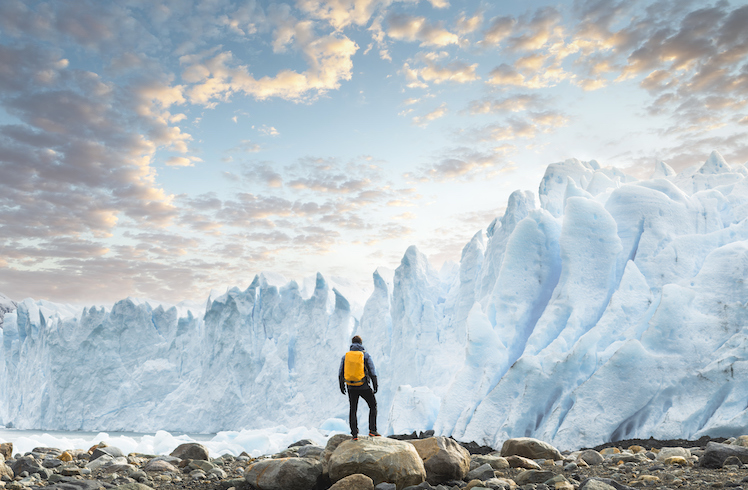

When planning a trip, one of the most important yet often overlooked factors is climate. The weather can have a profound impact on your travel experience—shaping everything from the activities you can do, to the type of clothing you’ll need, and even the destination you choose. Understanding the climate factors and weather patterns of a location is crucial for optimizing your travel experience and ensuring that you have a comfortable and enjoyable trip.
In this article, we will delve deep into how climate and weather play a pivotal role in travel planning, provide insights into how to select the best time to travel, and offer practical advice on how to adapt to different weather conditions. From tropical climates to temperate regions, we’ll explore how seasonal variations, local geography, and global weather patterns affect your vacation choices and what recommendations you should consider to get the best possible travel experience.
1. The Importance of Climate in Travel Planning
Choosing a destination based on its climate is one of the most important decisions you’ll make while planning your trip. Every region has its own climatic zones that influence the weather at different times of the year. These patterns can determine the activities available, the best months to visit, and the comfort level of your travels.
a) Climate Zones and Travel Timing
The climate zone of a region is perhaps the most influential factor in determining when to visit. The world’s diverse climates are broadly classified into several categories:
- Tropical Climates: Characterized by warm temperatures year-round with distinct wet and dry seasons. Destinations like Thailand, Brazil, and Indonesia fall into this category.
- Arid Climates: Hot and dry, these regions experience little rainfall and large temperature fluctuations. Dubai, Egypt, and Arizona are prime examples.
- Temperate Climates: These areas experience four distinct seasons, including warm summers and cold winters. Cities like Paris, New York, and Beijing have temperate climates.
- Polar Climates: Extremely cold with long winters and short summers. Iceland and parts of Antarctica experience this type of climate.
b) Factors Affecting Climate Variations
There are a number of factors that affect the local climate and weather, including:
- Latitude: The closer a location is to the equator, the warmer the climate tends to be. Conversely, regions closer to the poles experience colder temperatures.
- Altitude: Higher altitudes typically experience cooler temperatures, regardless of the latitude. This is why mountains, even in tropical areas, can have snowy peaks.
- Proximity to Water: Bodies of water, such as oceans or lakes, can moderate temperatures and make the climate more temperate. Coastal areas generally have milder winters and cooler summers.
- Wind Patterns: Winds can influence climate by redistributing heat and moisture. Regions near the equator may experience more rain, while areas affected by dry winds like the Sahara Desert experience arid conditions.
2. Seasonal Weather Patterns and Their Influence on Travel
One of the most crucial aspects of travel planning is understanding how seasonal changes affect the weather. The time of year can determine everything from your clothing choices to the type of activities you can engage in.
a) Summer (June to August)
Summer is often the most popular time to travel, especially for families and students, but it’s important to understand the challenges of traveling during this peak season.
- Pros:
- Warm temperatures and longer daylight hours in most destinations.
- Ideal for outdoor activities like hiking, beach visits, and festivals.
- Many destinations offer seasonal events, such as summer festivals or cultural celebrations.
- Cons:
- Crowds can overwhelm popular tourist spots, leading to longer wait times and higher costs.
- In regions like Southern Europe, Southeast Asia, or the Middle East, temperatures can be extremely high, making outdoor activities uncomfortable or dangerous.
- Tourist facilities and attractions may be overcrowded.
Recommendation: If traveling during the summer, consider destinations in northern Europe (e.g., Scandinavia), where the weather is mild and crowds are more manageable, or destinations that are traditionally less crowded during summer, such as Iceland or New Zealand.
b) Fall (September to November)
Fall is widely regarded as the perfect time for travel, thanks to its combination of good weather, fewer crowds, and lower prices.
- Pros:
- Temperatures are often mild, making it ideal for sightseeing and outdoor adventures.
- Fall foliage in places like New England and Canada adds a spectacular dimension to your trip.
- Many destinations offer off-season prices, making travel more affordable.
- Cons:
- In certain regions, particularly tropical destinations, fall can be the start of the rainy season or hurricane season.
- Some attractions may begin to close for the off-season.
Recommendation: Consider visiting Japan for its autumn foliage or European cities like Paris or Vienna, which are much quieter during fall compared to summer.
c) Winter (December to February)
Winter travel can offer a unique experience, but it also comes with its own set of challenges.
- Pros:
- Winter months are perfect for skiing, snowboarding, and other cold-weather activities in destinations like Switzerland and Canada.
- Off-season rates in many destinations mean cheaper prices for flights and accommodation.
- Cities like Prague and Munich are magical during the holiday season, with festive Christmas markets and seasonal events.
- Cons:
- Cold temperatures in many destinations can limit outdoor activities, and some regions experience shorter days with limited daylight hours.
- In regions with extreme winter conditions, services may be limited, and some attractions may close.
Recommendation: If you love winter sports, destinations like the Swiss Alps or Aspen are excellent choices. For a less cold option, cities like Dubai or Hawaii offer mild, pleasant winter climates.
d) Spring (March to May)
Spring is another ideal time for travel, especially in regions that experience mild temperatures and beautiful natural landscapes.
- Pros:
- Mild weather in most parts of the world, perfect for outdoor exploration.
- The blooming of flowers and trees makes spring an excellent time for nature lovers.
- Lower tourist traffic compared to summer, leading to fewer crowds and more intimate experiences.
- Cons:
- The rainy season in some tropical destinations, particularly in Southeast Asia.
- Some areas, like the Mediterranean or Asia, may still be too cool in early spring for some outdoor activities.
Recommendation: Consider visiting Southern Europe, including countries like Spain and Italy, where the temperatures are pleasant and the crowds are lighter than in summer.

3. Adapting to Climate and Weather Conditions
Once you’ve identified the best travel season for your destination, it’s important to adapt to the local climate to ensure your comfort and enjoyment. Here are a few practical tips to help you prepare:
a) Clothing and Packing
- Tropical Regions: Pack lightweight clothing, sunscreen, and insect repellent. Be sure to bring waterproof items or an umbrella for sudden rain showers.
- Cold Regions: Layer your clothing to stay warm. A waterproof outer layer, thermal undergarments, and insulated boots are essential for snowy climates.
- Moderate Climates: In destinations with mild weather, such as Mediterranean regions, pack light layers that can easily be added or removed depending on the temperature. A light jacket is always a good idea.
b) Hydration and Protection
In hot climates, especially during summer, it’s crucial to stay hydrated and protect yourself from the sun. Always carry a water bottle, wear sunblock, and use sunglasses and hats to protect your skin and eyes.
c) Activity Planning
Depending on the weather, adjust your travel activities. For example, if you’re visiting a beach destination during a rainy season, consider exploring indoor cultural attractions, local museums, or culinary tours instead.
4. Climate Change and Its Impact on Travel
In recent years, the effects of climate change have become more apparent. Rising temperatures, unpredictable weather patterns, and extreme weather events are impacting traditional travel seasons. It’s essential for travelers to stay informed about how these changes may affect their destinations.
For example, places that once had predictable rainy or dry seasons may see more unpredictable weather. The traditional peak travel times may shift due to these changes, and regions that were previously off-limits due to extreme heat or cold may become more accessible.
Recommendation: Stay updated on climate and weather reports for your travel destination, and remain flexible with your plans if unexpected changes arise.
5. Conclusion: Planning with Weather in Mind
Choosing the right time to travel is more than just selecting the most popular season—it’s about aligning your travel goals with the local climate, weather patterns, and seasonal advantages. By understanding how the weather will impact your destination and your activities, you can make smarter travel decisions, ensure a more comfortable trip, and fully enjoy your vacation.
Travel guides and resources that provide seasonal weather insights are invaluable for today’s travelers. By leveraging this information, you can enjoy better weather, fewer crowds, and more affordable options, ultimately leading to a more enjoyable and memorable travel experience.