





Festivals are a window into the soul of a culture, offering insights into history, religion, art, and communal identity. Around the world, traditional festivals attract millions of tourists annually, creating not only opportunities for cultural exchange but also significant economic and social impact. From vibrant parades and sacred rituals to music, dance, and culinary experiences, these celebrations transform cities and towns into epicenters of cultural expression.
This article provides an in-depth exploration of traditional festivals globally, examining their historical significance, regional diversity, tourism impact, cultural preservation, and practical considerations for travelers. It emphasizes the professional, sustainable, and immersive aspects of festival tourism, offering guidance for both enthusiasts and stakeholders in the travel industry.
1. Understanding Traditional Festivals
1.1 Definition and Core Elements
Traditional festivals are events rooted in historical, religious, or cultural traditions, often celebrated annually. Core elements include:
- Rituals and Ceremonies: Sacred rites, dances, and performances symbolizing local beliefs.
- Community Participation: Active engagement of local communities, reinforcing cultural identity.
- Artistic Expression: Music, dance, costumes, and decorations that reflect heritage.
- Gastronomy: Traditional foods and beverages that accompany festivities.
- Seasonal or Religious Timing: Many festivals are linked to harvests, lunar calendars, or religious observances.
1.2 Historical and Cultural Significance
- Festivals often preserve folklore, oral traditions, and artistic forms.
- They reflect societal values, historical events, and religious beliefs.
- Many festivals have evolved over centuries while retaining core cultural elements.
2. Regional Highlights of Traditional Festivals
2.1 Asia
- China:
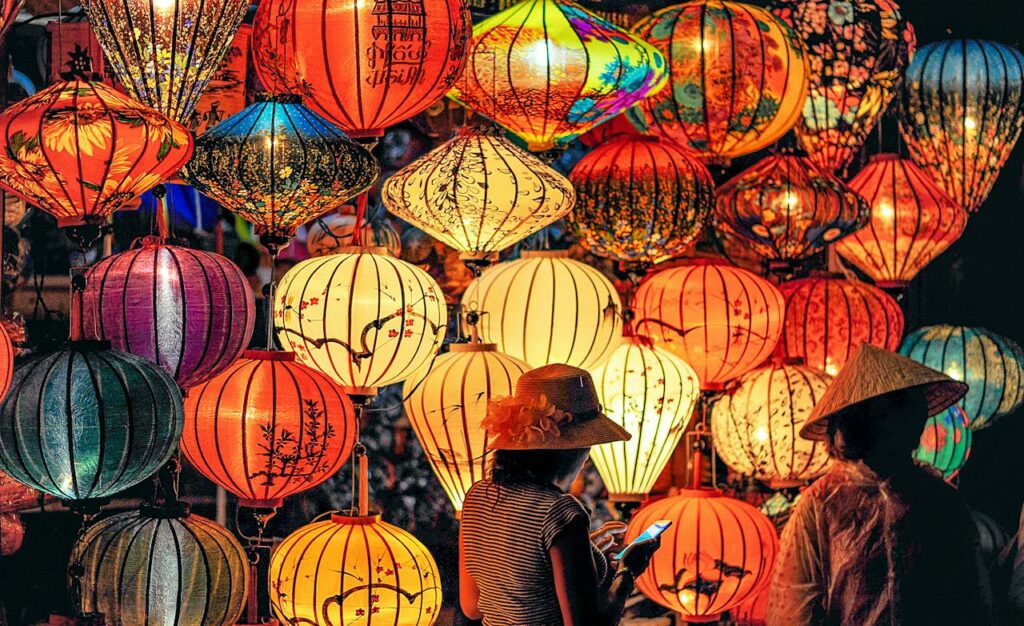
- Chinese New Year: Lanterns, dragon dances, and family reunions mark the lunar new year, attracting millions of domestic and international tourists.
- Mid-Autumn Festival: Mooncakes, lantern displays, and traditional performances celebrate the harvest.
- India:
- Diwali: The festival of lights features elaborate fireworks, lamps, and cultural rituals.
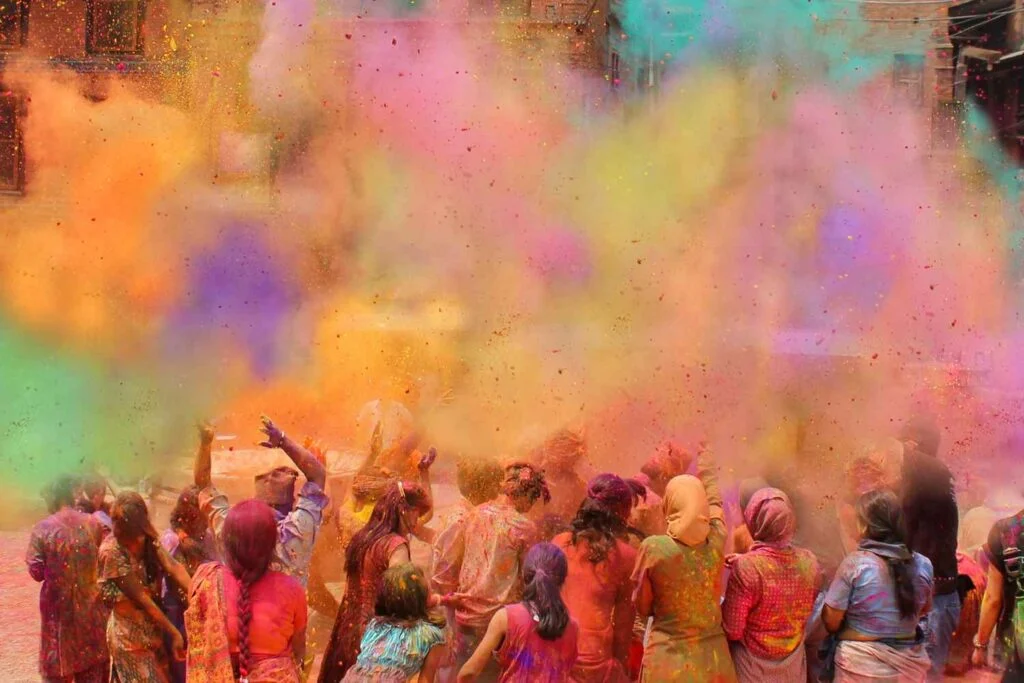
- Holi: Known as the festival of colors, participants celebrate with vibrant powders, music, and dancing.
- Japan:
- Gion Matsuri: Kyoto’s historic parade with elaborate floats demonstrates traditional craftsmanship and community engagement.
- Obon Festival: A time for honoring ancestors through dance, lanterns, and ritual offerings.
2.2 Europe
- Spain:
- La Tomatina: Tomato-throwing festival in Buñol combines playful chaos with cultural spectacle.
- San Fermín: Pamplona’s running of the bulls reflects local tradition, history, and adrenaline tourism.
- Italy:
- Venice Carnival: Iconic masks, costumes, and masked balls celebrate centuries-old Venetian artistry.
- Germany:
- Oktoberfest: Munich hosts this world-famous beer festival blending culinary tradition, folk music, and tourism.
2.3 Africa
- Nigeria:
- Eyo Festival: Lagos’ ceremonial parade featuring traditional costumes, masquerades, and cultural storytelling.
- Morocco:
- Fantasia Festivals: Equestrian shows showcasing horsemanship, music, and traditional attire.
2.4 Americas
- Mexico:
- Día de los Muertos (Day of the Dead): Celebrates ancestry through altars, music, and colorful parades.
- Carnival (Brazil): Elaborate samba parades, costumes, and music attract global visitors.
- United States:
- Mardi Gras (New Orleans): Celebrations include parades, beads, masks, and music rooted in French colonial heritage.
2.5 Oceania
- Australia:
- NAIDOC Week: Celebrates Aboriginal and Torres Strait Islander culture with art, music, and ceremonies.
- New Zealand:
- Matariki Festival: Marks the Māori New Year through cultural performances, traditional cuisine, and community activities.
3. Tourism Impact of Traditional Festivals
3.1 Economic Contributions
- Festivals boost local economies through tourism, hospitality, transportation, and retail.
- Revenue is generated from ticket sales, local food, crafts, and accommodations.
- Seasonal employment opportunities arise in event organization, catering, and logistics.
3.2 Cultural Tourism
- Travelers gain immersive experiences, deepening understanding of heritage and local life.
- Festivals provide opportunities for cross-cultural exchange, language learning, and participatory engagement.
3.3 Branding and Global Visibility
- Iconic festivals enhance destination branding and international recognition.
- Social media coverage, media attention, and influencer engagement amplify global reach.
4. Planning and Participating in Festivals
4.1 Pre-Travel Research
- Understand festival dates, local customs, and participation guidelines.
- Check travel advisories, accommodation availability, and crowd management strategies.
4.2 Cultural Sensitivity
- Respect local traditions, dress codes, and ceremonial practices.
- Avoid disruptive behavior and follow guidance from local organizers.
4.3 Logistics and Accommodation
- Book accommodations well in advance due to high demand.
- Consider proximity to festival venues, transportation options, and safety.
4.4 Health and Safety
- Prepare for crowded environments, weather conditions, and long periods of outdoor activity.
- Carry necessary medications, hydration, and personal safety equipment.
5. Sustainable Festival Tourism
5.1 Minimizing Environmental Impact
- Encourage responsible tourism by reducing litter, using public transport, and supporting eco-friendly vendors.
- Festivals can implement waste management systems and sustainable infrastructure.
5.2 Supporting Local Communities
- Purchase locally made crafts and food to empower artisans and small businesses.
- Participate in community-based cultural programs to ensure authenticity and preservation.
5.3 Preserving Cultural Integrity
- Avoid commercialization that undermines the festival’s heritage and purpose.
- Promote educational tourism, cultural workshops, and guided experiences.
6. Technology and Festivals
6.1 Digital Promotion
- Websites, social media, and apps facilitate festival information, ticketing, and virtual tours.
- Technology allows global audiences to engage with festivals remotely, increasing visibility.
6.2 Interactive Experiences
- Augmented reality (AR) and virtual reality (VR) enhance cultural immersion for international audiences.
- Live streaming and online workshops broaden participation and accessibility.
6.3 Data-Driven Planning
- Analytics help organizers optimize crowd flow, security, and logistical efficiency.
- Surveys and feedback mechanisms improve future festival planning and visitor satisfaction.
7. Challenges in Festival Tourism
- Overcrowding: Popular festivals can overwhelm infrastructure and reduce visitor experience.
- Cultural Erosion: Excessive commercialization may dilute traditional meanings.
- Safety and Security: Large gatherings require rigorous planning for emergencies, crime prevention, and medical services.
- Environmental Strain: High tourist volume can impact local ecosystems and resource consumption.
- Economic Inequality: Benefits may not always reach local communities equitably.
8. Case Studies of Iconic Festivals
8.1 Rio Carnival, Brazil
- Attracts over two million participants annually.
- Features samba schools, parades, and competitive artistic performances.
- Generates significant revenue for tourism, hospitality, and local artisans.
8.2 Oktoberfest, Germany
- Combines traditional beer brewing with cultural events like folk dances and music.
- Balances local authenticity with global tourist appeal, drawing over six million visitors each year.
8.3 Diwali, India
- Cultural and religious significance with lanterns, fireworks, and community rituals.
- International tourism has grown, with packages offering immersive local experiences.
8.4 Chinese New Year, China
- Extensive domestic and international travel surge during the festival.
- Cities like Beijing, Shanghai, and Hong Kong host parades, temple fairs, and performances.
9. Practical Recommendations for Travelers
- Plan Early: Book transportation and accommodation in advance.
- Respect Local Practices: Learn about cultural norms and festival etiquette.
- Engage Authentically: Participate in workshops, performances, and culinary experiences.
- Safety First: Prepare for crowds, climate conditions, and personal security.
- Capture the Experience: Photography and journaling enhance memory and storytelling.
10. Future Trends in Festival Tourism
- Globalization vs. Localization: Balancing international appeal with local authenticity.
- Digital Integration: Online engagement, VR tours, and live streaming of events.
- Sustainable Practices: Reducing carbon footprint, eco-friendly infrastructure, and responsible tourism.
- Niche Tourism: Culinary, art, religious, and heritage-focused festivals attracting specialized audiences.
- Experiential Travel: Tourists seek immersive, participatory, and memorable cultural experiences.
Conclusion
Traditional festivals are not only celebrations but cultural phenomena that bridge generations, connect communities, and attract global audiences. They offer travelers immersive experiences, combining art, music, cuisine, and ritual into a tapestry of human creativity and heritage.
For destinations, festivals provide economic, social, and cultural benefits, while also presenting challenges in sustainability, crowd management, and cultural preservation. For travelers, preparation, respect, and engagement are key to maximizing the experience.
As globalization, technology, and sustainable tourism continue to evolve, traditional festivals remain an enduring means of cultural exchange, communal identity, and global tourism appeal. They demonstrate how celebrations rooted in history can captivate the modern traveler, creating memories that transcend borders and time.