




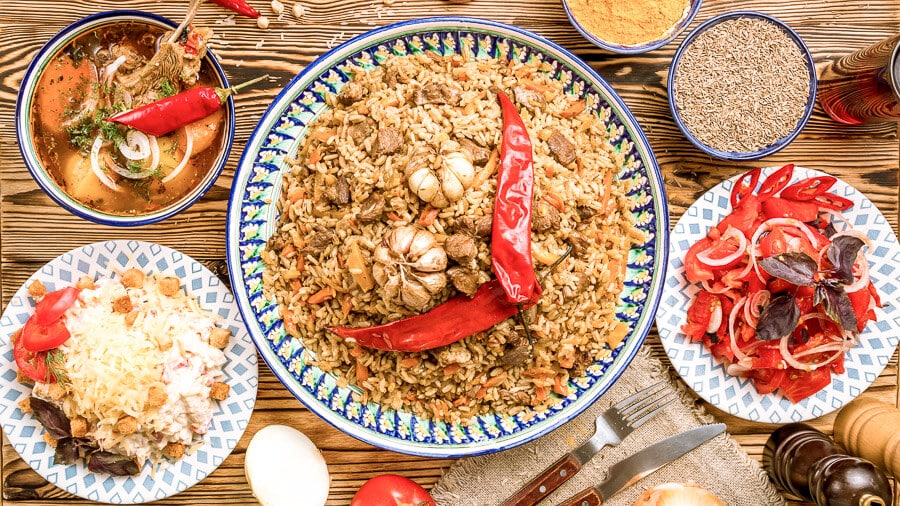

Food is a universal language that connects people from all corners of the world. For travelers, culinary tourism has become an essential part of the adventure—an immersive experience that provides deeper insights into the culture, history, and traditions of a destination. Travelers no longer just seek to visit famous landmarks or beautiful landscapes; they are increasingly eager to discover the heart of a place through its local cuisine.
From street food in bustling cities to gourmet experiences in remote villages, the act of sampling local dishes and traditional recipes is a journey of discovery, as it allows tourists to interact with local culture in a visceral way. In this article, we will explore the significance of culinary tourism, why food is such an important part of cultural exploration, how travelers can immerse themselves in a destination’s culinary world, and why food has become one of the most powerful ways to experience a place.
1. The Rise of Culinary Tourism
1.1. What is Culinary Tourism?
Culinary tourism, often referred to as food tourism, is the act of traveling for the primary purpose of experiencing a destination’s food and drink culture. It involves engaging with the local food scene—whether through eating at street stalls, taking cooking classes, visiting local markets, or attending food festivals.
At its core, culinary tourism is not just about tasting food; it’s about gaining an understanding of the region’s history, traditions, agriculture, and cultural practices. By savoring local specialties, travelers get a sense of how geography, climate, and history have influenced the culinary landscape of a region.
In recent years, culinary tourism has grown tremendously, with many travelers seeing food as an essential part of their journey. Destinations are increasingly embracing this trend, offering food-focused tours, culinary festivals, and gastronomic experiences to attract visitors.
1.2. Why Is Food an Important Cultural Experience?
Food is often a reflection of a region’s identity. It tells the story of the land and its people, weaving together influences from indigenous traditions, colonial history, and trade routes. In many cultures, meals are more than just sustenance; they are an expression of community, family, and heritage. A single dish can reveal much about a place’s social values, religious beliefs, and economic practices.
For example, the ingredients of Italian cuisine are deeply connected to the Mediterranean landscape, where olive oil, tomatoes, and herbs like basil thrive. Japanese sushi, on the other hand, reflects the importance of freshness and respect for the seasons, with an emphasis on simplicity and quality.
When travelers indulge in these dishes, they are not just tasting food—they are tasting the culture and history of a place. The combination of flavors, textures, and preparation techniques is a window into a destination’s soul.
2. How to Explore Local Food Culture While Traveling
2.1. Exploring Street Food
One of the best ways to dive into the local food culture is through street food. In many cities around the world, the street food scene provides an affordable, authentic, and accessible way to experience the culture. From tacos in Mexico City to satay in Bangkok, street food allows travelers to sample a variety of dishes, often made right in front of them by local vendors.
Street food is also where you’ll often find the most authentic recipes passed down through generations. These dishes are often the heart and soul of a region’s culinary culture, reflecting local tastes, traditions, and cooking techniques that have been perfected over centuries.
When venturing into the street food scene, travelers should be mindful of the hygiene standards of vendors. A quick tip for ensuring safety is to go to stalls with long lines or crowded places, as they are usually indicators of the quality and popularity of the food.
2.2. Visiting Local Markets
Exploring local markets is another fantastic way to experience a destination’s food culture. Markets are not only great places to buy fresh ingredients, but they also offer an immersive experience of a community’s food traditions. At a market, you can interact with local vendors, learn about regional ingredients, and even pick up tips for cooking traditional dishes.
In markets across the world—whether it’s La Boqueria in Barcelona or Tsukiji Fish Market in Tokyo—you can find a variety of local products, from fresh produce and spices to meats, cheeses, and seafood. Many markets also have food stalls that serve traditional snacks, offering a taste of authenticity.
Engaging with the vendors and asking questions about the origins of certain foods or how to prepare specific dishes can deepen a traveler’s understanding of the culture and enrich their overall experience.
2.3. Attending Culinary Classes
For travelers who want to learn more than just how to eat, cooking classes offer the perfect opportunity to dive deeper into the culinary heritage of a region. Many destinations offer cooking workshops where travelers can learn to prepare traditional dishes with the guidance of local chefs.
Taking a cooking class can help travelers understand the techniques, ingredients, and preparation methods that make a dish unique. Whether it’s making handmade pasta in Tuscany, crafting sushi in Japan, or preparing a traditional Indian curry, cooking classes allow visitors to not only taste but also recreate the culinary delights of a destination.
In addition to the cooking aspect, these classes often incorporate lessons on the cultural significance of food, making them an educational experience as well as a fun, hands-on adventure.
2.4. Attending Food Festivals and Events
Food festivals provide a fantastic opportunity for travelers to experience a variety of local dishes in one location. Whether it’s the Truffle Festival in Alba, Oktoberfest in Munich, or the Melbourne Food and Wine Festival, these events are a celebration of food culture that bring together top chefs, local producers, and food enthusiasts from around the world.
During these festivals, travelers can sample signature dishes, watch cooking demonstrations, and participate in food-related activities, all while learning about the traditions and stories behind the food. Festivals often showcase seasonal ingredients and celebrate the cultural diversity of the region.
Food festivals offer not only a chance to indulge in regional specialties but also to engage with other food lovers and locals, creating connections through the shared joy of eating.
3. The Role of Food in Promoting Cultural Exchange
3.1. Fostering Cross-Cultural Understanding
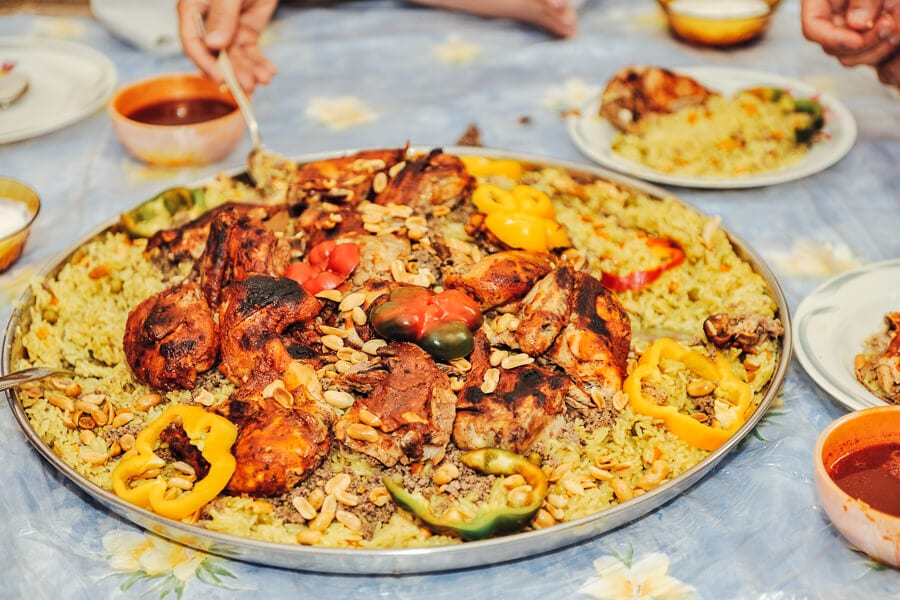
Food is a powerful tool for cultural exchange. When travelers engage with the food of a destination, they are often exposed to new ideas, values, and traditions. The act of sharing a meal can create a sense of connection that transcends language barriers, fostering understanding and respect for different cultures.
Food can also bridge divides between communities and bring awareness to issues like sustainable farming, food security, and environmental conservation. As more destinations focus on responsible tourism, food-based initiatives are being used to promote local sustainability and cultural preservation.
3.2. The Power of Food as a Cultural Ambassador
Food has long been a cultural ambassador—an introduction to the essence of a region. Whether it’s through a spicy curry from India, a delicate pastry from France, or a hearty stew from Ireland, food carries with it the flavors of a culture’s history and heritage. For travelers, experiencing a destination’s cuisine provides an authentic window into the local lifestyle, traditions, and values.
In many ways, food is the easiest and most enjoyable way to break down cultural barriers. Travelers can engage with local chefs, farmers, and families, learning about the customs and practices that shape their everyday lives.
4. Sustainable and Ethical Considerations in Culinary Tourism
4.1. Supporting Local Producers and Farmers
In the world of culinary tourism, supporting local producers and farmers is essential for ensuring that food tourism has a positive impact on the destination. Buying local ingredients and participating in food-focused experiences that emphasize sustainability and ethical sourcing helps support the region’s economy and promotes environmental responsibility.
Many travelers are now opting for farm-to-table experiences, where they can visit local farms and see firsthand how food is grown and produced. These experiences not only provide fresh, high-quality food but also promote a deeper understanding of sustainable farming practices.
4.2. Reducing Food Waste
Another important consideration in culinary tourism is food waste. As food tourism grows, there is a growing awareness of the environmental and social impact of food waste. Many restaurants, markets, and food events are now adopting practices to reduce waste by offering smaller portions, composting food scraps, and utilizing leftovers in creative ways.
Travelers can also play a role by being mindful of portion sizes and avoiding unnecessary food waste while on their journey.
5. Conclusion: The Future of Culinary Tourism
Culinary tourism has become an integral part of the travel experience, allowing travelers to explore the cultural and historical significance of a destination through its food. From street food to fine dining, cooking classes, and food festivals, these experiences provide a deep connection to the local culture and community.
As travelers become more conscious of their impact on the world, there is also a growing focus on sustainability, ethical sourcing, and supporting local communities. The future of culinary tourism will likely be shaped by a continued emphasis on responsible and authentic food experiences that promote cultural exchange, sustainability, and the preservation of food traditions.
So, next time you embark on a journey, consider the flavors, dishes, and ingredients that make up the tapestry of the place you’re visiting. Embrace the culinary adventure, and let your taste buds be the gateway to a deeper understanding of the world.