




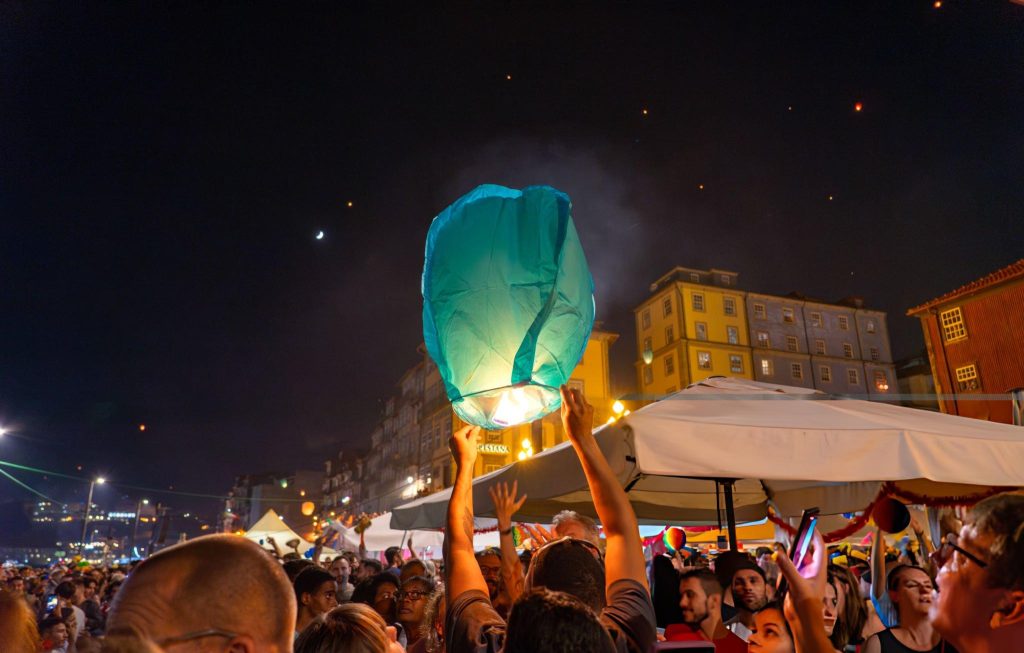

Introduction: Beyond Sightseeing—Toward Cultural Understanding
In an increasingly interconnected world, travel has evolved far beyond the simple act of visiting famous landmarks or collecting photographs of iconic destinations. Modern travelers are no longer satisfied with surface-level encounters; instead, they seek meaningful cultural engagement—experiences that foster understanding, empathy, and genuine human connection. The idea of “deeply understanding local culture” has emerged as one of the most influential concepts in contemporary travel, education, and global citizenship.
To engage deeply with local culture is not merely to observe traditions from a distance, but to experience how people live, think, celebrate, work, and remember. It involves learning the values that shape daily routines, the stories embedded in rituals, and the social norms that guide interpersonal relationships. Such cultural immersion transforms travel into a form of learning and self-reflection, where the destination becomes a teacher rather than a spectacle.
This article offers a comprehensive and professionally grounded exploration of deep cultural understanding through unique local experiences. It examines the theoretical foundations of cultural immersion, practical forms of engagement, ethical considerations, psychological impacts, and the role of culture in shaping identity. By doing so, it aims to provide readers with a clear framework for discovering and appreciating local cultures in a respectful, informed, and enriching way.
1. Defining Local Culture: A Multidimensional Concept
1.1 What Is “Local Culture”?
Local culture is not a single, static entity. It is a dynamic system composed of language, customs, beliefs, social structures, artistic expressions, foodways, and shared historical memory. Culture manifests in both visible and invisible forms—from architecture and clothing to values, humor, and concepts of time.
Understanding local culture requires recognizing that:
- Culture is learned, not inherited
- Culture changes over time
- Culture varies within communities
Thus, deep cultural exploration demands attentiveness to nuance and diversity rather than reliance on stereotypes.
1.2 Tangible and Intangible Cultural Elements
Cultural experiences can be divided into two broad categories:
- Tangible culture: physical artifacts such as buildings, crafts, tools, artworks, and clothing
- Intangible culture: practices and expressions including language, music, rituals, oral traditions, and social customs
While tangible culture is often easier to access, intangible culture is where deeper understanding often resides.
2. The Shift from Tourism to Cultural Engagement
2.1 From Observation to Participation
Traditional tourism tends to position travelers as observers. Cultural immersion, by contrast, encourages participation. This shift reflects broader changes in traveler expectations, driven by education, media exposure, and a growing awareness of global interdependence.
Participation may include:
- Joining local festivals
- Learning traditional crafts
- Sharing meals with residents
- Engaging in everyday activities
Through participation, travelers gain insight into the rhythms and values of local life.
2.2 Experience Economy and Meaningful Travel
The rise of the experience economy has reshaped how people evaluate value. Experiences that offer emotional resonance, personal growth, and authenticity are increasingly prized over material consumption. Cultural experiences, when approached with sincerity, meet these criteria by offering depth, context, and narrative.
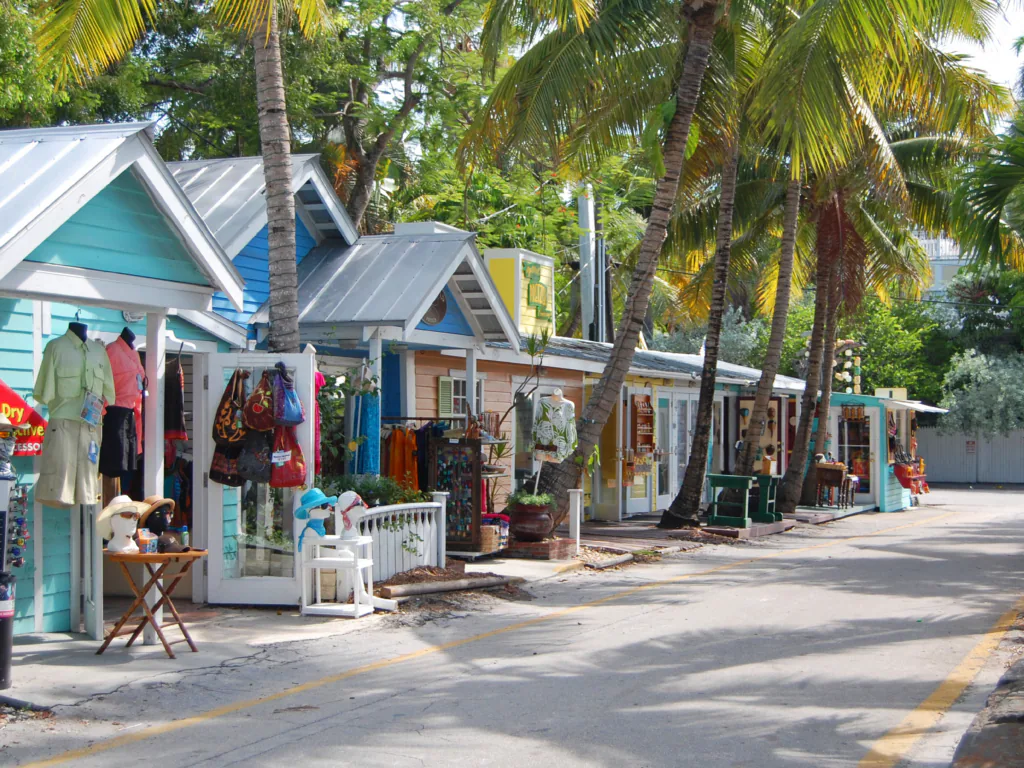
3. Why Deep Cultural Understanding Matters
3.1 Personal Growth and Self-Awareness
Engaging deeply with another culture often challenges assumptions and habitual ways of thinking. Travelers encounter alternative perspectives on family, work, success, spirituality, and community. These encounters can lead to:
- Increased self-awareness
- Greater emotional intelligence
- Enhanced adaptability
In this sense, cultural exploration becomes a mirror through which individuals better understand themselves.
3.2 Building Empathy and Global Awareness
Cultural immersion fosters empathy by humanizing difference. When travelers move beyond abstract ideas and interact with real people in their social contexts, cultural “others” become neighbors, teachers, and friends. This shift is essential in a world facing shared global challenges that require cooperation and mutual understanding.
3.3 Preserving Cultural Diversity
Thoughtful engagement with local culture can contribute to cultural preservation. By valuing traditional knowledge, crafts, and practices, travelers help create economic and social incentives for communities to sustain their heritage—provided this engagement is ethical and respectful.
4. Forms of Unique Cultural Experiences
4.1 Daily Life Participation
One of the most powerful ways to understand a culture is through everyday life. Participating in routine activities—shopping at local markets, commuting, cooking, or attending neighborhood gatherings—reveals cultural norms that are often invisible to short-term visitors.
Such experiences highlight:
- Social hierarchies and roles
- Concepts of hospitality
- Attitudes toward time and work
Daily life participation emphasizes continuity rather than performance.
4.2 Culinary Culture as Cultural Expression
Food is a universal yet deeply cultural medium. Local cuisines encode geography, history, climate, and social structure. Sharing meals with locals, learning traditional recipes, or observing food preparation methods provides insight into:
- Agricultural practices
- Family structures
- Religious or symbolic meanings
Culinary experiences often serve as accessible entry points into deeper cultural understanding.
4.3 Festivals, Rituals, and Ceremonies
Festivals and rituals concentrate cultural meaning into time-bound events. They express collective memory, belief systems, and social values through music, dance, costume, and ceremony.
To engage meaningfully with such events, travelers must:
- Understand cultural context
- Respect boundaries and sacred elements
- Observe with humility rather than entitlement
When approached thoughtfully, rituals offer profound insights into communal identity.
4.4 Language and Communication
Language is more than a communication tool; it is a cultural framework that shapes how people think and relate to the world. Learning even basic phrases or expressions can significantly deepen cultural engagement by:
- Demonstrating respect
- Reducing social distance
- Revealing untranslatable concepts
Attention to body language, silence, and indirect communication is equally important in many cultures.
5. Cultural Landscapes and Place-Based Identity
5.1 Understanding Cultural Landscapes
Cultural landscapes are environments shaped by long-term interaction between humans and nature. Terraced fields, irrigation systems, sacred mountains, and historic neighborhoods all reflect cultural adaptation to place.
Exploring these landscapes on foot or through extended stays allows travelers to perceive:
- Environmental knowledge systems
- Land-use ethics
- Historical continuity
Culture, in this sense, is written into the land itself.
5.2 Rural and Indigenous Cultural Experiences
Rural and indigenous communities often maintain distinct cultural practices closely tied to ancestral knowledge. Engaging with these cultures requires heightened ethical awareness, as such communities may be vulnerable to exploitation or misrepresentation.
Responsible engagement emphasizes:
- Consent and transparency
- Fair economic exchange
- Respect for cultural autonomy
When approached ethically, these encounters can be deeply educational for both visitors and hosts.
6. Learning Through Cultural Skills and Crafts
6.1 Traditional Crafts as Knowledge Systems
Craft traditions—such as weaving, pottery, woodworking, or metalwork—embody generations of accumulated knowledge. Learning these skills offers insight into:
- Resource use and sustainability
- Symbolic patterns and aesthetics
- Apprenticeship-based learning models
Hands-on participation transforms abstract culture into embodied understanding.
6.2 Performing Arts and Oral Traditions
Music, dance, and storytelling play central roles in transmitting cultural memory. Participating in workshops or attending local performances reveals how communities preserve identity and respond creatively to change.
These art forms often reflect social values such as cooperation, respect for elders, or communal joy.
7. Ethical Dimensions of Cultural Experience
7.1 Avoiding Cultural Consumption
One of the greatest challenges in cultural travel is avoiding the reduction of culture to a consumable product. Cultural experiences should not be treated as entertainment detached from social context.
Ethical engagement requires:
- A willingness to learn rather than judge
- Sensitivity to power imbalances
- Recognition of cultural ownership
7.2 Respect, Reciprocity, and Responsibility
Deep cultural understanding is built on reciprocity. Travelers receive knowledge, hospitality, and insight; in return, they owe respect, fair compensation, and responsible representation.
This includes:
- Supporting local economies
- Following community guidelines
- Reflecting accurately on experiences
8. Psychological and Emotional Dimensions of Cultural Immersion
8.1 Cultural Discomfort and Growth
Deep cultural engagement often involves discomfort—confusion, misunderstanding, or emotional vulnerability. These moments are not failures but opportunities for growth. Navigating difference builds resilience, humility, and intercultural competence.
8.2 Identity and Perspective Transformation
Extended cultural immersion can reshape identity. Travelers may reconsider previously held beliefs or adopt new values. This transformation is often gradual and continues long after the journey ends.
9. The Role of Time in Cultural Understanding
9.1 Slow Engagement Versus Short Visits
Time is a crucial factor in cultural understanding. Quick visits often capture only performative aspects of culture, while extended stays allow patterns, contradictions, and deeper meanings to emerge.
Spending time in one place enables:
- Trust-building
- Observation of change
- Integration into social rhythms
9.2 Repetition and Familiarity
Repeated exposure—returning to the same places, seeing familiar faces, participating in regular activities—deepens understanding. Culture reveals itself gradually through familiarity rather than novelty.
10. Technology and Cultural Discovery
10.1 Digital Tools as Cultural Bridges
Technology can support cultural learning through translation tools, digital archives, and community platforms. These resources help travelers access context and communicate more effectively.
10.2 Limits of Digital Mediation
However, deep cultural understanding ultimately depends on human interaction. Technology should support, not replace, direct engagement, presence, and listening.
11. Cultural Experience Across Different Contexts
11.1 Urban Cultural Complexity
Cities are layered cultural spaces where tradition and modernity intersect. Deep cultural experiences in urban settings often involve exploring neighborhoods, community spaces, and everyday interactions rather than major attractions alone.
11.2 Migration and Hybrid Cultures
Many local cultures today are shaped by migration and exchange. Understanding these hybrid identities requires openness to complexity and rejection of simplistic cultural narratives.
12. The Future of Cultural Experience
12.1 Cultural Experience as Education
Cultural immersion is increasingly recognized as a form of informal education, contributing to intercultural literacy and global competence. Educational institutions and organizations are integrating cultural experience into learning frameworks.
12.2 Sustainability and Cultural Resilience
As global pressures increase, sustaining cultural diversity requires careful balance. Travelers, policymakers, and communities must work together to ensure that cultural experiences support resilience rather than erosion.
Conclusion: Culture as a Living Encounter
To deeply understand local culture is to engage with humanity in its most nuanced and meaningful forms. Culture is not a performance staged for visitors, nor a static relic of the past. It is a living process—created daily through relationships, choices, and shared meanings.
By seeking unique cultural experiences with humility, patience, and respect, travelers move beyond passive observation toward genuine connection. They learn not only about others, but also about themselves and their place in a diverse world.
In this way, deep cultural understanding becomes more than a travel goal. It becomes a practice of listening, learning, and relating—one that enriches both the journey and the traveler long after the destination has faded from view.