




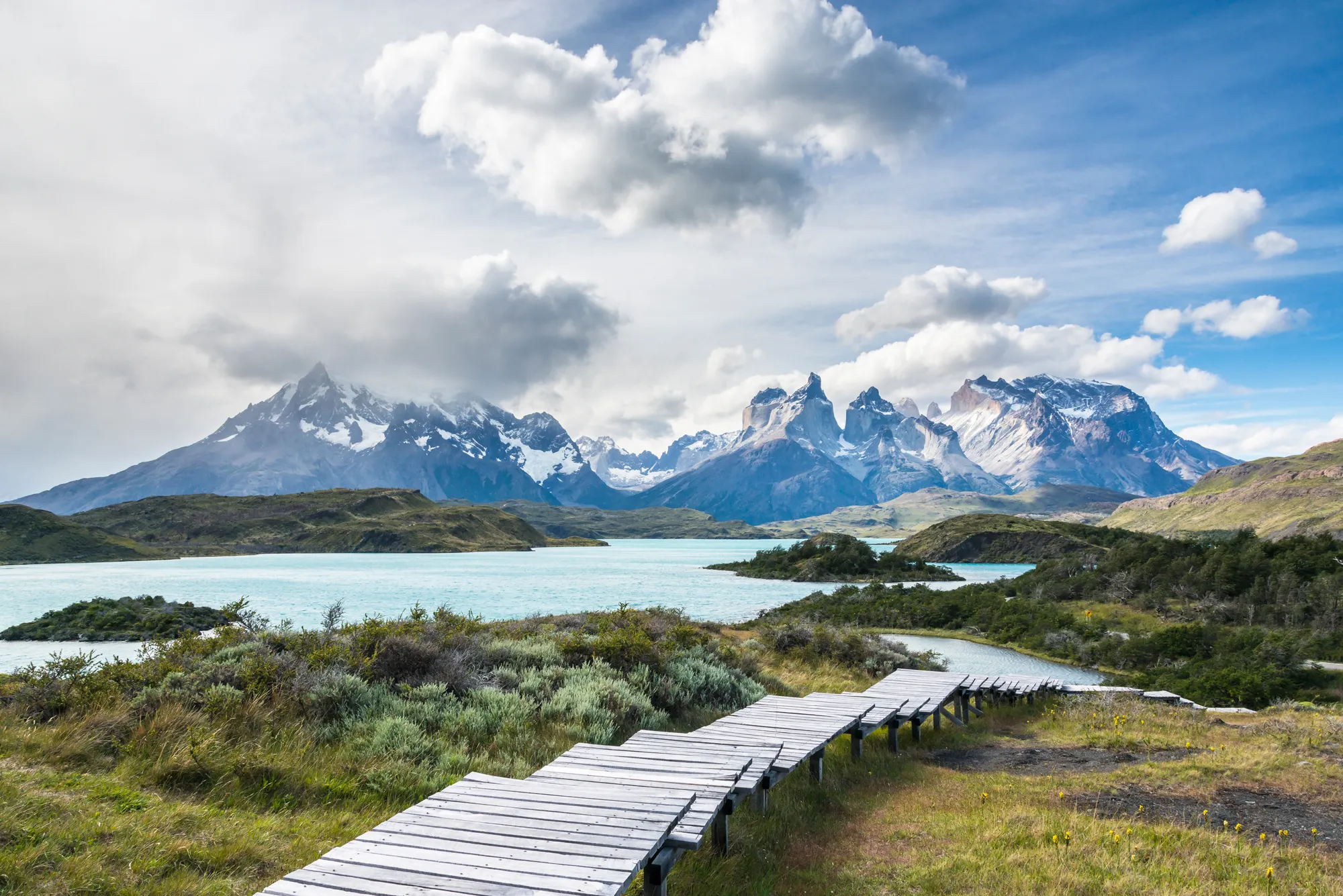

Introduction: Why Hiking Continues to Captivate Modern Travelers
In an age dominated by speed, technology, and constant connectivity, hiking stands out as a travel form defined by slowness, simplicity, and direct engagement with the world. To walk through landscapes using one’s own strength, guided by terrain rather than timetable, is a deeply human activity—one that predates written history and yet feels increasingly relevant today. Hiking is not merely a recreational pastime or a physical exercise; it is a way of traveling that reshapes perception, reconnects people with nature, and restores balance between body and mind.
For many travelers, hiking represents freedom. It removes the barriers imposed by vehicles, infrastructure, and rigid itineraries, replacing them with rhythm, awareness, and adaptability. Trails become narratives, landscapes become teachers, and distance becomes something felt rather than measured. This article explores hiking as a highly attractive form of travel, examining its physical, psychological, cultural, environmental, and experiential dimensions from a professional and holistic perspective.
Rather than focusing on specific destinations or technical instructions, this essay analyzes why hiking resonates so strongly with travelers across cultures and generations, and how it functions as a meaningful approach to exploration in the contemporary world.
1. Hiking as the Most Fundamental Form of Travel
1.1 Walking Before Transportation
Long before roads, vehicles, or maps, humans explored the world on foot. Migration, trade, storytelling, and cultural exchange were all shaped by walking. Hiking, in this sense, is not an invented activity—it is a continuation of humanity’s original mode of movement.
When travelers hike, they participate in a tradition as old as civilization itself. This historical continuity gives hiking a depth of meaning that transcends trends or tourism fashions.
1.2 The Pace of the Human Body
Hiking moves at the pace of the human body rather than machines. This pace:
- Allows detailed observation of surroundings
- Encourages natural rest and reflection
- Aligns movement with breathing and heartbeat
At walking speed, landscapes unfold gradually, offering time for interpretation rather than consumption.
2. The Appeal of Hiking in a Fast-Paced World
2.1 Escape From Acceleration
Modern life is characterized by acceleration—faster communication, faster travel, faster decision-making. Hiking offers a deliberate counterpoint. By slowing down, hikers reclaim time not as a resource to be optimized, but as an experience to be inhabited.
This contrast explains much of hiking’s appeal: it restores a sense of control over pace, something increasingly rare in daily life.
2.2 Simplicity as Luxury
Hiking often requires little more than basic equipment, water, and awareness. This simplicity feels liberating in a world of constant consumption. For many travelers, the absence of excess becomes a form of luxury—one defined by clarity rather than comfort.
3. Physical Engagement and Embodied Experience
3.1 Movement as Exploration
Unlike passive sightseeing, hiking demands physical participation. Muscles engage, balance adjusts, and posture responds to terrain. This physical involvement transforms landscapes from visual scenes into lived environments.
Travelers remember hiking experiences not only as images, but as sensations:
- The resistance of a steep ascent
- The rhythm of footsteps on gravel
- The relief of reaching a summit or clearing
3.2 Health and Endurance
Hiking supports physical well-being by improving cardiovascular health, strength, coordination, and endurance. Unlike repetitive gym exercises, hiking engages the body dynamically, responding to varied terrain and conditions.
Importantly, hiking encourages sustainable movement rather than performance-driven exertion, making it accessible to diverse age groups and fitness levels.
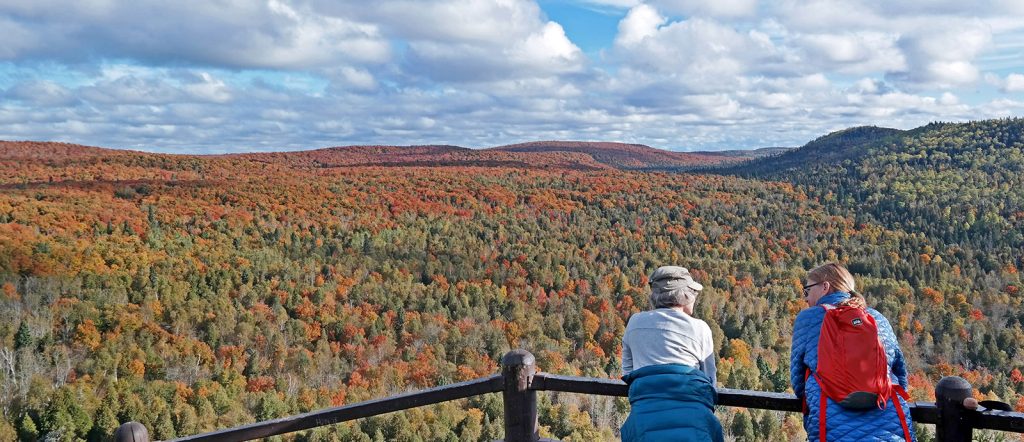
4. Psychological Benefits of Hiking
4.1 Mental Clarity and Stress Reduction
Numerous studies suggest that time spent walking in natural environments reduces stress, anxiety, and mental fatigue. Hiking combines physical activity with immersion in natural settings, amplifying these benefits.
The repetitive motion of walking often induces a meditative state, allowing thoughts to settle and perspective to expand.
4.2 Attention Restoration
Urban environments demand constant directed attention—traffic, screens, schedules. Natural trails, by contrast, engage involuntary attention through gentle stimuli such as wind, light, and sound. This process restores cognitive capacity and improves emotional balance.
5. Hiking and Deep Connection With Nature
5.1 Immersion Rather Than Observation
Hiking places travelers inside nature rather than in front of it. Instead of viewing landscapes from vehicles or platforms, hikers experience:
- Changing weather conditions
- Shifts in altitude and vegetation
- Sounds and textures of the environment
This immersion fosters respect and understanding rather than detachment.
5.2 Seasonal and Environmental Awareness
Hiking heightens awareness of natural cycles. Trails change with seasons, light varies by hour, and ecosystems reveal their complexity through close observation. Over time, hikers develop environmental literacy—an understanding of how landscapes function and respond to change.
6. Cultural Dimensions of Hiking
6.1 Trails as Cultural Pathways
Many hiking routes follow ancient paths once used for trade, pilgrimage, or communication. Walking these trails connects travelers with historical patterns of movement and exchange.
Even modern trails often pass through rural areas, villages, and working landscapes, offering insight into local ways of life beyond tourist centers.
6.2 Respectful Cultural Encounter
Hiking encourages humility. Travelers move slowly, depend on local conditions, and often rely on local knowledge. This dynamic fosters respectful engagement with host communities and reduces the sense of cultural intrusion sometimes associated with mass tourism.
7. Hiking as a Tool for Self-Discovery
7.1 Solitude and Reflection
Many hikers value solitude—not as isolation, but as space for reflection. Extended walking creates mental openness, allowing travelers to examine thoughts, priorities, and emotions without constant distraction.
This reflective quality explains why hiking is often associated with life transitions, creative thinking, and personal growth.
7.2 Challenge and Resilience
Hiking inevitably involves discomfort: fatigue, weather changes, navigation uncertainty. Overcoming these challenges builds resilience and confidence. Success is measured not by speed or competition, but by persistence and adaptability.
8. Social Aspects of Hiking
8.1 Shared Experience and Bonding
When done in groups, hiking fosters strong social bonds. Shared effort, mutual support, and collective problem-solving create connections deeper than casual social interaction.
Conversation during hiking often flows more naturally, aided by movement and absence of formal settings.
8.2 Community on the Trail
Hiking culture often includes informal camaraderie among strangers. Simple gestures—greetings, shared information, mutual assistance—create a sense of temporary community rooted in shared purpose.
9. Hiking and Sustainable Travel
9.1 Low Environmental Impact
Compared to many forms of tourism, hiking has a relatively low environmental footprint. It requires minimal infrastructure, produces limited emissions, and encourages conservation awareness.
When practiced responsibly, hiking aligns closely with sustainable travel principles.
9.2 Supporting Local Economies
Hiking tourism often benefits rural regions through:
- Local accommodations
- Small food providers
- Guiding and conservation services
This decentralized economic impact contrasts with concentrated mass tourism models.
10. Types of Hiking Experiences
10.1 Day Hikes and Short Walks
Short hikes offer accessible entry points for travelers, providing nature immersion without extensive planning. They are ideal for integrating hiking into broader travel itineraries.
10.2 Multi-Day Treks
Longer treks deepen engagement by extending time in a landscape. They emphasize rhythm, self-sufficiency, and adaptation, creating immersive experiences that reshape perception of distance and time.
10.3 Urban and Cultural Hiking
Hiking is not limited to wilderness. Urban walking routes, historical paths, and cultural trails demonstrate that hiking is a mindset as much as a location-based activity.
11. The Aesthetic Dimension of Hiking
11.1 Landscape as Narrative
Hiking reveals landscapes sequentially rather than instantaneously. Views emerge gradually, creating anticipation and narrative flow. This unfolding enhances aesthetic appreciation and emotional impact.
11.2 Sensory Richness
Beyond sight, hiking engages smell, sound, and touch. These sensory inputs deepen memory formation and emotional resonance, making hiking experiences especially enduring.
12. Technology and Hiking
12.1 Tools That Support Awareness
Maps, navigation devices, and weather information enhance safety and confidence. When used thoughtfully, technology supports rather than replaces engagement with the environment.
12.2 Preserving Presence
Excessive screen use can undermine hiking’s benefits. Many hikers intentionally limit digital distractions, using technology selectively to preserve attentiveness and immersion.
13. Accessibility and Inclusivity in Hiking
13.1 Diverse Abilities and Experiences
Hiking can be adapted to different abilities through trail design, pacing, and support. Accessibility initiatives expand participation while maintaining respect for natural environments.
13.2 Redefining Achievement
Hiking culture increasingly emphasizes personal experience over external metrics. Success is defined by engagement, enjoyment, and connection rather than distance or difficulty alone.
14. Hiking Across Cultures and Regions
14.1 Universal Practice, Local Expression
While walking is universal, hiking traditions vary widely. Cultural attitudes toward nature, risk, and leisure shape how hiking is practiced and understood in different regions.
14.2 Learning Through Comparison
Experiencing hiking in different cultural contexts broadens understanding of human–nature relationships and challenges assumptions about landscape use and value.
15. Hiking as a Response to Modern Challenges
15.1 Mental Health and Well-Being
As mental health concerns grow globally, hiking offers a non-intrusive, accessible form of restoration that integrates movement, environment, and autonomy.
15.2 Reconnecting With the Physical World
In an increasingly virtual society, hiking restores direct engagement with the physical world. It reaffirms the body as a tool of perception and movement, grounding experience in reality.
Conclusion: Why Hiking Remains So Attractive
Hiking is compelling because it speaks to fundamental human needs: movement, curiosity, connection, and meaning. It strips travel down to its essentials—body, landscape, time—and in doing so, reveals depth often obscured by speed and convenience.
As a form of travel, hiking does not promise spectacle or instant gratification. Instead, it offers presence, continuity, and understanding. It allows travelers to experience places not as destinations to be consumed, but as environments to be entered respectfully and attentively.
In a world that often encourages distance from nature and from ourselves, hiking remains powerful precisely because it brings us back—step by step—to a more grounded, aware, and meaningful way of moving through the world.