





Introduction: The Emergence of Multi-City Travel
In today’s fast-paced world, the modern traveler is constantly seeking more dynamic and immersive experiences. Gone are the days when one trip meant staying in one city for the entire duration of the journey. The concept of multi-city travel, where travelers visit multiple cities during one trip, is becoming an increasingly popular choice for those who wish to maximize their time and explore various destinations in a single holiday. This travel trend has evolved from a niche market for backpackers and adventurous globetrotters to a mainstream phenomenon accessible to all types of travelers.
Whether you’re a seasoned explorer looking to venture beyond the typical tourist destinations, a business traveler looking to extend your work trip with a little leisure, or a family looking for diverse experiences, multi-city travel offers something for everyone. With the rise of low-cost airlines, flexible accommodation options, and innovative travel tools, visiting several cities in one trip has never been easier.
This article explores the growing trend of multi-city travel, its numerous benefits, challenges, and tips on how to plan a seamless, efficient, and enjoyable multi-city itinerary. From the practical advantages of city hopping to how it can enrich the travel experience, we delve into why this style of travel is becoming a preferred choice for travelers worldwide.
The Appeal of Multi-City Travel
1. Diverse and Rich Experiences in One Journey
One of the most significant advantages of multi-city travel is the opportunity to experience a wide variety of cultures, landscapes, and atmospheres in one trip. While each city has its own unique identity, multi-city travel allows travelers to juxtapose these cities, giving them a broader sense of the region or country.
For example, a traveler visiting Europe might explore Paris for its art, culture, and cuisine, then travel to Amsterdam to experience its canals, historic architecture, and laid-back vibe, before concluding the trip in Barcelona with its sunny weather, modernist architecture, and beachside relaxation. This blend of diverse cities in one journey allows travelers to enjoy contrasting experiences, enriching their travel with variety and depth.
Moreover, multi-city travel can cater to specific interests. A wine enthusiast might plan an itinerary around Bordeaux, Tuscany, and La Rioja, while an architecture lover might explore Rome, Florence, and Barcelona. This ability to tailor the trip to your interests is one of the many reasons why this type of travel is becoming so popular.
2. Cost Efficiency and Time Optimization
While many assume that visiting multiple cities would be expensive, it can often be a cost-effective way to travel. Thanks to budget airlines and train networks that connect major cities, multi-city travel can save travelers money compared to booking separate trips.
Many low-cost carriers such as Ryanair, EasyJet, and Southwest Airlines provide affordable options for inter-city travel, making it easy to hop from one city to the next without breaking the bank. Moreover, booking multi-city flights through major airlines often leads to discounts, as travelers can book an entire itinerary in one go. The ability to plan in advance and secure competitive prices also contributes to the affordability of multi-city travel.
In terms of time optimization, multi-city trips eliminate the need for extended travel days between cities. Rather than taking separate flights to distant destinations, travelers can move seamlessly from one city to another with minimal downtime. This allows them to make the most of their vacation days, enjoying more time at each destination rather than spending it on transit.
3. Cultural Immersion Across Cities
One of the most significant draws of multi-city travel is the chance to immerse oneself in the cultural diversity of a region or country. Instead of staying in one city and experiencing only one facet of the local culture, multi-city trips allow you to experience several cultural narratives within a short period.
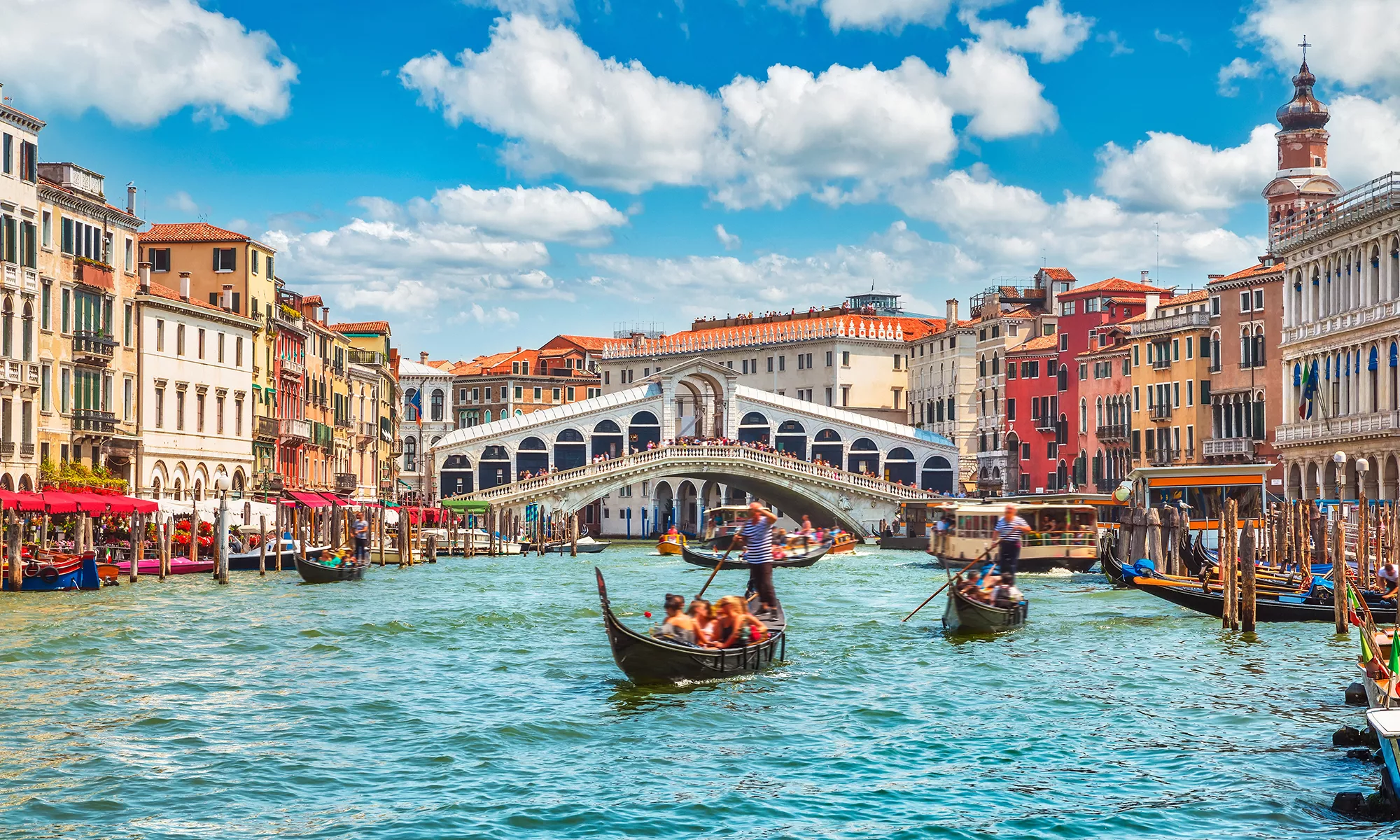
For example, in Italy, you can start with the historical depth of Rome, move to the artistic legacy of Florence, and then soak in the romantic ambiance of Venice. Each of these cities offers distinct experiences, from exploring ancient ruins in Rome to indulging in the art galleries of Florence and cruising the canals of Venice.
This variety gives travelers the opportunity to engage in different activities, try a range of regional cuisines, explore contrasting architecture, and learn from the various local customs. By the time the journey is over, travelers gain a much broader understanding of the country, far beyond the narrow lens of one destination.

4. Increased Flexibility and Customization
Thanks to the rise of technology, planning multi-city trips has never been easier. Travelers now have access to advanced travel tools and apps that help them plan seamless itineraries with multiple stops. From flight bookings to accommodation reservations and activity planning, digital platforms like Google Flights, TripIt, Rome2Rio, and Skyscanner allow users to compare options, book tickets, and build customized itineraries without the hassle of traditional travel agents.
This flexibility gives travelers more control over their itineraries, allowing them to select destinations based on personal preferences, such as budget, weather, activities, or interests. Whether you’re looking for major cities with lots of tourist attractions or smaller, lesser-known gems, multi-city travel provides a wealth of options to personalize your journey.
Moreover, the ability to plan your journey with multiple destinations allows for a more immersive experience. Rather than limiting yourself to one city, you can explore the different layers of a country, from its urban sophistication to its rural beauty.
5. Strengthened Memories and Connections
Multi-city travel allows for a more enriched experience by creating memories that span multiple cities, rather than focusing solely on one destination. Visiting several cities gives you the chance to compare, contrast, and reflect on the journey, often leading to a deeper emotional connection to the places you visit.
For example, after spending a few days in London, travelers might find themselves marveling at the architecture in Paris, and then soaking up the sunshine in Barcelona, all of which contribute to a varied and dynamic set of memories. The journey becomes more than just a trip; it transforms into an adventure, where each city holds a unique place in the traveler’s heart.
6. Supporting Sustainable Travel
An often-overlooked benefit of multi-city travel is its potential to support sustainable tourism practices. Multi-city itineraries, when planned thoughtfully, can help minimize the environmental impact of travel. For instance, taking a direct flight or a train route that connects multiple cities within a country or region reduces the carbon footprint compared to flying to one city and then taking several domestic flights.
Moreover, traveling within the same region (e.g., within the European Union or Southeast Asia) can promote more sustainable modes of transport, such as trains or buses, which are often more energy-efficient than flying. Travelers can also opt for eco-friendly accommodations or participate in eco-tourism initiatives, supporting local communities while minimizing their environmental footprint.
Best Destinations for Multi-City Itineraries
1. Europe: A Hub for City Hopping
Europe is perhaps the ultimate destination for multi-city travel, with well-connected rail systems, budget airlines, and an abundance of vibrant cities to choose from. Popular routes include:
- Paris – Amsterdam – Brussels: Explore the cultural richness of Paris, the canals of Amsterdam, and the charming neighborhoods of Brussels in one seamless journey.
- Barcelona – Madrid – Seville: Enjoy the cosmopolitan flair of Barcelona, the historic grandeur of Madrid, and the Andalusian charm of Seville.
- Rome – Florence – Venice: Delve into the heart of Italy by experiencing its ancient past in Rome, its artistic treasures in Florence, and its romantic canals in Venice.
2. Southeast Asia: Affordable and Adventurous
Southeast Asia is an excellent region for multi-city travel due to its geographical proximity and low-cost travel options. Popular itineraries include:
- Bangkok – Chiang Mai – Phuket: Explore the bustling streets of Bangkok, the serene temples of Chiang Mai, and the beaches of Phuket in one unforgettable journey.
- Hanoi – Ha Long Bay – Ho Chi Minh City: Discover the historical charm of Hanoi, the natural beauty of Ha Long Bay, and the modern vibrancy of Ho Chi Minh City.
3. United States: From Coast to Coast
The United States offers a variety of multi-city itineraries, catering to different interests. Notable routes include:
- New York – Washington D.C. – Boston: Immerse yourself in the cultural and historical gems of the Northeast.
- Los Angeles – San Francisco – Las Vegas: Experience the bright lights of Los Angeles, the tech hub of San Francisco, and the entertainment capital of Las Vegas.
4. Australia and New Zealand: A Natural Adventure
Australia and New Zealand offer some of the best natural landscapes for multi-city travel, with a mix of coastal cities, national parks, and vibrant urban centers. Popular itineraries include:
- Sydney – Melbourne – Great Barrier Reef: Explore Australia’s urban sophistication in Sydney and Melbourne, then dive into the natural wonder of the Great Barrier Reef.
- Auckland – Wellington – Queenstown: Experience New Zealand’s diverse landscapes, from the lively city of Auckland to the adventure capital of Queenstown.
Challenges of Multi-City Travel and How to Overcome Them
While multi-city travel offers numerous benefits, it does come with its challenges. The most common issues include:
- Logistics and Planning: With multiple destinations, coordinating flights, transportation, and accommodations can be complex. To mitigate this, use comprehensive travel planning tools and book all major travel components in advance.
- Exhaustion: Constantly moving between cities can be physically tiring. To avoid burnout, incorporate rest days into your itinerary and avoid over-scheduling your trip.
- Cost Management: Although multi-city travel can be cost-effective, it requires careful budgeting. Make use of deals, promotions, and loyalty programs to keep costs under control.
Conclusion: Embracing the Future of Travel
The growing trend of multi-city travel provides travelers with an unparalleled opportunity to explore more destinations, gain diverse cultural insights, and create more meaningful memories. Whether you’re planning an extended vacation, a business trip with a bit of leisure, or a spontaneous adventure, a multi-city journey offers a dynamic and enriching way to see the world.
By making use of advanced travel tools, budget-friendly transportation options, and a little bit of creativity, modern travelers can easily craft their ideal multi-city itinerary, one that balances adventure, relaxation, and culture in a seamless and rewarding experience. Embrace the trend and start planning your next multi-city adventure!