






Introduction: The Shift Toward Authentic Culinary Experiences
In the modern era of global travel, international chain restaurants have become ubiquitous. Whether you’re in Paris, Tokyo, or New York, the presence of well-known fast-food chains and global food brands is undeniable. While these restaurants provide familiarity and convenience for tourists, they have led to a significant shift in the way travelers experience food. Today, more and more people are turning their attention to local cuisine as a means of connecting with the culture, history, and traditions of the places they visit.
The rise of culinary tourism is reshaping the travel industry, with travelers opting for authentic dining experiences rather than settling for generic international offerings. They are increasingly seeking out street food, dining at family-owned restaurants, and engaging in food tours that highlight regional specialties. This shift reflects a deeper desire to understand and experience the essence of a destination, not just through its landmarks and attractions but through its food.
In this article, we will explore why travelers are increasingly focusing on local cuisine, the benefits of these experiences, and how such culinary adventures enrich the travel experience. We will also highlight some of the world’s best destinations for authentic food experiences, as well as tips for travelers looking to embrace local dining cultures.
The Globalization of Food and Its Impact on Tourism
1. The Rise of International Chain Restaurants
The global spread of international chain restaurants is a product of globalization and the increasing demand for consistency and familiarity. Chains like McDonald’s, Starbucks, KFC, and Pizza Hut can be found in virtually every major city around the world. They offer travelers a sense of comfort, especially in foreign countries where the local food might be unfamiliar or intimidating.
However, as these chains become more widespread, they contribute to the homogenization of the global food scene. Travelers seeking the same taste and experience across borders may miss out on the authentic flavors that truly define a destination. While these international brands offer convenience, they often fail to capture the local essence of a place.
2. A Growing Desire for Authenticity
In contrast to the global chain experience, many travelers are now focusing on seeking out authentic, local dining options. The shift is driven by a growing awareness that food is an integral part of a country’s identity and a gateway to understanding local culture. Authentic food experiences allow travelers to connect on a deeper level with the place they are visiting.
For instance, in Italy, a meal is not just about eating; it is an experience that involves sharing time with family and friends, savoring the flavors of fresh, seasonal ingredients, and following traditions passed down through generations. Likewise, in Thailand, street food stalls serve more than just quick bites—they offer a vibrant atmosphere that reflects the country’s history, values, and community spirit.
As travel becomes more about cultural immersion, food plays a central role in shaping meaningful and memorable experiences. In fact, for many travelers today, experiencing local cuisine is just as important—if not more so—than visiting historic landmarks or tourist attractions.
Why Travelers Are Focusing on Local Cuisine
1. Food as a Cultural Expression
Food is one of the most direct expressions of a culture’s identity. It tells stories of history, geography, and society. Every dish has a narrative, from the spices and herbs used in traditional Indian curry to the grilling techniques of Argentine barbecue (asado). These culinary traditions are deeply connected to the land, the climate, and the people who have lived there for centuries.
For example, Japanese sushi is not just about raw fish; it is a culmination of centuries of meticulous culinary evolution and the Japanese culture’s respect for nature and craftsmanship. In Mexico, tacos al pastor are a product of the fusion between indigenous ingredients and Middle Eastern influence, telling the story of cultural exchange over time. By embracing local food, travelers gain access to these cultural narratives that would otherwise remain untold.
2. The Appeal of Unique Flavors and Techniques
One of the major reasons travelers are gravitating toward local cuisine is the desire to taste something unique—flavors and dishes that cannot be replicated anywhere else. International chain restaurants may offer consistent and familiar meals, but they lack the distinctiveness that local foods provide. For instance, Moroccan tagine made with slow-cooked lamb and rich spices can only be fully appreciated when prepared in the traditional clay pot, in a local home or restaurant, using locally sourced ingredients.
Local cuisine is often tied to regional ingredients, which means that what’s available to eat in Bangkok might be very different from what’s found in Hanoi or Manila. Eating locally means savoring the freshest ingredients that are typically in season, and enjoying dishes that are rooted in regional cooking techniques passed down for generations.
For example, New Orleans gumbo is deeply connected to the local culture and geography, where French, African, and Spanish influences have melded over centuries. By experiencing such dishes, travelers not only satisfy their hunger but also engage in a form of historical exploration.
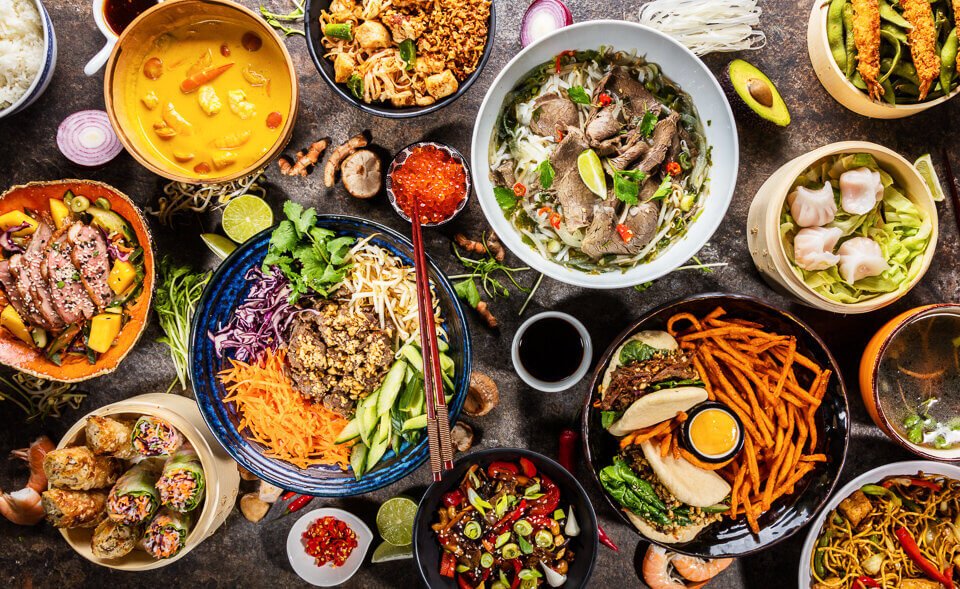
3. Sustainability and Support for Local Economies
Choosing local food over international chains is not only about experiencing authentic flavors; it’s also a more sustainable choice. International chain restaurants often rely on mass production and global supply chains, which can contribute to food waste, carbon emissions, and environmental degradation.
On the other hand, eating at locally-owned restaurants, markets, or street food stalls helps support local farmers, artisans, and small business owners. These small-scale businesses often focus on fresh, locally sourced ingredients, reducing the need for long-distance food transportation and contributing to community sustainability.
By choosing to dine at local establishments, travelers play an active role in boosting the local economy and promoting sustainability. Whether it’s eating at a family-run restaurant in the heart of Rome, buying fresh produce from a local market in Bali, or enjoying a home-cooked meal with a family in Peru, these decisions help support the livelihood of local communities.
4. Social and Cultural Connections
Another significant aspect of local cuisine is its ability to create social bonds and cultural connections. Dining is often a communal activity that brings people together, and food can serve as a medium through which travelers can connect with locals.
Food markets, street vendors, and family-run restaurants are places where tourists can interact with local chefs, vendors, and families. These spaces often encourage conversation, exchange of ideas, and sharing of traditions, enriching the travel experience. Food tours or cooking classes offer travelers the chance to connect with local chefs, learn about the history behind traditional dishes, and immerse themselves in the cooking process.
In destinations like Vietnam, where food is central to daily life, travelers can join a pho-making class or take a local market tour to explore the intricate process of creating the country’s iconic noodle soup. Similarly, India’s street food culture provides travelers with opportunities to meet local vendors, learn their craft, and indulge in dishes that carry centuries of tradition.
Best Destinations for Local Food Experiences
The world is brimming with destinations where travelers can indulge in authentic, local food. Below are some of the best places to experience the essence of local cuisine:
1. Thailand: The Street Food Capital
Thailand is a paradise for food lovers, offering a wide range of street food that reflects the country’s rich history and diverse influences. Whether it’s a simple bowl of pad Thai, a mango sticky rice, or a spicy green curry, Thai food is bursting with fresh, vibrant flavors. Bangkok and Chiang Mai are particularly famous for their street food, where vendors serve dishes made with seasonal, local ingredients.
2. Italy: A Journey Through Regional Flavors
From the pasta and pizza of Naples to the gelato of Florence, Italy offers a culinary adventure that varies by region. In Tuscany, travelers can sample exquisite wines and olive oils, while in Sicily, cannoli and arancini (stuffed rice balls) await. Italy is a country where food traditions are as old as the hills, and no visit would be complete without indulging in the flavors of each region.
3. Mexico: A Fusion of Ancient and Modern Flavors
Mexican cuisine is a fusion of ancient ingredients and cooking methods with colonial influences. Mexico City offers an incredible array of street food, from tacos al pastor to elotes (grilled corn). Oaxaca, known as the culinary capital of Mexico, offers a range of dishes like mole and tlayudas. Traveling through Mexico provides a deep dive into a world of complex flavors, spices, and traditional cooking techniques.
4. Japan: The Art of Simplicity and Perfection
Japanese food is a celebration of simplicity and seasonality. Whether it’s the fresh sushi in Tokyo or kaiseki (multi-course dining) in Kyoto, Japanese food is all about balance and respect for ingredients. Traveling to Japan offers a chance to explore the country’s culinary traditions, from ramen in Fukuoka to takoyaki (octopus balls) in Osaka.
5. Peru: A Culinary Revolution
Peruvian cuisine is a fusion of indigenous, Spanish, and African influences, and has gained international recognition in recent years. In Lima, travelers can explore the world of ceviche, pisco sour, and Andean potatoes, while in Cusco, you can taste alpaca meat and traditional andes cuisine. Peru’s culinary scene is a reflection of its diverse landscapes and cultures.
Conclusion: A New Era of Travel, One Plate at a Time
The trend toward experiencing local cuisine is part of a broader movement towards cultural immersion and authentic travel experiences. As travelers become more discerning about their dining choices, they are seeking not just food, but stories, traditions, and cultural connections that enrich their journey. Dining at international chain restaurants may provide familiarity, but the true essence of a destination is best explored through its local food.
By embracing street food, local markets, and family-run restaurants, travelers can support local economies, reduce their environmental footprint, and gain a deeper understanding of the cultures they visit. In a world increasingly dominated by globalized food chains, there has never been a better time to explore the richness of authentic, local cuisine—one meal at a time.