





Travel is a journey of discovery, and for many, the most profound and enriching experiences come from exploring the remnants of ancient civilizations. These civilizations, with their monumental achievements in architecture, art, science, and culture, offer travelers a unique opportunity to step into the past, to see the world through the eyes of those who shaped human history. From the Pyramids of Egypt to the Machu Picchu in Peru, ancient civilizations have left behind awe-inspiring structures, artifacts, and stories that continue to captivate modern-day travelers.
In this article, we will guide you through the best travel routes for discovering ancient civilizations across the globe, focusing on the historical significance, archaeological wonders, and cultural experiences each route offers. Whether you are a history enthusiast, an archaeology aficionado, or simply someone who appreciates the marvels of the ancient world, these travel routes will provide an immersive and enlightening journey.
The Importance of Exploring Ancient Civilizations
Understanding ancient civilizations goes beyond just visiting archaeological sites; it’s about connecting with the roots of human culture and seeing how past societies laid the groundwork for modern civilization. These civilizations left behind a wealth of knowledge that has shaped art, politics, philosophy, and technology.
- Cultural and Historical Insights: Traveling to ancient civilization sites allows visitors to understand how people lived, worked, and thought thousands of years ago. Exploring temples, cities, and monuments opens a window into the societal values, religious beliefs, and everyday life of the time.
- Architectural Marvels: Ancient civilizations were master builders, creating structures that were not only functional but also awe-inspiring. From the Pyramids of Egypt to the Colosseum in Rome, these structures demonstrate the advanced engineering skills of ancient peoples.
- The Evolution of Human Knowledge: Many ancient civilizations made remarkable contributions to science, mathematics, and philosophy. Travelers can visit the places where these ideas first emerged, such as the ancient libraries of Alexandria, or the mathematical innovations of the Mayans.
- A Deeper Connection to Heritage: For those with a deep interest in their own cultural heritage, visiting ancient civilizations offers a chance to connect with the past. For example, exploring the Greek Acropolis or the Roman Forum allows people to understand the foundational elements of Western civilization.
Best Ancient Civilization Travel Routes Around the World
1. Egypt: The Land of the Pharaohs
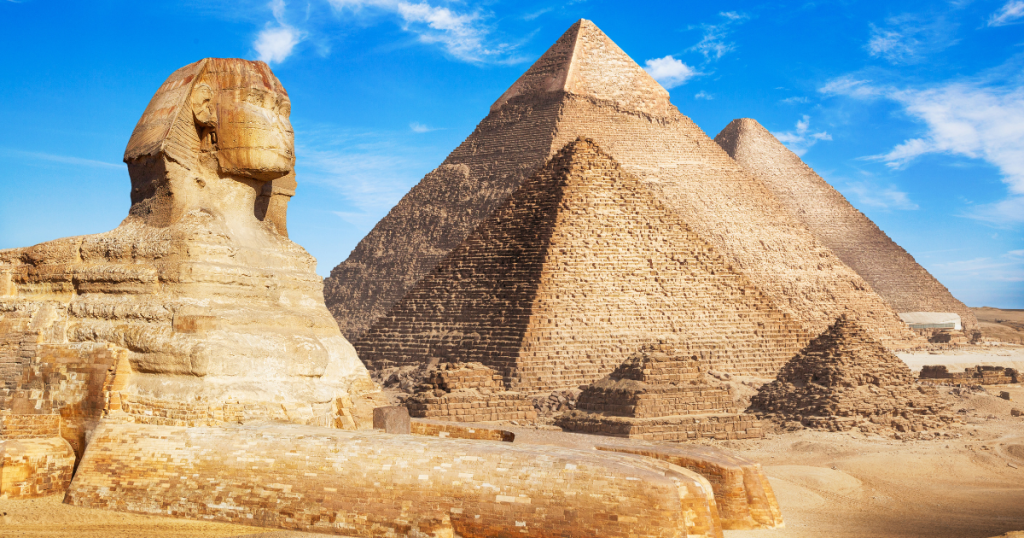
Egypt, often considered the cradle of civilization, offers some of the most iconic and well-preserved archaeological sites in the world. The Pyramids of Giza, the Sphinx, and the vast Nile River are just the beginning. Egypt’s rich history as the home of the pharaohs, the builders of the great pyramids, is brought to life in these ancient wonders.
- Giza Plateau and the Pyramids: The Great Pyramid of Giza, the only surviving wonder of the Seven Wonders of the Ancient World, is a must-see. Visitors can explore the tombs of the pharaohs, including the massive tomb of Khufu, as well as the Great Sphinx, a colossal limestone statue.
- Luxor: Known as the world’s greatest open-air museum, Luxor is home to the Valley of the Kings, where the tomb of Tutankhamun was discovered, as well as the Karnak Temple and the Temple of Luxor, showcasing the grandeur of ancient Egyptian religious sites.
- Aswan and Abu Simbel: Aswan, located near the southern border of Egypt, offers beautiful views of the Nile and houses the Philae Temple. Further south, the Abu Simbel temples, built by Ramses II, stand as a testament to Egypt’s architectural ingenuity.
Key Experience: A cruise down the Nile, stopping at ancient temples and tombs, provides an unforgettable experience of Egypt’s monumental heritage.
2. Greece: The Birthplace of Western Civilization
Greece’s profound influence on Western civilization is undeniable. With contributions to philosophy, democracy, art, and architecture, visiting ancient Greek sites offers insights into the origins of modern thought and government.
- Athens and the Acropolis: The Acropolis of Athens is perhaps the most famous ancient site in Greece. Visitors can stand beneath the Parthenon, the Temple of Athena Nike, and the Erechtheion, learning about Greek gods, politics, and culture.
- Delphi: The ancient site of Delphi, once considered the center of the world by the ancient Greeks, is home to the Temple of Apollo and the Oracle of Delphi, where people sought the wisdom of the gods.
- Olympia: The birthplace of the Olympic Games, Olympia is an iconic site for anyone interested in ancient Greek sports and religious ceremonies. The site includes the Temple of Zeus, which once housed the statue of Zeus, one of the Seven Wonders of the Ancient World.
- Crete: On the island of Crete, travelers can explore the Minoan civilization at the Palace of Knossos, one of the oldest and most significant archaeological sites in Europe.
Key Experience: Walking the ancient streets of Athens, standing in the shadow of the Parthenon, or meditating on the wisdom of the Oracle at Delphi, offers a deeply philosophical journey through time.
3. Rome and Italy: The Glory of the Roman Empire
The Roman Empire was one of the largest and most influential empires in history, and its remnants are scattered across Italy and beyond. Ancient Roman civilization shaped the political, legal, and architectural foundations of the modern world.
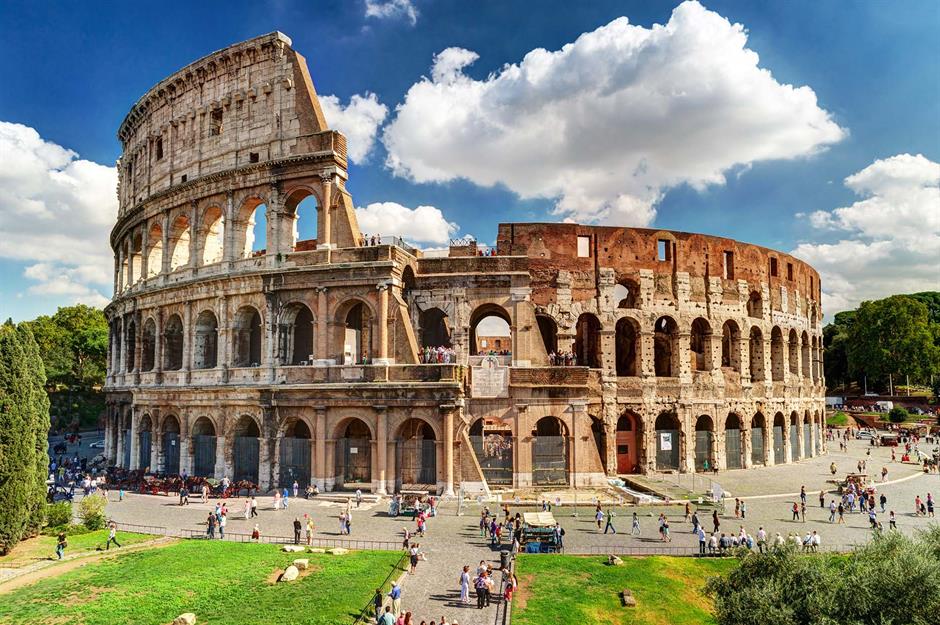
- The Roman Forum and Colosseum: In Rome, visitors can explore the Roman Forum, the political and commercial center of ancient Rome, and the Colosseum, where gladiators fought for honor and survival.
- Pompeii and Herculaneum: The eruption of Mount Vesuvius in 79 AD preserved the ancient cities of Pompeii and Herculaneum under layers of ash. These cities provide a rare and detailed snapshot of daily life in ancient Rome.
- Hadrian’s Villa: Located near Tivoli, Hadrian’s Villa is a vast Roman complex that served as the imperial retreat for Emperor Hadrian. It features impressive structures, pools, and gardens that reflect the grandeur of Roman architecture.
Key Experience: A tour through the Colosseum, experiencing the history of gladiatorial combat, or visiting the preserved streets of Pompeii, where you can walk through ancient homes and marketplaces, offers an unparalleled immersion into Roman life.
4. Mexico and Central America: The Maya and Aztec Civilizations
Central America is home to some of the most remarkable ancient civilizations, including the Maya and Aztecs. The impressive pyramids, cities, and temples of these civilizations reveal a sophisticated understanding of astronomy, mathematics, and architecture.
- Chichen Itza: The Maya city of Chichen Itza in Mexico is one of the New Seven Wonders of the World. The Temple of Kukulkan (El Castillo) is the most iconic structure, a pyramid that was used as a calendar to mark the equinox.
- Teotihuacan: Near Mexico City, Teotihuacan is home to the Pyramid of the Sun and the Pyramid of the Moon, colossal structures built by an unknown civilization. The city was one of the largest and most influential in ancient Mesoamerica.
- Tenochtitlan: The Aztec capital, Tenochtitlan, was located on the site of modern-day Mexico City. Visitors can explore the Templo Mayor, which was dedicated to the gods Huitzilopochtli and Tlaloc, as well as the National Museum of Anthropology, which houses many Aztec artifacts.
Key Experience: Visiting Chichen Itza during the spring equinox to witness the serpent-like shadow that forms on the Temple of Kukulkan is an awe-inspiring experience that showcases the Maya’s astronomical prowess.
5. Peru: The Mysteries of the Inca Civilization
The ancient Inca Empire, located primarily in Peru, is famous for its stunning mountain cities and architectural feats. The Machu Picchu site, set high in the Andes Mountains, remains one of the most visited archaeological sites in the world.
- Machu Picchu: The lost city of the Incas, Machu Picchu, is a must-visit for those interested in the Inca civilization. This ancient site is located atop a mountain, offering panoramic views of the surrounding landscape and providing an unforgettable experience of Incan engineering.
- Sacred Valley: The Sacred Valley of the Incas is a beautiful region in Peru, rich in archaeological sites, including the Ollantaytambo and Pisac ruins. The valley was central to the Inca Empire and provides a glimpse into Incan agriculture, architecture, and spirituality.
- Nazca Lines: The Nazca Lines are massive geoglyphs etched into the desert floor in southern Peru. The purpose of these lines remains mysterious, but they are believed to have held ceremonial significance for the Nazca people.
Key Experience: Hiking the Inca Trail to reach Machu Picchu, or simply gazing at the lost city nestled in the Andes, offers an incredible way to connect with Inca history.
Conclusion: A Timeless Exploration of Ancient Civilizations
Traveling to ancient civilization sites is an experience that transcends time, offering a profound connection with the cultures that shaped our modern world. Whether it’s standing beneath the towering Pyramids of Egypt, walking the streets of ancient Rome, or hiking the Inca Trail, these historical routes provide travelers with insights into the human spirit, creativity, and resilience.
The ancient world is waiting to be explored, offering a journey through the ruins, temples, and monuments that have stood the test of time. For those who seek to understand the past and gain a deeper appreciation of human heritage, visiting these ancient civilizations is more than just a trip—it’s a timeless adventure that connects us to the roots of human history.