




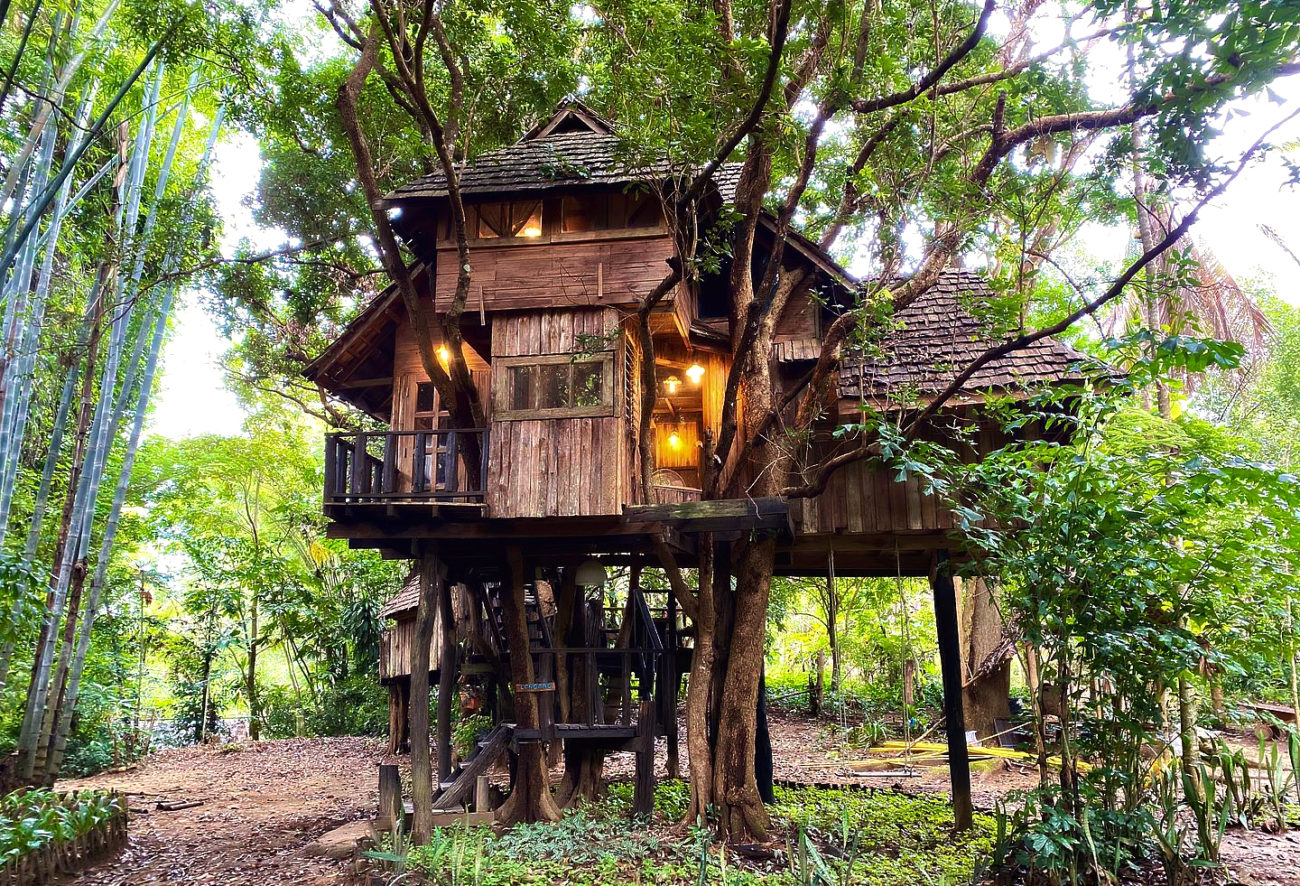

Nestled within the lush greenery of Thailand’s tropical jungles, the idea of staying in a treehouse is fast becoming a sought-after experience for adventurous travelers. Thailand, known for its stunning beaches, rich culture, and vibrant cities, offers a new dimension of tourism that blends adventure, nature, and sustainability. Staying in a treehouse in the heart of the Thai jungle provides not just a place to sleep but an immersive experience that connects travelers with nature, local traditions, and eco-conscious practices.
This article explores the concept of staying in a treehouse in Thailand’s jungles, examining the allure of this unique accommodation style, the environmental and cultural benefits, the different regions in Thailand offering treehouse stays, and the challenges and considerations that come with it. By the end, readers will gain a comprehensive understanding of why this experience is becoming an essential part of the Thailand travel scene and how it offers a distinctive opportunity for sustainable, off-the-grid vacations.
The Allure of Treehouses: An Introduction to the Concept
Treehouses have always sparked the imagination, evoking thoughts of childhood adventure, freedom, and a deeper connection with nature. Traditionally, treehouses were humble structures built in the branches of trees, often used by children for play or by hunters for observation. However, over time, the concept of treehouses has evolved. In the modern world of travel, treehouses have become luxurious and unique accommodations, offering a distinctive alternative to traditional hotels and resorts.
Staying in a treehouse brings a sense of back-to-basics living while still offering modern comforts. In destinations like Thailand, treehouses are designed to blend seamlessly with the surrounding natural environment, offering guests not only a night in the trees but also a sensory experience—the sounds of the jungle, the fresh scent of the air, and the sight of wildlife just outside your window.
Why Stay in a Treehouse in Thailand’s Jungle?
There are several reasons why staying in a treehouse in Thailand’s jungles has become increasingly popular among eco-conscious and adventurous travelers.
1. Connection with Nature
Staying in a treehouse offers an unparalleled opportunity to connect with nature. Nestled high above the forest floor, treehouses provide panoramic views of the jungle canopy. The experience allows travelers to wake up to the sounds of exotic birds, the rustle of leaves in the wind, and the gentle hum of the forest. This immersion in nature offers a sense of peace and serenity that many traditional accommodations cannot match.
2. Eco-Conscious Travel
As environmental concerns continue to rise, travelers are increasingly seeking eco-friendly alternatives to mainstream tourism. Thailand’s treehouse accommodations are often part of eco-resorts that prioritize sustainability and conservation. These treehouses are typically constructed using local, sustainable materials and are designed to have minimal impact on the surrounding environment. By staying in a treehouse, visitors contribute to the support of eco-tourism, which promotes conservation and responsible travel.
3. Adventure and Exclusivity
Thailand’s jungle treehouses often cater to those seeking an adventurous escape from the typical tourist experience. These stays are often located in remote or secluded areas, offering a sense of exclusivity and privacy. Whether perched on a hillside with views of the surrounding forest or tucked away in the heart of the jungle, treehouses offer the ultimate off-the-grid experience. Many treehouses are accessible only via treks or safari-style transport, adding an extra layer of adventure to the experience.
4. Cultural and Traditional Immersion
Many treehouse accommodations in Thailand are located in rural regions, allowing guests to interact with local communities. These stays provide opportunities for travelers to learn about Thai culture, local traditions, and ways of life that are often hidden from mainstream tourism. Whether it’s participating in a traditional cooking class, learning about agriculture, or joining local spiritual ceremonies, staying in a treehouse can be a doorway into a more authentic Thailand experience.
The Best Regions in Thailand for Treehouse Stays
Thailand’s diverse geography offers several regions where treehouse stays are not only possible but exceptional. From the lush northern jungles to the tropical forests in the south, here are some of the most popular destinations for treehouse accommodations:
1. Chiang Mai and Chiang Rai: The North’s Jungle Paradise
The northern region of Thailand, particularly Chiang Mai and Chiang Rai, is known for its mountainous landscapes, forests, and ethnic hill tribes. This area is an ideal setting for treehouses, with several eco-lodges offering stays in the middle of the jungle. Chiang Mai’s Doi Inthanon National Park and Chiang Rai’s Golden Triangle are prime areas for eco-tourism, and many treehouses here offer opportunities for trekking, wildlife watching, and cultural immersion. Staying in a treehouse in the north gives visitors access to the serene beauty of Thailand’s highland jungles, as well as visits to the local tribes, who offer an insight into ancient ways of life.
2. Khao Sok National Park: A Rainforest Adventure
Located in southern Thailand, Khao Sok National Park is one of the oldest rainforests in the world. The park offers lush jungles, towering limestone cliffs, and picturesque lakes, making it an ideal destination for a treehouse stay. Visitors to Khao Sok can stay in treehouses that overlook the Cheow Lan Lake, surrounded by a world of wildlife. A stay here promises adventure in the form of jungle safaris, canoeing, and night treks, where guests can spot wild elephants, gibbons, and rare birds.
3. Krabi: Where the Jungle Meets the Sea
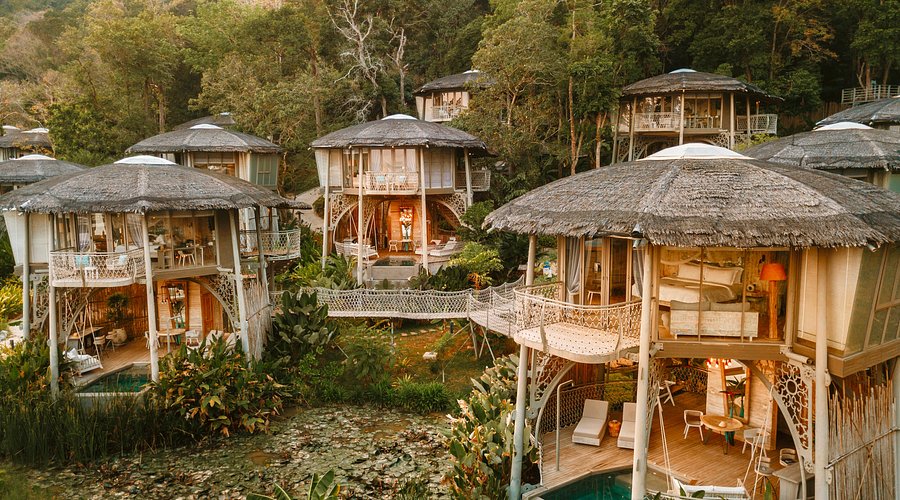
Krabi, located along Thailand’s southwest coast, is renowned for its stunning limestone cliffs and pristine beaches. However, it is also home to beautiful jungles and hidden valleys. In Krabi, you can find unique treehouses that sit above lush tropical gardens and offer views of the jungle and Andaman Sea. These accommodations offer a rare combination of both nature and beach, giving travelers a chance to enjoy the best of both worlds. Treehouse stays here are popular among those looking to explore the rainforest by day and unwind on secluded beaches by night.
4. Koh Lanta and Koh Phi Phi: The Tropical Islands
While Thailand’s islands are typically known for their luxurious resorts and beachfront villas, Koh Lanta and Koh Phi Phi offer more unique, eco-friendly stays. In these locations, travelers can find treehouses that are perfectly integrated into the tropical forest. Koh Lanta, in particular, is home to eco-resorts that specialize in creating sustainable, immersive experiences in nature. Whether perched on a cliff with stunning views of the ocean or nestled within dense jungle foliage, treehouses on these islands offer tranquility, privacy, and a direct connection to nature.
Activities to Enjoy While Staying in a Treehouse in Thailand
One of the greatest appeals of staying in a treehouse in Thailand is the variety of activities that are available, depending on the location. These activities not only enhance the adventure but also deepen the traveler’s connection to the natural world. Some of the most popular activities include:
1. Jungle Trekking
Most treehouses are located in close proximity to national parks, rainforests, or mountain trails, which makes trekking one of the most popular activities. Guests can embark on guided or self-guided hikes through the forest, exploring biodiversity hotspots and spotting wildlife such as monkeys, birds, and butterflies. Many treks also lead to secluded waterfalls, swimming holes, or viewpoints, offering opportunities to relax and enjoy the natural beauty.
2. Wildlife Watching
The Thai jungle is home to an array of wildlife, including elephants, gibbons, tigers, and rare bird species. Staying in a treehouse often provides guests with a unique opportunity to observe wildlife up close, either from the comfort of their treehouse or during an early-morning safari. Many treehouses are designed with open-air viewing decks or suspended platforms, offering unobstructed views of the surrounding jungle.
3. Cultural Experiences
In many rural areas, treehouse accommodations provide opportunities for cultural immersion. Travelers may have the chance to participate in traditional cooking classes, bamboo rafting, local craft workshops, and even spiritual retreats with local monks. These experiences allow travelers to gain a deeper understanding of Thailand’s rich cultural heritage and forge a more personal connection to the place they are visiting.
4. Relaxation and Wellness
For those looking for a more peaceful and restorative experience, treehouses in Thailand offer plenty of opportunities for relaxation and wellness. Many eco-resorts feature spas, yoga decks, and meditation spaces where guests can unwind and rejuvenate. The tranquil sounds of the jungle, combined with the fresh air and isolation, make for the perfect environment for a holistic wellness retreat.
Challenges and Considerations for Staying in a Treehouse
While staying in a treehouse can be an unforgettable experience, there are a few challenges and considerations that travelers should keep in mind:
1. Accessibility
Many treehouses are located in remote areas, and some may require long hikes or boat rides to reach. While this adds to the adventure, it may not be suitable for all travelers, particularly those with limited mobility or those who prefer more straightforward access.
2. Comfort
While most treehouses are equipped with basic amenities such as comfortable beds, clean bathrooms, and electricity, they may not offer the same level of luxury as traditional hotels. Travelers looking for high-end accommodations should carefully research the level of comfort provided at each location.
3. Weather Conditions
Thailand’s tropical climate can be hot and humid, especially during the rainy season. Staying in a treehouse means being exposed to the elements, and guests should be prepared for occasional rainfall, especially if staying in the jungle.
4. Wildlife Risks
While Thailand’s jungles are beautiful, they are also home to wild animals. It is important to take safety precautions, such as avoiding leaving food out in the open, and to follow the guidance of local hosts regarding wildlife encounters.
Conclusion
Staying in a treehouse in Thailand’s jungles offers more than just a unique place to sleep—it’s an adventure, a retreat, and an opportunity to connect deeply with nature. With the growing trend of eco-tourism and sustainable travel, treehouses offer an ideal way for travelers to immerse themselves in Thailand’s natural beauty while minimizing their impact on the environment. Whether it’s the allure of waking up to the sound of birds in the treetops, the opportunity for cultural immersion, or the thrill of sleeping in the heart of a tropical rainforest, Thailand’s treehouses provide an unforgettable experience for those seeking adventure and tranquility alike.