




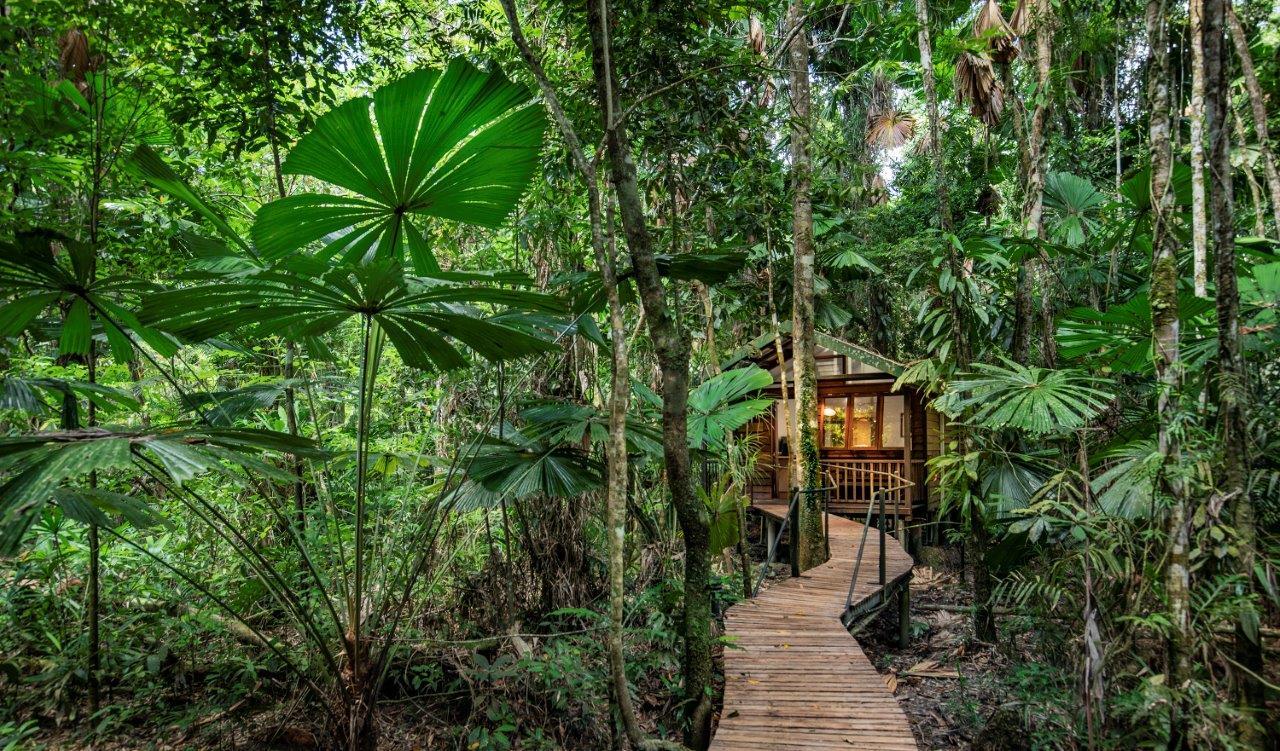

In recent years, eco-tourism has surged in popularity as travelers increasingly seek experiences that combine sustainability, immersion in nature, and unique accommodations. Among the most enchanting of these offerings are treehouse stays at eco-resorts, where guests can literally sleep among the canopy of tropical rainforests, surrounded by the sights and sounds of a thriving ecosystem. These accommodations provide more than just novelty—they offer a transformative experience that fosters relaxation, mindfulness, and deep ecological awareness.
This article explores the phenomenon of treehouse accommodations at eco-resorts, delving into their design, environmental impact, cultural significance, and the practical benefits for travelers. Additionally, it provides guidance on selecting eco-friendly treehouse resorts, maximizing the experience, and contributing positively to conservation efforts. With tropical rainforests being some of the most biodiverse yet threatened ecosystems on Earth, treehouse stays offer a bridge between sustainable tourism and nature preservation.
The Concept of Treehouse Accommodation
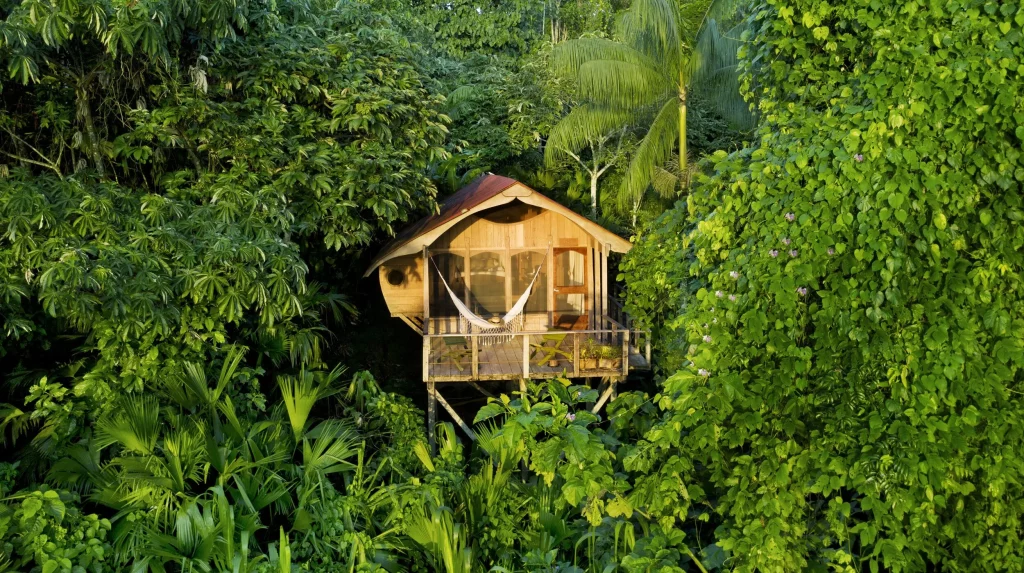
Treehouse lodging is not merely a marketing gimmick; it represents a reimagining of sustainable living. Traditionally, treehouses were simple structures built for children or local communities. Today’s eco-resort treehouses integrate modern comforts with low environmental impact, offering an immersive natural experience while adhering to principles of sustainability.
Key Characteristics of Eco-Resort Treehouses
- Elevated Structures – Positioned among treetops to minimize footprint on forest floors and reduce soil erosion.
- Sustainable Materials – Construction often uses reclaimed wood, bamboo, and natural fibers sourced responsibly.
- Off-Grid Systems – Solar panels, rainwater harvesting, and composting toilets reduce resource consumption.
- Minimalist Design – Interiors prioritize simplicity and harmony with nature, often featuring open layouts, natural ventilation, and unobstructed canopy views.
The combination of these features creates a lodging experience that is both luxurious and ecologically sensitive.
Why Travelers Choose Treehouse Stays
1. Immersive Nature Experience
One of the primary draws of treehouse accommodations is the ability to immerse oneself in the natural environment. Guests wake up to the calls of exotic birds, the rustle of leaves in the wind, and the occasional glimpse of monkeys or other wildlife. This connection fosters:
- Relaxation and stress reduction
- Mindfulness and introspection
- Appreciation for biodiversity and ecological balance
2. Privacy and Seclusion
Unlike traditional resorts, treehouses often offer a sense of privacy and isolation, ideal for:
- Romantic retreats
- Personal reflection or meditation
- Disconnecting from technology and urban noise
3. Adventure and Novelty
Treehouse stays evoke a sense of childhood wonder and adventure, appealing to travelers seeking unique and memorable experiences. Activities such as canopy walks, ziplining, or guided forest tours complement the elevated lodging.
4. Sustainable Tourism Appeal
Modern travelers increasingly prioritize sustainability. Treehouse eco-resorts exemplify responsible tourism practices, including habitat preservation, renewable energy use, and community involvement, aligning with conscious travel values.
Design Principles for Sustainable Treehouse Resorts
Building a treehouse in a tropical rainforest requires careful consideration of environmental impact, structural safety, and guest comfort. Eco-resorts follow several key design principles:
1. Minimal Footprint Construction
- Elevated Platforms: Reduce soil compaction and preserve forest undergrowth.
- Tree-Friendly Fastening: Avoid methods that damage living trees; use adjustable supports or non-invasive anchoring.
- Compact Layouts: Limit structure size to reduce impact on surrounding flora.
2. Use of Local and Recycled Materials
- Bamboo, reclaimed wood, and natural stone reduce environmental impact.
- Paints and finishes are typically non-toxic, preserving indoor air quality and avoiding contamination of the surrounding ecosystem.
3. Energy Efficiency and Off-Grid Solutions
- Solar Panels: Provide electricity for lighting, fans, and small appliances.
- Rainwater Collection: Supports plumbing needs and reduces freshwater consumption.
- Passive Ventilation: Maximizes airflow to reduce reliance on air conditioning.
4. Integration with Landscape
- Treehouse designs often follow the natural slope, vegetation pattern, and existing pathways.
- Landscaping uses native plants to enhance biodiversity and avoid introducing invasive species.
Experiences Offered by Eco-Resort Treehouses
Treehouse stays are more than lodging; they are gateways to immersive rainforest experiences. Resorts often provide a variety of curated activities:
1. Wildlife Observation
- Guided tours to spot endemic species, from tropical birds to primates.
- Night walks reveal nocturnal wildlife and insects.
- Observation decks and canopy platforms allow safe, non-intrusive wildlife viewing.
2. Adventure and Exploration
- Canopy ziplining, rope bridges, and hanging walkways enhance the sense of adventure.
- Hiking trails connect treehouses to waterfalls, rivers, and cultural sites.
3. Cultural and Community Interaction
- Eco-resorts often partner with local communities to provide workshops in traditional crafts, cooking, or storytelling.
- Guests learn about indigenous knowledge, medicinal plants, and sustainable practices.
4. Wellness and Mindfulness
- Yoga decks, meditation platforms, and spa services integrate natural surroundings into relaxation practices.
- The quietude of the rainforest canopy enhances mental clarity and emotional well-being.
Economic and Environmental Benefits
1. Conservation Incentives
Treehouse resorts incentivize forest preservation:
- Protecting land from logging or agricultural conversion.
- Funding reforestation and wildlife protection programs.
- Educating guests on conservation and responsible tourism.
2. Local Economic Support
Eco-resorts generate income for local communities:
- Employment in construction, maintenance, and hospitality roles.
- Revenue from guided tours, cultural workshops, and crafts.
- Encouragement of local entrepreneurship in food production, handicrafts, and transportation.
3. Sustainable Resource Management
- Reduced water and energy consumption through off-grid systems.
- Eco-friendly waste disposal minimizes environmental contamination.
- Biodiversity-friendly landscaping maintains ecosystem health.
Choosing the Right Eco-Resort Treehouse
Travelers should consider multiple factors to ensure their stay aligns with sustainability and comfort:
1. Certifications and Recognition
- Look for eco-labels such as LEED certification, Green Globe, or Rainforest Alliance.
- Verified awards indicate adherence to sustainable and ethical practices.
2. Guest Reviews and Recommendations
- Prioritize resorts praised for environmental responsibility and authentic experiences.
- Read testimonials about wildlife encounters, cultural activities, and overall tranquility.
3. Location and Accessibility
- Consider proximity to major airports, regional transportation, and natural attractions.
- Evaluate the surrounding ecosystem for diversity and conservation status.
4. Amenities and Comfort
- Ensure essential comforts without compromising ecological integrity.
- Check for essentials such as hot water, safe sanitation, mosquito protection, and secure structure.
Case Studies of Notable Treehouse Eco-Resorts
1. Costa Rica
- Osa Peninsula and Monteverde Cloud Forest: Renowned for biodiversity, offering treehouses with canopy views and guided wildlife tours.
- Emphasis on rainforest preservation, solar energy, and local employment.
2. Thailand
- Khao Sok National Park: Luxury treehouses amidst limestone cliffs and river landscapes.
- Activities include canoeing, jungle trekking, and elephant-friendly experiences.
3. Indonesia (Bali & Sumatra)
- Jungle treehouses provide immersion in tropical rainforests.
- Resorts integrate Balinese architecture, sustainable bamboo construction, and cultural workshops.
4. Malaysia
- Sabah and Sarawak Rainforests: Treehouses elevated above dense foliage with private balconies for wildlife observation.
- Partnerships with indigenous communities promote cultural tourism and conservation.
Practical Tips for Maximizing Your Treehouse Experience
- Timing Your Visit: Early mornings and evenings offer the best wildlife observation and cooler temperatures.
- Packing Essentials: Lightweight clothing, insect repellent, binoculars, waterproof gear, and comfortable shoes.
- Respecting Nature: Avoid disturbing animals, pick plants, or making loud noises.
- Engage in Learning: Participate in guided tours, workshops, and educational programs to deepen appreciation of rainforest ecology.
- Mindful Relaxation: Take time to simply observe, meditate, or journal in the canopy setting.
Challenges and Considerations
While treehouse eco-resorts provide unparalleled experiences, travelers should be aware of potential challenges:
- Accessibility: Remote locations may require long travel times.
- Weather Conditions: Rainy seasons may affect mobility and comfort.
- Physical Requirements: Stairs, ladders, and uneven terrain may not suit all travelers.
- Connectivity: Limited Wi-Fi or mobile networks, which can be positive or challenging depending on traveler preference.
Future of Eco-Resort Treehouses
The popularity of treehouse accommodations reflects broader trends in sustainable tourism and nature-based travel. Future developments may include:
- Greater integration of renewable energy technologies.
- Expansion of educational and volunteer programs for guests.
- Partnerships with conservation organizations to protect biodiversity hotspots.
- Innovative designs minimizing ecological footprint while enhancing comfort and immersion.
Conclusion
Treehouse stays at eco-resorts offer a unique opportunity to immerse oneself in tropical rainforests while supporting sustainable tourism. These elevated accommodations combine adventure, tranquility, cultural engagement, and environmental stewardship, creating experiences that are both memorable and responsible.
By selecting eco-friendly treehouse resorts, participating in conservation initiatives, and respecting the surrounding environment, travelers contribute to the preservation of fragile ecosystems while enjoying the peace, beauty, and wonder of the rainforest canopy. In a world where urban life is increasingly disconnected from nature, these treehouse experiences provide a vital reminder of the harmony between humans and the natural world.
With careful planning, mindful engagement, and appreciation for both biodiversity and local culture, treehouse eco-resorts can transform even a short stay into a life-enriching journey—one that blends adventure, education, and serenity in the heart of the tropical rainforest.