




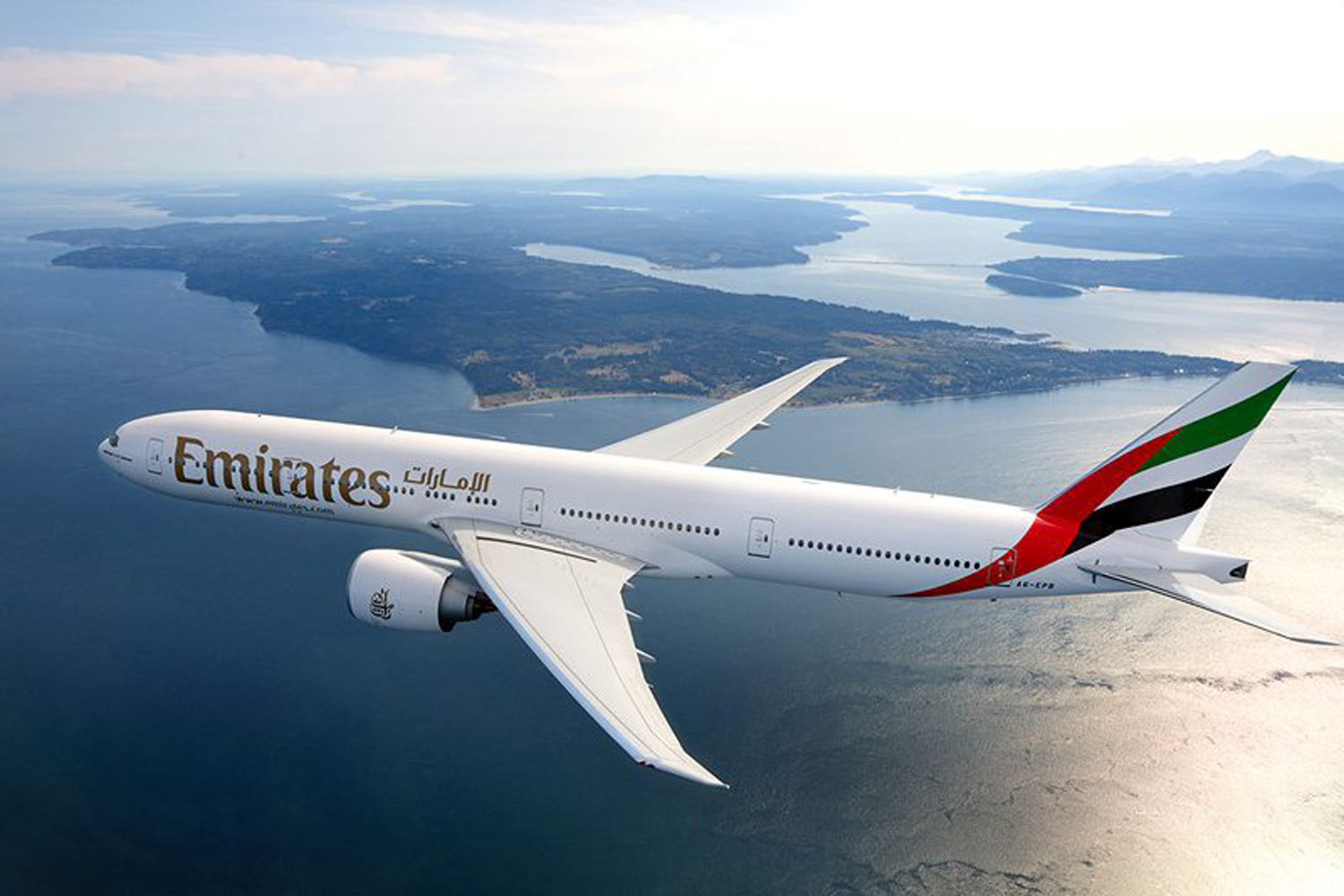

In the modern era, transnational travel routes have become increasingly popular among travelers seeking to experience multiple countries within a single journey. These journeys, often spanning continents, allow adventurers to immerse themselves in diverse cultures, landscapes, and historical contexts, combining the thrill of exploration with the convenience of well-planned itineraries. With globalization, improved transportation infrastructure, and the rise of digital travel planning tools, multi-country trips are no longer limited to elite travelers—they are accessible to anyone willing to embrace adventure.
This article offers a comprehensive examination of transnational travel routes, including their types, planning strategies, cultural and economic impact, logistical considerations, safety and sustainability practices, and tips for optimizing the experience.
1. Understanding Transnational Travel
1.1 Definition and Scope
- Transnational travel refers to journeys that cross multiple national borders, often combining air, rail, road, and sea travel.
- Unlike single-country tourism, it emphasizes comparative cultural experiences, regional connectivity, and multi-destination planning.
1.2 Historical Background
- Ancient trade routes such as the Silk Road and spice trade networks exemplify early forms of transnational travel.
- In the modern context, multi-country travel is facilitated by airline alliances, high-speed trains, and international tourism agreements.
1.3 Contemporary Significance
- Expands travelers’ understanding of global diversity, cultural nuances, and geopolitical landscapes.
- Encourages the development of cross-border tourism infrastructure, promoting economic growth and international cooperation.
2. Popular Types of Transnational Travel Routes
2.1 European Multi-Country Tours
- Example: France, Italy, and Spain in one trip.
- Accessible via train networks like Eurail, budget airlines, and regional buses.
- Highlights: historic cities, UNESCO World Heritage sites, culinary experiences.
2.2 Asian Cross-Border Journeys
- Example: Thailand, Cambodia, and Vietnam.
- Combines cultural exploration with natural attractions: temples, beaches, and national parks.
- Budget-friendly and culturally immersive with shared border experiences.
2.3 Intercontinental Travel Routes
- Example: South America (Brazil, Argentina, Peru) or Europe to North Africa (Spain, Morocco).
- Mixes continental landscapes, from rainforests to deserts, and enables diverse cultural interactions.
2.4 Specialized Thematic Routes
- Gastronomy Tours: Exploring culinary traditions across borders.
- Historical and Pilgrimage Routes: From the Camino de Santiago in Spain to Portugal and France.
- Adventure Routes: Trekking through multiple mountain ranges or river systems.

3. Planning a Transnational Journey
3.1 Research and Destination Selection
- Identify countries with efficient transportation links and compatible visa requirements.
- Consider seasonal variations, cultural festivals, and climate conditions.
3.2 Route Optimization
- Use geospatial planning tools and apps to map efficient travel paths.
- Balance distance, travel time, and cultural immersion for each stop.
3.3 Visa and Entry Requirements
- Understand the visa policies of each country, including Schengen regulations in Europe.
- Multiple-entry visas can simplify complex itineraries.
3.4 Transportation Modes
- Air travel: Fast for long distances, especially intercontinental routes.
- Trains and buses: Efficient for regional travel with scenic opportunities.
- Ferries and cruises: Ideal for island chains or coastal exploration.
4. Cultural and Educational Value
4.1 Comparative Cultural Understanding
- Multi-country travel exposes individuals to different languages, religions, and traditions.
- Enables travelers to compare historical developments and societal norms.
4.2 Immersive Experiences
- Participating in local festivals, culinary workshops, or guided historical tours enhances cultural appreciation.
- Living in local neighborhoods or homestays provides deeper insight into daily life.
4.3 Language Acquisition
- Encourages practical language learning through interaction in multiple countries.
- Improves cross-cultural communication skills and global literacy.
5. Economic and Social Impact
5.1 Boosting Local Economies
- Transnational tourism generates revenue for hotels, transport operators, local markets, and guides.
- Encourages development of regional tourism clusters and cross-border partnerships.
5.2 Employment and Skill Development
- Growth in tourism demand creates jobs in hospitality, transportation, and cultural interpretation.
- Promotes specialized skills such as multilingual guiding and eco-tourism management.
5.3 Cultural Exchange and Diplomacy
- Travelers become informal ambassadors, fostering mutual understanding and cooperation.
- Shared tourism initiatives strengthen bilateral and multilateral relations.
6. Logistical Considerations
6.1 Accommodation Planning
- Utilize online platforms to book hotels, hostels, or homestays across multiple countries.
- Consider centralized hubs for multi-day excursions to reduce travel fatigue and costs.
6.2 Budgeting
- Factor in transportation, accommodation, meals, visas, and entrance fees.
- Currency exchange and travel insurance are essential for multi-country trips.
6.3 Time Management
- Allocate sufficient time for each destination to avoid rushed experiences.
- Include buffer days for transport delays, cultural immersion, and rest.
6.4 Safety and Health
- Maintain vaccinations and health precautions for each country.
- Research political stability, local regulations, and travel advisories.
7. Sustainable Practices in Multi-Country Travel
7.1 Eco-Friendly Transportation
- Prioritize trains, buses, and shared transportation to reduce carbon footprint.
- Offset unavoidable emissions through carbon-neutral programs.
7.2 Responsible Tourism
- Respect local customs, environmental rules, and wildlife protection guidelines.
- Support local businesses and community-led tourism initiatives.
7.3 Waste Management
- Reduce single-use plastics and carry reusable water bottles and utensils.
- Ensure proper disposal of waste during long-distance travel.
8. Technology and Digital Resources
8.1 Travel Planning Tools
- Apps for route mapping, currency conversion, and itinerary organization.
- Platforms for booking multi-country transportation and accommodation.
8.2 Language and Communication
- Translation apps facilitate cross-cultural interaction.
- Local SIM cards and mobile hotspots enable navigation and emergency contact.
8.3 Social Media and Networking
- Travelers share experiences, tips, and route recommendations online.
- Enables the creation of communities and peer support networks for international travel.
9. Challenges of Transnational Travel
9.1 Visa Complexity
- Multiple countries require careful coordination of visas and travel documents.
- Some destinations may require advance applications or proof of onward travel.
9.2 Cultural Differences
- Travelers must adapt to different etiquette, legal systems, and societal norms.
- Sensitivity and research reduce cultural misunderstandings.
9.3 Health and Safety Risks
- Varied health risks, food safety, and environmental hazards across countries.
- Travel insurance and preventive measures are essential.
9.4 Logistics and Transportation Issues
- Flight delays, missed connections, and border checks can disrupt schedules.
- Flexible planning and contingency options are critical.
10. Case Studies of Successful Multi-Country Routes
10.1 European Grand Tour
- France → Italy → Switzerland → Germany → Austria
- Highlights: art museums, Alpine treks, culinary experiences, UNESCO sites
10.2 Southeast Asian Loop
- Thailand → Laos → Vietnam → Cambodia
- Focus: cultural heritage, river cruises, tropical landscapes, local cuisine
10.3 South American Circuit
- Brazil → Argentina → Peru → Chile
- Features: Amazon rainforest, Andes mountains, Patagonia glaciers, and historical ruins
10.4 Transcontinental Expeditions
- Dubai → Oman → Jordan → Egypt → Greece
- Combines desert landscapes, ancient civilizations, and Mediterranean culture
11. Tips for Optimizing Transnational Travel
- Start with Regional Clusters: Focus on geographically proximate countries first.
- Research Entry Requirements: Ensure visas, vaccinations, and travel documents are current.
- Balance Travel Modes: Mix flights, trains, and buses for efficiency and experience.
- Cultural Immersion: Engage in local experiences to deepen understanding.
- Pack Light and Smart: Multi-country travel requires versatile clothing and portable essentials.
- Plan Flexibly: Allow for delays, spontaneous detours, and extended stays.
- Use Technology Wisely: Leverage apps for navigation, translation, and itinerary management.
12. Conclusion
Transnational travel routes offer a unique opportunity to experience the world in its diverse forms. By carefully planning itineraries, respecting local cultures, and embracing sustainable practices, travelers can transform multi-country journeys into educational, adventurous, and life-enriching experiences.
Key benefits include:
- Exposure to diverse cultures, cuisines, and languages.
- Immersion in natural landscapes and historical landmarks.
- Opportunities for cultural exchange, personal growth, and global awareness.
- Contribution to local economies and sustainable tourism development.
In a world that is increasingly interconnected, transnational travel not only satisfies the wanderlust of explorers but also fosters understanding, tolerance, and shared human experience across borders. With thoughtful planning and responsible practices, multi-country adventures can become a powerful avenue for learning, discovery, and meaningful connection in today’s globalized era.