




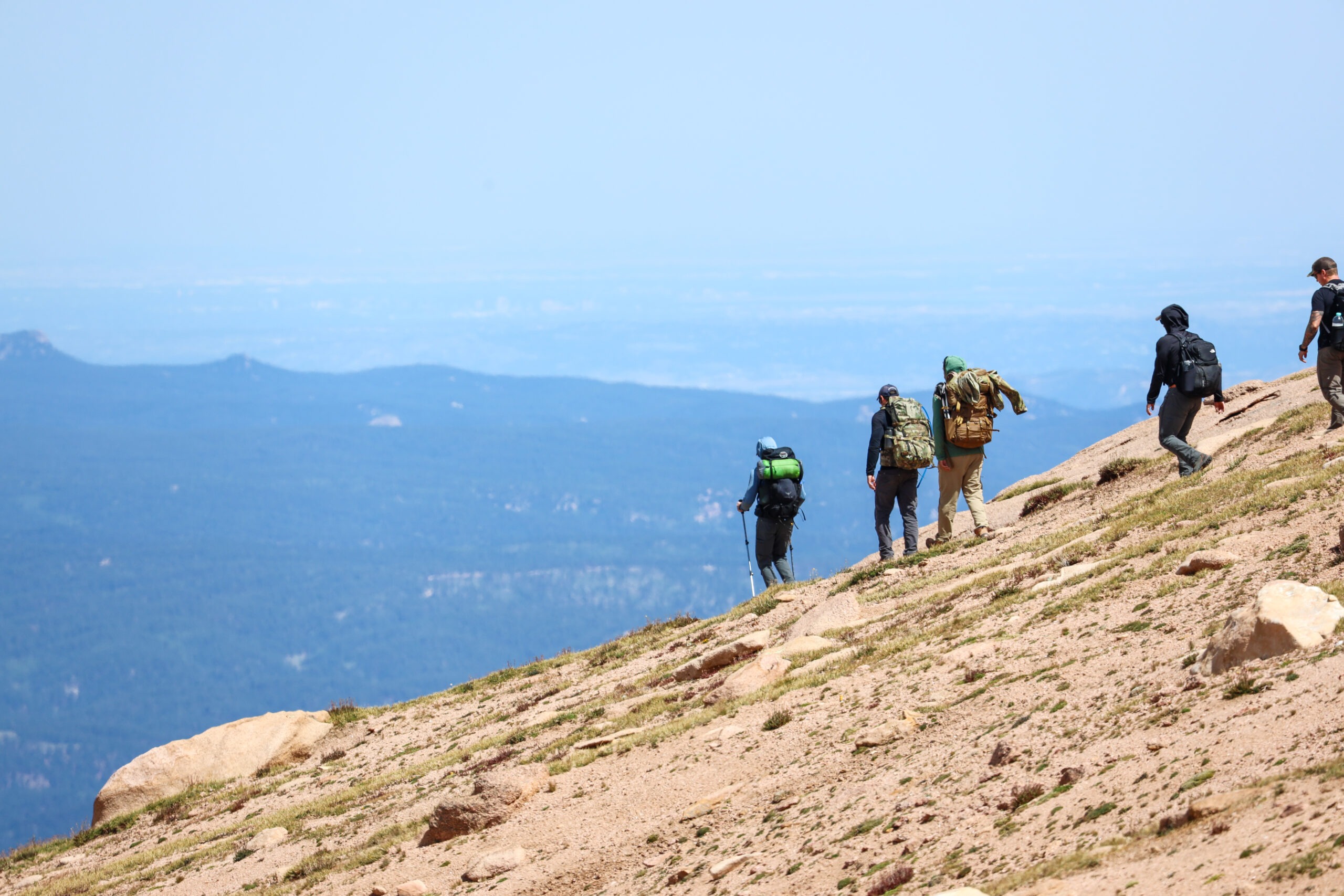

Hiking, particularly at high altitudes, is a physically demanding and mentally challenging activity that requires meticulous preparation, endurance training, and safety awareness. High-altitude trekking exposes hikers to reduced oxygen levels, steep terrains, and extreme weather, which can significantly affect performance and health if proper training is neglected.
This article provides a comprehensive guide to pre-hiking fitness training, emphasizing physical conditioning, altitude acclimatization, nutritional strategies, gear preparation, and safety measures for high-altitude trekking.
1. Understanding High-Altitude Challenges
1.1 Altitude and Its Physiological Effects
- High altitude is generally considered above 2,500 meters (8,200 feet).
- Reduced oxygen levels can lead to hypoxia, fatigue, and impaired physical performance.
- Common effects include shortness of breath, increased heart rate, and altitude sickness.
1.2 Terrain and Environmental Factors
- Steep trails, uneven surfaces, and rocky terrain require strong leg muscles, balance, and agility.
- Temperature variations and weather extremes necessitate flexibility, endurance, and proper layering.
1.3 Psychological Factors
- Mental resilience is critical for long hikes, altitude stress, and isolation in remote areas.
- Stress management, focus, and decision-making under fatigue are essential for safety.
2. Core Components of Pre-Hiking Fitness Training
2.1 Cardiovascular Endurance
- Cardiovascular fitness is the foundation for long-distance hiking and altitude adaptation.
- Recommended exercises:
- Running, brisk walking, cycling, and swimming
- Interval training to simulate variable trail intensity
- Frequency: 4–5 sessions per week, 30–60 minutes per session
2.2 Muscular Strength and Endurance
- Focus on legs, core, and upper body, essential for steep climbs, carrying backpacks, and stability.
- Key exercises:
- Squats, lunges, step-ups for leg strength
- Planks, Russian twists, and leg raises for core stability
- Push-ups, pull-ups, and resistance band exercises for upper body
- Frequency: 3–4 sessions per week with progressive load
2.3 Flexibility and Mobility
- Prevents injuries, improves stride efficiency, and enhances balance.
- Stretching routines:
- Hamstrings, quadriceps, calves, and hip flexors
- Dynamic stretches before workouts, static stretches post-exercise
- Yoga and Pilates are beneficial for flexibility, balance, and mental focus
2.4 Balance and Coordination
- Uneven trails require proprioception and ankle stability.
- Exercises include:
- Single-leg stands, Bosu ball exercises
- Trail running and hiking with trekking poles
- Improves trail navigation, prevents falls, and enhances confidence
3. Altitude Acclimatization Strategies
3.1 Gradual Exposure
- Ascend gradually to allow physiological adaptation.
- Follow the principle: “climb high, sleep low” for optimal acclimatization.
3.2 Pre-Acclimatization
- Use hypoxic training masks or altitude simulation chambers if access to mountains is limited.
- High-intensity interval training at sea level may also improve oxygen utilization efficiency.
3.3 Hydration and Nutrition
- Adequate water intake is critical for blood circulation and oxygen transport.
- Balanced meals with complex carbohydrates, lean protein, and electrolytes support endurance.
- Avoid excessive alcohol and caffeine, which can exacerbate dehydration and altitude sickness.
3.4 Monitoring Health Indicators
- Track oxygen saturation (SpO2), heart rate, and fatigue levels.
- Be aware of acute mountain sickness (AMS) symptoms: headache, nausea, dizziness, and insomnia.
4. Nutrition and Supplementation
4.1 Macronutrient Balance
- Carbohydrates: primary energy source for prolonged hikes
- Protein: supports muscle repair and endurance
- Fats: long-lasting energy for sustained exertion
4.2 Hydration Strategies
- Frequent water intake (approx. 2–3 liters/day at moderate altitudes, more at higher elevations)
- Include electrolytes to replace sodium, potassium, and magnesium lost through sweat
4.3 Supplements and Ergogenic Aids
- Iron and vitamin B12 may improve oxygen transport in blood
- Consult a healthcare provider before using caffeine, beetroot juice, or adaptogens for performance
5. Training Program for High-Altitude Hiking
5.1 Progressive Training Plan
- 12–16 weeks of pre-hike training is recommended for moderate to high-altitude treks.
- Gradually increase duration, intensity, and elevation gain to mimic trail conditions.
5.2 Sample Weekly Training Schedule
| Day | Activity | Focus |
|---|---|---|
| Monday | Interval run | Cardiovascular endurance |
| Tuesday | Strength training | Legs, core, upper body |
| Wednesday | Hike with backpack | Trail simulation, load-bearing |
| Thursday | Yoga / flexibility | Stretching, balance, mobility |
| Friday | Cycling or swimming | Cardio cross-training |
| Saturday | Long hike | Endurance, navigation, altitude exposure |
| Sunday | Rest or light walk | Recovery, active rest |
5.3 Monitoring Progress
- Track distance, elevation gain, heart rate, and perceived exertion.
- Adjust intensity to prevent overtraining and injury.
6. Gear Preparation and Load Management
6.1 Footwear
- Invest in well-fitted hiking boots or trail shoes with ankle support and proper traction.
- Break in footwear before the trek to prevent blisters and discomfort.
6.2 Backpack and Load Distribution
- Carry 10–20% of body weight for day hikes, 20–30% for multi-day treks.
- Use adjustable straps, hip belts, and chest straps to distribute weight evenly.
6.3 Clothing and Layering
- Base layer: moisture-wicking fabric
- Insulating layer: fleece or down for warmth
- Outer layer: waterproof and windproof shell
- Adapt layering based on temperature, altitude, and weather conditions
6.4 Trekking Poles and Accessories
- Poles reduce joint stress and enhance balance on steep or uneven terrain.
- Accessories: headlamp, navigation tools, first-aid kit, hydration system
7. Mental Preparation for High-Altitude Hiking
7.1 Psychological Resilience
- Build confidence through progressive training, exposure to challenging hikes, and goal setting.
- Practice mindfulness and stress management techniques to handle fatigue and environmental stressors.
7.2 Visualization and Mental Rehearsal
- Visualize trail scenarios, difficult ascents, and high-altitude challenges to prepare mentally for the trek.
7.3 Coping with Isolation and Fatigue
- Develop strategies for loneliness, monotony, and physical discomfort during long treks.
- Music, journaling, or motivational techniques may improve morale.
8. Safety Considerations and Risk Management
8.1 Health Screening
- Consult a physician before high-altitude trekking, especially for cardiovascular or respiratory conditions.
- Obtain baseline fitness assessments and blood tests if needed.
8.2 Understanding Altitude Illness
- Recognize and respond to AMS, HAPE (High Altitude Pulmonary Edema), and HACE (High Altitude Cerebral Edema).
- Descend and seek medical attention if symptoms worsen.
8.3 Navigation and Emergency Preparedness
- Carry maps, GPS, compass, and emergency contacts.
- Learn basic first aid and wilderness survival skills.
8.4 Weather Awareness
- Monitor local forecasts, temperature drops, storms, and wind conditions.
- Prepare for rapid environmental changes typical of mountainous regions.
9. Case Studies of High-Altitude Treks
9.1 Everest Base Camp (Nepal)
- Altitude: 5,364 meters
- Training emphasis: cardio endurance, leg strength, acclimatization, cold-weather adaptation
9.2 Kilimanjaro (Tanzania)
- Altitude: 5,895 meters
- Focus: gradual ascent, high-intensity interval training, mental resilience
9.3 Inca Trail to Machu Picchu (Peru)
- Altitude: 2,400–4,200 meters
- Emphasis: trail endurance, load management, and nutrition
9.4 Annapurna Circuit (Nepal)
- Altitude: 2,700–5,416 meters
- Training: prolonged hiking with elevation gain, core stability, and altitude acclimatization
10. Integrating Fitness, Nutrition, and Gear
- Combine physical training, balanced nutrition, and appropriate gear for optimal performance.
- A holistic approach ensures endurance, safety, and an enjoyable hiking experience.
- Regular practice hikes with progressive difficulty and altitude exposure simulate real trekking conditions.
11. Conclusion
High-altitude hiking is a physically demanding and rewarding activity that requires careful preparation. Proper pre-hike fitness training, altitude acclimatization, nutrition, mental conditioning, and gear selection are essential to ensure safety, endurance, and a successful trek.
By committing to a structured training program, practicing responsible hiking, and understanding the physiological and environmental challenges, hikers can fully enjoy the breathtaking landscapes, cultural encounters, and personal growth that high-altitude treks provide.
With meticulous preparation, both body and mind can rise to the challenges of mountain trekking, transforming the experience into a lifelong adventure and achievement.