





Introduction: The Heartbeat of Indian Culture
India is a land of vibrant traditions, diverse communities, and rich cultural heritage, and at the heart of this cultural diversity are the country’s festivals. India’s festivals are not mere events on the calendar; they are a reflection of the country’s cultural, spiritual, and social fabric. From the grand celebrations of Diwali and Holi to regional festivals like Onam and Durga Puja, each festival is deeply rooted in the history, mythology, and belief systems that shape the lives of millions of people across the subcontinent.
For travelers and cultural enthusiasts, India’s festivals offer an immersive opportunity to experience the country’s diverse traditions and understand its societal values. Participating in these festivals is not only a celebration of joy but also a gateway to understanding the intricate layers of Indian history, religion, art, and community life. In this article, we will explore the cultural significance of several major Indian festivals, their origins, rituals, and how they shape the social and spiritual lives of people in India.
The Rich Tapestry of Indian Festivals
India celebrates hundreds of festivals every year, each with its unique customs, rituals, and significance. These festivals are often tied to religious observances, historical events, agricultural cycles, and seasonal changes. However, regardless of their origin, they all share a common theme—bringing people together in joyous celebration, fostering a sense of community, and honoring a diverse range of gods, spirits, and natural forces.
Indian festivals can be broadly categorized into religious, seasonal, and cultural festivals. Some of the most famous religious festivals include Diwali, Holi, Eid, and Christmas. Seasonal festivals like Pongal and Makar Sankranti celebrate the changing of seasons and the harvest cycle. Cultural festivals such as Navratri and Onam highlight the significance of regional traditions and local folklore.
In each case, festivals are much more than mere celebrations. They are about family, social connection, spirituality, and the reaffirmation of cultural values.
Diwali: The Festival of Lights
The Legend Behind Diwali
Diwali, also known as Deepavali, is one of the most important and widely celebrated festivals in India. Known as the Festival of Lights, Diwali is celebrated by Hindus, Jains, Sikhs, and Buddhists across India and the world. The festival marks the victory of light over darkness and good over evil, symbolized through the lighting of oil lamps (diyas) and bursting of fireworks.
The origins of Diwali are rooted in ancient Indian mythology. The most widely known story is the return of Lord Rama to his kingdom of Ayodhya after defeating the demon king Ravana and rescuing his wife Sita. The people of Ayodhya lit diyas along the streets to welcome Lord Rama, celebrating his triumph of good over evil.
The Rituals and Celebrations
Diwali is celebrated over five days, each with its own significance. The first day, known as Dhanteras, is devoted to worshipping Lord Dhanvantari, the god of health, while buying new utensils and jewelry is considered auspicious. The second day, Naraka Chaturdashi, marks the victory of Lord Krishna over the demon Narakasura. The third day, which is the main day of Diwali, is the celebration of Lord Rama’s return and is marked by lighting lamps, exchanging sweets, and performing Lakshmi Puja to invite wealth and prosperity into homes.
The fourth day of Diwali is celebrated as Govardhan Puja, which commemorates the lifting of Mount Govardhan by Lord Krishna to protect villagers from a torrential storm. The fifth day, Bhai Dooj, is a day to honor the bond between brothers and sisters.
Cultural Significance
Diwali transcends religious lines and is widely celebrated across India, regardless of caste or creed. It is a time for family reunions, feasts, and the giving of gifts. The lighting of lamps symbolizes the removal of ignorance, and the bursting of fireworks represents the joy of victory. It is a time of reflection, as people clean and redecorate their homes to welcome new beginnings. The festival also has a deep cultural significance, emphasizing the importance of righteousness (dharma), goodwill, and community spirit.
Holi: The Festival of Colors
The Mythology of Holi
Holi, often referred to as the Festival of Colors, is one of India’s most exuberant and joyous festivals. It marks the arrival of spring and celebrates the triumph of good over evil. Holi is celebrated with much enthusiasm in India and has a special place in Hindu mythology. The most prominent story behind Holi is the tale of Prahlad and the demoness Holika.
According to Hindu mythology, Prahlad, a devout follower of Lord Vishnu, was persecuted by his father, Hiranyakashipu, who demanded that his son worship him instead of Vishnu. The king’s sister, Holika, who had a magical cloak that made her immune to fire, attempted to kill Prahlad by sitting with him in a bonfire. However, Holika’s cloak flew away, and she perished in the fire, while Prahlad remained unharmed. Holi thus commemorates the victory of devotion and goodness over pride and evil.
The Celebrations and Traditions
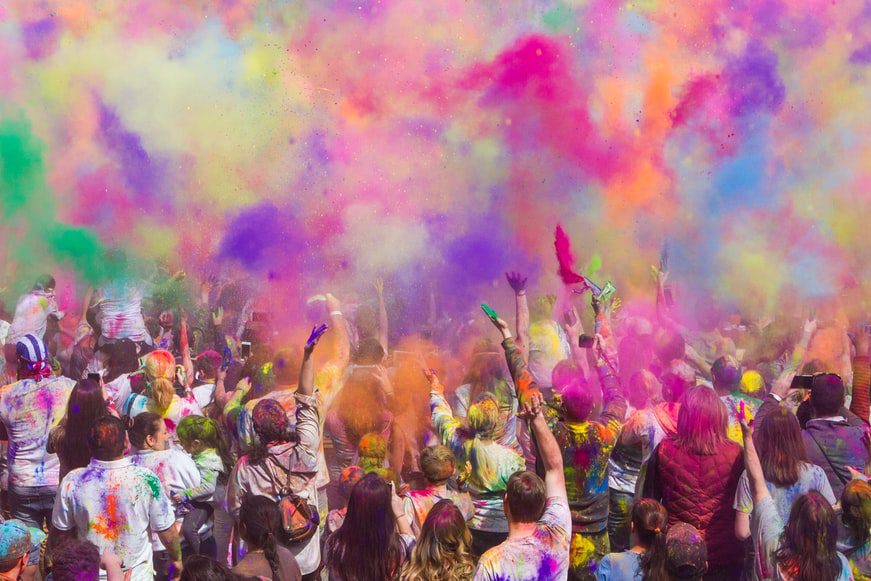
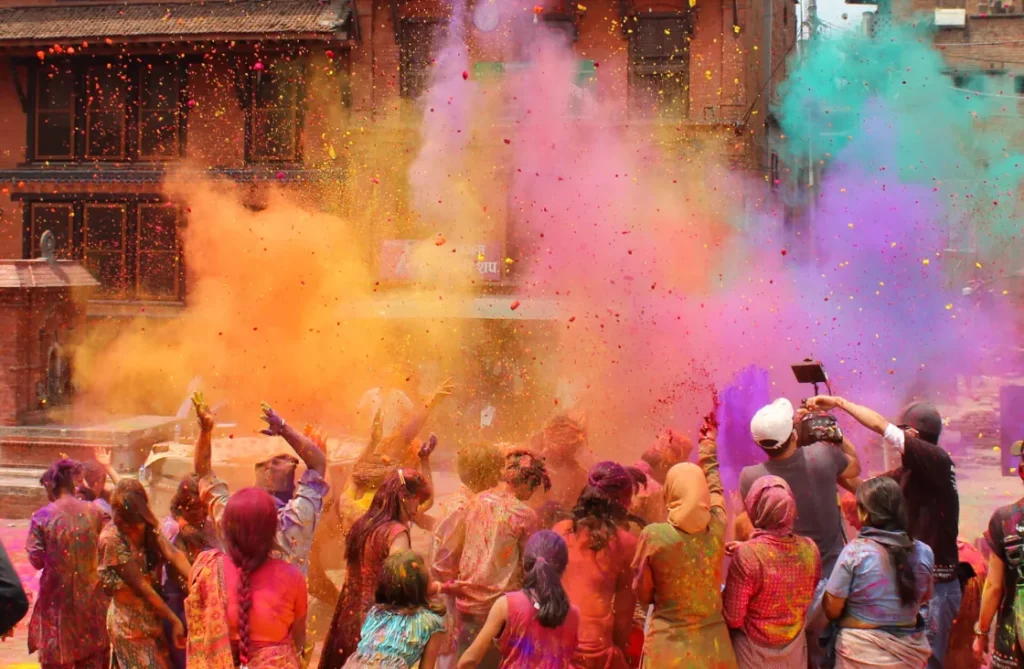
Holi celebrations begin with Holika Dahan, a bonfire that signifies the destruction of evil. On the second day of Holi, the playful and colorful festivities take place. People throw colored powders at each other, dance to traditional music, and indulge in festive foods like gujiya (sweet dumplings). The joyous mood of Holi breaks social barriers as people of all ages and backgrounds come together to celebrate, laughing, singing, and dancing.
Cultural and Social Significance
Holi is a celebration of unity, joy, and renewal. It marks the beginning of spring, a time of rebirth and new life. The playful throwing of colors symbolizes the joy of life, the breaking of societal norms, and the destruction of social barriers. Holi also has a deep social significance as it is a festival that fosters unity and social cohesion. During Holi, social hierarchies are temporarily suspended, and everyone, regardless of their status or background, participates in the festivities. This egalitarian nature of the festival underscores the idea that happiness and joy are universal experiences.
Durga Puja: Celebrating the Divine Feminine
The Legend of Durga
Durga Puja is one of the most significant festivals for Bengalis and other communities across India. The festival honors Goddess Durga, the supreme divine force who symbolizes strength, power, and protection. Durga Puja is particularly celebrated in West Bengal, Assam, and Odisha, where it is a time for artistic expression, cultural performances, and spiritual devotion.
The mythology behind Durga Puja tells the story of the demon Mahishasura, who terrorized the gods and humans with his evil ways. The gods, unable to defeat him, created Durga—a powerful goddess who rides a lion and wields weapons from all the gods. Durga defeated Mahishasura in a fierce battle, symbolizing the triumph of good over evil.
The Rituals of Durga Puja
Durga Puja spans several days, with the final day, Vijayadashami or Dussehra, marking the victory of Durga over Mahishasura. On the first day of the festival, idols of Goddess Durga are brought to the community pandals (temporary structures set up for worship), and elaborate rituals are performed. The idols are richly adorned, and prayers (pujas) are offered for the goddess’s blessings.
The last day of the festival, known as Dashami, involves the immersion of Durga idols in rivers or water bodies, symbolizing her departure and the cyclical nature of life and death. The event is marked with great fanfare and sorrow, as devotees bid farewell to the goddess until next year.
Cultural and Spiritual Importance
Durga Puja is both a spiritual and cultural event. It is a time for devotees to honor the goddess Durga and seek her blessings for strength and protection. The festival also has a strong cultural component, with elaborate decorations, processions, music, dance, and traditional performances. It brings communities together and fosters a sense of collective identity. For many, Durga Puja is not just a religious celebration but a time of socializing, artistic expression, and cultural pride.
Onam: The Harvest Festival of Kerala
The Legend Behind Onam
Onam is one of the most important festivals in the southern state of Kerala, and it celebrates the legendary return of King Mahabali. According to Hindu mythology, Mahabali was a benevolent and just king who ruled Kerala in ancient times. The gods, feeling threatened by his popularity and power, sent Lord Vishnu in the form of a dwarf (Vamana) to subdue him. Despite Mahabali’s good heart, he was sent to the underworld. However, before his departure, he was granted permission to return to his people once a year, and Onam celebrates this annual visit.
The Celebrations and Rituals
Onam is a 10-day festival that involves elaborate celebrations, including Vallam Kali (boat races), Pulikali (tiger dances), and Onam Sadya (a grand feast with multiple vegetarian dishes served on a banana leaf). Homes are decorated with intricate pookalam (floral carpets), and traditional dances like Thiruvathira are performed.
Cultural Significance
Onam is a celebration of harvest, prosperity, and the community spirit of Kerala. It is a time for families to come together, celebrate nature’s abundance, and pay homage to the legendary King Mahabali. Onam reflects the harmonious blend of mythology, cultural practices, and agricultural cycles. It underscores the importance of unity, joy, and gratitude for the blessings of nature.
Conclusion: The Universal Spirit of Celebration
India’s traditional festivals are a vivid representation of the country’s diverse cultural and religious landscape. Each festival, whether it is Diwali, Holi, Durga Puja, or Onam, offers a unique glimpse into India’s ancient traditions, values, and spirituality. These festivals transcend religious boundaries and bring people together in a collective celebration of joy, harmony, and cultural pride.
For travelers and cultural enthusiasts, participating in these festivals provides a deeper understanding of India’s social, cultural, and spiritual identity. It is an opportunity to witness firsthand the vibrancy, warmth, and unity of Indian communities, to engage with the profound mythology and rituals that underpin these celebrations, and to embrace the timeless values that are at the core of India’s festivals.
By experiencing Indian festivals, travelers not only partake in a joyous occasion but also embark on a journey of cultural immersion, gaining insight into the soul of a nation that has been celebrating life and spirituality for millennia.