




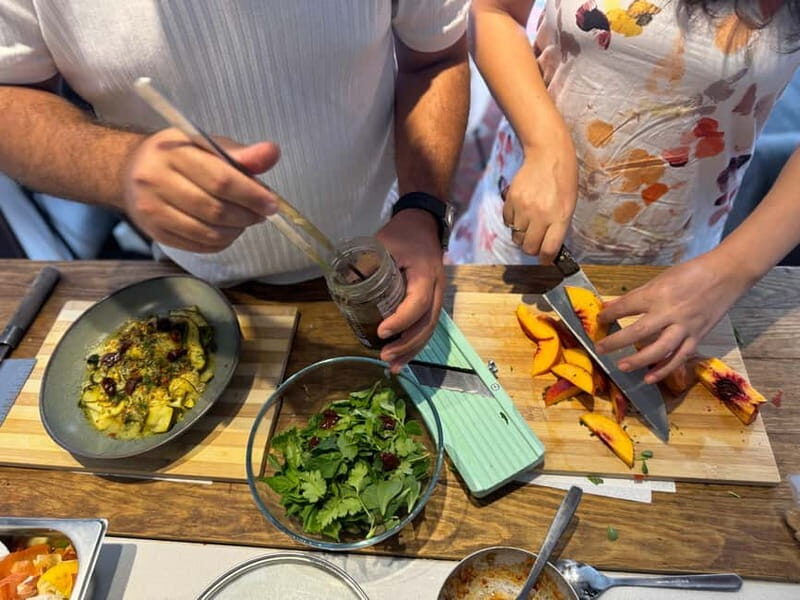

Introduction: The Rich Legacy of Turkish Culinary Traditions
Turkey, a land that bridges two continents, is a country rich in history, culture, and, of course, food. Turkish cuisine is a mosaic of flavors and techniques that reflect centuries of cultural exchange, trade, and historical influences from Asia, the Middle East, and Europe. The diverse range of dishes and ingredients, from mezes (appetizers) and kebabs to baklava and çay (tea), offers an unparalleled culinary experience.
For food enthusiasts and travelers, a Turkish cooking class provides the perfect opportunity to dive deep into this fascinating culinary world. Learning how to cook traditional Turkish dishes not only allows you to bring a piece of Turkey back home but also offers insights into the country’s culture, customs, and the stories behind its food. From learning about seasonal ingredients to mastering age-old cooking techniques, Turkish cooking classes offer more than just a chance to cook—they provide a holistic immersion into the Turkish way of life.
This article will explore the significance of Turkish cooking, the structure of cooking classes in Turkey, and why food is an essential part of the country’s identity. We will also highlight the culinary techniques and popular dishes that make Turkish cuisine so unique, and how taking part in a cooking class can provide a deeper connection to Turkish culture.
The Essence of Turkish Cuisine
Turkish cuisine is a reflection of the country’s rich history, blending flavors and techniques from ancient civilizations, including the Ottomans, Byzantines, Persians, and Arabs. The geographic location of Turkey, with its crossroads between Europe and Asia, has made it a melting pot of culinary traditions. Its cuisine is diverse, ranging from hearty meat dishes to fresh vegetables, vibrant herbs, and sweet pastries.
1. Influences and Ingredients
One of the most remarkable aspects of Turkish cooking is the way it combines ingredients from the various regions of the country. The Aegean region is known for its abundance of olive oil-based dishes and fresh vegetables, while the Southeast features rich kebabs and grilled meats, often accompanied by spicy and tangy flavors. The Central Anatolia region boasts hearty stews and lamb dishes, while Istanbul blends both European and Asian flavors.
The most common ingredients in Turkish cuisine include:
- Olive oil: A staple in Turkish cooking, used both for frying and dressing dishes.
- Yogurt: A key ingredient, often used as a base for sauces and dips, and paired with savory dishes like kebabs and mezes.
- Lamb: A favorite meat, especially in dishes like kebabs, köfte, and stews.
- Fresh vegetables: Tomatoes, cucumbers, eggplant, and peppers are integral to Turkish cuisine, often served in salads, stews, and stuffed dishes.
- Spices: Turkish cuisine makes use of an extensive range of spices, including cumin, paprika, cinnamon, sumac, and mint, which are used to create a harmonious balance of flavors.
2. The Role of Food in Turkish Culture
Food plays a central role in Turkish society. It is not only an essential part of daily life but also a vehicle for social interaction. Sharing a meal with family and friends is a fundamental part of Turkish hospitality. Guests are often greeted with a warm offering of tea, and mealtime is a celebration of both food and community.
In addition, food in Turkey is often a reflection of cultural and regional identities. Each region has its own specialties, such as İskender kebab from Bursa, testi kebab from Cappadocia, or baklava from Gaziantep. These dishes are not merely recipes; they represent the people, the land, and the history of a particular place.
Why Take a Turkish Cooking Class?
Participating in a Turkish cooking class is an exciting and educational way to engage with the country’s rich culinary tradition. Whether you’re a beginner in the kitchen or a seasoned cook, a cooking class in Turkey offers valuable lessons in authentic techniques and flavors. Here are some of the reasons why a Turkish cooking class is worth your time:
1. Hands-on Learning of Traditional Techniques
In a Turkish cooking class, participants are guided through the preparation of a variety of dishes, often using traditional techniques that have been passed down through generations. You’ll learn how to knead dough for pide (Turkish flatbread), master the art of grilling the perfect kebab, and prepare dolma (stuffed grape leaves) with a variety of fillings.
The hands-on experience allows you to engage with the ingredients and learn how to balance flavors in a way that is characteristic of Turkish cuisine. This practical knowledge is something that can only be truly gained by doing, and it is one of the most rewarding aspects of a Turkish cooking class.
2. Exposure to Regional Varieties
Turkey’s vast geographic landscape means that different regions have unique culinary styles. In a Turkish cooking class, you’ll likely be introduced to the diversity of Turkish cuisine. Whether you’re learning to make the rich, spicy Adana kebab from the Southeast, or crafting the delicate pastries of the Aegean, a cooking class offers an authentic and regional approach to Turkish cooking. Each region has its own distinct methods and ingredients, and through the class, you’ll gain an appreciation for these culinary nuances.
3. Cultural Immersion
Food is one of the most intimate ways to experience a culture, and Turkish cooking classes provide an immersive experience that goes beyond recipes. During your class, the instructor will often share stories about the origins of dishes, the cultural significance of certain foods, and the ways in which food is intertwined with Turkish customs and traditions.
Additionally, many cooking classes are held in local homes or small family-owned kitchens, providing an authentic and personal environment in which to learn. This intimacy enhances the cultural experience and allows you to form deeper connections with the people who are sharing their culinary knowledge with you.
4. Savoring the Results
After spending hours preparing your dishes, the best part of a Turkish cooking class is the chance to sit down and enjoy the food you’ve made. Turkish meals are often served family-style, and the experience of sharing food with fellow students and the instructor is an essential part of the experience. In many classes, the meal concludes with a traditional Turkish tea or baklava, offering a sweet and satisfying end to your culinary journey.
Popular Dishes You Will Learn in Turkish Cooking Classes
Turkey’s culinary repertoire is vast and varied, but certain dishes stand out as staples of Turkish cooking. Here are some of the popular dishes you might encounter during a Turkish cooking class:
1. Kebabs
Perhaps the most famous dish associated with Turkish cuisine, kebabs are made by grilling marinated meat, often lamb or chicken, on skewers. There are many varieties of kebabs, ranging from Adana kebab (spicy minced lamb) to şiş kebab (chunks of meat and vegetables). In a cooking class, you’ll learn how to prepare the perfect marinade, skewering techniques, and the art of grilling.
2. Mezes
Mezes are small appetizer-sized dishes served as part of a larger meal, often to accompany drinks or as a starter. These can include hummus, ezme (spicy tomato salad), baba ghanoush, labneh, and acılı ezme. A Turkish cooking class will teach you the delicate art of preparing these dishes, with an emphasis on fresh, flavorful ingredients and balancing spices.
3. Pide
Pide is a traditional Turkish flatbread, similar to pizza, but with a thinner crust. It is often topped with a variety of ingredients, such as cheese, spinach, or minced meat. A cooking class will show you how to prepare the dough, top it with savory fillings, and bake it to perfection.
4. Baklava
No visit to Turkey would be complete without trying baklava, the country’s iconic sweet pastry. Made from layers of filo dough, chopped nuts (usually pistachios), and sweet syrup, baklava is a true labor of love. In a cooking class, you’ll learn how to prepare the dough, layer it perfectly, and bake it until golden and crisp.
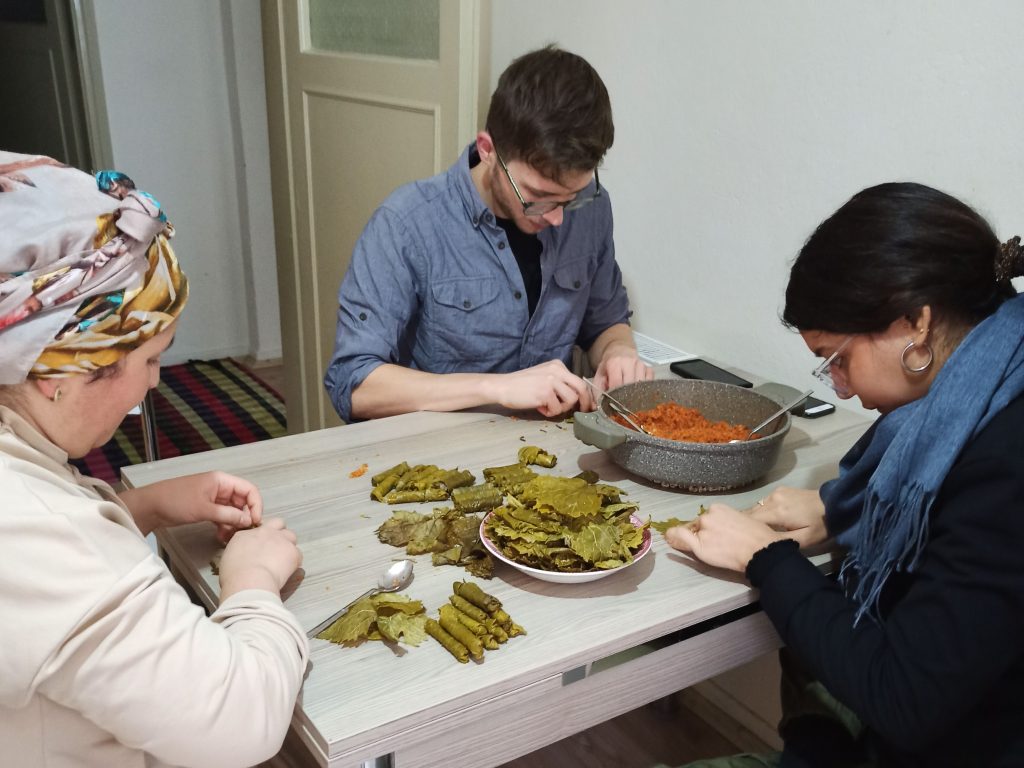
5. Dolma
Dolma refers to vine leaves stuffed with rice, herbs, and sometimes meat. It’s a dish with many regional variations, and during a Turkish cooking class, you’ll learn how to prepare these delicate parcels, along with the technique of folding and wrapping them so they cook to perfection.
Where to Take a Turkish Cooking Class
Turkey offers a wide variety of cooking classes that cater to all levels of culinary expertise. Here are a few of the most popular locations to consider for a Turkish cooking class:
1. Istanbul
As the country’s cultural and culinary hub, Istanbul offers numerous cooking schools and classes, from hands-on workshops to private lessons in local homes. Many classes are offered in the Sultanahmet district or in neighborhoods like Kadıköy and Galata, where you can explore Istanbul’s vibrant food scene and learn from local chefs.
2. Cappadocia
Famous for its unique landscapes and cave dwellings, Cappadocia is also home to excellent cooking classes. In a region known for its rich culinary traditions, cooking classes often focus on the unique flavors of Central Anatolia, such as hearty stews and savory pastries.
3. Antalya
Located on the Mediterranean coast, Antalya offers cooking classes that emphasize fresh, seasonal ingredients and seafood. Classes in this region may focus on dishes like grilled fish, pide, and Mediterranean-style mezes.
4. Ephesus
The region around Ephesus, known for its ancient ruins, also offers cooking experiences where you can learn about Aegean cuisine, famous for its olive oil-based dishes and vegetable-rich meals. Classes in this area often incorporate local ingredients and traditional methods.
Conclusion: A Culinary Adventure in Turkey
Taking a Turkish cooking class offers an unforgettable way to connect with the country’s rich culinary heritage. Whether you’re looking to learn how to prepare classic dishes like kebabs and baklava or want to dive into the regional specialties of Central Anatolia or the Aegean, Turkish cooking classes provide a unique opportunity to immerse yourself in Turkey’s food culture. Through hands-on learning and cultural insights, you can bring the flavors of Turkey into your own kitchen and experience the joy of Turkish hospitality.
In a country where food is much more than sustenance, a cooking class is a gateway to understanding the deep cultural, historical, and social significance of food in Turkish life. From the spices to the cooking techniques and the communal nature of dining, every dish tells a story, and every bite is a step closer to understanding the heart of Turkey.