





Introduction: The Allure of Spain’s Countryside
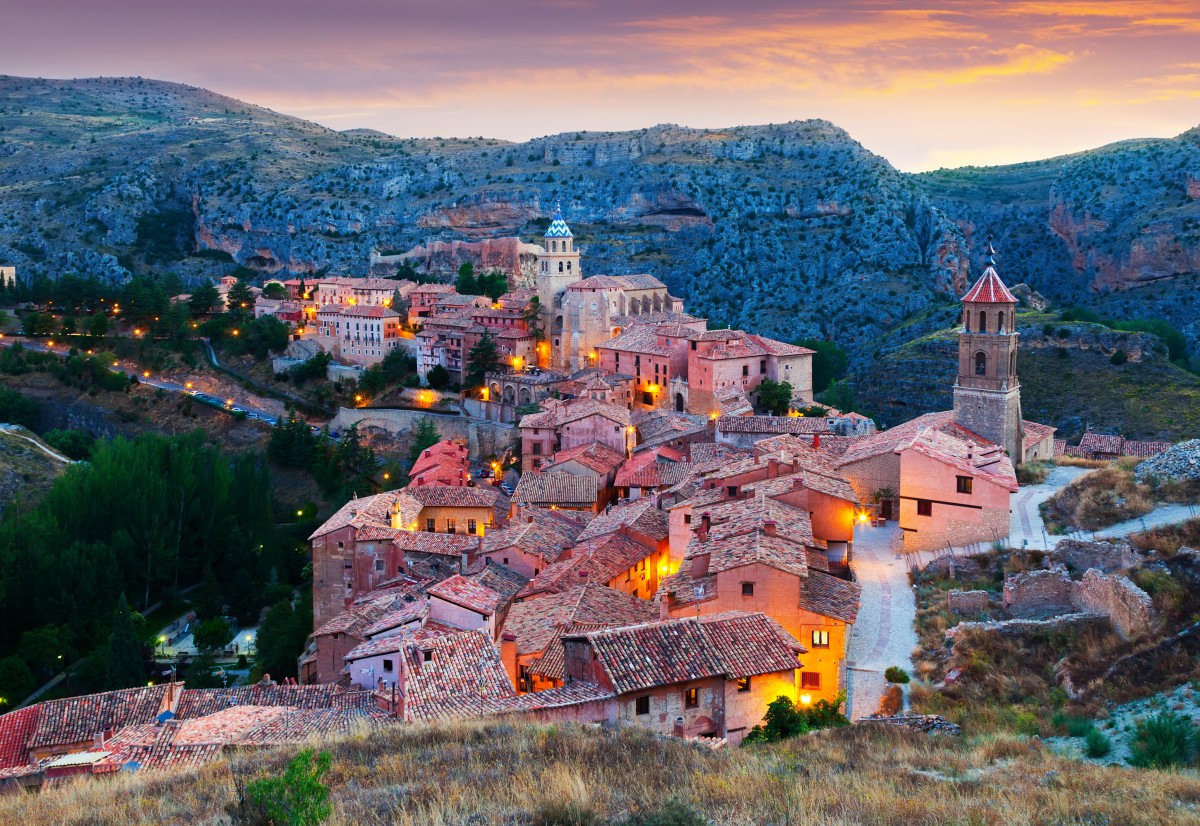
When most people think of Spain, they envision vibrant cities like Madrid, Barcelona, and Seville, with their bustling streets, historical monuments, and famous landmarks. However, beyond the lively urban centers lies a Spain that is just as captivating, yet vastly different. Rural Spain, with its picturesque villages, rolling hills, rustic vineyards, and ancient farming traditions, offers an authentic and serene alternative to the country’s busy metropolises.
Rural tourism in Spain has seen a resurgence in recent years, as travelers seek out more immersive and sustainable experiences that allow them to connect with local culture, history, and nature. From exploring Andalusian olive groves to staying in traditional Catalan farmhouses, Spain’s rural areas offer countless opportunities to escape the crowds and experience a slower, more authentic pace of life.
In this article, we will delve into the various rural experiences Spain has to offer, from agritourism and nature excursions to cultural and gastronomic adventures. We will explore why rural tourism in Spain is an increasingly popular choice for travelers looking for something more off the beaten path, and how these experiences benefit local communities and the environment.
Why Choose Rural Spain?
1. Authentic Cultural Immersion
One of the most compelling reasons to visit rural Spain is the opportunity to experience its authentic culture. While cities like Madrid and Barcelona are full of modern attractions and international influences, the countryside preserves the traditional ways of life that have existed for centuries. Local customs, craftsmanship, and culinary traditions are deeply rooted in rural Spain, providing a unique cultural experience.
For example, small towns in regions such as Castile and León, Extremadura, and Navarra are steeped in history, with centuries-old traditions in agriculture, craftwork, and festivals. Travelers can visit family-run farms, explore ancient olive groves, or witness traditional festivals like La Fiesta del Vino (The Wine Festival) in the town of Haro, where the local wine culture is celebrated.
2. The Beauty of Spain’s Landscapes
Rural Spain is home to some of the most stunning landscapes in Europe. The country’s diverse geography—ranging from the rugged mountains of Andorra to the sun-drenched plains of La Mancha—provides a rich tapestry of natural beauty. In regions like Castilla-La Mancha, Galicia, and Aragon, visitors can immerse themselves in landscapes that are as diverse as they are spectacular, from lush vineyards to tranquil lakes and ancient forests.
Hiking, cycling, and horseback riding through these varied terrains allow travelers to experience Spain’s natural beauty up close. The Picos de Europa in Cantabria, for instance, offers dramatic mountain scenery, while the Sierra de Gredos in Castile and León is perfect for those who want to explore Spain’s highland ecosystems.
3. Sustainability and Responsible Tourism
Rural tourism in Spain is an ideal way to support sustainable travel practices. Many rural areas focus on eco-friendly accommodations, organic farming, and locally sourced products. By choosing rural Spain, travelers not only experience a more sustainable form of tourism but also contribute to the economic and environmental sustainability of local communities.
For example, agritourism offers visitors the chance to stay on organic farms or participate in vineyard tours, where they can learn about the sustainable practices that local farmers use to cultivate their land. Many of these rural destinations are committed to preserving their natural surroundings by promoting responsible tourism practices, such as minimizing waste and protecting biodiversity.
4. Gastronomy: A Taste of the Land
Food is at the heart of Spanish culture, and rural areas are the perfect places to explore the country’s rich culinary heritage. From paella in Valencia to tapas in Andalusia, rural Spain offers a unique gastronomic experience that showcases the diversity of regional ingredients and traditional cooking methods.
Travelers can enjoy farm-to-table dining, where the food on their plate is sourced directly from the land surrounding them. In rural areas, meals are often made with seasonal ingredients grown locally, ensuring that each dish is fresh and flavorful. Olive oil, cheese, wine, and cured meats are just a few of the staples that travelers can sample during their visit.
Types of Rural Experiences in Spain
Spain’s countryside offers a wide range of experiences, each designed to help visitors connect with the land, the people, and the local traditions. Here are some of the top rural tourism experiences in Spain:
1. Agritourism: Staying on a Working Farm
Agritourism, or agroturismo, is one of the best ways to experience rural Spain firsthand. Visitors can stay on working farms and experience life as a farmer, participating in activities such as harvesting grapes, milking cows, or making cheese. This form of tourism allows travelers to learn about traditional farming practices, engage with local farmers, and even contribute to the work.
Regions like Catalonia, Extremadura, and La Rioja offer numerous farm stays, where visitors can experience the rural lifestyle and enjoy homegrown food. For example, in the Penedés region of Catalonia, travelers can stay at family-run vineyards, helping with the grape harvest and enjoying private tours of the winery.
2. Wine Tourism: Exploring Spain’s Vineyards
Spain is one of the largest wine producers in the world, and its rural areas are home to some of the most prestigious wine regions. La Rioja, Ribera del Duero, and Priorat are just a few of the regions where visitors can enjoy wine tourism—exploring sprawling vineyards, touring family-run wineries, and tasting some of Spain’s finest wines.
Many wineries in rural Spain offer immersive wine experiences, where visitors can learn about the winemaking process, tour the vineyards, and taste local wines paired with traditional Spanish foods. Wine harvest festivals are also an excellent way to experience the celebration of the grape harvest in rural communities.
3. Hiking and Nature Tours
Spain’s countryside is an outdoor enthusiast’s paradise, with countless hiking and nature trails that take visitors through stunning landscapes. Whether it’s trekking through the Picos de Europa, walking along the Camino de Santiago pilgrimage route, or exploring the rugged beauty of Sierra de Gredos, there are plenty of opportunities to enjoy nature in rural Spain.
Hiking tours often take visitors through remote villages, where they can meet locals and learn about their way of life. Nature tours also provide insight into Spain’s diverse ecosystems, from coastal areas to forests and mountain ranges. Birdwatching, wildflower spotting, and other eco-tourism activities are popular in rural Spain, particularly in areas like Doñana National Park and Los Alcornocales in Andalusia.
4. Cultural and Heritage Tourism
Spain’s rural areas are rich in history and culture, offering plenty of opportunities for heritage tourism. Medieval villages in regions like Castile and León, Extremadura, and Aragon are home to historic castles, Roman ruins, and traditional architecture. Small towns like Alcalá del Júcar and Mogarraz boast well-preserved buildings, narrow streets, and local festivals that celebrate Spain’s cultural traditions.
Travelers can visit craft workshops to learn about traditional crafts such as pottery, weaving, and leatherworking. In many rural areas, local artisans continue to practice centuries-old techniques, providing an authentic glimpse into Spain’s rich cultural heritage.
5. Rural Wellness and Retreats
For those seeking relaxation and rejuvenation, rural Spain offers an abundance of wellness retreats. Located in serene, tranquil settings, these retreats provide yoga, meditation, and spa treatments designed to help travelers unwind and disconnect from the stresses of modern life.
Many rural wellness retreats also focus on sustainable living, offering eco-friendly accommodations, organic food, and mindfulness practices that promote both physical and mental well-being. The peaceful surroundings of Spain’s countryside provide the perfect backdrop for relaxation and healing.
Popular Rural Regions to Explore
1. Andalusia: The Heart of Rural Spain
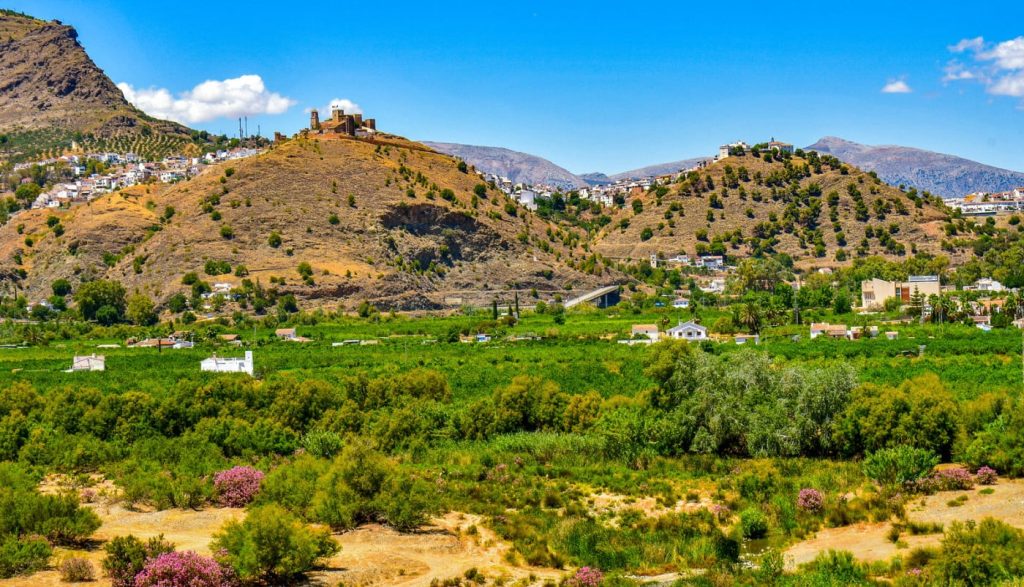
Andalusia, with its rolling hills, ancient olive groves, and white-washed villages, is the epitome of rural Spain. The Sierra de Grazalema offers beautiful hiking routes, while towns like Ronda and Mijas are perfect for exploring traditional Spanish life. Olive oil tours are popular in this region, where visitors can learn about the production of one of Spain’s most important exports.
2. Castile and León: Spain’s Medieval Heart
Castile and León is home to some of Spain’s most impressive medieval villages, such as Peñafiel and Burgos. The region is rich in history, with Romanesque churches, medieval castles, and scenic vineyards. The Duero River offers opportunities for peaceful boat rides, while the nearby countryside is perfect for hiking and exploring.
3. Catalonia: From the Pyrenees to the Sea
Catalonia is known for its diverse landscapes, from the rugged Pyrenees Mountains to the Mediterranean coastline. Rural experiences here range from staying in remote mountain villages to exploring vineyards in the Penedés region. Costa Brava also offers opportunities for coastal hiking and enjoying fresh seafood.
4. La Rioja: Spain’s Wine Region
La Rioja is Spain’s premier wine-producing region, offering visitors the chance to tour vineyards and wineries while exploring picturesque villages like Haro and Logroño. The area is also home to the Camino de Santiago, making it a popular destination for pilgrims and nature lovers alike.
Conclusion: Discovering the Hidden Gems of Spain’s Countryside
Rural Spain offers an enriching, immersive, and sustainable way to experience the country beyond its famous cities. With its stunning landscapes, rich cultural heritage, and authentic experiences, Spain’s rural areas are becoming a go-to destination for travelers seeking something different. Whether you’re interested in agritourism, wine tasting, nature hikes, or cultural exploration, rural Spain has something to offer everyone.
By embracing rural tourism, travelers can connect with local communities, support sustainable practices, and create lasting memories in one of Europe’s most diverse and enchanting destinations. As rural tourism in Spain continues to grow, it will undoubtedly play a key role in preserving the country’s cultural and environmental heritage for future generations.