





Introduction: The Allure of Indian Street Food
When one thinks of India, the mind immediately conjures up images of vibrant colors, ancient temples, bustling markets, and, of course, the tantalizing smells of street food wafting through the air. Street food in India is not just a culinary delight—it’s a vital part of the country’s cultural fabric. Each region of India offers a unique array of flavors, textures, and cooking techniques that are deeply rooted in local history, traditions, and community life.
From the spicy chaats of Delhi to the crispy vada pav of Mumbai, and the sweet peda of Mathura, Indian street food represents the diversity, creativity, and hospitality of the nation. It’s an immersive experience that transcends just eating—it’s about experiencing the soul of a place through its food. For the traveler, indulging in local street food is one of the most memorable and enriching ways to connect with a destination.
In this article, we will explore the world of Indian street food, from its cultural significance to the best street foods across various regions. We’ll also discuss the street food scene’s rise in global culinary tourism and why it continues to capture the imagination of both locals and travelers alike.
A Brief History of Street Food in India
1. The Origins of Street Food Culture
Street food in India has ancient roots. While the origins of the practice are difficult to trace precisely, the bustling streets of ancient Indian cities were already home to vendors offering local food as early as the Indus Valley Civilization. Over the centuries, as India’s cities grew and evolved, so did the variety of street food. It was always intended to cater to the masses—quick, affordable, and bursting with flavor.
Historically, Indian street food has been a representation of the working class. Street food vendors, known as “thelas” or “chaatwalas,” offered affordable meals to people who were on the go. For centuries, the spices, herbs, and vegetables used in street food have been sourced from local markets, giving each region its own distinctive flavors and specialties.
2. The Influence of India’s Diverse Culture
India’s street food culture is as diverse as its people. The country is a melting pot of cultures, languages, religions, and traditions, and this is reflected in its food. Regional cuisines vary widely, and so do the street food offerings. From the south, with its rice-based dishes and coconut influences, to the north, where wheat and dairy dominate, each region offers a unique perspective on Indian street food.
Additionally, India’s colonial history has also had an influence on street food. The Mughal empire, for instance, brought the art of grilling meats and baking breads like naan and roti, which later evolved into popular street foods. Similarly, the Portuguese influence in Goa introduced the use of vinegar and fish in street food dishes, which can still be found today.
Thus, every dish is a reflection of the region’s history, people, and culture. This dynamic variety is what makes Indian street food such an appealing experience for tourists looking to explore the culinary diversity of the country.
The Most Popular Street Foods Across India
1. Pani Puri (Gol Gappa) – The King of Chaat
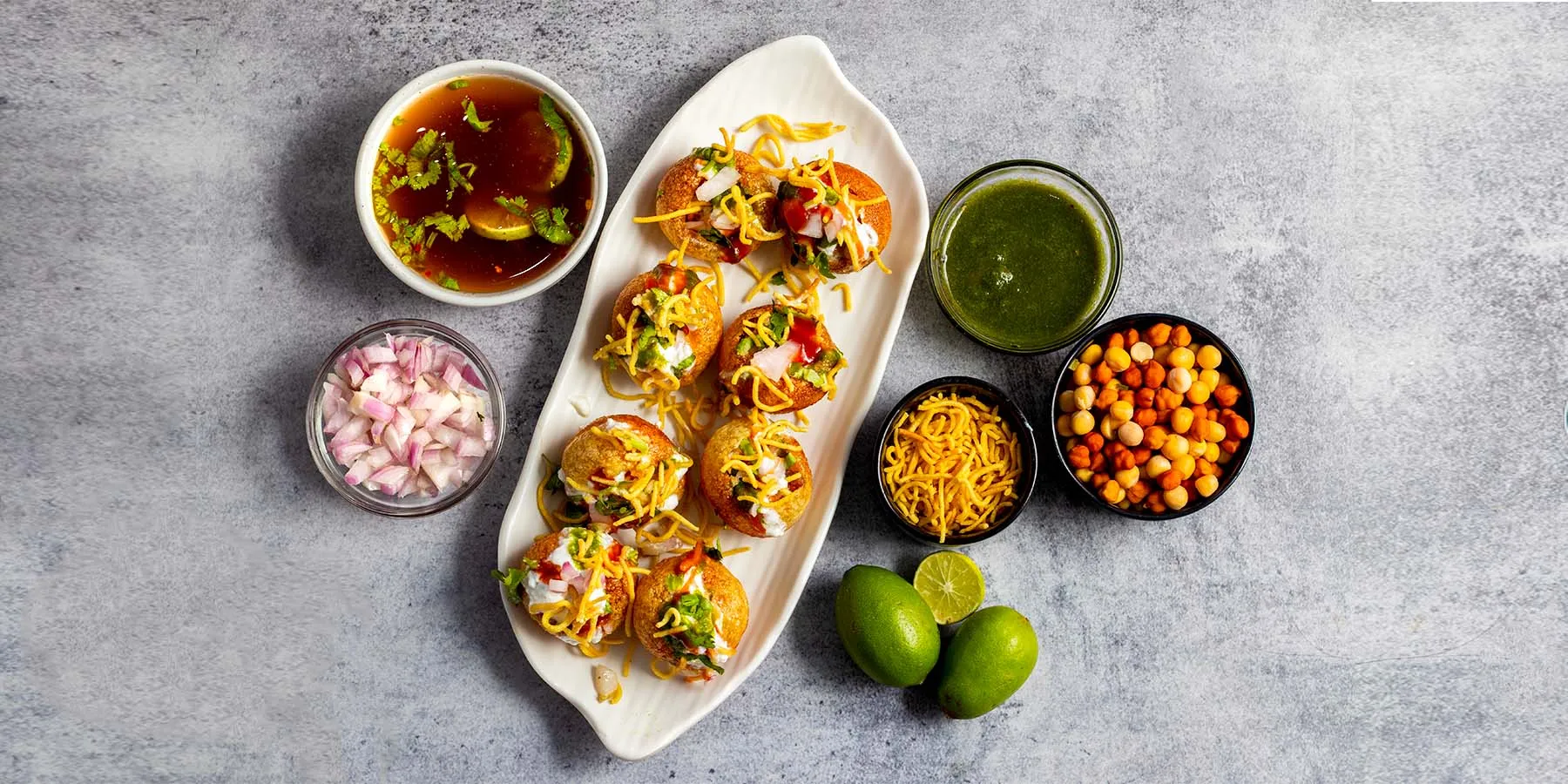
If you visit India and don’t try pani puri, you’ve missed out on one of the most beloved street foods in the country. Known by different names in various regions—gol gappa in the north, pani puri in Maharashtra, and phuchkas in Bengal—this crispy, hollow puri filled with spicy water, potatoes, and chickpeas offers a burst of flavor with every bite. Pani puri is not only popular for its taste but also for its refreshing, tangy, and spicy pani (water) that creates a balance between sweet, salty, spicy, and sour.
This dish is often served in busy street corners, and eating it is a social experience where locals gather to enjoy this snack together. It is often enjoyed as a quick snack but can also be a meal for many, especially when paired with bhel puri or sev puri.
2. Vada Pav – The Iconic Snack of Mumbai
Often referred to as the Indian burger, vada pav is a beloved street food from Mumbai. A spiced potato filling is dipped in batter, deep-fried to a crispy perfection, and then sandwiched between a soft pav (bread roll). It’s usually served with a variety of chutneys, such as mint chutney, tamarind chutney, and spicy green chili chutney.
While it is a favorite snack among Mumbaikars, vada pav has spread across the country, and each vendor offers his own take on this classic dish. It’s affordable, filling, and a must-try for anyone visiting Mumbai.
3. Samosa – A Timeless Snack
A samosa is a deep-fried pastry filled with a spiced mix of potatoes, peas, onions, and coriander. Originally from the Middle East, the samosa found a special place in Indian street food culture centuries ago. Today, samosas are an iconic snack enjoyed at tea-time or as a quick snack throughout the day.
In different regions, samosas have different fillings. For instance, in the south, vegetarian samosas are filled with lentils, while in Punjab, they might be filled with chicken or lamb. Paired with a tangy mint chutney, samosas make for a delicious treat.
4. Dosa – South India’s Signature Dish
The dosa is a crisp, thin pancake made from a fermented batter of rice and urad dal (black lentils). This famous South Indian street food can be found in almost every corner of Chennai, Bangalore, and Hyderabad, where it is often served with a variety of chutneys and sambar (a lentil-based stew).
The dosa is a versatile dish, ranging from the plain dosa, which is light and crispy, to the more elaborate masala dosa, filled with a spiced potato filling. It is often paired with idli (steamed rice cakes) for a complete meal.
5. Chole Bhature – A North Indian Delight
Chole bhature is a hearty dish consisting of spicy chole (chickpeas) served with bhature (deep-fried bread). This popular North Indian dish is often served for breakfast or lunch and is a street food staple in Delhi, Amritsar, and other parts of Northern India. The dish is typically enjoyed with onions, pickles, and yogurt.
The bhature is light, fluffy, and fried to golden perfection, providing a perfect balance to the hearty and flavorful chole. For those with a large appetite, chole bhature is a filling meal that offers a wonderful combination of textures and flavors.
6. Pav Bhaji – A Mumbai Special
Pav bhaji is another iconic Mumbai street food that has made its way into the hearts of food lovers around the world. The dish consists of a spicy vegetable mash (bhaji) served with a buttered pav (bread roll). The bhaji is made by cooking a variety of vegetables, including tomatoes, potatoes, and cauliflower, with a blend of aromatic spices.
It is typically served with chopped onions, cilantro, and a wedge of lemon to add freshness and tanginess to the dish. The richness of the buttered pav contrasts beautifully with the zesty, spicy flavors of the bhaji, making it a satisfying snack or meal.
Regional Variations: A Culinary Map of Indian Street Food
1. North India: The Land of Chaats
In North India, especially in cities like Delhi, Lucknow, and Amritsar, street food is characterized by a wide array of chaats—a mix of fried dough, yogurt, spices, and tamarind chutney. Popular street food items include papri chaat, dahi puri, and aloo tikki chaat. These dishes are famous for their combination of crunchy, spicy, and sweet flavors.
2. South India: Idli, Dosa, and More
In South India, idli, dosa, vada, and sambar dominate the street food scene. These dishes are a reflection of the region’s emphasis on rice and lentils, with a focus on fermentation and deep-frying techniques.
3. West India: Vibrant and Spicy
In Mumbai, vada pav, pav bhaji, and bhel puri are some of the most popular snacks. Goa, known for its Portuguese influence, offers pork vindaloo and fish curry rice, along with unique seafood-based street foods. The region also celebrates sweets, such as bebinca (a traditional Goan dessert).
4. East India: Sweet and Savory Delights
In Bengal, phuchkas and kathi rolls (a type of wrap made with paratha) are widely loved. Kolkata, in particular, is renowned for its street food scene. Additionally, pakhala bhata (fermented rice with vegetables) is a traditional dish from Odisha.
Street Food and Global Culinary Tourism
India’s street food culture is increasingly attracting global attention as part of the growing trend of culinary tourism. International tourists are no longer just visiting India for its historical landmarks or religious sites; they are coming for the opportunity to experience its flavors in an authentic way. As travelers become more discerning, many seek out street food tours led by local experts who provide insights into the history, ingredients, and cooking methods behind each dish.
Food-focused travel companies now offer itineraries dedicated to exploring street food scenes in cities like Delhi, Chennai, Kolkata, and Mumbai. This has not only contributed to the growth of India’s culinary tourism industry but also promoted greater cross-cultural exchange.
Conclusion: More Than Just Food, It’s a Cultural Experience
Indian street food is not merely a way to satisfy hunger—it’s an exploration of India’s vibrant cultural identity. Every bite tells a story, whether it’s about a region’s history, its people, or its social practices. For travelers, indulging in local street food is a profound way to engage with a place beyond the typical tourist experience. Through its bold flavors, diverse offerings, and rich cultural significance, India’s street food scene remains one of the most exciting and rewarding aspects of traveling in the subcontinent.
In the end, street food is a universal experience that transcends borders, inviting travelers to explore the deeper flavors of the world, one bite at a time.