




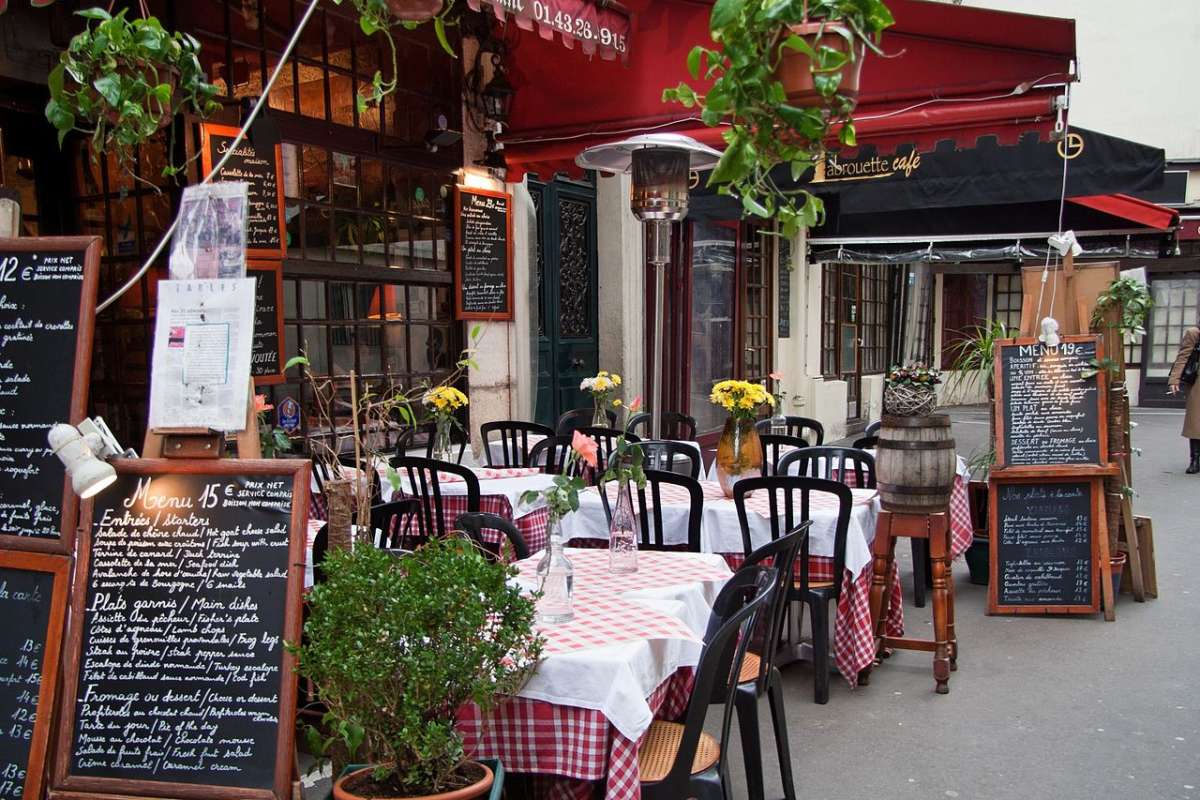

Introduction: The Timeless Allure of Parisian Dining
There are few experiences more quintessentially Parisian than sitting down in a traditional French restaurant and indulging in a carefully crafted meal that showcases the rich history and cultural heritage of French cuisine. Paris, often referred to as the culinary capital of the world, is home to an extensive variety of dining experiences, from chic cafés and bustling bistros to Michelin-starred restaurants that push the boundaries of fine dining. Yet, it’s the traditional French restaurants—those that honor centuries-old recipes and cooking techniques—that truly encapsulate the essence of Parisian gastronomic culture.
In this article, we will explore the significance of traditional French restaurants in Paris, examining how they play a pivotal role in preserving the country’s culinary traditions while offering both locals and visitors a unique dining experience. We’ll dive into the types of traditional French restaurants, the history behind them, the must-try dishes, and what makes dining in these establishments an unforgettable experience. Whether you are a seasoned traveler or a first-time visitor to Paris, the charm of a traditional Parisian restaurant is sure to captivate your senses and leave you with lasting memories.
The Historical Significance of French Cuisine
1. French Cuisine: A Legacy of Elegance and Precision
French cuisine has long been regarded as one of the finest in the world, and Paris, as its culinary heart, is home to a vast range of eating establishments that showcase the art of French cooking. The origins of French cuisine can be traced back to the Middle Ages, with influences from royalty, monastic kitchens, and regional specialties.
By the 17th century, French cooking began to evolve into the refined and elegant style that we know today. The Revolutionary period of the late 18th century introduced a new era for French cuisine, with chefs leaving royal courts to open restaurants for the public. This shift in culinary accessibility paved the way for the emergence of what we now recognize as the modern French restaurant.
French cuisine has always been focused on fresh, high-quality ingredients, techniques of refinement, and a focus on balance. Many of the world’s culinary schools and restaurants still follow these traditions, with Paris being the ultimate destination for experiencing both historical and contemporary French gastronomy.
2. The Birth of the Parisian Restaurant Culture
The tradition of eating out in Paris dates back to the 18th century, though the modern restaurant, as we know it today, was born after the French Revolution. Before the Revolution, fine dining took place in the royal courts or private homes, with feasts often serving as a social event for the elite.
However, after the fall of the monarchy and the opening of the first public restaurant in 1765 by a man named Boulanger, Paris became the epicenter of gastronomic culture. By the early 19th century, French bistros, brasseries, and restaurants became commonplace, offering everyday Parisians the chance to experience gourmet meals in more accessible settings.
Over time, these establishments became the cornerstones of French culinary tradition, each one specializing in different types of dishes and reflecting the flavors of their respective regions.
The Classic Types of Traditional French Restaurants
Paris boasts a wide range of traditional French dining establishments, each with its own history and charm. These restaurants vary in style and formality but share a deep commitment to French culinary heritage. Here are some of the classic types of French restaurants you will encounter in Paris:
1. Bistros: The Heart of Parisian Dining
Bistros are the epitome of traditional Parisian dining. These casual, often family-run establishments offer a relaxed atmosphere where patrons can enjoy hearty, comfort food at affordable prices. Historically, bistros were places for workers to grab a quick meal and drink after a long day, but today they serve as an essential part of Paris’s vibrant dining scene.
Bistro menus typically feature a range of classic French dishes such as coq au vin, cassoulet, steak frites, and escargots. A typical bistro meal is served in a simple yet elegant manner, with an emphasis on fresh ingredients and traditional recipes. In many cases, bistros offer a daily set menu, or plat du jour, which often includes seasonal offerings based on fresh market ingredients.
2. Brasseries: A More Formal Dining Experience
Brasseries are slightly more formal than bistros but still offer a relaxed and lively environment. Traditionally, brasseries were establishments that brewed and served beer, alongside a variety of hearty French dishes. Today, many brasseries in Paris have elevated their offerings, serving gourmet versions of classic French meals.
The menu at a brasserie will often include seafood platters, duck confit, croque monsieur, chateaubriand steak, and a variety of freshly made pastries. Brasseries are popular for both lunch and dinner and are known for their extensive wine lists, with an emphasis on wines from Bordeaux and Burgundy.
3. Bouchons: The Classic Lyonnaise Experience
Originating in Lyon, France, bouchons specialize in hearty, rustic dishes that reflect the rich culinary traditions of the Rhône-Alpes region. Parisian bouchons offer an authentic glimpse into the French provincial lifestyle, with a focus on meat-centric dishes and local ingredients.
Typical bouchon fare includes quenelles (a type of fish or meat dumpling), andouillette (a French sausage made from tripe), and salmon à la lyonnaise. These traditional Lyonnaise restaurants also serve charcuterie, cheese, and local wines that pair perfectly with the rich, robust flavors of the food.
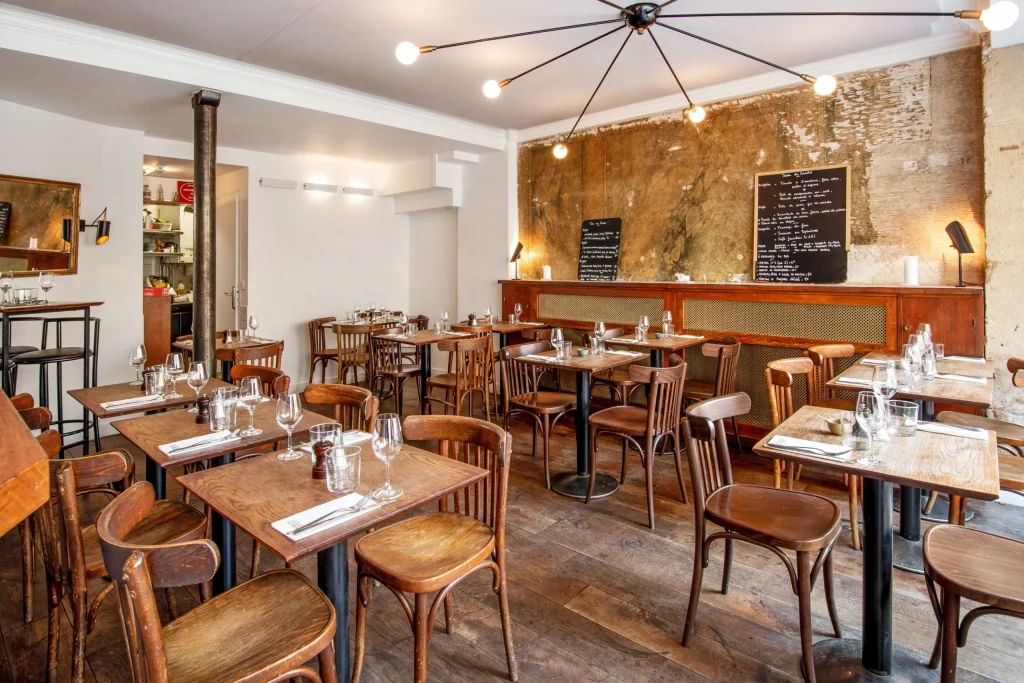
4. Gastronomic Restaurants: Fine Dining at Its Best
While bistros and brasseries offer approachable French meals, gastronomic restaurants represent the pinnacle of Parisian dining. These Michelin-starred and high-end fine dining establishments specialize in creating exquisite culinary works of art.
Gastronomic restaurants in Paris often offer tasting menus that showcase the chef’s expertise, with each dish meticulously crafted to highlight a particular ingredient or flavor. Innovative techniques, seasonal ingredients, and a keen focus on presentation are the hallmarks of these fine dining establishments.
Among the most famous gastronomic restaurants in Paris are Le Cinq at the Four Seasons Hotel George V, L’Arpège, and Guy Savoy.
The Must-Try Dishes at Traditional French Restaurants
The beauty of traditional French restaurants in Paris lies not only in their charming ambiance and historic settings, but also in their diverse menus that showcase the breadth of French cuisine. Here are some must-try dishes that you will encounter at these classic French restaurants:
1. Foie Gras: The Delicacy of French Gastronomy
Foie gras, made from the liver of a duck or goose, is one of the most iconic dishes in French cuisine. Typically served as a starter, foie gras can be prepared in various ways: as a terrine, pâté, or simply sautéed and served with a sweet sauce or compote.
While controversial, foie gras remains a staple of fine French dining and is particularly popular during festive seasons like Christmas and New Year.
2. Escargots: The Parisian Classic
Escargots (snails) are another classic French dish that is often served as an appetizer. The snails are usually prepared with garlic butter, parsley, and herbs, and served in their shells. Though the thought of eating snails might seem strange to some, their rich, garlicky flavor is beloved by many.
3. Coq au Vin: A Hearty French Stew
Coq au vin is a traditional French stew made with chicken, slow-cooked in red wine, mushrooms, onions, and bacon. This dish, which hails from Burgundy, is a perfect example of French home cooking at its finest. Its rich, deep flavors make it an ideal comfort food for colder months.
4. Duck Confit: A French Classic
Duck confit, a dish made from slow-cooked duck legs that are tender and juicy, is a mainstay in many Parisian bistros and brasseries. The duck is usually cooked in its own fat until the meat falls off the bone, and is often served with potatoes, vegetables, or salads.
5. Crêpes: The Sweet and Savory Delight
A quintessential French dessert or snack, crêpes are thin pancakes that can be filled with a variety of ingredients, both sweet and savory. Popular fillings include Nutella, sugar and lemon, or cheese and ham.
The Ambiance of Traditional French Restaurants
Dining in a traditional French restaurant in Paris is an experience that goes beyond food. The ambiance plays a crucial role in making the meal unforgettable. The bistro or brasserie will often have checkered floors, wooden tables, and vintage posters, creating a welcoming and relaxed environment. The lighting is typically soft, with dim overhead lights and candles creating a cozy atmosphere.
In contrast, gastronomic restaurants are more formal, with elegant décor, white tablecloths, and polished service. The focus is on creating an atmosphere that enhances the fine dining experience, making guests feel both special and comfortable.
Conclusion: A True Taste of Paris
Dining in a traditional French restaurant in Paris offers more than just a meal—it provides an opportunity to delve into the heart of French culture and experience a world-renowned culinary tradition. Whether you are seeking a simple, rustic meal in a bistro, an indulgent experience in a gastronomic restaurant, or a taste of regional specialties in a bouchon, Paris’s culinary scene offers something for every type of food lover.
For travelers, experiencing the city’s restaurants is not just about eating—it’s about embracing the spirit of Parisian life and indulging in the timeless allure of French cuisine.