




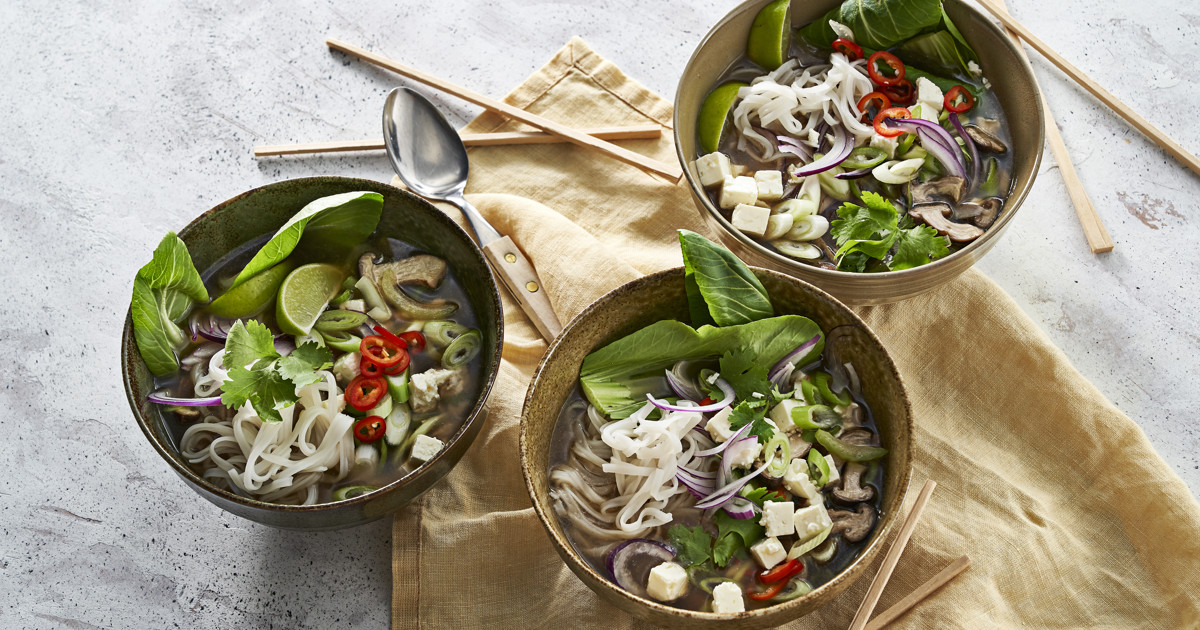

Introduction: The Allure of Vietnamese Pho
Vietnamese Pho (pronounced “fuh”) is not just a dish; it’s a symbol of Vietnamese identity. Steaming bowls of Pho can be found in almost every corner of Vietnam, from the bustling streets of Hanoi in the north to the vibrant markets of Ho Chi Minh City in the south. This aromatic soup, with its fragrant broth, delicate rice noodles, and various toppings, encapsulates the flavors of Vietnamese cuisine and has captured the hearts of food lovers around the world.
For travelers seeking a truly immersive cultural experience, attending a Pho-making class in Vietnam is an unforgettable journey. In these hands-on classes, participants not only learn to prepare this beloved dish but also gain insight into the history, significance, and techniques behind one of the most iconic meals in Vietnam’s culinary repertoire.
This article explores the cultural importance of Pho, the process of making it from scratch, and the enriching experience of participating in a Pho-making class in Vietnam.
The Origins and History of Pho
1. The Birth of Pho: A Culinary Evolution
Pho is believed to have originated in the early 20th century in Hanoi, the capital of Vietnam. The dish’s roots can be traced back to the French colonial period when French influences merged with traditional Vietnamese cooking. It is widely believed that Pho evolved from a French-inspired soup called pot-au-feu, which was adapted with local ingredients and flavors.
Pho’s name itself is thought to come from the French word “pot-au-feu”, which means “pot on the fire” and reflects the slow-cooked nature of the dish. The traditional Pho recipe consists of a flavorful beef or chicken broth, fresh rice noodles, and a variety of fresh herbs and spices.
2. Pho’s Regional Variations
While Pho has become a staple throughout Vietnam, there are notable differences between the northern and southern styles of Pho. The northern style, Pho Hanoi, is known for its simple, clear broth made from beef bones, while Pho Saigon, the southern variation, features a richer, sweeter broth, often served with a wider variety of herbs and toppings.
Each region has its own variations, but one thing remains consistent—Pho is a comfort food, eaten at any time of day and deeply ingrained in Vietnamese life.
The Art of Pho Making: Understanding the Ingredients
1. The Broth: The Heart and Soul of Pho
The broth is the most crucial element in Pho, and making it requires time, patience, and an understanding of the delicate balance between flavors. A well-made Pho broth is rich and aromatic, with a deep umami flavor that is the result of simmering beef or chicken bones for hours. The addition of charred onions, ginger, spices such as star anise, cinnamon, cloves, and cardamom, and a hint of fish sauce brings the broth to life.
A Pho-making class will guide participants through the process of roasting the aromatics, skimming the broth, and achieving that perfect balance of flavors that distinguishes a great Pho from a mediocre one.
2. Rice Noodles: The Delicate Noodle Base
The rice noodles, known as bánh phở, are an essential component of Pho. These flat, wide noodles are made from rice flour and water, and they need to be cooked just right. They are typically soaked in warm water before being blanched in boiling water for just a few seconds to achieve the perfect texture.
In a Pho-making class, participants will learn how to handle the noodles delicately, ensuring they are cooked to the right consistency—soft yet chewy, the perfect complement to the broth.
3. The Toppings: Freshness Is Key
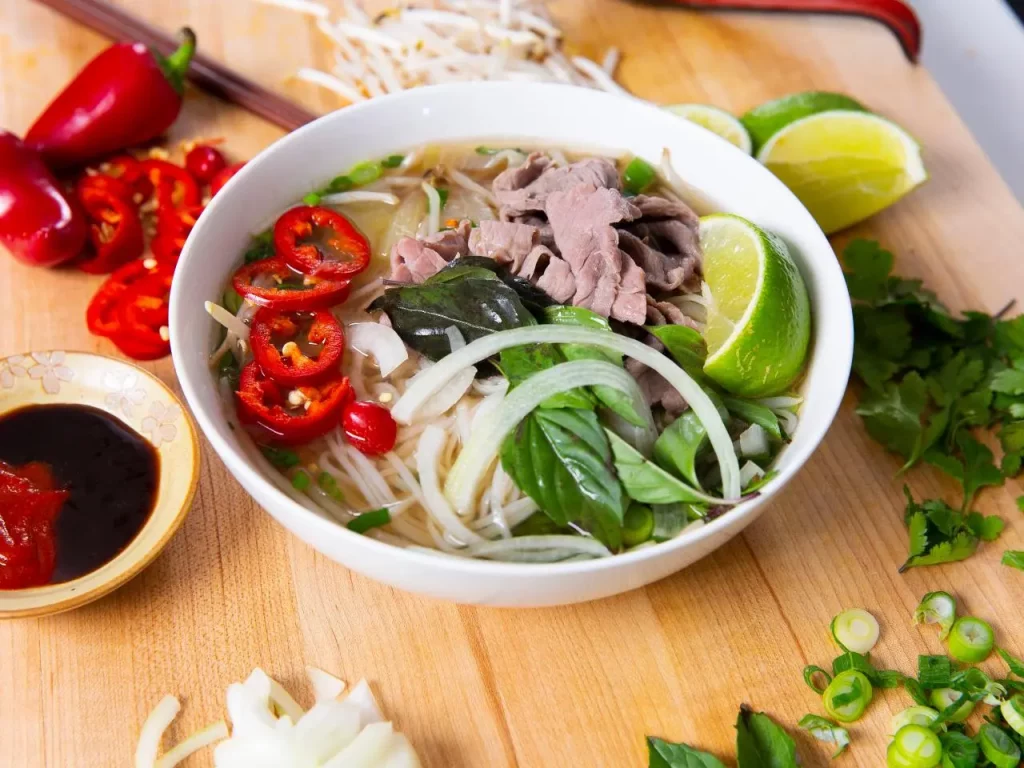
Once the broth and noodles are ready, Pho is garnished with fresh herbs, bean sprouts, lime wedges, jalapeño slices, and hoisin sauce. The toppings are essential for adding a burst of freshness and texture to the dish. Basil, cilantro, and sawtooth coriander (also known as rau răm) are common herbs that are added just before serving, ensuring each bite has the right balance of flavors.
A Pho-making class emphasizes the importance of using fresh, high-quality ingredients and offers tips on how to arrange and serve the toppings, so each diner can adjust their Pho to their liking.
The Pho-Making Class Experience
1. An Immersive Cultural Experience
Attending a Pho-making class in Vietnam is not just about cooking; it’s about immersing oneself in the culture of the dish. Most classes begin with a tour of a local market, where participants can see the fresh ingredients used in Pho and learn about the significance of each item in Vietnamese cooking. This market visit is an introduction to the farm-to-table approach that is a cornerstone of Vietnamese food culture.
During the class, professional chefs or home cooks will teach participants the art of Pho-making, from preparing the broth to cooking the noodles and assembling the dish. These classes typically take place in a home kitchen, a local restaurant, or a dedicated cooking school, where participants can feel the warmth of traditional Vietnamese hospitality.
2. Learning from Local Experts
One of the most rewarding aspects of a Pho-making class is the opportunity to learn from local chefs who have often been making Pho for generations. These chefs are not just skilled in cooking; they are also passionate about sharing the history and culture behind each dish. Many instructors will provide insights into the regional differences in Pho preparation, personal tips and tricks for achieving the best flavors, and stories about how Pho has shaped their family’s traditions.
The instructor will also explain the importance of balance in Pho, ensuring that the flavors of the broth, herbs, and noodles come together in perfect harmony. By the end of the class, participants will have the skills to recreate the dish at home and feel a deeper connection to Vietnamese culture.
3. Hands-On Learning
The hands-on nature of the class allows participants to engage in every step of the process. They will be involved in roasting aromatics, simmering the broth, blanching the noodles, and arranging the toppings. This active participation not only teaches valuable cooking techniques but also helps participants connect more deeply with the dish.
Throughout the class, students will be encouraged to ask questions, interact with the instructor, and even share their own food stories. This interactive element creates an engaging and enjoyable atmosphere, where cooking becomes a social activity rather than a solitary task.
Why Take a Pho-Making Class in Vietnam?
1. Authentic Cultural Immersion
Taking a Pho-making class in Vietnam offers a rare opportunity to experience the country’s food culture from the inside. Unlike taking a cooking class at home, learning in Vietnam allows you to engage with the dish in its true context. You will gain a deeper understanding of Vietnamese hospitality, the role of food in family life, and the social importance of shared meals.
2. Building Culinary Skills
For anyone passionate about cooking, a Pho-making class provides a valuable skill set that can be applied long after the trip is over. From mastering broth-making techniques to learning how to prepare fresh rice noodles, participants will leave the class with knowledge that can be used in their own kitchens. Additionally, many cooking schools offer recipe handouts and personalized tips to help students continue practicing at home.
3. An Unforgettable Travel Experience
Food is often at the heart of travel memories, and a Pho-making class offers an unforgettable experience. Whether you’re a first-time traveler to Vietnam or a frequent visitor, participating in a cooking class allows you to connect with local people and learn about their culinary heritage in a meaningful way. It’s an experience that will enrich your travels and provide lasting memories.
Conclusion: Pho as a Cultural Gateway
Vietnamese Pho is more than just a meal; it is a symbol of Vietnam’s rich culinary heritage and a window into the country’s culture. By attending a Pho-making class, travelers not only learn to cook one of Vietnam’s most beloved dishes but also gain an understanding of the history, traditions, and values that shape Vietnamese food culture.
Whether you’re a seasoned cook or a food enthusiast, the experience of making Pho in Vietnam offers a unique and immersive way to connect with the country’s culture, flavors, and people. It’s an experience that will stay with you long after the last bowl is finished.