





Introduction
Food is not just sustenance; it is an expression of culture, history, and identity. Every bite, every recipe, and every ingredient tells a story about a region’s past, its people, and their connection to the land. As travelers become more focused on meaningful, immersive experiences, food has risen to the forefront of cultural tourism. Immersive culinary travel, which combines the exploration of food with an understanding of cultural history, has become a key way for people to experience new destinations.
In this article, we explore how food serves as a central element of cultural identity and why it is one of the most powerful ways to experience a destination. From street food stalls to Michelin-starred restaurants, from local markets to community feasts, food offers a unique window into a place’s soul. We’ll look at how food not only nourishes the body but also deepens travelers’ connection to the places they visit.
Food as a Reflection of Cultural Identity
The Historical Significance of Food
Food is deeply tied to historical events and traditions that have shaped a culture over centuries. In every country, the dishes people eat reflect their geography, climate, and history. For example, the Italian cuisine that we know today is the product of a mix of Roman, Greek, and later Arab influences, all of which left their marks on pasta, olive oil, and spices. Similarly, Japanese food—known for its precision and simplicity—has evolved through centuries of Buddhist influence, geographic constraints, and seasonal awareness, with rice, seafood, and vegetables at the forefront.
Each culture’s cuisine is a living expression of regional geography and the resources available. The way food is prepared, served, and consumed is an embodiment of historical milestones: colonialism, migration, agriculture, and even trade routes. For example, the spice trade shaped Indian food, introducing a wealth of flavors and techniques from the Middle East, Southeast Asia, and beyond. The enduring presence of rice, beans, and corn in Latin American cuisine is a legacy of the ancient civilizations of Mesoamerica.
Regional Ingredients and Local Knowledge
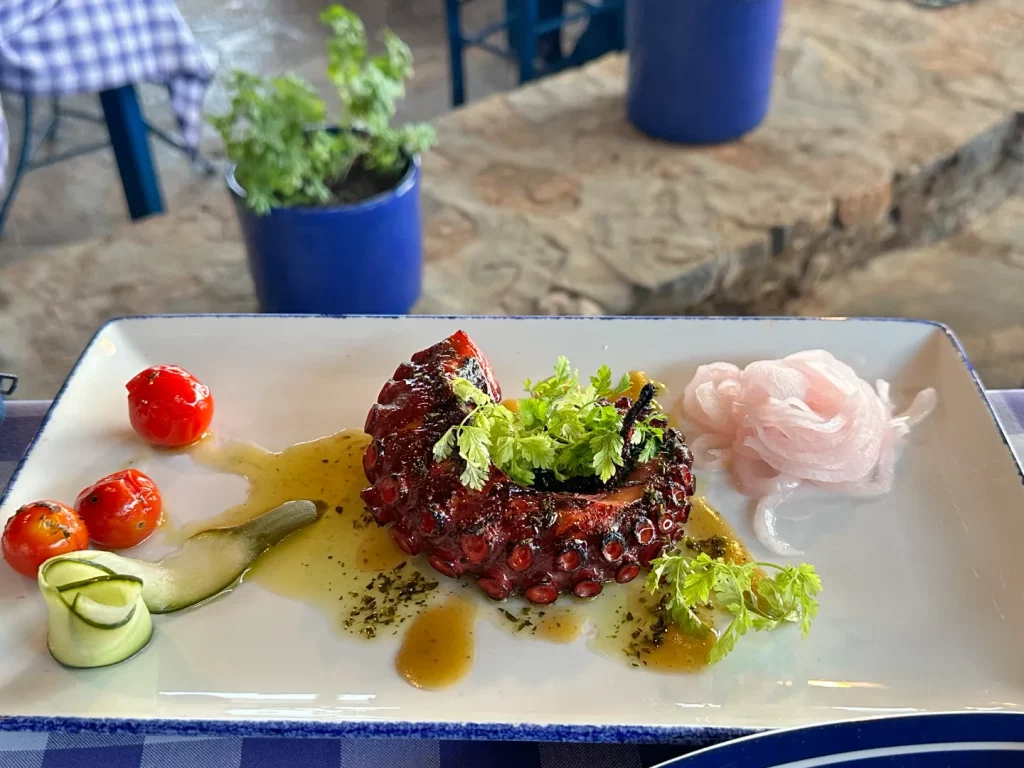
Food tells the story of a culture’s relationship to its environment. The availability of ingredients and the methods of preparation are often dictated by the geography and climate. Coastal regions, like those in Mediterranean countries or Southeast Asia, have evolved cuisines rich in seafood, while agricultural societies have created rich culinary traditions around grains, pulses, and vegetables.
For example, in Peru, food is closely tied to the Andean mountains and the Amazon rainforest, resulting in the use of native ingredients like quinoa, potatoes, corn, and exotic fruits such as lucuma and camu camu. The use of these ingredients is not just about taste but also about sustainability, as these foods have been cultivated in harmony with the land for thousands of years.
In Italy, the diversity of food reflects the variation in climate and terrain. In the north, the cool, alpine air brings an emphasis on cheese and rich pasta dishes, while in the south, the warmer temperatures support the cultivation of tomatoes, olives, and citrus fruits, all of which are staples in the Mediterranean diet.
Food as a Means of Cultural Expression
Culinary Traditions and Social Practices
Food often plays an important role in social interactions and rituals. Whether it’s the family meal, a community celebration, or a ceremonial feast, food is central to the way people interact and connect with one another. It can symbolize hospitality, generosity, and community.
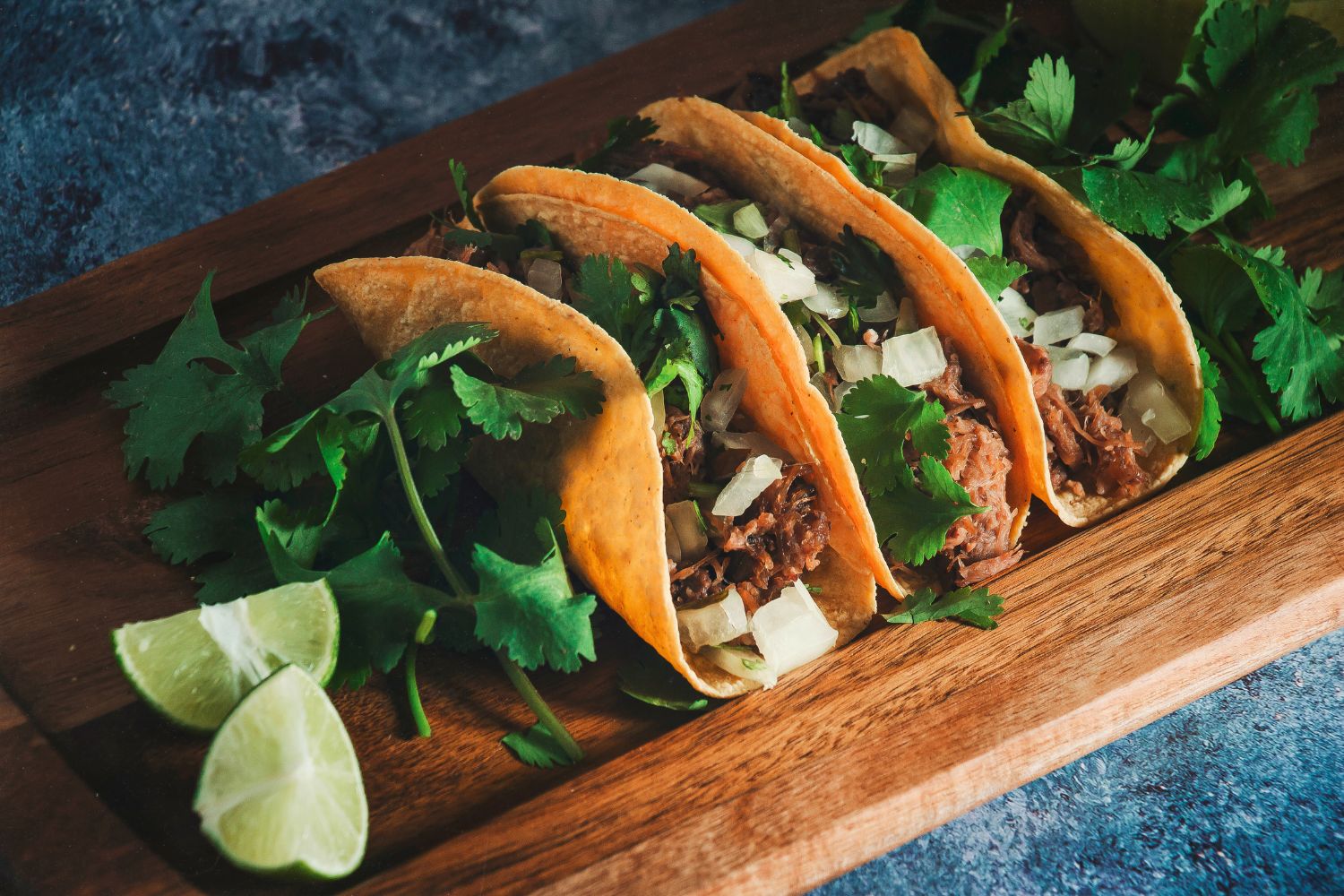
Take the French tradition of the long, multi-course dinner. The meal is an event, not just a chance to eat, but a social gathering that can last for hours. The preparation of food and the sharing of meals with family and friends are part of the social fabric of French life. Similarly, in Mexico, the making and sharing of food like tacos, tamales, and mole are deeply rooted in cultural expression and serve as a way of bonding with family, neighbors, and communities.
In Turkey, the Meze table is an important part of social gatherings, where a wide variety of small dishes are shared among a group. It’s not just about food—it’s about conversation, culture, and sharing. These kinds of culinary practices create a sense of belonging and reinforce the values of family and community.
Food and Identity: A Source of Pride
In many cultures, food is a key component of identity. National and regional dishes often become symbols of pride, and they carry a deep sense of connection to the past. For example, the beloved paella of Spain is more than just a dish; it’s a symbol of Valencian pride. In India, food is an expression of cultural diversity, with each region offering its own distinct dishes and flavors, from spicy curries in the south to rich tandoori meats in the north.
Similarly, barbecue in the southern United States isn’t just a way of cooking meat; it’s a cultural practice that has deep roots in both African American history and Southern hospitality. The act of slow-cooking meat over wood or charcoal is not only about flavor; it’s about community, tradition, and honoring generations of cooks who passed down their techniques.
In the Middle East, the preparation of kebabs, hummus, and baklava is not just about eating; it is a matter of pride, particularly during religious holidays like Eid or Ramadan, when families come together to prepare and share food as part of a spiritual celebration.
Culinary Travel: Immersing Yourself in a Culture Through Food
The Rise of Culinary Tourism
Culinary travel has evolved from a niche interest to a mainstream activity, with food enthusiasts seeking deeper, more immersive experiences that go beyond simply eating at restaurants. Modern travelers are increasingly looking for opportunities to engage with local cultures by exploring food markets, taking cooking classes, and participating in harvest festivals or wine tours.
From street food tours in Bangkok to wine tastings in Tuscany, culinary travel offers travelers the opportunity to get closer to a destination’s traditions, history, and people. This kind of experiential travel allows people to not only taste a culture but to learn how to prepare its food, understand the significance of its ingredients, and discover the stories behind each dish.
Cooking Classes: A Hands-On Cultural Experience
One of the most popular ways to immerse oneself in local food culture is by taking cooking classes. These classes offer visitors a chance to work side by side with local chefs and home cooks to prepare traditional dishes using fresh, local ingredients. In Thailand, cooking classes in Chiang Mai allow travelers to visit local markets and learn how to prepare classic dishes like pad Thai, tom yum soup, and green curry. These classes are not just about the recipes but also about learning about the local herbs, spices, and cooking techniques that define Thai cuisine.
Similarly, in Tuscany, visitors can join cooking workshops where they learn how to make pasta from scratch, Tuscan soups, and even bake traditional Italian bread. These experiences create a direct connection between travelers and the food they eat, offering insight into how food is integrated into daily life and how it connects to local history and geography.
Visiting Food Markets and Street Food
Another excellent way to experience food as an integral part of culture is by visiting food markets and exploring street food. Local markets often represent the beating heart of a community, where fresh produce, artisanal products, and spices are bought and sold. In Marrakech, for instance, the Jemaa el-Fna market is a sensory overload of sights, smells, and sounds, offering everything from spicy tagines to sweet pastries.
Street food in cities like Mexico City, Bangkok, and Istanbul also offers a unique insight into the daily lives of locals. Whether it’s tacos al pastor served from a food cart in Mexico City, satay skewers cooked on a street corner in Jakarta, or baklava served fresh from a stall in Istanbul, street food tells a story of local life, culture, and history.
Conclusion: The Power of Food in Immersive Travel
Food is one of the most accessible and profound ways to experience a culture. It connects travelers to the history, traditions, and people of a place in ways that few other experiences can. Immersive culinary travel provides a deep, authentic connection to a destination, offering insight into its identity and way of life. Whether through a cooking class, a visit to a local market, or a culinary tour, food allows travelers to engage with a culture at its very core.
In today’s world, where cultural exchange is more important than ever, food serves as a powerful tool for fostering understanding and appreciation. Culinary travel offers not just a taste of a place, but a chance to experience its soul, making food an indispensable element of immersive cultural exploration.