





Introduction
Italy, renowned for its rich history, cultural heritage, and gastronomic traditions, has long been a culinary destination for travelers seeking to understand the heart of Italian food. One of the most iconic aspects of Italian cuisine is its pasta, a staple in almost every region of the country. Pasta in Italy is not just a dish but an art form, deeply tied to the country’s culture, history, and agricultural roots.
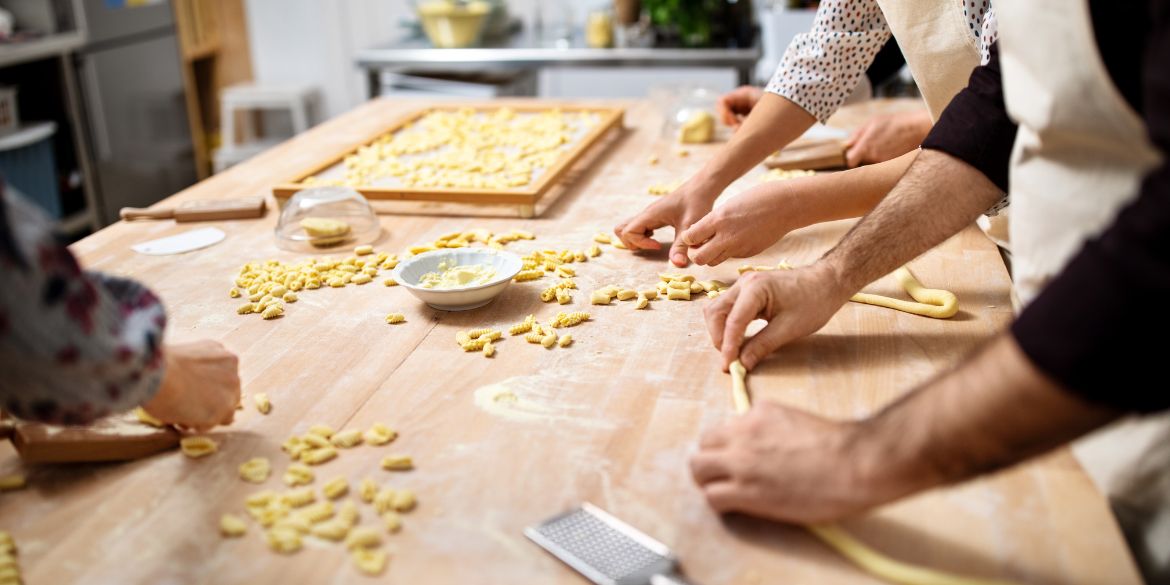
For those looking to go beyond a mere dining experience and dive into the true essence of Italian food, pasta-making classes in Tuscany and other regions offer an immersive way to learn about the art of pasta from local chefs and artisans. Whether in a rustic farm setting amidst the rolling hills of Tuscany or in the charming villages of Emilia-Romagna, travelers have the opportunity to get their hands into the dough, learn time-honored techniques, and connect with the land and culture that have nurtured pasta-making for centuries.
In this article, we explore the history of pasta, the significance of Tuscany’s food culture, and how travelers can participate in hands-on experiences to learn how to make traditional Italian pasta at local farms. These experiences not only allow travelers to understand the techniques behind making fresh pasta but also give them an intimate glimpse into the life of a Tuscan farm, where the philosophy of “slow food” takes center stage.
The Cultural and Historical Importance of Pasta in Italy
Pasta: A Cultural Legacy
Pasta is often seen as the heart of Italian cuisine. The history of pasta dates back over 1,000 years, with various regions of Italy boasting their own unique shapes, sauces, and preparation methods. While its exact origins are debated, pasta is thought to have arrived in Italy either through Arab traders in the Middle Ages or as an ancient Etruscan tradition. By the time of the Renaissance, pasta was firmly embedded in Italian culinary practices, particularly in regions with abundant wheat production.
Each region of Italy has its own relationship with pasta. In the south, the cuisine is influenced by the region’s Mediterranean climate, where pasta is often paired with rich tomato-based sauces and seafood. In contrast, the north is known for egg-based pasta, such as pappardelle, which pairs beautifully with rich meat sauces and wild mushrooms. Whether in Sicily, Sardinia, or Piedmont, every area of Italy boasts unique and deeply-rooted pasta traditions, each serving as a reflection of local ingredients, climate, and agricultural practices.
The Role of Pasta in Italian Agriculture
In Italy, pasta is not merely a dish to be enjoyed; it is a reflection of the nation’s agricultural traditions. The grains used in making pasta, such as semola (durum wheat), are grown throughout the country, particularly in the central and southern regions. The land, its climate, and the relationship between farmers and artisans are key to understanding why pasta holds such an important place in Italian culture.
For example, Tuscany is known for producing high-quality wheat, which is essential for making the perfect pasta dough. The region’s rural farms, many of which have passed down farming practices through generations, often use traditional methods to grow and harvest wheat, ensuring that the grains used in pasta-making are of the highest quality. This agricultural philosophy of sustainability and local production is intertwined with the food culture, reinforcing the deep connection between land and food.
Tuscany: A Culinary Paradise for Pasta Lovers
Tuscany’s Rich Culinary Heritage
Tuscany, with its picturesque landscapes, rolling vineyards, and charming hilltop towns, is not just a destination for wine lovers but also a gastronomic haven. Known for its emphasis on fresh, locally-sourced ingredients, Tuscan cuisine is rooted in the “slow food” philosophy, a movement that promotes traditional cooking methods, the preservation of local food cultures, and a strong connection to local farming.
The Tuscan love for fresh, handmade pasta is particularly evident in the region’s cooking classes, where chefs and farmers invite visitors to step into the kitchen and experience the art of pasta-making firsthand. The focus is on seasonal ingredients, simple techniques, and a deep respect for tradition.
Tuscany’s culinary history is inextricably tied to its agricultural landscape. The region is famous for its olive oil, wine, and cheese, but pasta plays a starring role in many dishes. For example, pappardelle al cinghiale (wide egg noodles with wild boar sauce) and ribollita (a hearty Tuscan soup with bread and vegetables) are classic dishes that highlight the region’s rustic charm and culinary heritage.
Pasta-Making Classes in Tuscany: A Hands-On Experience
Tuscany offers a wealth of culinary experiences for visitors eager to learn the secrets behind authentic Italian pasta. Many of the region’s agriturismos (farm stays) provide travelers with an opportunity to engage in pasta-making classes. These classes are often held in picturesque farmhouses or rustic kitchens, surrounded by olive groves and vineyards, creating a truly immersive experience.
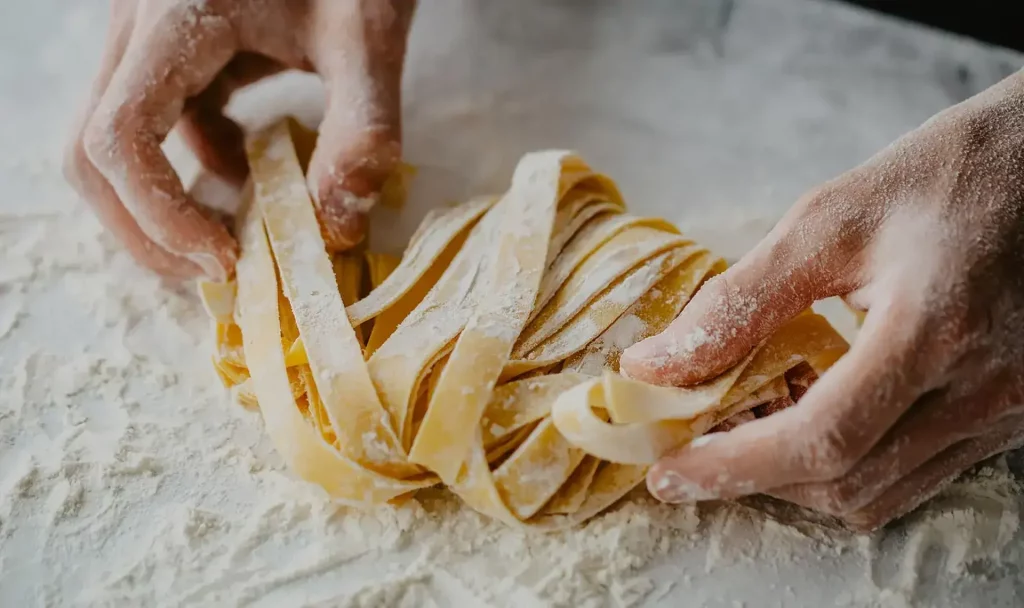
During these classes, travelers are guided by skilled chefs or local cooks who teach them how to make a variety of traditional Tuscan pasta shapes, such as pappardelle, fettucine, and trofie. The experience typically starts with learning how to make the dough from scratch, using local semola flour and eggs. From there, participants are taught how to roll, shape, and cut the pasta into various forms, depending on the dish being prepared.
As part of the experience, participants also learn how to prepare sauces that complement the pasta, such as rich meat ragùs, light vegetable-based sauces, or hearty Tuscan stews. The emphasis is placed on using local, seasonal ingredients and embracing the slow, deliberate process that forms the basis of Italian cooking.
At the end of the class, participants sit down to enjoy the fruits of their labor with a glass of local wine, savoring the taste of their freshly made pasta in a true Tuscan style.
Beyond Tuscany: Pasta-Making Experiences in Other Italian Regions
Emilia-Romagna: The Birthplace of Fresh Pasta
While Tuscany is famous for its rustic, hearty pasta dishes, the neighboring region of Emilia-Romagna is often considered the birthplace of fresh pasta. This region is known for producing some of Italy’s most iconic pasta dishes, including tagliatelle, tortellini, and lasagna. The culinary heritage of Emilia-Romagna is centered around egg-based pasta, and the region is famous for its rich food culture, with dishes like ragù alla bolognese that have achieved international acclaim.
Travelers visiting Emilia-Romagna can also take part in pasta-making workshops that teach them how to prepare tortellini, the region’s most famous dish. These workshops are often led by nonne (grandmothers), who have spent their lives perfecting the art of pasta-making, passing down techniques that have been honed over generations.
Puglia: Traditional Pasta in the Heel of Italy
Further south, in Puglia, travelers can experience a different side of pasta-making. This region is known for its unique shapes, such as orecchiette (little ears), which are typically paired with vegetable-based sauces, like cime di rapa (broccoli rabe). Puglia’s wheat production also makes it an ideal destination for pasta-making enthusiasts.
In the towns of Alberobello and Ostuni, local farms offer hands-on pasta classes where visitors can learn to make orecchiette from scratch. The process of shaping the dough into little ears is a highly personalized technique, often taught with the guidance of local artisans who have inherited the craft from their ancestors.
The Significance of Local Ingredients in Pasta-Making
Semola: The Foundation of Italian Pasta
At the heart of every great pasta lies semola, a high-quality durum wheat flour that gives pasta its firm texture and ability to hold up to hearty sauces. In regions like Tuscany, Emilia-Romagna, and Puglia, semola is grown locally and is considered essential for making the perfect pasta dough.
Pasta-making classes in Italy often emphasize the importance of using local semola, as the quality of the flour directly impacts the final result. Whether participants are making egg pasta in Tuscany or semolina-based pasta in Puglia, the experience of working with fresh, local ingredients adds authenticity and depth to the culinary process.
Conclusion: The Art of Pasta-Making as a Cultural Experience
Learning to make traditional pasta at farms in Tuscany and beyond offers travelers more than just a culinary lesson; it provides a profound connection to the land, the people, and the history of Italy. Pasta-making is an art form that has been passed down through generations, and every twist of dough carries with it the legacy of Italy’s agricultural and culinary traditions.
For those seeking a true, immersive Italian experience, participating in a pasta-making class is an opportunity to engage with Italy’s rich food culture on a deeper level. Whether in the rolling hills of Tuscany, the vibrant kitchens of Emilia-Romagna, or the sun-soaked farms of Puglia, travelers leave with more than just recipes—they take home a piece of Italy’s heart and soul.