





Introduction
Florence, the capital of Tuscany, is a city renowned not only for its stunning art, history, and architecture but also for its rich gastronomic culture. The cuisine of Florence—like much of Tuscany—is deeply rooted in the region’s agricultural traditions, making it a perfect destination for food lovers seeking an authentic culinary experience. What better way to immerse yourself in the flavors of this iconic city than by participating in a traditional Italian cooking class?
Italian cooking classes in Florence offer visitors a unique, hands-on opportunity to learn the secrets of preparing classic Tuscan dishes. Whether you are keen to perfect your pasta-making skills, master the art of making sauces, or explore the intricacies of Italian wine pairing, Florence is the perfect place to engage with Italy’s culinary traditions. The combination of local ingredients, expert chefs, and the breathtaking surroundings of Tuscany create an experience that is both enriching and unforgettable.
This article delves into the beauty of Florentine cuisine, the benefits of participating in a cooking class, and how such an immersive experience can deepen your appreciation for the culture and traditions of Florence. By the end of the article, you’ll be inspired to book your next culinary adventure in this beautiful city.
The Rich Culinary Heritage of Florence
Florence: A Hub of Tuscan Cuisine
Florence, and by extension Tuscany, has long been a region where food is celebrated as part of daily life. The Florentine food culture is influenced by centuries of agricultural heritage, seasonal ingredients, and the straightforward, flavorful cooking techniques that have been passed down through generations. Unlike the complex sauces and heavy dishes found in some other parts of Italy, Tuscan cuisine is known for its simplicity, allowing the flavors of fresh, high-quality ingredients to shine.
Historically, Florence’s location along the Arno River and its proximity to fertile agricultural land have played a pivotal role in shaping the region’s culinary landscape. The city was once a major center of trade, which allowed for the exchange of ingredients and culinary techniques from different regions. However, despite outside influences, the cuisine of Florence remained true to its roots, characterized by fresh vegetables, legumes, local meats, wild game, and herbs.
Some of the most famous dishes in Florence and Tuscany include:
- Bistecca alla Fiorentina: A thick-cut T-bone steak cooked over an open flame, often served with a drizzle of local extra virgin olive oil.
- Ribollita: A hearty vegetable soup made with cabbage, beans, and day-old bread, a traditional dish that represents the essence of rustic Tuscan cooking.
- Pappardelle al Cinghiale: Wide egg pasta served with a rich sauce made from wild boar, a staple in the Tuscan countryside.
The Art of Italian Cooking
Cooking in Italy is more than just preparing food—it’s an art form and a way of life. The Italians’ emphasis on fresh, seasonal ingredients reflects their deep connection to the land, and much of the cooking is based on techniques that have been refined over centuries. Handmade pasta, freshly pressed olive oil, and local cheeses like pecorino and ricotta are just a few examples of the ingredients that make Italian food so extraordinary.
In Florence, this tradition is alive and well, and the city offers a wealth of culinary experiences that allow you to learn from local chefs and immerse yourself in Tuscan food culture. Cooking classes in Florence are among the best ways to dive into this rich culinary world, where you’ll not only get to cook, but also gain insight into the history, tradition, and philosophy behind each dish.
Why Take a Cooking Class in Florence?
Learn from the Experts: Professional Tuscan Chefs
One of the biggest draws of cooking classes in Florence is the opportunity to learn directly from professional chefs and experienced home cooks who have dedicated their lives to the culinary arts. Many classes are taught by chefs who come from Florentine families and have a deep understanding of the region’s culinary history and practices. These chefs are passionate about sharing their knowledge, and they often emphasize the importance of using local, high-quality ingredients and traditional methods.
Classes are typically designed to be interactive, ensuring that you don’t just watch but actively participate in the cooking process. You might find yourself learning how to knead fresh pasta dough, roast a perfect T-bone steak, or prepare a classic Italian dessert such as tiramisu or cantucci. The hands-on nature of these classes allows you to absorb techniques and tricks that you can later replicate at home.
Deepen Your Understanding of Tuscan Cuisine
Florentine cooking classes offer more than just the opportunity to cook. They often begin with a tour of a local market or food shop, where you can see the ingredients that will be used in your cooking session. This gives you a chance to explore the seasonal produce, artisanal products, and local wines that make Tuscan cuisine so distinctive.
By engaging with the ingredients firsthand, you gain a deeper understanding of how Florentine chefs approach their craft. For example, you may learn about the importance of extra virgin olive oil, the role of wild herbs in Tuscan dishes, or the techniques used to make pasta from scratch. The educational aspect of the class can provide you with a newfound appreciation for the flavors of Tuscany and the simplicity of its cooking style.
A Perfect Activity for All Skill Levels
Whether you’re an experienced home cook or someone who has never stepped foot in a kitchen, cooking classes in Florence cater to all skill levels. Many classes are designed to be accessible and welcoming to beginners, with step-by-step guidance that ensures everyone can participate. Some classes even offer more advanced courses for those looking to refine their skills and learn more sophisticated techniques.
Additionally, cooking classes are often held in intimate, small groups, making the experience feel more personal and allowing for one-on-one attention. This creates an ideal environment for learning, sharing, and connecting with fellow food enthusiasts.
Immerse Yourself in the Culture
When you take a cooking class in Florence, you’re not just learning how to cook—you’re immersing yourself in the local culture. Tuscan food is a reflection of the region’s rich history, its values of family, community, and seasonality, and its connection to the land. By participating in a cooking class, you become part of this ongoing tradition.
Many classes also include wine tastings, where you can sample local Tuscan wines such as Chianti, Brunello di Montalcino, and Vernaccia di San Gimignano. Wine is an integral part of Italian dining culture, and learning how to pair food and wine is an essential skill that enhances the overall experience.
What to Expect in a Florence Cooking Class
Class Structure and Format
Typically, a cooking class in Florence will start with a brief introduction to Tuscan culinary traditions, followed by a guided tour of the local market to select ingredients. Afterward, participants will move to the kitchen to begin cooking, under the expert guidance of the chef. The meal preparation usually includes multiple courses, such as an appetizer, pasta dish, main course, and dessert.
Here’s a breakdown of what you might expect:
- Introduction: An introduction to the history of Tuscan cuisine and an overview of the dishes you’ll be preparing.
- Market Tour: A trip to the local market to source fresh, seasonal ingredients.
- Hands-on Cooking: Cooking with your group, preparing dishes such as pasta, sauces, roasted meats, and vegetable-based soups.
- Dining: After the cooking session, you’ll sit down to enjoy the meal you’ve just prepared, accompanied by local wines and plenty of conversation.
Popular Dishes You May Learn to Make
Florence and Tuscany are known for some truly iconic dishes. Here are a few of the classics you might have the chance to prepare in a cooking class:
- Pappardelle with Wild Boar Ragù: Wide ribbon-like pasta paired with a rich sauce made from wild boar, a classic Tuscan dish.
- Ribollita: A traditional vegetable soup made with cabbage, beans, and stale bread, often described as a “soup for the soul.”
- Bistecca alla Fiorentina: A famous Florentine-style T-bone steak, grilled to perfection and served with a simple olive oil drizzle.
- Cantucci: A Tuscan almond biscuit often served with Vin Santo (a dessert wine), perfect for a sweet finish.
Other Culinary Experiences in Florence
If you’re keen to dive deeper into Tuscan cuisine, Florence offers additional culinary experiences, such as:
- Wine and Olive Oil Tours: Explore the vineyards and olive groves surrounding Florence, where you can sample local wines and extra virgin olive oil.
- Gelato Making Classes: Learn the art of making authentic Italian gelato in one of Florence’s many cooking schools.
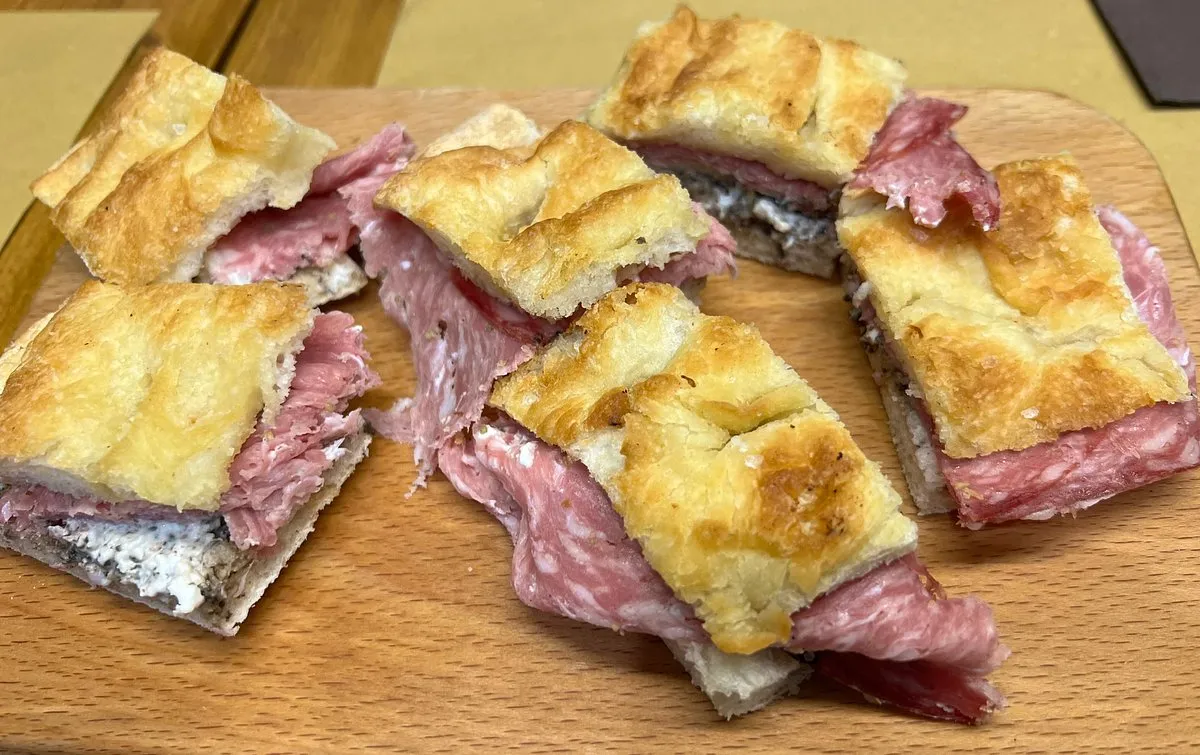
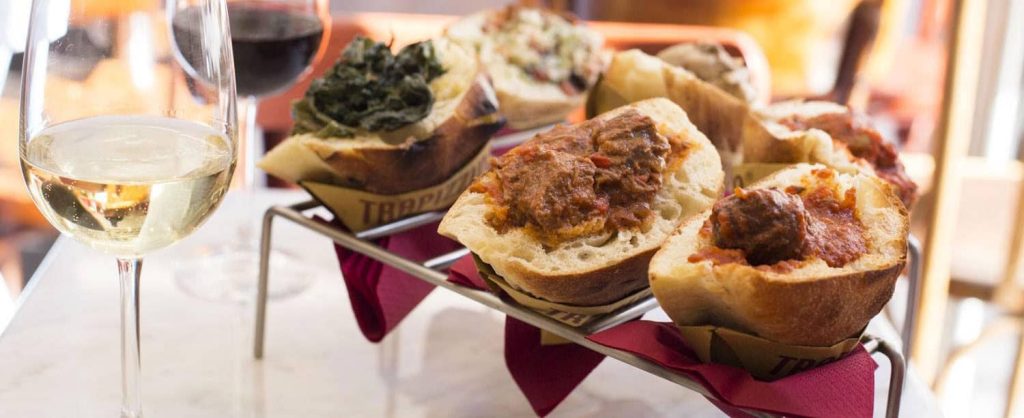
- Street Food Tours: Discover the hidden gems of Florence’s street food scene, from lampredotto (a traditional sandwich made with tripe) to schiacciata (a type of focaccia bread).
Conclusion: An Unforgettable Culinary Adventure
Participating in a cooking class in Florence offers a unique and enriching opportunity to explore the flavors of Tuscany while learning the skills behind traditional Italian cooking. Whether you’re a beginner or a seasoned cook, these hands-on experiences provide a chance to connect with the culture, history, and people of Florence in a way that is both educational and delicious.
By the end of your class, you won’t just leave with new culinary skills—you’ll have created lasting memories of a true Florentine culinary adventure, complete with recipes and techniques you can replicate in your own kitchen. And, of course, you’ll be able to savor the food you’ve prepared, all while enjoying the beautiful surroundings of Florence, one of the world’s greatest food capitals.