





Introduction
Food is far more than mere sustenance; it is a reflection of history, geography, religion, and social structure. Across the globe, culinary traditions are inextricably linked to the cultures from which they arise. By exploring food, one can gain insights into a community’s values, social norms, and historical evolution. The study of culinary culture provides a unique lens through which to understand human civilization, bridging the gap between the tangible and intangible aspects of heritage.
Culinary anthropology, gastronomy, and food tourism increasingly recognize the profound interplay between food and culture. From the spice-laden markets of Morocco to the fermentation rituals of Korea, every dish tells a story, and every ingredient carries a cultural narrative. This article delves into the deep connections between food and culture, highlighting how culinary traditions shape identity, preserve history, and foster intercultural understanding.
The Historical Context of Food and Culture
1. Food as a Marker of Civilization
Historically, the development of agriculture and the domestication of animals catalyzed human civilization. Societies with access to diverse foods often experienced population growth, urban development, and economic complexity. Grain cultivation in the Fertile Crescent, rice paddies in East Asia, and maize agriculture in the Americas not only provided sustenance but also influenced social hierarchy, religious rituals, and trade networks.
The spread of ingredients and cooking techniques through trade routes—such as the Silk Road and Indian Ocean maritime routes—enabled the cross-pollination of culinary practices. Spices, grains, and herbs traveled vast distances, transforming local diets and creating hybrid cuisines that remain culturally significant today.
2. Food and Religion
Religion has historically played a pivotal role in shaping dietary practices. Dietary laws, fasting rituals, and sacramental foods serve both spiritual and communal purposes. For example:
- Judaism: Kosher dietary laws dictate permissible foods and preparation methods, embedding religious observance in daily life.
- Islam: Halal regulations govern the consumption of meat and other foods, reinforcing ethical and spiritual discipline.
- Hinduism: Vegetarianism and avoidance of beef reflect religious beliefs, while specific rituals accompany offerings to deities.
- Christianity: Lent and Eucharistic practices highlight fasting, feasting, and symbolic food use.
Religious culinary traditions not only regulate what is eaten but also define social gatherings, festivals, and community cohesion, reinforcing cultural identity across generations.
Regional Culinary Cultures
1. Asian Culinary Traditions
China
Chinese cuisine is renowned for its regional diversity and intricate techniques. From the bold flavors of Sichuan peppercorns to the delicate dim sum of Cantonese cuisine, Chinese food is deeply intertwined with history, philosophy, and geography. Principles from Confucianism and Taoism emphasize balance, harmony, and seasonal eating, reflected in cooking methods and ingredient pairings.
Japan
Japanese cuisine, or washoku, emphasizes seasonality, simplicity, and aesthetic presentation. Culinary practices such as sushi-making, kaiseki dining, and tea ceremonies are ritualistic, symbolizing respect for nature and mindfulness in consumption. UNESCO recognizes washoku as intangible cultural heritage, highlighting its societal significance.
India
Indian cuisine is a fusion of local ingredients, religious influence, and colonial history. Spices like turmeric, cardamom, and cumin are not only culinary staples but also carry medicinal and symbolic meanings. Regional diversity—from Punjabi tandoori breads to South Indian dosas—illustrates the interplay between geography, climate, and cultural practices.
2. European Culinary Traditions
France
French cuisine is synonymous with gastronomic refinement, codified through techniques developed over centuries. Regional specialties, such as Burgundy wines or Provençal olive oils, reflect terroir, a concept linking food quality to geographic origin. French culinary tradition also emphasizes formal dining etiquette, seasonal menus, and artisanal production methods.
Italy
Italian cuisine balances simplicity and quality. Regional dishes—Tuscan pastas, Neapolitan pizzas, and Sicilian desserts—highlight local ingredients and historical influences, including Arab, Norman, and Roman legacies. Italian culinary culture emphasizes family, community, and conviviality, making meals a central social ritual.
Spain
Spanish gastronomy features small plates, shared dining, and regional diversity. Tapas culture, the use of saffron in paellas, and the prominence of olive oil demonstrate historical, agricultural, and Mediterranean influences. Culinary traditions are often celebrated through festivals, such as La Tomatina or Feria de Abril, linking food and cultural celebration.
3. African Culinary Traditions
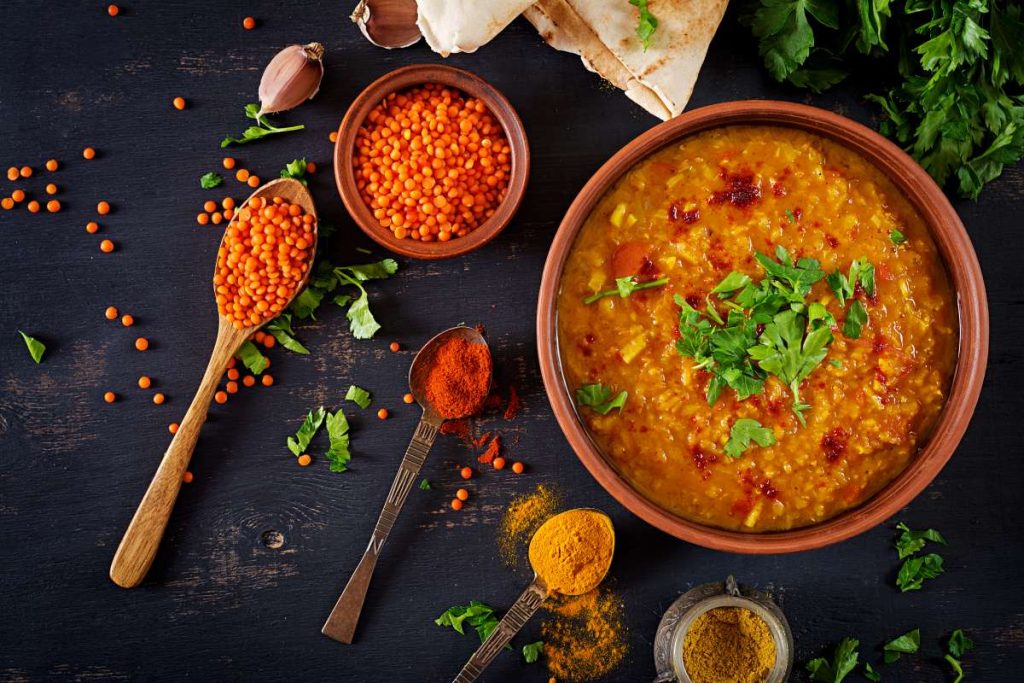
African cuisine reflects a rich blend of indigenous, Arab, and European influences. Staple ingredients like millet, sorghum, cassava, and yams form the basis of diverse dishes, while spices and herbs enhance flavor profiles. Culinary traditions often have communal and ritualistic functions, such as shared meals during harvest festivals or ceremonial feasts in West African cultures.
In Morocco, tagines and couscous dishes are imbued with symbolic and social meaning, while in Ethiopia, communal injera platters foster unity and social interaction. Across the continent, food is deeply intertwined with ritual, storytelling, and hospitality.
4. American Culinary Traditions
North America
American cuisine is a melting pot of immigrant influences, from Italian pasta to Mexican tacos and Chinese stir-fries. Culinary traditions vary by region, reflecting local produce, historical settlement patterns, and cultural integration. Thanksgiving, barbecues, and state fairs exemplify the fusion of tradition, community, and identity in American food culture.
Latin America
Latin American cuisines reflect the convergence of indigenous ingredients, European colonization, and African diaspora influences. Corn, beans, and chili peppers are foundational, while dishes like Peruvian ceviche, Brazilian feijoada, and Mexican mole showcase the integration of spices, techniques, and ritualistic consumption in everyday life.
Food as a Cultural Identifier
1. Food and Identity
Food is a marker of cultural identity, often defining communities and individuals. Regional dishes, traditional recipes, and cooking techniques transmit heritage and reinforce collective memory. For immigrants and diasporas, maintaining culinary practices allows for cultural continuity and serves as a bridge to ancestral homelands.
2. Culinary Heritage and Preservation
UNESCO and other cultural organizations recognize food heritage as intangible cultural heritage, emphasizing the importance of preserving traditional recipes, techniques, and rituals. Culinary schools, gastronomic festivals, and food museums play key roles in protecting and promoting culinary culture, ensuring that knowledge is passed down to future generations.
3. Festivals and Food Rituals
Food-centered festivals, rituals, and celebrations highlight the cultural significance of cuisine. Examples include:
- Oktoberfest (Germany): Celebrating beer, sausages, and Bavarian culinary traditions.
- Diwali (India): Sweet treats and traditional meals play a central role in festivities.
- Tet (Vietnamese New Year): Specific dishes, such as bánh chưng, carry symbolic meaning.
- Harvest Festivals (Worldwide): Local crops and traditional preparations honor seasonal cycles and community prosperity.
These rituals emphasize that food is not merely sustenance but a cultural performance, connecting people with tradition, nature, and social cohesion.
Food Tourism: Experiencing Culture Through Cuisine
1. Culinary Tourism as Cultural Immersion
Culinary tourism allows travelers to experience culture through food, creating authentic interactions with local communities. Cooking classes, guided food tours, and market visits offer hands-on engagement with ingredients, techniques, and stories behind dishes.
For instance:
- Participating in a pasta-making workshop in Tuscany reveals both technique and Italian family culture.
- Attending a tea ceremony in Kyoto demonstrates ritualistic significance and Japanese philosophy.
- Exploring a street food market in Bangkok immerses visitors in Thai flavor profiles and urban daily life.
2. Sustainable and Ethical Culinary Travel
Food tourism increasingly intersects with sustainability and ethical consumption. Travelers are encouraged to support local farmers, artisanal producers, and traditional food systems, contributing to economic and cultural preservation. Sustainable culinary travel fosters respect for biodiversity, promotes responsible tourism, and strengthens community resilience.
Modern Trends in the Fusion of Food and Culture
1. Globalization and Culinary Exchange
Globalization has facilitated cross-cultural culinary exchanges, resulting in hybrid cuisines such as fusion sushi, Tex-Mex, and Peruvian-Japanese Nikkei cuisine. While global influences diversify flavor profiles, maintaining authenticity and cultural context remains a priority for gastronomes and cultural custodians.
2. Technology and Culinary Documentation
Digital media, culinary blogs, and online recipe platforms allow for global sharing of culinary knowledge. Virtual cooking classes and gastronomic storytelling preserve traditional techniques while making them accessible to a worldwide audience. This democratization strengthens appreciation for cultural diversity in food.
3. Food as a Medium for Social Change
Modern culinary movements increasingly link food and culture to social advocacy. Chefs and cultural institutions promote food justice, sustainability, and heritage preservation, emphasizing that cuisine is both cultural expression and a vehicle for societal transformation.
Conclusion
The intersection of food and culture is a rich, multifaceted domain that offers profound insights into human history, identity, and societal evolution. From traditional rituals to contemporary gastronomic innovations, food serves as a medium of communication, community, and creativity. Culinary practices are not merely about taste—they are embodied expressions of heritage, reflecting geography, religion, history, and social norms.
By exploring food across cultures, individuals gain a deeper understanding of diversity, connection, and continuity. Culinary experiences, whether through cooking, tasting, or rituals, provide an intimate window into the values, beliefs, and traditions of a society. As global interest in food culture grows, the preservation, documentation, and celebration of culinary traditions remain essential—not only for gastronomic enjoyment but for cultural sustainability and intergenerational knowledge transfer.
Ultimately, understanding the relationship between food and culture is essential to appreciating human creativity, resilience, and identity. Culinary exploration is not just a sensory experience; it is an immersive journey into the heart of civilizations, bridging past and present, local and global, and connecting people through the universal language of food.