






Introduction
In today’s world of hyper-organization and meticulous planning, travelers often find themselves burdened with tightly packed itineraries, ensuring every moment of their trip is accounted for. While planning is undoubtedly important—especially when traveling to new destinations—there’s something equally valuable about allowing yourself “blank” time. This unstructured time, where there’s no strict schedule or set activity, holds the key to spontaneous discoveries, unexpected adventures, and authentic experiences.
We often hear about the importance of preparation when it comes to travel: booking flights, securing accommodations, planning tours, and ensuring you don’t miss the “must-see” attractions. But what if the most enriching moments of a journey arise from those very moments when you step off the beaten path and allow yourself to simply wander? By incorporating unplanned time into your travel, you open the door to hidden gems, local encounters, and those serendipitous moments that turn a trip into a story you’ll remember forever.
In this article, we will explore why leaving time for spontaneity during your travels is essential for your overall experience. We’ll discuss how to find the balance between structured itineraries and free time, the benefits of unplanned exploration, and practical strategies for making space in your travel plans to uncover the unexpected beauty of your destination.
The Rise of Over-Scheduled Travel
In the past, traveling was often seen as an escape from the rigidity of daily life. People would venture into the unknown with minimal preparation, relying on intuition and local recommendations to shape their experience. However, as the travel industry has evolved, so too has the concept of “planning”. Travelers today are encouraged to maximize every moment by filling their schedules with guided tours, pre-booked dinners, museum visits, and sometimes even hourly itineraries.
While these well-structured plans undoubtedly provide comfort, structure, and a sense of security, there is a growing recognition that they can also lead to a loss of flexibility. Every minute of the day becomes accounted for, leaving little room for deviation, unforeseen encounters, or the thrill of discovering something unexpected.
The Dangers of Over-Scheduling
- Exhaustion: A tightly packed itinerary can lead to burnout. When every moment is pre-scheduled, you miss the chance to rest or recharge, which can affect your overall travel experience.
- Lack of Authenticity: Organized tours and pre-set plans often prioritize popular tourist spots, which can feel crowded and less authentic. Without unstructured time, you may miss out on the real soul of the destination.
- Missed Opportunities: Sometimes the best travel experiences come from the unexpected—bumping into a local festival, finding a hidden café, or striking up a conversation with fellow travelers. These moments often occur when you’re not following a strict itinerary.
The Power of ‘Blank’ Time: Why It’s Important
1. Spontaneous Exploration
Traveling is all about discovery, and some of the most incredible experiences happen when we least expect them. When you leave time unplanned, you open yourself up to the possibility of spontaneous exploration. It could be a detour to a quaint neighborhood you hadn’t researched or stumbling upon a beautiful park while wandering aimlessly. These moments of unplanned discovery are often the most authentic and memorable parts of any trip.
2. Embracing the Unexpected
Some of the world’s most famous landmarks and activities are well-documented, and travelers are often motivated to visit them for the “bucket list” experiences. However, these planned visits can sometimes overshadow the allure of the unexpected, which is where the beauty of unplanned time comes in. With free time, you might decide to:
- Take a random walk down a quiet street and discover hidden gems.
- Sit in a local café and engage in a conversation with someone who shares fascinating stories.
- Stumble upon an art exhibition or a pop-up event that you would have never found on a standard tour.
By allowing yourself flexibility, you’re more likely to encounter these moments of serendipity—experiences that aren’t mapped out in any guidebook but are often the ones that define your trip.
3. Fostering Creativity and Reflection
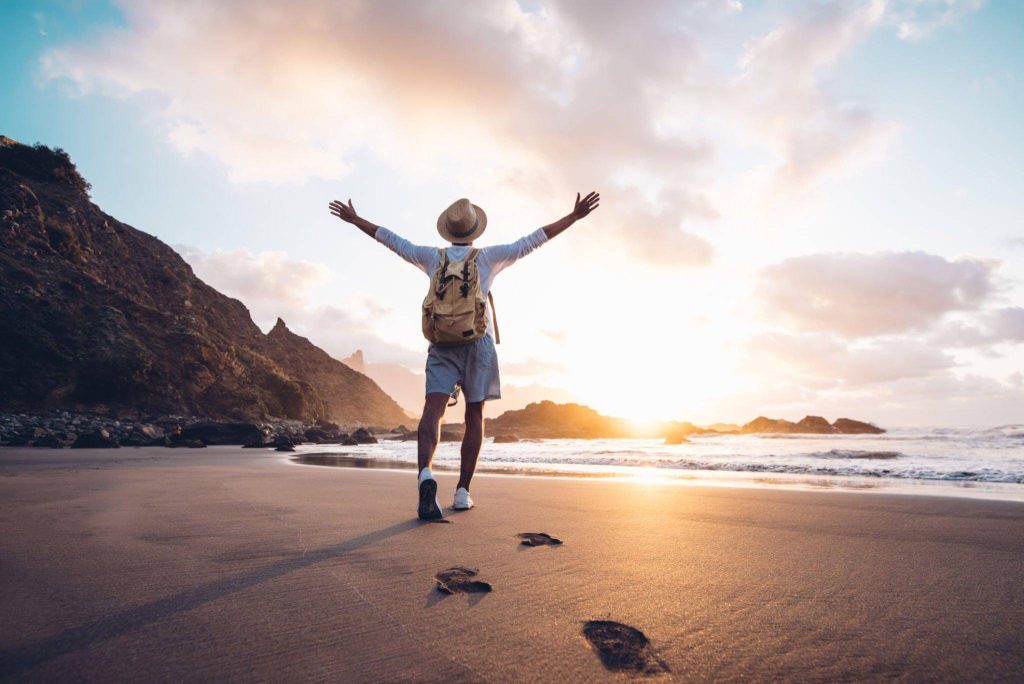
Unstructured time also provides an opportunity for reflection and creativity. Sometimes, it’s in the quiet moments that we process our experiences, think more deeply about what we’ve seen, and gain new perspectives. Walking through a park without a destination, sitting by the beach watching the sunset, or simply observing the rhythm of life in a new place can spark profound moments of creativity. You might find yourself sketching the scenery, writing in a travel journal, or brainstorming new ideas inspired by the place you’re visiting.
In addition, downtime offers the chance to rest and recharge, which is essential for avoiding travel fatigue. The beauty of travel lies not only in the places you visit but in the space you create for your mind to breathe, reflect, and be inspired.
4. Connecting with Locals
The most authentic travel experiences often arise from connecting with locals—something that is more likely to happen when you step off the planned path. Without a strict agenda, you have the flexibility to interact with people in a more natural and unpressured way. You may find yourself chatting with a shopkeeper, sharing stories with a fellow traveler, or accepting an impromptu invitation to join a local event.
These genuine interactions create deeper connections with the culture and people of the destination, enhancing your understanding and appreciation of the place.
How to Incorporate ‘Blank’ Time Into Your Travel Plans
1. Schedule Free Days
If you’re traveling for an extended period, it’s helpful to schedule “free days” into your itinerary. On these days, avoid booking any tours or activities and leave the schedule completely open. This allows you to relax and explore at your own pace without feeling rushed. You might use this time to:
- Discover hidden gems based on local recommendations.
- Spend the day in a quiet park or beach.
- Try a spontaneous cooking class or workshop.
2. Set a Budget for Spontaneity
Spontaneous activities can sometimes feel intimidating because they seem unpredictable. However, one way to embrace spontaneity while maintaining control over your finances is by setting aside a budget for unplanned experiences. Whether it’s a spontaneous dinner in a fancy restaurant or buying tickets to a last-minute concert, having a designated budget allows you the freedom to enjoy these unplanned adventures without financial stress.
3. Embrace Slow Travel
Slow travel is a concept that encourages a deeper, more immersive experience in a destination. Rather than rushing from one tourist attraction to another, slow travel emphasizes taking the time to truly experience a place. This includes:
- Spending more time in each location to better understand its culture.
- Enjoying unstructured exploration by strolling through neighborhoods, visiting local markets, or attending cultural festivals.
- Taking time to observe and listen, allowing you to connect with a place on a deeper level.
Slow travel invites you to take a break from constant itinerary management and allows you to be more present in the moment.
4. Leave Room for ‘Wanderlust’ Moments
Make a point to leave space for those wandering moments. Whether it’s a few hours in the afternoon or an entire day, give yourself permission to walk without a destination, sit in a local park, or take a random detour. Some of the best moments happen when we follow our instincts, not a rigid schedule.
5. Ask Locals for Recommendations
When you leave space for spontaneity, you open up the opportunity to ask locals for recommendations. Once you arrive at a destination, ask your hosts, waiters, or even fellow travelers about things they love doing in the area. Often, these off-the-beaten-path suggestions can lead to incredible experiences that you might not have found in guidebooks or online resources.
Conclusion
The magic of travel doesn’t always lie in how well-planned or perfectly structured the itinerary is. Sometimes, the most remarkable experiences happen when you embrace unstructured time, allowing yourself to explore, reflect, and discover new things without the pressure of a tightly packed schedule. By leaving room for spontaneity, you open yourself up to authentic cultural experiences, unexpected beauty, and the joy of wandering.
The key is to find balance—ensuring that you’ve organized the essentials but leaving enough space for the unpredictable moments that will make your trip truly unforgettable. So, next time you plan a journey, remember to leave a little room for the unknown. After all, it’s often the unplanned moments that lead to the greatest adventures.