




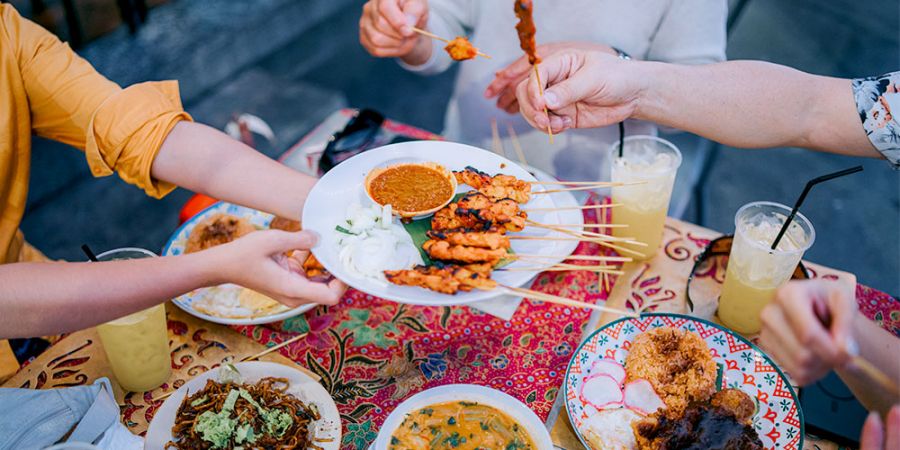

In the modern age of travel, one of the most enriching and immersive ways to experience a new destination is through its food. Culinary tourism, which focuses on experiencing a place through its gastronomy—whether it’s savoring street food or dining in local markets—has become a vibrant trend that attracts millions of travelers every year. For those who seek to dive even deeper into a culture, cooking traditions offer a direct path to understanding the values, history, and identity of a region.
Food is more than just sustenance—it is an expression of culture, an heirloom passed down through generations, and a reflection of a place’s unique history and geography. From hand-rolled sushi in Japan to the rich, aromatic curries of India, the traditions that shape cooking styles and food preparation are as diverse as the lands that produce them. In this article, we will explore how culinary tourism works, the relationship between food and cultural identity, and how cooking traditions play a vital role in preserving heritage. Through this journey, we will also explore how travelers can engage in authentic culinary experiences, from participating in local cooking classes to understanding the deeper roots of traditional recipes.
Culinary Tourism: A Delicious Exploration of Culture
Culinary tourism, or food tourism, is the act of traveling specifically to explore and experience the food culture of a particular region. Unlike other forms of tourism, culinary tourism focuses on immersing the traveler in the local flavors, techniques, and ingredients that define a place’s gastronomy. This type of travel often involves everything from dining at local restaurants to participating in cooking classes and visiting food markets and farms.
The Global Appeal of Culinary Tourism
Food is often considered a universal language, transcending geographical, linguistic, and cultural barriers. Whether travelers are visiting Paris to savor exquisite pastries, wandering through the bustling markets of Bangkok for street food, or attending a winery in Tuscany to learn about Italian wines, food tourism fosters a deeper connection to a place and its people. In fact, many travelers now seek to understand destinations not just through their landmarks or landscapes but through the flavors, textures, and aromas that characterize their food.
This rise in food tourism is also driven by social media, where platforms like Instagram and YouTube allow travelers to share their food experiences with a global audience. Food has become an essential part of travel narratives, and as a result, many regions are increasingly highlighting their culinary offerings as a way to attract tourists.
The Role of Cooking Traditions in Cultural Identity
At the heart of culinary tourism is cooking traditions, which are an integral part of a place’s cultural identity. These traditions are shaped by various factors, including history, geography, climate, and available resources. Cooking traditions are passed down through generations, and the preparation of food often serves as a connection to a community’s past. They represent more than just a set of techniques—they tell the story of a region’s people, their customs, and their relationship with nature.
For example, Mediterranean cuisine is characterized by its emphasis on olive oil, fresh vegetables, and grains. The climate in the Mediterranean region is ideal for the cultivation of olives, and the cuisine has evolved around the abundant natural resources. In contrast, the Nordic countries have a different set of influences. The cold climate and long winters have shaped their food culture, which relies heavily on preserved foods, such as cured meats, pickled vegetables, and hearty stews.
Cooking traditions also carry deep connections to spirituality and religion. In India, the preparation of food often has a spiritual dimension, with many meals offering a way to show respect to gods and ancestors. In countries like Japan, the art of sushi-making is considered not just a skill but a spiritual practice. Every detail in the preparation is an expression of discipline, focus, and respect for ingredients.
Authentic Culinary Experiences: Participating in Local Cooking
For culinary tourists, authentic experiences go beyond dining in a restaurant—they involve getting hands-on with the food culture. Many travelers now look for opportunities to learn about traditional cooking methods by participating in cooking classes, farm visits, and food workshops. These experiences not only give travelers insight into how food is made but also help them understand the cultural significance behind every dish.
Cooking Classes and Workshops
In countries around the world, local chefs and food experts offer cooking classes that allow visitors to prepare traditional dishes. For example, in Italy, visitors can learn how to make fresh pasta or pizza, while in Thailand, cooking schools teach tourists how to prepare authentic Thai curries and stir-fries. These hands-on experiences enable travelers to connect with the food they are eating in a meaningful way, and they often come away with new skills and recipes to recreate at home.

Farm Visits and Food Markets
In addition to cooking classes, farm visits and trips to local food markets are essential experiences for culinary tourists. Farmers markets in places like France, Spain, and Mexico allow visitors to interact with local producers, learn about regional ingredients, and sample fresh products that have been grown or produced locally. Farm visits, particularly those in wine regions like Napa Valley or Bordeaux, also offer insights into the connection between agriculture and the culinary arts, especially when it comes to wine-making and farm-to-table dining.
Food Festivals: Celebrating Local Traditions
One of the best ways to experience local cooking traditions is by attending food festivals, which often celebrate specific ingredients, dishes, or cooking techniques. Events like the Oktoberfest in Germany, the Pasta Festival in Italy, or the Curry Festival in India give travelers an opportunity to experience a region’s food culture in a vibrant, community-centered setting. These festivals often feature cooking demonstrations, tastings, and performances that showcase the depth and variety of the region’s culinary heritage.
Regional Culinary Traditions Around the World
Food traditions vary greatly across the globe, and part of the excitement of culinary tourism is discovering how different regions interpret cooking techniques and flavors. Let’s take a look at some of the most renowned culinary traditions from various parts of the world.
1. Italian Cuisine: The Art of Simplicity and Freshness
Italy is synonymous with food, and its culinary tradition is renowned for its simplicity, reliance on fresh ingredients, and regional diversity. Pasta, pizza, and gelato are some of Italy’s most famous exports, but Italian cuisine is also deeply rooted in local customs. Each region has its own unique offerings, from the rich, creamy dishes of Northern Italy to the fresh, vegetable-based cooking of the South.
In cities like Florence and Naples, culinary tourism flourishes as visitors engage with local food markets, take part in pasta-making workshops, or attend olive oil tastings in Tuscany. Italy’s deep respect for its culinary heritage has made food tourism an integral part of its economy.
2. Mexican Cuisine: A Blend of Ancient and Modern Flavors
Mexican cuisine is a beautiful fusion of indigenous traditions and Spanish influences, and its flavors are rich, bold, and vibrant. Tacos, mole, tamales, and quesadillas are some of the most beloved dishes, but the country’s culinary heritage is far more complex.
The Yucatán Peninsula is known for its unique Mayan-inspired dishes, while Oaxaca is famous for its use of mole sauces and mezcal. Travelers can take part in cooking classes that teach them how to prepare traditional Mexican dishes, often with the opportunity to visit local markets and learn about the different chilies and herbs that form the backbone of Mexican cooking.
3. Japanese Cuisine: A Harmony of Flavors and Techniques
Japanese cuisine is celebrated for its emphasis on fresh, seasonal ingredients and its meticulous preparation. Sushi, ramen, and tempura are internationally recognized dishes, but Japanese cooking traditions go beyond just these staples. Kaiseki, a multi-course meal that focuses on seasonal ingredients, is an example of Japan’s commitment to culinary refinement.
For travelers in Japan, culinary tourism often involves experiencing sushi-making classes or visiting traditional kaiseki restaurants. Tea ceremonies, which incorporate precise techniques in the preparation and serving of matcha, are another example of how cooking traditions in Japan are deeply connected to culture and philosophy.
4. Indian Cuisine: A Spice Lover’s Paradise
Indian cuisine is renowned for its spices and flavors, with dishes that range from the mild and aromatic to the spicy and bold. Each region has its own unique culinary traditions, from the rich, cream-based dishes of the North to the coconut-based curries of the South.
In cities like Delhi and Mumbai, travelers can explore street food, visit spice markets, and participate in cooking workshops that teach the art of making naan, samosas, and curries. India’s deep cultural roots in cooking are also seen in Ayurvedic cuisine, where food is considered an essential part of health and wellness.
5. French Cuisine: A Legacy of Excellence
French cuisine is synonymous with refinement, technique, and sophistication. The influence of French culinary traditions can be found in restaurants worldwide, but the best way to experience the culture is by visiting regions like Provence, Burgundy, or Paris, where food is treated as both an art form and a way of life.
From pastry-making workshops to wine-tasting tours in Champagne, travelers can immerse themselves in French culinary culture, learning the delicate art of creating croissants, escargot, or coq au vin.
The Future of Culinary Tourism and Cooking Traditions
As the world continues to globalize, culinary tourism is more popular than ever, with travelers seeking authentic food experiences that go beyond the typical tourist destinations. However, the future of culinary tourism and cooking traditions lies in sustainability and preservation. Supporting local artisans, farmers, and food producers is essential to maintaining these traditions and ensuring that they are passed on to future generations.
The digital age also offers new opportunities for culinary tourism. Virtual cooking classes, food tours, and interactive workshops are expanding the reach of traditional cooking beyond geographical limits. This allows food lovers around the world to connect with artisans, chefs, and producers, deepening their appreciation for the food culture of different regions.
Conclusion: A Flavorful Journey Through Heritage and Tradition
Culinary tourism is a gateway to understanding the deep, cultural significance of food in different regions. Through cooking traditions, travelers can connect with the history, geography, and people that make each dish unique. From participating in cooking workshops to enjoying food festivals, the journey through culinary traditions is as much about the experience as it is about the food itself. As travelers continue to seek meaningful and authentic encounters, food remains one of the most compelling reasons to explore the world.