





Roman cuisine, celebrated for its simplicity and bold flavors, is an embodiment of Italy’s rich culinary history. Among its most cherished dishes, traditional pasta stands as a true symbol of the city’s gastronomic heritage. The art of pasta making in Rome is not just about ingredients—it’s about technique, tradition, and an unwavering passion for fresh, hand-crafted food. From rigatoni to cacio e pepe, Roman pasta dishes are deeply intertwined with the culture, stories, and everyday life of the Eternal City.
In this article, we’ll explore the history of pasta in Rome, the essential techniques behind traditional Roman pasta making, and how these techniques have been passed down through generations of Italian families. We’ll also dive into the essential ingredients, the cooking process, and provide insights into key Roman pasta dishes that define the city’s culinary identity.
Whether you are a home cook or an aspiring chef, this guide will give you a comprehensive understanding of how to make traditional Roman pasta from scratch and the significance behind the craft.
The History of Pasta in Rome: A Glimpse into the Eternal City’s Culinary Evolution
The origins of pasta in Italy are often debated, with various regions claiming to have invented this beloved food. However, the history of pasta in Rome has distinct characteristics tied to the city’s rich cultural and social dynamics.
Ancient Beginnings: The Influence of the Romans
The history of pasta-making in Rome dates back to ancient times. While it is not certain when pasta in its modern form was first introduced to Rome, we do know that ancient Romans had a version of pasta-like dishes. The Romans were known for their simple, yet robust cuisine, often preparing grains into doughs, which were then boiled or fried. The “lagane”, an early precursor to modern pasta, was made from wheat flour and water and was often served with vegetables or meat. This early form of pasta was quite different from today’s delicate spaghetti or fettuccine, but it laid the foundation for pasta as a staple food in Rome.
The Evolution of Roman Pasta Dishes
As centuries passed, pasta evolved and became more refined. By the time of the Middle Ages, Roman cuisine began to incorporate new ingredients, such as tomatoes and cheese, thanks to the influence of trade routes connecting the city with distant regions. With the rise of the Renaissance, the art of pasta-making in Rome took a more sophisticated turn. The 16th and 17th centuries saw the introduction of new pasta shapes and the first uses of egg-based doughs, which led to a more diverse range of pasta types.
By the 18th century, pasta was well-established in Roman cuisine, and pasta dishes were increasingly associated with both the rich and poor in Roman society. The city’s taverns, markets, and trattorias began offering an array of pasta dishes, from spaghetti alla carbonara to fettuccine Alfredo, which would eventually become the cornerstone of Italian cuisine globally.
Key Ingredients in Roman Pasta Making
The essential ingredients in traditional Roman pasta are remarkably simple, yet each one plays a vital role in achieving the perfect texture and flavor. Let’s explore the key components of Roman pasta and how they come together to create a culinary masterpiece.
1. Flour: The Foundation of Pasta
The base of all pasta begins with flour. In traditional Roman pasta making, the flour is typically semolina (made from durum wheat), which is used for shapes such as rigatoni, penne, and cavatelli. For more delicate, egg-based pastas such as fettuccine, tagliatelle, and tortellini, 00 flour (a finely milled, soft wheat flour) is often used.
Semolina provides the ideal balance between texture and elasticity, allowing pasta to hold its shape while cooking and retain a satisfying bite. 00 flour, on the other hand, is prized for its fine texture and is ideal for creating smooth, tender pasta dough.
2. Eggs: The Secret to Richness
Eggs are key in many traditional Roman pasta recipes, particularly those for fresh egg pasta. The yolk provides richness, while the egg whites offer structure. For pasta like fettuccine, pappardelle, or tortellini, the eggs create a silky, tender texture that melts in your mouth. The ratio of eggs to flour varies depending on the desired consistency, but it is important to maintain the right balance to avoid overly soft or too dense dough.
3. Water: The Binder
Water is another essential ingredient when making pasta dough. The amount of water added is crucial to achieving the right texture, as it helps bind the flour and eggs together into a smooth, workable dough. The water should be added gradually to avoid making the dough too sticky or too dry. In some Roman pasta recipes, a small amount of olive oil may also be added to enhance flavor and help the dough come together.
4. Salt: Elevating the Flavor
Salt is a key component in both the pasta dough and the cooking water. A pinch of salt in the dough itself enhances the flavor of the pasta, while adding salt to the boiling water helps season the pasta as it cooks. The salt also improves the texture of the pasta by affecting the gluten formation.
Traditional Roman Pasta Shapes
Rome is home to a variety of unique pasta shapes, many of which are integral to traditional Roman dishes. These shapes are designed to capture the perfect amount of sauce and complement the specific textures of each dish. Below are some of the most iconic pasta shapes from Rome:
1. Fettuccine
Fettuccine is a flat, ribbon-like pasta that is often paired with creamy sauces like fettucine Alfredo or more traditional Roman dishes like fettuccine alfredo with pancetta. The width of the pasta allows it to absorb the flavors of rich sauces, making it a popular choice in Roman cuisine.
2. Rigatoni
Rigatoni is a large, ridged tube pasta often used in hearty meat-based sauces. The ridges help hold onto sauces, particularly those with chunky textures, such as bolognese or amatriciana. Rigatoni is a staple in many Roman pasta dishes and is perfect for thick, savory sauces.
3. Cavatelli
Cavatelli are small, curved pasta shapes that are often served with simple vegetable or meat-based sauces. The grooves on the pasta help it soak up sauces, and they are perfect for rustic, homey dishes.
4. Tortellini
Tortellini, though traditionally associated with Bologna, also holds a place in Roman pasta-making. These small, stuffed pasta pockets are often filled with cheese, meat, or a combination of both. Tortellini can be served in broths, as part of a sauce, or simply with butter and sage.
The Process of Making Traditional Roman Pasta
The process of making traditional Roman pasta is simple, but it requires skill and patience. Here’s a step-by-step guide to creating the perfect pasta from scratch:
Step 1: Prepare the Dough
- Mix the flour: Start by combining semolina or 00 flour with a pinch of salt on a clean work surface. Create a well in the center.
- Add eggs and water: Crack eggs into the well and add a small amount of water. Using a fork, begin whisking the eggs and gradually incorporate the flour from the edges.
- Knead the dough: Once the mixture begins to come together, use your hands to knead the dough. Continue kneading for about 10-15 minutes, or until the dough is smooth and elastic.
- Rest the dough: Cover the dough with a clean towel and let it rest for at least 30 minutes. This helps the gluten relax and makes the dough easier to roll out.
Step 2: Roll Out the Dough
- Divide the dough: Once rested, divide the dough into smaller sections to make rolling easier.
- Roll the dough: Using a rolling pin or pasta machine, roll each piece of dough into a thin sheet. The dough should be thin enough that you can almost see through it.
- Cut into desired shapes: Cut the rolled-out dough into the desired shapes, whether it’s fettuccine, rigatoni, or pappardelle. If making stuffed pasta, like tortellini, cut small squares or circles of dough and fill them with your chosen stuffing.
Step 3: Cook the Pasta
- Boil water: Bring a large pot of salted water to a boil.
- Cook the pasta: Add the freshly made pasta to the boiling water and cook until al dente (typically 2-5 minutes, depending on the thickness).
- Drain and serve: Once the pasta is cooked, drain it and toss it with your favorite Roman sauce, such as cacio e pepe, carbonara, or amatriciana.
Iconic Roman Pasta Dishes
The magic of Roman pasta lies in the sauces that accompany it. Roman cuisine is known for its use of simple, yet flavorful, ingredients such as cheese, pancetta, pepper, and tomatoes. Here are some of the most iconic pasta dishes from Rome:
1. Cacio e Pepe
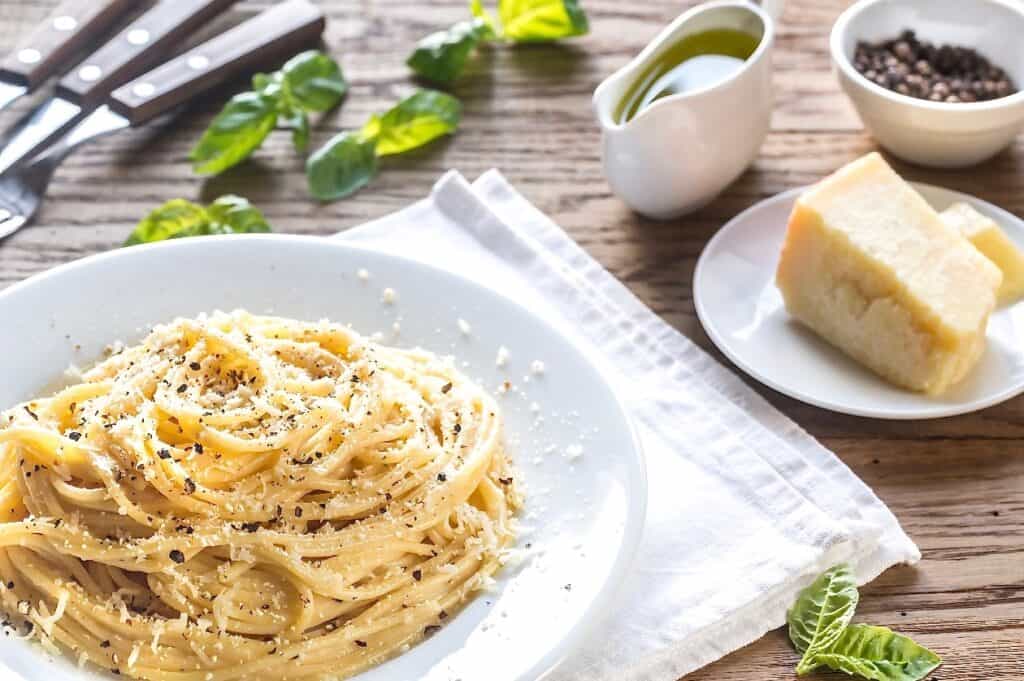
This iconic Roman dish is a celebration of pecorino cheese and black pepper. The creamy sauce is made by melting the cheese in a small amount of cooking water, then tossing it with freshly made pasta and a generous amount of freshly cracked black pepper.
2. Carbonara
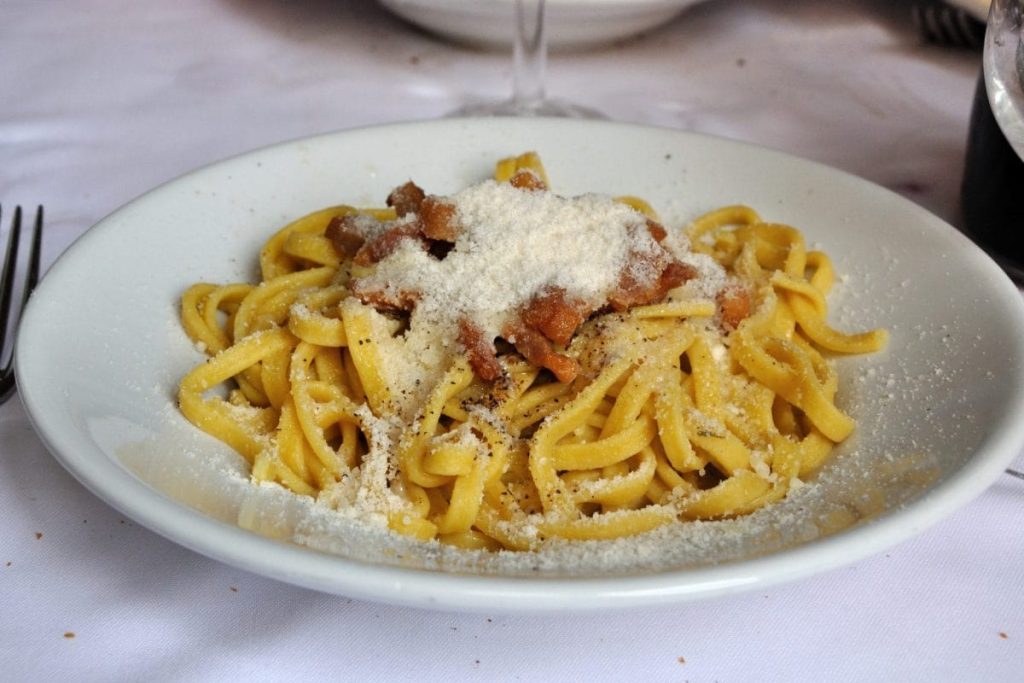
One of the most beloved pasta dishes globally, carbonara is made with egg yolks, guanciale (pork cheek), Pecorino Romano cheese, and black pepper. The creamy sauce is created without cream, relying solely on the eggs to create a rich and velvety texture.
3. Amatriciana
This hearty dish is made with guanciale, tomato, and pecorino cheese. The sauce is simple yet packed with flavor, and it’s traditionally served with rigatoni or bucatini.
Conclusion: Preserving the Tradition of Roman Pasta
Making pasta in the traditional Roman way is an art form that requires both patience and passion. The simplicity of the ingredients—flour, eggs, salt, and water—combined with the skillful techniques passed down through generations, results in dishes that are rich in history and flavor. Whether you’re crafting pasta at home or enjoying a dish at a traditional Roman trattoria, the act of making and savoring Roman pasta connects you to a rich cultural heritage that continues to thrive in today’s world.
The lessons learned from traditional pasta making are more than just culinary; they are about preserving culture, honoring tradition, and embracing the beauty of simplicity. For those who seek to connect with Roman history and culture through food, there is no better way than to experience the art of pasta making firsthand.