





Traditional crafts and handwork represent a tangible link to the history, culture, and identity of societies around the world. For centuries, artisans have created objects not merely as functional items but as expressions of cultural values, storytelling, and artistic ingenuity. These crafts include textiles, ceramics, metalwork, woodworking, embroidery, basketry, and more, often passed down through generations in families or guilds. In the modern era, traditional crafts face challenges from industrialization and globalization, but they also offer opportunities for sustainable cultural tourism, economic empowerment, and preservation of intangible heritage.
This article provides a comprehensive examination of traditional crafts and handicrafts, covering historical origins, regional styles, production techniques, economic and cultural significance, challenges and innovations, and strategies for their preservation in contemporary society. By exploring the intricate relationship between craftsmanship, cultural identity, and global appreciation, we can understand how artisanal mastery continues to enrich modern life while safeguarding centuries-old traditions.
Historical Overview of Traditional Crafts
1. Origins and Evolution
Traditional crafts have evolved over millennia, shaped by local resources, environmental conditions, technological developments, and social needs. For example:
- Textiles: From handwoven silk in China and India to woolen textiles in Europe, fabric production has long been a medium for artistic expression and social status.
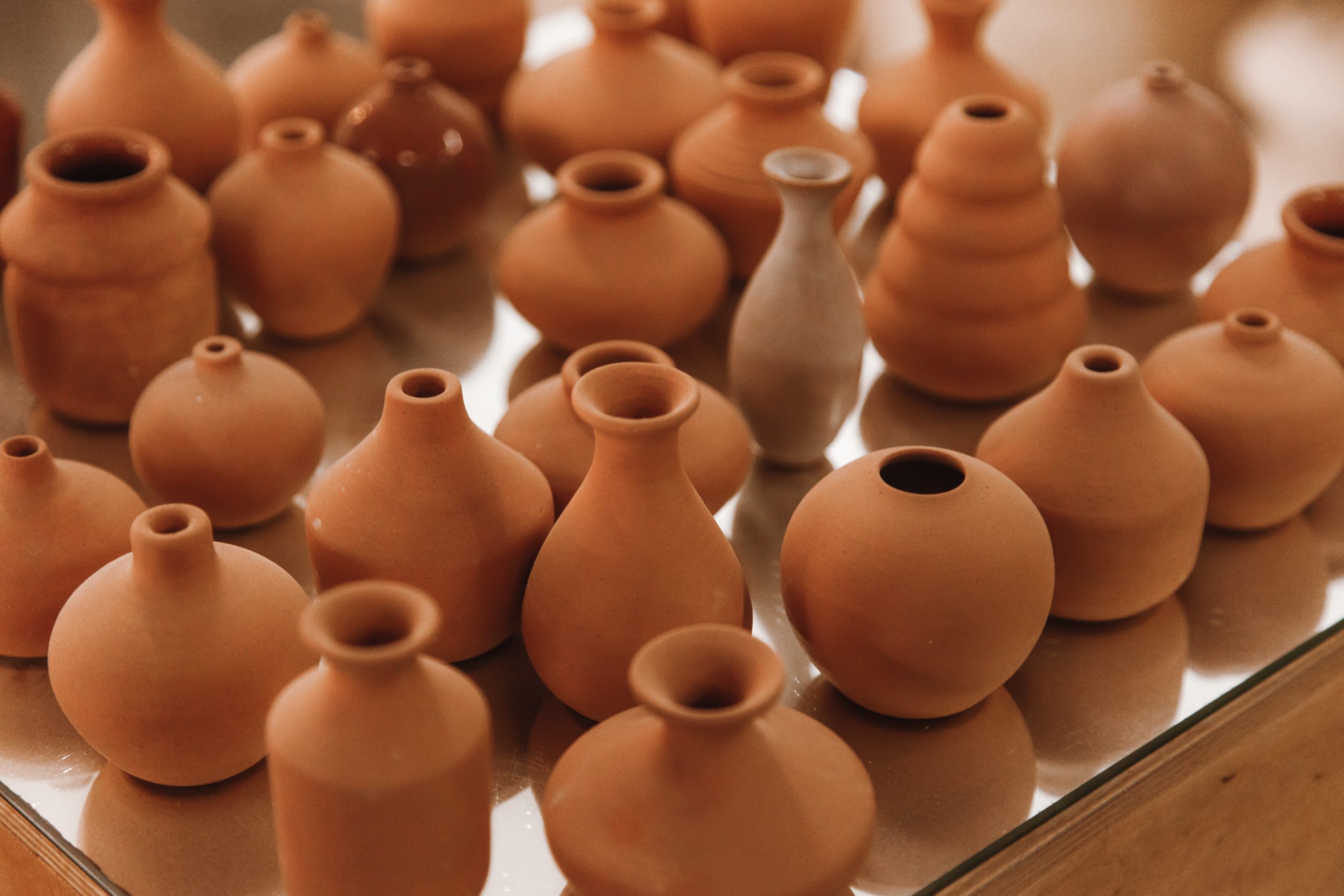
- Pottery and Ceramics: Early civilizations such as Mesopotamia, the Indus Valley, and Mesoamerica developed ceramics for utility, decoration, and ritual purposes.
- Metalwork: Ancient artisans mastered bronze, iron, and goldwork to create tools, jewelry, and ceremonial objects.
These crafts were closely intertwined with daily life, spiritual practices, and trade, reflecting the cultural ethos of their regions.
2. Transmission of Knowledge
- Apprenticeships and family workshops ensured the continuity of techniques and styles.
- Guilds in medieval Europe codified standards for quality, training, and production ethics.
- Oral traditions, illustrated manuscripts, and early written records documented methods for creating intricate crafts.
The intergenerational transmission of skills remains essential to preserving authenticity and technical proficiency.
Regional and Cultural Variations
Different regions of the world have developed distinct styles of handicrafts, reflecting environmental conditions, available materials, and cultural symbolism.
1. Asia
- China: Renowned for silk weaving, jade carving, porcelain, and paper cutting.
- India: Famous for hand-embroidered textiles, block printing, metalwork, and pottery such as blue pottery from Jaipur.
- Japan: Skilled in woodworking, lacquerware, origami, and traditional ceramics like Raku and Kutani styles.
2. Europe
- Italy: Offers glasswork from Murano, leathercraft in Florence, and lace-making in Venice.
- France: Noted for tapestry, fine porcelain, and artisanal perfumes and cosmetics.
- Eastern Europe: Folk art includes painted eggs, embroidered costumes, wood carvings, and ceramics.
3. Africa
- Distinctive weaving, beadwork, pottery, and bronze casting in regions such as West Africa (e.g., Yoruba bronze work) and North Africa (e.g., Moroccan rugs).
4. Americas
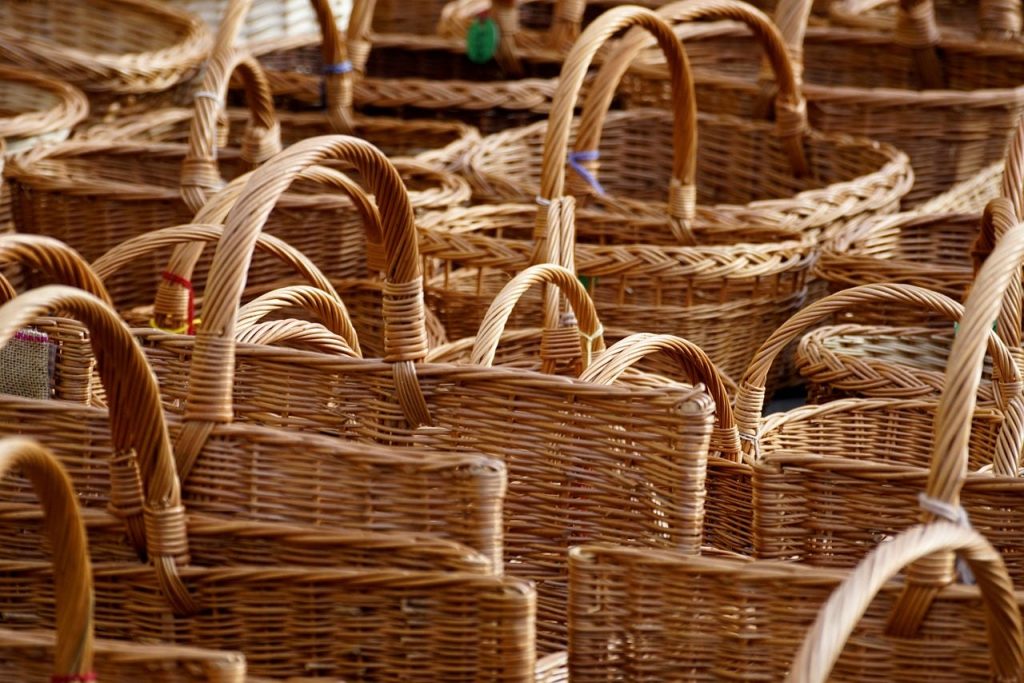
- Indigenous crafts include basket weaving, pottery, textiles, and beadwork.
- Latin American countries, such as Mexico, combine vibrant colors with traditional motifs in pottery, textiles, and lacquerware.
5. Middle East
- Traditional handicrafts include intricate tile work, calligraphy, metal engraving, and carpet weaving.
- Artisans often integrate geometric patterns, symbolism, and sacred motifs.
Production Techniques and Artisanal Processes
Understanding the technical mastery behind traditional crafts reveals the dedication, precision, and creativity involved.
1. Textile Arts
- Weaving: Using looms to create patterned fabrics. Examples include ikat, kilim, and jacquard weaving.
- Embroidery: Hand stitching decorative designs onto cloth, often using silk, cotton, or metallic threads.
- Dyeing Techniques: Natural dyes and resist-dyeing techniques like batik produce vibrant, eco-friendly textiles.
2. Ceramics and Pottery
- Hand Building: Pinching, coiling, and slab techniques for shaping clay.
- Wheel Throwing: Creating symmetrical vessels using pottery wheels.
- Glazing and Firing: Kiln techniques enhance durability and visual aesthetics, with techniques such as Raku, salt-firing, and reduction firing creating distinct textures.
3. Metalwork
- Casting: Bronze or silver casting techniques for jewelry and ceremonial objects.
- Engraving and Filigree: Detailed patterns and ornamental designs.
- Forging: Blacksmithing techniques for tools, cutlery, and decorative metalworks.
4. Woodwork and Carpentry
- Carving: Producing sculptural and decorative elements from wood.
- Joinery: Creating furniture and structural objects without nails, relying on interlocking joints.
- Inlay Work: Using contrasting materials for artistic surface patterns.
5. Mixed Media and Innovative Crafts
- Combining materials such as textiles, wood, metal, and natural fibers to produce hybrid artisanal objects.
- Integrating traditional techniques with contemporary artistic expression allows adaptation to modern tastes.
Cultural Significance of Traditional Handicrafts
1. Symbolism and Identity
- Handicrafts often carry symbolic meanings, reflecting local beliefs, historical events, or spiritual practices.
- Colors, patterns, and motifs are cultural identifiers and storytelling tools.
- Traditional dress, household items, and ceremonial objects embody the aesthetic and ethical values of communities.
2. Socioeconomic Importance
- Artisanal production provides livelihoods for millions of artisans worldwide, particularly in rural or marginalized communities.
- Handicrafts generate income through domestic markets, international trade, and tourism-related sales.
- Fair trade initiatives help ensure equitable wages, safe working conditions, and sustainable resource use.
3. Educational and Heritage Value
- Handicrafts serve as educational tools for younger generations, teaching patience, discipline, and creative thinking.
- Museums, workshops, and cultural festivals preserve and promote intangible cultural heritage.
Challenges Facing Traditional Crafts
Despite their cultural and economic importance, traditional crafts face numerous challenges:
- Industrialization: Mass-produced goods often replace handcrafted items, reducing demand for artisanal labor.
- Skill Attrition: Younger generations may opt for alternative careers, leading to declining expertise.
- Global Market Pressures: Artisans must balance authenticity with market preferences, which may favor low-cost products.
- Resource Scarcity: Deforestation, soil depletion, and material shortages threaten traditional production methods.
- Climate and Environmental Factors: Certain crafts rely on natural materials affected by environmental changes.
Strategies for Preservation and Promotion
1. Government and Institutional Support
- Heritage programs that document techniques and recognize master artisans.
- Grants, subsidies, and training programs for emerging artisans.
- Cultural centers and museums offering workshops and exhibitions.
2. Community-Led Initiatives
- Cooperatives and artisan associations protect collective interests and provide marketing support.
- Educational programs in schools ensure skills transfer to younger generations.
3. Integration with Tourism
- Cultural tourism allows travelers to experience live demonstrations, workshops, and participatory craft activities.
- Handicraft markets and local stores provide direct sales opportunities, promoting economic sustainability.
4. Innovation and Adaptation
- Modern design integration allows traditional crafts to meet contemporary aesthetic and functional demands.
- Online platforms expand global reach while preserving authenticity.
5. Intellectual Property Protection
- Geographic indications (GI) and cultural trademarks help prevent imitation and protect local heritage.
- Legal frameworks ensure fair recognition and compensation for artisans.
Global Appreciation and Market Trends
- Luxury and Lifestyle Markets: High-end consumers increasingly value authentic, handmade products.
- Sustainable Consumerism: Eco-conscious buyers favor products with minimal environmental impact.
- Cross-Cultural Collaborations: International partnerships foster innovation while respecting traditional techniques.
- Digital Presence: E-commerce platforms enable artisans to reach global markets without intermediaries.
Case Studies of Iconic Traditional Crafts
1. Japanese Kintsugi and Lacquerware
- Kintsugi: Repairing broken pottery with gold highlights, emphasizing imperfection and history.
- Lacquerware: Layered resin coating applied to wood, creating durable and decorative surfaces.
2. Indian Handloom Textiles
- Techniques: Ikat, block printing, and embroidery.
- Cultural Impact: Regional variations such as Banarasi silk, Pochampally ikat, and Kashmiri shawls.
3. Moroccan Pottery and Tilework
- Zellige tiles: Geometric patterns and mosaic artistry.
- Pottery: Functional and decorative items shaped from locally sourced clay.
4. African Beadwork and Basketry
- Yoruba bronze casting: Intricate ceremonial and decorative metalwork.
- Kente cloth and woven baskets: Expressions of cultural identity and practical utility.
Practical Tips for Supporting Traditional Crafts
- Purchase Authentically: Seek verified artisan-made products rather than mass-produced replicas.
- Participate in Workshops: Hands-on experience fosters appreciation and skill understanding.
- Promote Awareness: Share knowledge through social media, blogs, or educational platforms.
- Advocate Fair Trade: Support initiatives that ensure equitable compensation and sustainable practices.
- Document and Preserve: Photography, videos, and written records help maintain intangible heritage.
Conclusion
Traditional crafts and handicrafts are more than aesthetic creations—they are living embodiments of cultural heritage, creativity, and human ingenuity. They preserve history, foster community identity, support sustainable livelihoods, and enrich global artistic expression. In a rapidly modernizing world, protecting these skills requires collaboration between governments, communities, consumers, and cultural institutions.
Through appreciation, active participation, and support for artisans, traditional crafts can thrive alongside contemporary design, providing both functional beauty and cultural continuity. By valuing handcrafted objects, travelers, collectors, and enthusiasts contribute to a global effort to safeguard human heritage, ensuring that the artistry and stories embedded in every stitch, carve, or weave continue to inspire future generations.
Traditional crafts are thus not merely artifacts—they are living testaments to creativity, resilience, and cultural identity, bridging the past with the present while offering pathways to sustainable economic and cultural growth.