




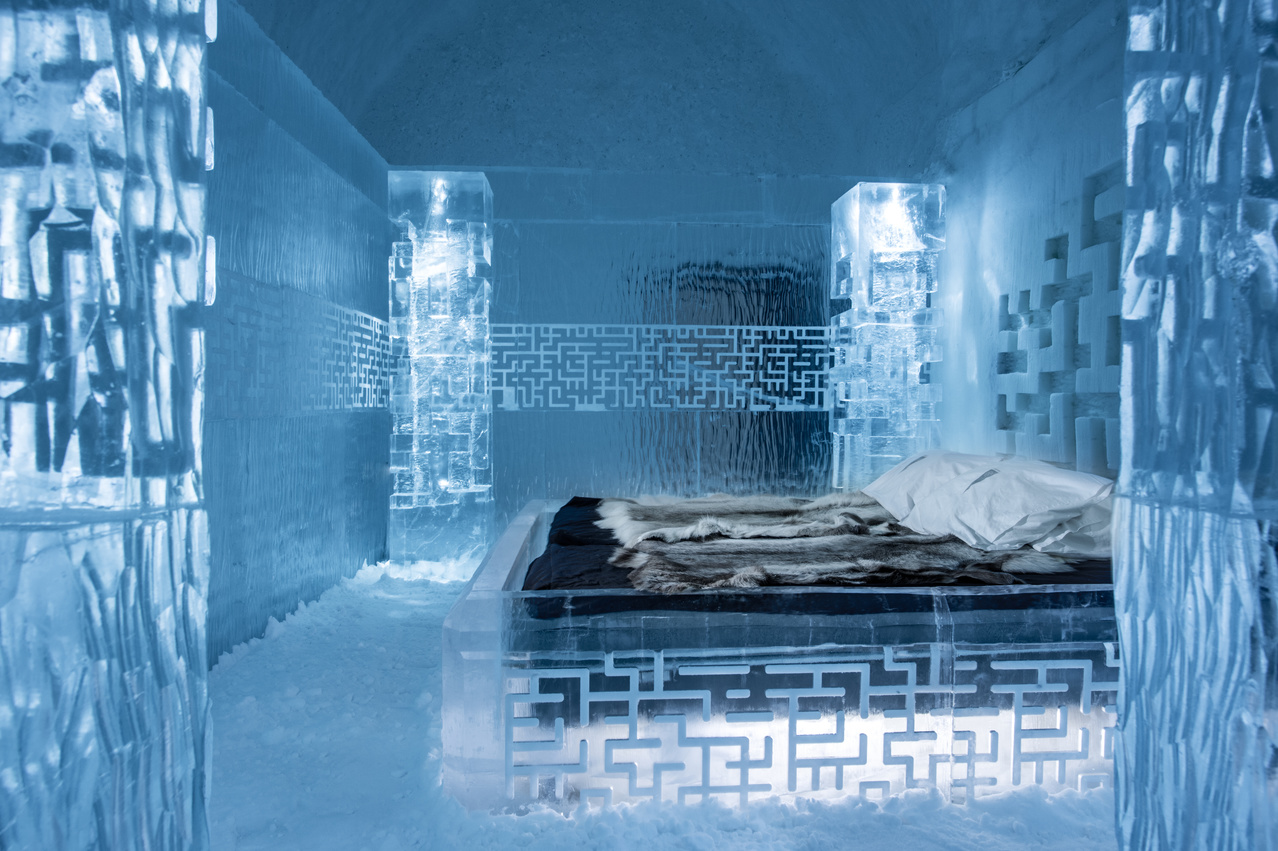

Winter tourism has evolved far beyond simple snow sports and scenic trips. Among its most unique offerings are ice houses and ice hotels—architectural marvels constructed entirely from ice and snow, providing travelers with a once-in-a-lifetime experience. From the innovative igloos of the Arctic to the luxury ice hotels of Scandinavia, these structures combine artistry, engineering, and hospitality, creating immersive environments where the cold itself becomes part of the experience.
This article explores the world of ice architecture, covering its history, construction techniques, regional variations, guest experiences, operational challenges, and the future of frozen hospitality. It highlights how these ephemeral structures capture human imagination while pushing the boundaries of design, sustainability, and luxury winter tourism.
Historical and Cultural Origins
1. Traditional Igloos
- Originating with the Inuit and other Arctic communities, igloos are temporary shelters made from blocks of compacted snow.
- Designed for insulation and structural stability, igloos demonstrate an ingenious adaptation to extreme climates.
- Traditional igloos served as functional dwellings, not tourism attractions, showcasing minimalistic yet highly effective engineering.
2. The Emergence of Ice Hotels
- The concept of an ice hotel first gained international recognition with the Icehotel in Jukkasjärvi, Sweden, inaugurated in 1989.
- Initially designed as an art project, the hotel combined design, sculpture, and hospitality in one unique experience.
- Since then, similar structures have emerged in Canada, Norway, Finland, and even China, each incorporating local culture, art, and architecture.
Architectural Principles and Construction Techniques
1. Materials and Structural Integrity
- Ice Blocks: Sourced from frozen rivers, lakes, or artificially frozen water, cut and sculpted into precise shapes.
- Snow: Compact snow is often used as a bonding agent, insulation layer, or sculptural material.
- Temperature Management: Ice hotels require consistently sub-zero temperatures to maintain stability; insulation and ventilation are critical.
2. Design and Engineering
- Load Distribution: Dome-shaped igloos and arched ceilings distribute weight evenly to prevent collapse.
- Ice Sculptures: Integral to both structure and decoration, often forming walls, furniture, and art installations.
- Lighting Integration: LED lights, lanterns, and projections enhance ambiance while minimizing heat emission.
3. Seasonal Construction
- Ice hotels are typically rebuilt annually as the winter sets in and melt cycles begin.
- Construction begins months in advance, with teams of architects, engineers, and artists collaborating on structural and aesthetic elements.
Regional Variations and Iconic Examples
1. Scandinavia
- Sweden (Jukkasjärvi Icehotel): The world’s first ice hotel, renowned for its artistic suites and immersive winter experiences.
- Norway (Sorrisniva Igloo Hotel): Offers themed rooms, ice bars, and winter activities including dog sledding and northern lights viewing.
- Finland (Kemi SnowCastle): Includes ice restaurants, chapels, and luxury suites sculpted annually.
2. North America
- Canada (Quebec Ice Hotel): Known for luxury amenities, ice art exhibitions, and winter sports integration.
- Alaska: Smaller igloo-style accommodations for Arctic tourists, emphasizing adventure and wilderness experience.
3. Asia
- China (Harbin Ice and Snow World): Massive ice and snow structures, often incorporating traditional Chinese motifs, light festivals, and entertainment zones.
Guest Experience and Hospitality
1. Accommodation and Comfort
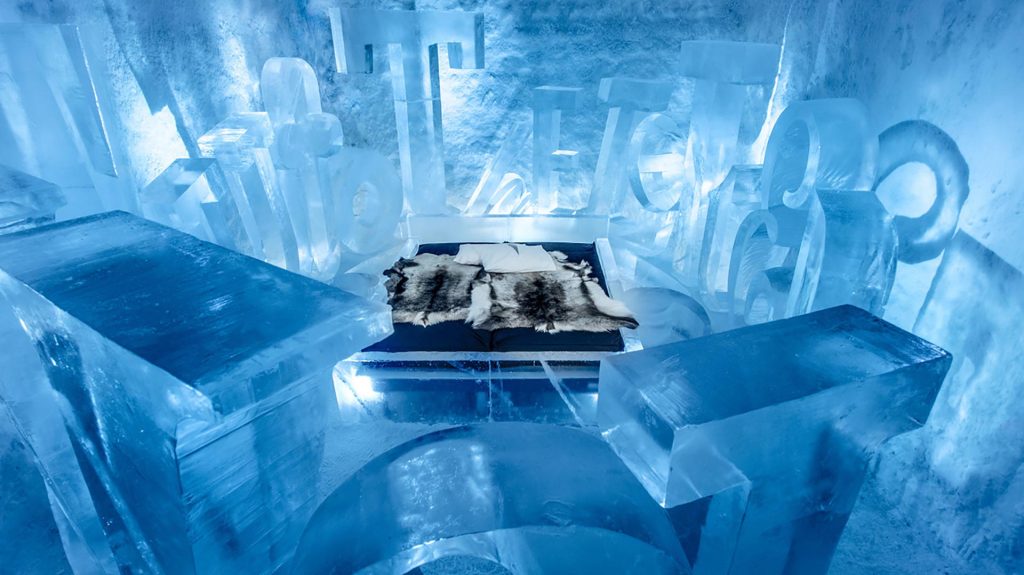
- Rooms are furnished with ice beds, often topped with reindeer or animal hides and insulated sleeping bags.
- Temperature control is managed to balance the cold experience with guest safety and comfort.
2. Culinary Offerings
- Ice restaurants serve gourmet meals, often incorporating local ingredients and traditional dishes.
- Drinks may be served in ice glasses, adding to the immersive experience.
3. Recreational Activities
- Winter activities include ice sculpting workshops, snowmobiling, dog sledding, skiing, and aurora viewing.
- The architecture itself often becomes a playground for art, photography, and exploration.
4. Wellness and Relaxation
- Many ice hotels incorporate adjacent heated facilities such as saunas, hot tubs, and spa services to complement the cold experience.
Artistic and Cultural Significance
- Ice hotels are not merely accommodations; they are ephemeral art installations.
- Guest rooms are individually designed by international artists, blending architecture with visual storytelling.
- Cultural motifs, folklore, and local traditions are often expressed through carvings, lighting, and room themes.
Economic and Tourism Impacts
1. Winter Tourism Drivers
- Ice hotels attract niche tourists seeking unique experiences, boosting regional tourism during off-peak seasons.
- They contribute to local economies through employment, hospitality services, and cultural tourism.
2. Seasonal Business Model
- Annual reconstruction provides jobs and opportunities for artists, architects, and skilled laborers.
- Limited operational season creates exclusivity, increasing demand and global visibility.
3. Sustainable Tourism Opportunities
- Ice hotels encourage low-impact tourism by using natural resources (ice and snow) and promoting local culture.
- Eco-conscious practices include minimizing artificial heating and incorporating renewable energy where possible.
Challenges in Ice Hotel Management
- Climate Sensitivity: Rising global temperatures threaten stability and sustainability.
- Structural Risks: Melting, uneven snow compaction, and material inconsistencies can compromise safety.
- Operational Costs: Construction, maintenance, and specialized labor are expensive.
- Guest Safety: Cold exposure, frostbite risks, and ice-related hazards require careful management and education.
- Logistics: Remote locations necessitate efficient transportation, supply chains, and emergency planning.
Innovation and Modern Trends
1. Artistic Innovation
- Collaboration with international sculptors and designers enhances visual appeal and artistic diversity.
- Light installations, multimedia art, and interactive elements expand creative expression.
2. Luxury Integration
- Modern ice hotels incorporate high-end amenities such as heated igloos, private suites, and curated dining experiences.
- Some combine glass-roofed igloos for aurora viewing, balancing cold immersion with luxury comfort.
3. Technological Advancements
- Sensors monitor structural integrity, ice thickness, and temperature.
- Digital tools help in designing complex geometries and tracking environmental impact.
4. Hybrid Experiences
- Ice hotels increasingly offer combined experiences: winter sports, cultural tours, wellness, and gastronomy.
- The focus is on creating multi-sensory, memorable experiences that go beyond accommodation.
Planning a Stay at an Ice Hotel
1. Timing and Seasonality
- Peak periods coincide with stable cold weather, typically December through March in the Northern Hemisphere.
- Early booking is essential due to limited capacity and seasonal operation.
2. Packing Essentials
- Thermal clothing, insulated boots, gloves, and hats.
- Appropriate sleeping gear if not provided by the hotel (e.g., high-quality sleeping bags).
- Camera and accessories for photography in icy environments.
3. Health and Safety Considerations
- Acclimatization to cold is recommended for travelers unaccustomed to sub-zero temperatures.
- Awareness of frostbite and hypothermia risks is essential.
4. Complementary Activities
- Ice sculpting, skiing, snowmobiling, dog sledding, and northern lights excursions enhance the overall experience.
Environmental and Sustainability Considerations
- Ice hotels are inherently temporary, reducing permanent environmental footprint.
- Use of natural materials (ice, snow) reduces reliance on synthetic construction resources.
- Responsible tourism ensures that visitors respect fragile ecosystems and minimize waste.
- Some ice hotels incorporate energy-efficient heating, LED lighting, and sustainable practices for adjacent facilities.
Future of Ice Architecture and Frozen Hospitality
- Global Expansion: New ice hotels are appearing in diverse regions, including North America, Asia, and Eastern Europe.
- Innovative Designs: Blending ice with glass, wood, and other materials for hybrid structures.
- Cultural Integration: Incorporating local folklore, traditions, and art in architectural design.
- Eco-Tourism Synergy: Ice hotels as hubs for sustainable winter tourism and environmental awareness.
- Digital Experience Integration: VR previews, online booking customization, and interactive installations.
Conclusion
Ice houses and ice hotels exemplify the fusion of art, engineering, and experiential tourism, offering visitors a unique way to engage with winter landscapes. These ephemeral structures are more than accommodations—they are living artworks, seasonal marvels, and cultural showcases that highlight human ingenuity and creativity.
By combining architectural precision, artistic expression, immersive guest experiences, and sustainable practices, ice hotels have redefined winter travel, creating unforgettable journeys that appeal to adventure seekers, art enthusiasts, and cultural explorers alike. As climate change and global interest shape the future, innovation, sustainability, and artistic creativity will determine the longevity and evolution of these extraordinary frozen environments.
Ice hotels are a reminder that travel is not just about destination—it is about experiencing the extraordinary, where even the cold itself becomes an integral part of the adventure.