





Introduction: Walking as a Contemporary Way of Seeing the World
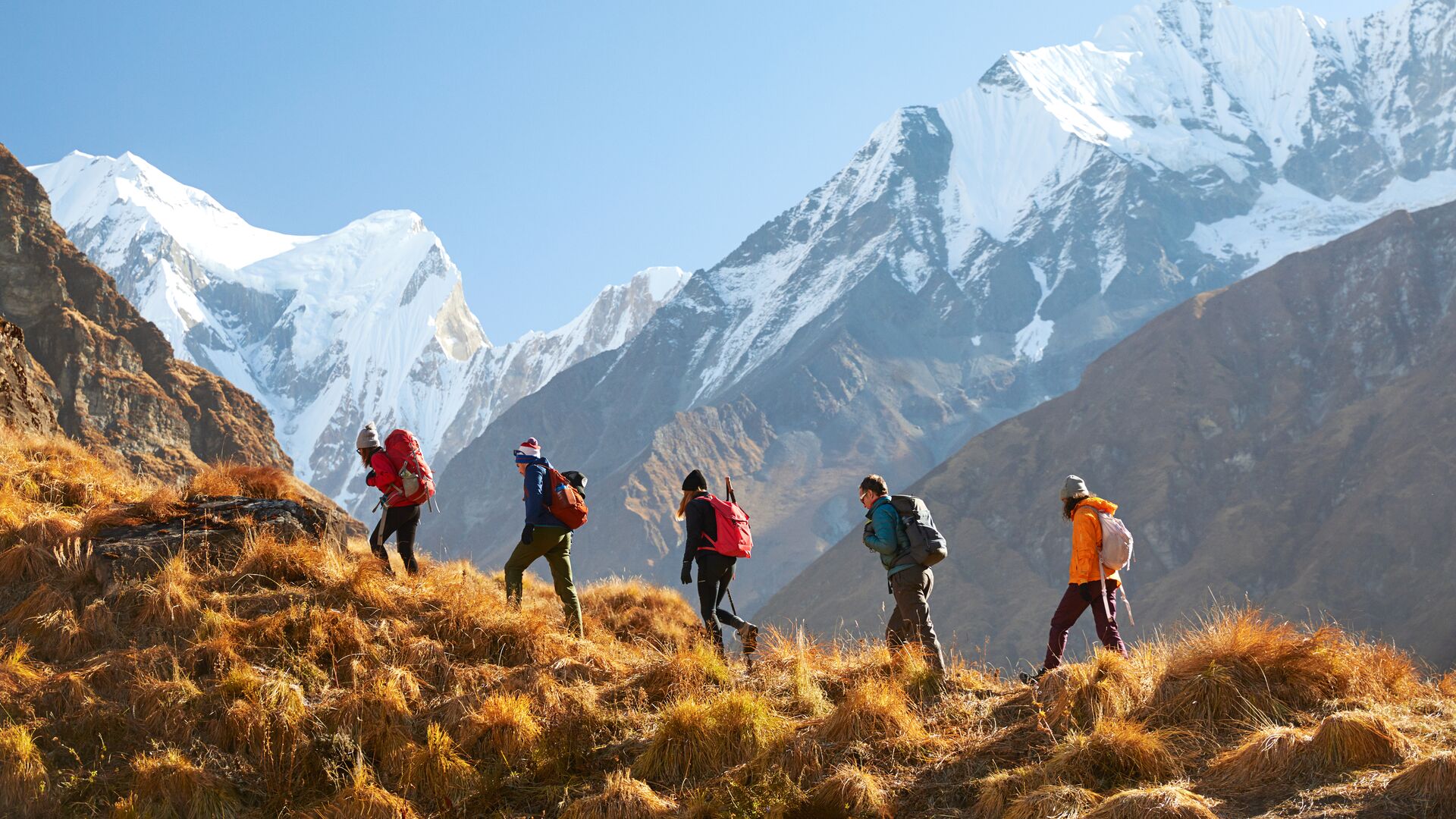
In an age defined by speed, convenience, and digital mediation, an increasing number of travelers are choosing a form of movement that is slow, physically demanding, and deeply personal: hiking travel. Once associated primarily with mountaineers, explorers, or outdoor specialists, hiking has evolved into a mainstream travel practice embraced by people of different ages, cultures, and backgrounds. From alpine routes and desert trails to coastal paths and historical pilgrim roads, hiking has become a powerful way to experience landscapes, cultures, and the self.
The growing popularity of hiking travel reflects more than a change in leisure preferences. It signals a broader cultural shift in how people relate to nature, time, consumption, and meaning. Hiking is no longer just a recreational activity; it is a philosophy of travel that values immersion over speed, effort over ease, and presence over spectacle.
This article offers a comprehensive, professionally grounded exploration of why hiking travel has become so appealing to modern travelers. It examines historical roots, cultural significance, physical and psychological dimensions, environmental implications, global trail systems, planning considerations, and future trends. Through this lens, hiking emerges not merely as a way of moving through space, but as a way of understanding the world.
1. Historical Context: Walking as Humanity’s Original Mode of Travel
1.1 Walking Before Tourism
Long before tourism existed as an industry, walking was humanity’s primary means of movement. Early migration, trade, pilgrimage, and exploration all depended on foot travel. Trails formed naturally through repeated use, often following water sources, animal paths, and geographical contours. Many modern hiking routes are built upon these ancient corridors.
In this sense, hiking is not a new invention but a return to a fundamental human practice. What has changed is the intent: walking is now chosen deliberately as a form of leisure and self-expression rather than necessity.
1.2 Pilgrimage and Cultural Routes
Historical pilgrimages such as the Camino de Santiago, the Kumano Kodo in Japan, and various Himalayan spiritual routes demonstrate that walking has long been associated with reflection, endurance, and transformation. These journeys blended physical effort with cultural learning and spiritual inquiry, laying an early foundation for today’s hiking travel ethos.
1.3 The Romantic Era and Nature Appreciation
In the 18th and 19th centuries, the Romantic movement in Europe reframed nature as a source of emotional and moral insight. Walking in landscapes became a way to cultivate sensibility, imagination, and authenticity. This philosophical shift strongly influenced modern hiking culture, emphasizing experience over conquest.
2. Defining Hiking Travel in the Modern Context
2.1 What Is Hiking Travel?
Hiking travel refers to journeys in which walking is the primary mode of movement and engagement, often over extended distances or multiple days. Unlike casual walking or short nature strolls, hiking travel typically involves:
- Purposeful routes or trails
- Sustained physical effort
- Direct interaction with natural environments
- A slower, more immersive pace
Hiking travel may take place in wilderness areas, rural regions, cultural landscapes, or even urban peripheries.
2.2 Hiking vs. Other Forms of Travel
Compared with conventional tourism, hiking travel is:
- Process-oriented rather than destination-focused
- Embodied, involving physical exertion
- Time-intensive, emphasizing continuity over highlights
- Experiential, favoring lived moments over curated attractions
These characteristics distinguish hiking as a fundamentally different travel logic.
3. Why Hiking Appeals to Contemporary Travelers
3.1 A Response to Accelerated Lifestyles
Modern life is characterized by speed, multitasking, and constant digital stimulation. Hiking offers a counterbalance. The repetitive rhythm of walking, the need to attend to terrain and weather, and the absence of rapid transportation slow the traveler down, creating mental space for reflection and awareness.
For many, hiking is a form of intentional deceleration—a way to reclaim time and attention.
3.2 The Desire for Authentic Experience
Many travelers express dissatisfaction with superficial tourism experiences that prioritize photos, checklists, and crowds. Hiking offers a sense of authenticity because:
- Progress must be earned physically
- Landscapes are experienced gradually
- Encounters with people and places feel less scripted
The effort involved creates emotional investment, making experiences feel more meaningful.
3.3 Reconnection with Nature
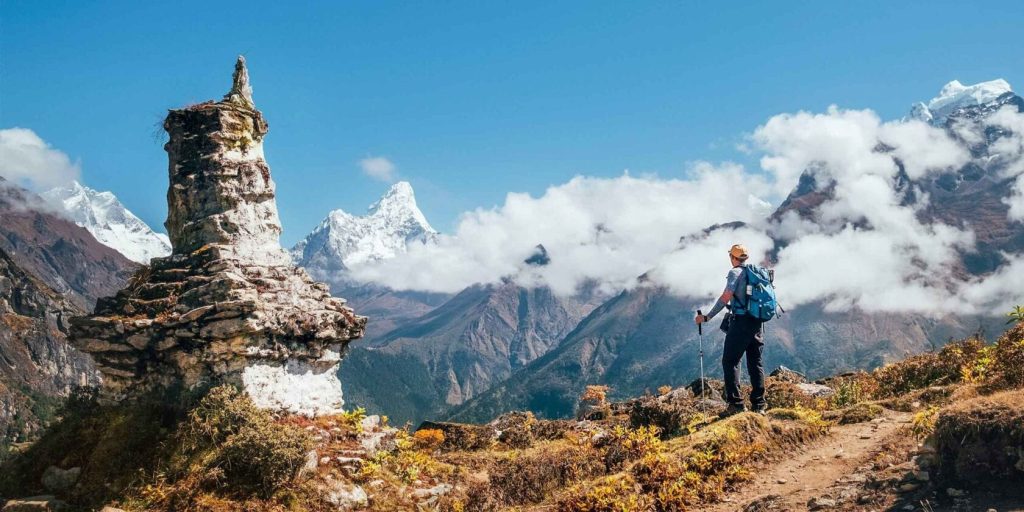
As urbanization increases globally, access to natural environments has become limited for many people. Hiking provides sustained exposure to ecosystems, weather patterns, and geological features, fostering ecological awareness and appreciation.
Rather than viewing nature as scenery, hikers engage with it as a living system that shapes every step of the journey.
4. Physical and Psychological Dimensions of Hiking Travel
4.1 The Body in Motion
Hiking engages the entire body. Endurance, balance, and coordination are constantly tested, especially over uneven terrain. Unlike gym-based exercise, hiking integrates movement with environmental variability, making physical effort feel purposeful rather than repetitive.
Over time, hikers often develop:
- Greater physical resilience
- Improved posture and movement awareness
- A stronger connection between body and environment
4.2 Mental Health and Cognitive Benefits
Research and anecdotal evidence alike suggest that hiking supports mental well-being. Extended walking in natural settings has been associated with:
- Reduced stress and anxiety
- Improved mood and emotional regulation
- Enhanced creativity and problem-solving
The combination of movement, fresh air, and sensory engagement creates conditions conducive to mental clarity.
4.3 Solitude, Community, and Self-Reflection
Hiking offers a flexible social structure. Some travelers hike alone, valuing solitude and introspection. Others hike in small groups, where shared effort fosters deep bonds. Trail communities often form spontaneously, creating temporary yet meaningful social networks.
This balance between solitude and connection is a key part of hiking’s appeal.
5. Cultural and Educational Value of Hiking Travel
5.1 Learning Through Movement
Hiking through a region allows travelers to observe gradual transitions in:
- Geography and climate
- Architecture and land use
- Language accents and cultural practices
These changes are more perceptible on foot than through rapid transportation, turning the journey itself into an educational process.
5.2 Cultural Landscapes and Human History
Many hiking routes pass through landscapes shaped by centuries of human activity—terraced fields, stone walls, irrigation systems, and ancient paths. Walking through these environments reveals how societies have adapted to terrain and resources over time.
Hiking thus becomes a method of reading history inscribed in land.
6. Global Hiking Traditions and Trail Systems
6.1 Long-Distance Trails
Around the world, long-distance trails have become symbols of hiking culture. These routes often span hundreds or thousands of kilometers and require weeks or months to complete. They represent commitment, endurance, and personal challenge.
Such trails also function as cultural corridors, connecting regions and communities.
6.2 Regional and Thematic Routes
Not all hiking travel involves extreme distances. Many travelers choose regional trails that focus on:
- Coastal scenery
- Mountain ranges
- Forest ecosystems
- Historical or literary themes
These routes allow hikers to tailor journeys to personal interests and abilities.
6.3 Urban-Adjacent Hiking
An emerging trend is hiking routes that begin near or pass through urban areas. These trails blur the boundary between city and nature, making hiking more accessible and highlighting the relationship between human settlements and their environments.
7. Environmental Awareness and Responsible Travel
7.1 Hiking as a Low-Impact Travel Form
Compared with many forms of tourism, hiking generally has a lower environmental footprint. It requires minimal infrastructure, relies on human energy rather than fuel, and encourages respect for natural spaces.
However, increased popularity also brings challenges, including trail erosion and ecosystem pressure.
7.2 Leave-No-Trace Ethics
Responsible hiking travel emphasizes principles such as:
- Minimizing waste
- Staying on established paths
- Respecting wildlife and local communities
These practices are essential to preserving landscapes for future travelers.
7.3 Hiking and Conservation Advocacy
Many hikers become advocates for environmental protection after witnessing fragile ecosystems firsthand. Hiking can thus inspire long-term engagement with conservation efforts and sustainable lifestyles.
8. Planning and Preparation: The Intellectual Side of Hiking Travel
8.1 Route Research and Contextual Understanding
Professional hiking travel involves more than physical readiness. Thoughtful preparation includes:
- Studying geography and climate
- Understanding local culture and customs
- Learning historical background of the region
This knowledge enriches the journey and fosters respectful engagement.
8.2 Balancing Structure and Flexibility
While planning is important, hiking travel also values adaptability. Weather changes, physical conditions, and unexpected encounters often require adjustments. Experienced hikers learn to balance structure with openness, viewing uncertainty as part of the experience rather than a problem.
9. Digital Technology and the Modern Hiker
9.1 Tools for Navigation and Learning
Digital maps, GPS devices, and mobile applications have transformed hiking accessibility. They reduce barriers for newcomers while providing detailed information about terrain, distances, and landmarks.
9.2 Technology as Support, Not Replacement
Despite these tools, hiking culture often emphasizes presence and attentiveness. Many hikers deliberately limit digital use to avoid distraction, reinforcing hiking’s role as a practice of mindfulness rather than constant connectivity.
10. Hiking Travel Across Life Stages
10.1 Youth and Exploration
For younger travelers, hiking often represents independence, challenge, and self-discovery. It offers a way to test limits and build confidence outside structured environments.
10.2 Midlife Reflection
For many adults, hiking travel becomes a means of reflection, stress management, and reconnection with values that may be obscured by professional and social responsibilities.
10.3 Later Life and Lifelong Movement
Older hikers often approach travel with patience and wisdom, focusing on rhythm, observation, and enjoyment rather than distance. Hiking demonstrates that meaningful travel does not require speed or intensity, but intention.
11. Challenges and Misconceptions
11.1 Physical and Mental Demands
Hiking is not effortless. Fatigue, discomfort, and uncertainty are inherent aspects of long-distance walking. However, these challenges are also what make the experience transformative.
11.2 Accessibility and Inclusivity
Efforts are increasingly being made to design trails and hiking programs that accommodate different physical abilities and backgrounds. Hiking travel continues to evolve toward greater inclusivity without losing its core values.
12. The Future of Hiking Travel
12.1 Integration with Slow Travel Movements
Hiking aligns naturally with broader slow travel and sustainable tourism movements. Future travel models are likely to integrate hiking with local stays, cultural learning, and environmental education.
12.2 Climate Awareness and Adaptation
As climate patterns shift, hiking routes and seasons will change. Responsible planning and adaptive management will be crucial to preserving hiking opportunities worldwide.
12.3 Hiking as Cultural Heritage
Increasingly, hiking trails are recognized not only as recreational assets but as cultural heritage. Protecting them means preserving stories, knowledge, and human connections embedded in the landscape.
Conclusion: Walking Toward Meaning
Hiking travel has become a favored form of travel because it speaks to fundamental human needs: movement, connection, understanding, and purpose. In choosing to walk, travelers accept effort and uncertainty in exchange for depth and authenticity. Each step becomes a unit of experience, each day a narrative shaped by terrain, weather, and personal resolve.
In a world that often prioritizes speed and efficiency, hiking offers an alternative vision of travel—one that values presence over performance and understanding over accumulation. It reminds us that travel is not only about where we go, but how we move, how we pay attention, and how we allow landscapes to change us.
As more travelers turn to hiking, they are not merely adopting a trend. They are rediscovering an ancient, enduring way of engaging with the world—one step at a time.