




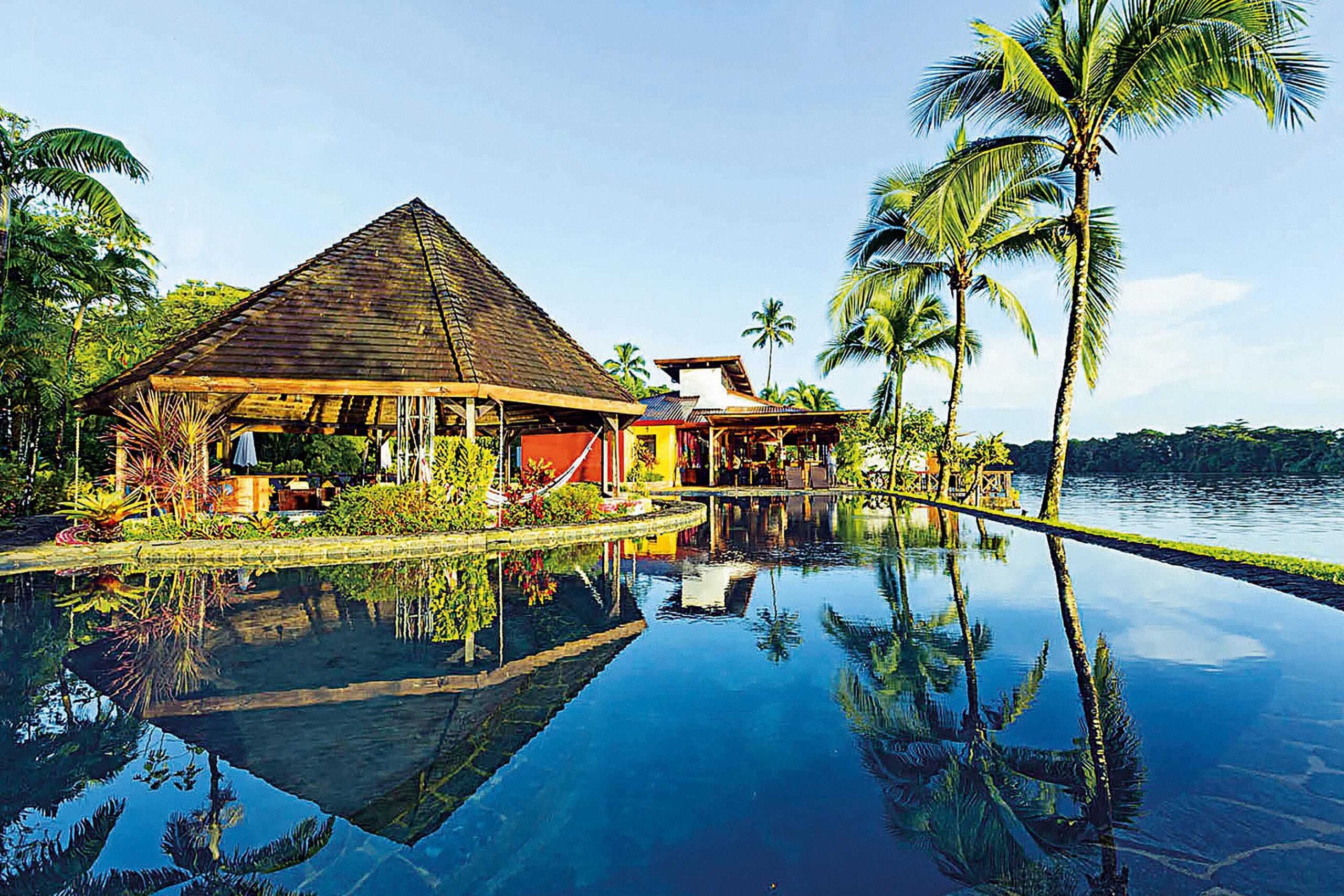

Costa Rica has long been recognized as one of the world’s leading destinations for ecotourism and sustainable travel. Despite its relatively small geographic size, the country hosts nearly 6% of the planet’s biodiversity, making it a global hotspot for conservation, environmental research, and responsible tourism. Among the most significant contributors to Costa Rica’s sustainable tourism success are its eco-resorts, which seamlessly integrate luxury, environmental stewardship, and community engagement.
This article provides an in-depth exploration of eco-resorts in Costa Rica, examining their philosophy, design principles, environmental practices, community impact, and the role they play in shaping the future of sustainable tourism. Through professional analysis and global context, this guide demonstrates why Costa Rica’s eco-resorts are widely regarded as a benchmark for environmentally responsible hospitality.
1. Costa Rica as a Global Ecotourism Leader
1.1 Environmental Commitment at the National Level
Costa Rica’s dedication to sustainability is deeply embedded in its national identity. Over 25% of the country’s land area is protected through national parks, biological reserves, and wildlife refuges. The government has implemented forward-thinking environmental policies, including:
- Forest conservation and reforestation initiatives
- Renewable energy reliance (over 98% renewable electricity in recent years)
- Strict environmental impact regulations for tourism development
These policies create a fertile environment for eco-resorts to flourish while maintaining ecological integrity.
1.2 Biodiversity and Natural Assets
Costa Rica’s ecosystems range from tropical rainforests and cloud forests to mangroves, volcanoes, and pristine coastlines. This ecological diversity provides ideal settings for eco-resorts that prioritize immersive nature experiences, wildlife observation, and environmental education.
2. Defining Eco-Resorts in the Costa Rican Context
2.1 What Is an Eco-Resort?
An eco-resort is more than a hotel located in nature. In Costa Rica, eco-resorts are defined by their commitment to:
- Environmental conservation
- Sustainable architecture and operations
- Community involvement and cultural respect
- Education and environmental awareness
These resorts aim to minimize ecological footprints while maximizing positive social and environmental impact.
2.2 Certification and Standards
Costa Rica is home to one of the most respected sustainability certification systems in the world:
- Certification for Sustainable Tourism (CST), developed by the Costa Rican Tourism Board
CST evaluates accommodations based on:
- Energy and water efficiency
- Waste management
- Biodiversity protection
- Social and cultural responsibility
Eco-resorts achieving high CST ratings are internationally recognized for excellence in sustainability.
3. Sustainable Architecture and Design
3.1 Harmonizing with Nature
Costa Rican eco-resorts emphasize architectural designs that blend seamlessly with the surrounding environment. Common features include:
- Low-rise structures that avoid skyline disruption
- Use of natural ventilation instead of air conditioning
- Open-air common spaces to reduce energy use
Buildings are often positioned to preserve wildlife corridors and native vegetation, ensuring minimal habitat disturbance.
3.2 Use of Local and Renewable Materials
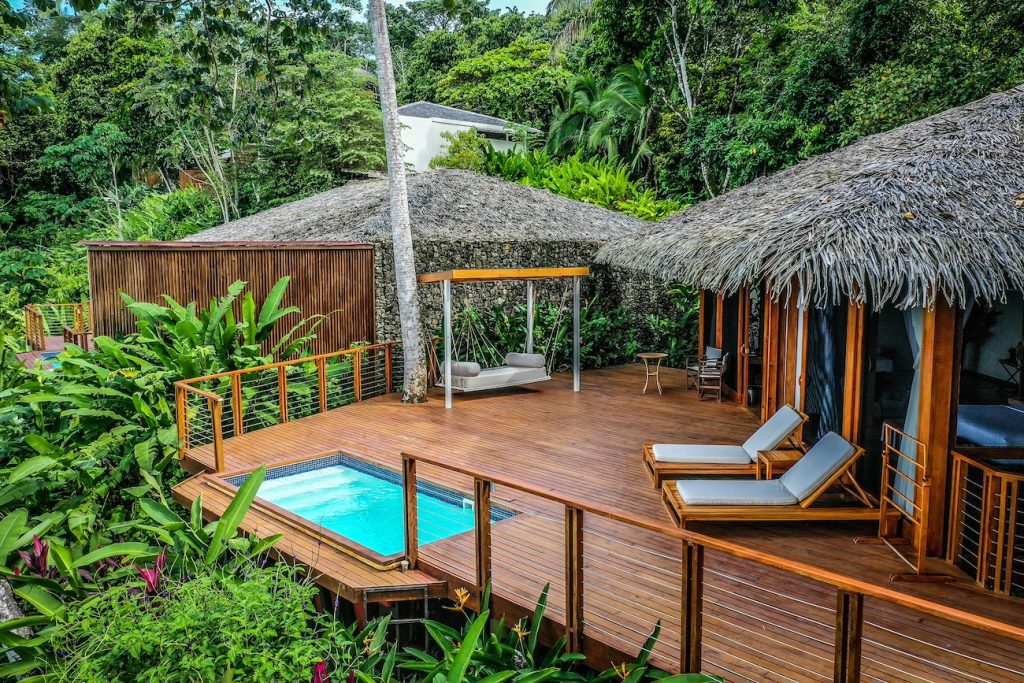
Sustainable construction materials play a crucial role in eco-resort development. These include:
- Sustainably harvested wood
- Bamboo and reclaimed materials
- Locally sourced stone and clay
This approach reduces transportation emissions while supporting local economies.
4. Environmental Practices and Resource Management
4.1 Renewable Energy Integration
Many eco-resorts in Costa Rica rely heavily on solar panels, micro-hydroelectric systems, and biomass energy. These systems significantly reduce reliance on fossil fuels and lower greenhouse gas emissions.
4.2 Water Conservation
Water management is critical in tropical environments. Eco-resorts employ strategies such as:
- Rainwater harvesting systems
- Greywater recycling for irrigation
- Low-flow fixtures and water-efficient landscaping
These measures help preserve freshwater resources while maintaining guest comfort.
4.3 Waste Reduction and Circular Economy
Effective waste management practices include:
- Composting organic waste
- Eliminating single-use plastics
- Recycling and upcycling initiatives
Some resorts even operate on-site organic gardens, using composted waste to grow food for guests.
5. Biodiversity Protection and Wildlife Conservation
5.1 Protecting Fragile Ecosystems
Eco-resorts are often located near national parks and biological reserves, making conservation a top priority. Resorts work with biologists and conservation organizations to:
- Monitor wildlife populations
- Protect nesting and breeding areas
- Restore degraded habitats
5.2 Responsible Wildlife Interaction
Strict guidelines ensure that wildlife observation does not disturb natural behaviors. Practices include:
- Maintaining safe distances from animals
- Prohibiting feeding or touching wildlife
- Limiting nighttime lighting to protect nocturnal species
This approach allows guests to observe biodiversity ethically and responsibly.
6. Community Engagement and Social Sustainability
6.1 Local Employment and Training
Eco-resorts prioritize hiring local staff, offering:
- Fair wages and stable employment
- Training in hospitality, language skills, and environmental management
This investment strengthens local economies and builds long-term community resilience.
6.2 Supporting Local Culture and Traditions
Many eco-resorts collaborate with nearby communities to offer:
- Traditional cooking demonstrations
- Cultural workshops and storytelling sessions
- Artisan markets featuring handmade crafts
These activities preserve cultural heritage while fostering meaningful connections between travelers and residents.
6.3 Education and Environmental Awareness
Environmental education is a core component of Costa Rican eco-resorts. Guests may participate in:
- Guided nature walks led by trained naturalists
- Conservation talks and workshops
- Citizen science programs, such as bird or turtle monitoring
7. Types of Eco-Resorts in Costa Rica
7.1 Rainforest Eco-Lodges
Located in lowland rainforests and cloud forests, these lodges focus on:
- Wildlife observation
- Canopy tours and suspension bridges
- Immersive jungle experiences
7.2 Coastal and Marine Eco-Resorts
Found along the Pacific and Caribbean coasts, these resorts emphasize:
- Marine conservation and coral reef protection
- Sustainable fishing and coastal ecosystem preservation
- Surfing and low-impact water activities
7.3 Mountain and Volcano Eco-Resorts
Set near volcanoes and highland forests, these properties offer:
- Scenic views and cooler climates
- Geothermal education and volcanic ecology
- Hiking and wellness-focused retreats
8. Guest Experience and Sustainable Luxury
8.1 Redefining Luxury
In Costa Rican eco-resorts, luxury is defined not by excess, but by:
- Privacy and tranquility
- Authentic connection with nature
- Personalized and meaningful experiences
Comfort is achieved through thoughtful design, high-quality service, and immersive environments rather than resource-intensive extravagance.
8.2 Wellness and Nature-Based Activities
Wellness offerings often include:
- Yoga and meditation in natural settings
- Spa treatments using local, organic ingredients
- Forest bathing and mindfulness walks
These activities enhance physical and mental well-being while reinforcing environmental appreciation.
9. Challenges Facing Eco-Resorts
9.1 Balancing Growth and Conservation
As demand for eco-tourism increases, resorts face the challenge of expanding without compromising sustainability. Solutions include:
- Limiting guest capacity
- Implementing strict land-use planning
- Continuous environmental impact monitoring
9.2 Climate Change Impacts
Changing rainfall patterns, rising temperatures, and biodiversity shifts affect resort operations. Adaptive strategies involve:
- Climate-resilient infrastructure
- Ecosystem restoration projects
- Diversification of tourism activities
10. Costa Rica as a Global Model
Costa Rica’s eco-resorts demonstrate that tourism, conservation, and economic development can coexist successfully. Key factors behind this success include:
- Strong environmental governance
- Industry-wide sustainability standards
- Active participation of local communities
As global tourism seeks more responsible models, Costa Rica’s eco-resorts provide valuable lessons for destinations worldwide.
11. Practical Tips for Travelers
- Choose eco-resorts with recognized sustainability certifications
- Respect wildlife and follow all environmental guidelines
- Support local businesses and community initiatives
- Minimize waste and energy use during your stay
- Participate in educational and conservation activities
12. Conclusion
Eco-resorts in Costa Rica represent the future of sustainable tourism, offering travelers a chance to experience extraordinary natural beauty without compromising environmental integrity or cultural authenticity. Through innovative design, responsible resource management, and deep community engagement, these resorts redefine hospitality as a force for positive environmental and social change.
As global awareness of sustainability grows, Costa Rica’s eco-resorts stand as a powerful example of how tourism can protect biodiversity, empower communities, and inspire travelers. Choosing such accommodations is not merely a travel decision—it is a commitment to preserving the planet for generations to come.