




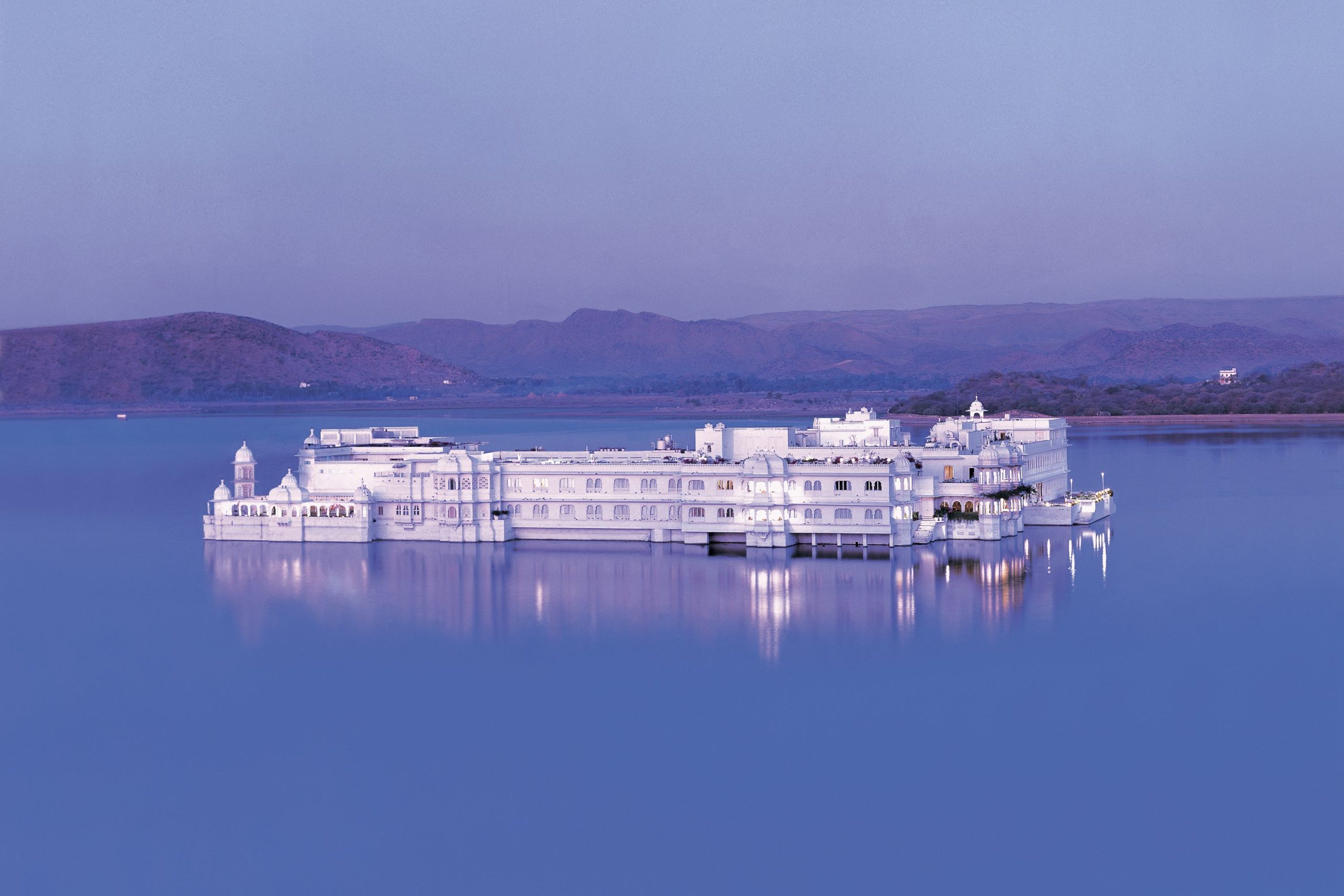

In recent years, the rise of floating hotels and overwater villas has captivated the imagination of travelers around the world, transforming the way people experience luxury accommodation. Imagine waking up to the gentle lapping of water beneath you, with unobstructed views of the ocean or a serene lake, all while enjoying the comforts of a high-end resort. These innovative structures not only offer a unique and tranquil escape but also reflect a growing trend in the tourism industry that emphasizes eco-friendly designs, exclusive experiences, and the beauty of staying in close harmony with nature.
This article delves into the concept of floating hotels and overwater villas, exploring their origins, architecture, sustainability features, and the unparalleled luxury they offer. From the Maldives to the canals of Amsterdam, these unique accommodations are setting new standards for waterfront tourism.
1. The Rise of Floating Hotels and Overwater Villas
1.1. A New Paradigm in Hospitality
Historically, waterfront accommodations have been a popular choice among travelers seeking tranquility, adventure, or both. However, the conventional hotel, often perched on land near water, has recently been challenged by the increasing popularity of floating structures. Floating hotels are essentially mobile or fixed structures that rest atop water bodies like oceans, lakes, and rivers. Overwater villas, while a subset of floating accommodations, are smaller and more intimate, often designed for private stays with a luxury touch.
Both of these accommodation types have become symbols of exclusivity and sustainability. Guests are drawn not only to the idea of unique experiences but also the appeal of staying in a space that seamlessly merges modern luxury with the natural world. The draw of privacy, coupled with the aesthetic beauty of being surrounded by water, makes these establishments a perfect blend of luxury, isolation, and eco-consciousness.
1.2. The Evolution of Floating Hotels
The first floating hotels emerged in the early 20th century, mainly in areas where land was scarce or expensive. However, it wasn’t until the 1990s that the concept of floating luxury accommodation began to take off, particularly in tropical destinations. The Maldives, with its stunning coral reefs and crystal-clear waters, became one of the pioneers of this trend, building luxurious floating hotels to cater to the increasing demand for unique travel experiences.
Over the last two decades, technological advancements, particularly in floating architecture and engineering, have made it possible to design more sustainable, innovative, and luxurious floating hotels and villas. Today, these structures combine cutting-edge technology with eco-friendly designs, offering visitors a world-class experience while reducing environmental impact.
2. Architectural Design and Engineering Behind Floating Hotels and Villas
2.1. Floating Architecture: A Marriage of Innovation and Aesthetics
Creating floating hotels and overwater villas involves the use of advanced engineering techniques to ensure that these structures can endure the elements while providing a comfortable living environment. The architecture of floating hotels is designed with both stability and aesthetic appeal in mind, often utilizing materials like steel, reinforced concrete, and sustainable wood. Many floating hotels are built to withstand the most extreme weather conditions, including high winds, waves, and even earthquakes.
The design of these structures takes into account the need for flexibility in order to deal with shifting water levels. In areas with tidal fluctuations, for instance, the hotels are often designed with adjustable foundations or floating platforms that move with the water. This ensures that the buildings stay level and safe at all times, while still allowing for the natural ebb and flow of the surrounding environment.
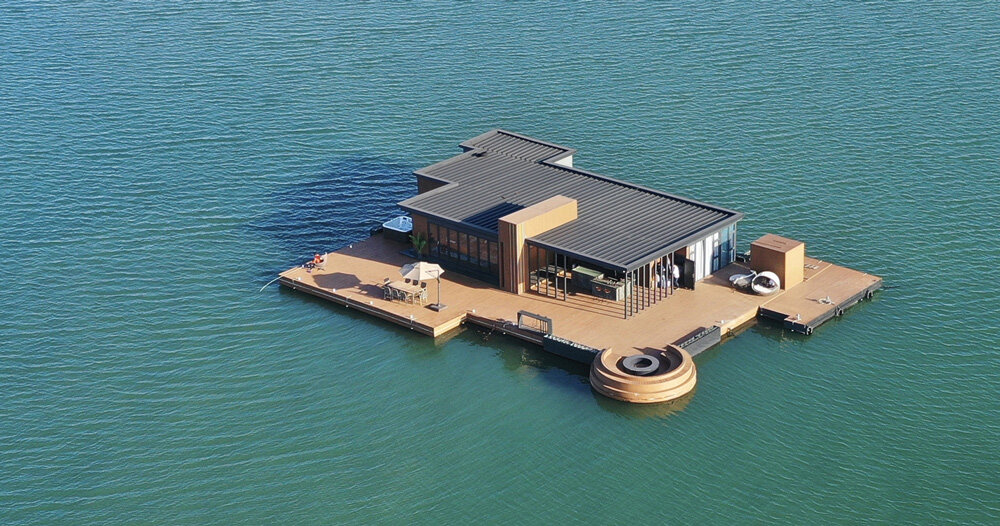
Overwater villas, while often smaller in scale, follow similar architectural principles. Many of these villas are designed as self-sustaining eco-structures, featuring solar panels, rainwater harvesting systems, and other green technologies that reduce the environmental footprint of the property.
2.2. Sustainability and Eco-friendly Designs
One of the key appeals of floating hotels and overwater villas is their sustainability. The tourism industry is becoming increasingly focused on minimizing its ecological impact, and floating hotels are at the forefront of this movement. By being built over water, these structures often have a significantly lower impact on the surrounding land, reducing the need for invasive construction processes and preserving the natural landscape.
Many floating hotels use eco-conscious materials such as recycled steel, energy-efficient insulation, and solar panels to power the property. In addition, wastewater treatment and rainwater collection systems are commonly integrated into the design to make these accommodations more self-sufficient. For example, the Floating Seahorse villas in Dubai are equipped with self-sustaining power systems, desalination units, and eco-friendly materials, ensuring that these luxury accommodations don’t harm the marine ecosystem.
3. Popular Floating Hotels and Overwater Villas Around the World
3.1. The Maldives: A Paradise of Overwater Villas
The Maldives is perhaps the most iconic destination for overwater villas and floating resorts. Known for its crystal-clear turquoise waters, white sandy beaches, and vibrant marine life, the Maldives offers some of the world’s most luxurious floating accommodations. Many of the country’s exclusive resorts feature overwater villas that offer private pools, glass floors, and direct access to the ocean.
The St. Regis Maldives Vommuli Resort, for example, features lavish overwater villas with expansive views, a private pool, and direct access to the beach or lagoon. Similarly, Soneva Jani has become famous for its incredible overwater villas with retractable roofs, allowing guests to sleep beneath the stars. These villas also include eco-friendly features, such as solar panels and water-recycling systems.
3.2. Bora Bora: The Ultimate Destination for Romance
Bora Bora, in French Polynesia, is another hotspot for overwater bungalows. Famous for its breathtaking lagoons and volcanic peaks, this tropical paradise offers some of the most exclusive floating villas in the world. The Four Seasons Resort Bora Bora and Le Méridien Bora Bora feature luxurious overwater bungalows where guests can enjoy a private oceanfront experience complete with glass-bottom floors, private decks, and access to a wide range of water sports.
These resorts are designed for those looking to combine luxury with seclusion—making them perfect for honeymooners, couples, or anyone looking for a serene getaway. The villas are designed to blend seamlessly with the surrounding natural beauty, offering an immersive experience in nature without sacrificing comfort.
3.3. Amsterdam: Floating Hotels in the Urban Landscape
While floating hotels are most often associated with tropical resorts, they can also be found in urban settings. Amsterdam, with its intricate canal system, is home to several floating hotels that provide a unique way to experience this historic city. One such hotel is The Houseboat Hotel, which allows guests to stay aboard converted houseboats that offer both comfort and scenic views of the canals.
These floating hotels offer a completely different type of experience, where guests can enjoy the serenity of being on the water, while still being steps away from Amsterdam’s vibrant culture and history. The charm of staying on a houseboat in a city known for its waterways brings an entirely new perspective on urban tourism.
4. The Future of Floating Hotels and Overwater Villas
4.1. Rising Demand for Unique Travel Experiences
As travelers continue to seek out more unique and memorable experiences, the demand for floating hotels and overwater villas is expected to rise. People are increasingly looking for ways to connect with nature, but without sacrificing luxury or comfort. These floating accommodations provide the perfect balance, offering travelers the opportunity to experience the beauty of the water while indulging in five-star luxury.
4.2. Innovations in Design and Technology
The future of floating hotels lies in continued innovation. New technologies will allow for even more sustainable designs, incorporating renewable energy sources, smart home systems, and advanced water treatment technologies. Architects and engineers will continue to experiment with floating structures that can be used in diverse environments, from tropical islands to urban waterways.
Floating hotels and villas may soon become more than just luxury accommodations; they could become eco-friendly solutions for urban overpopulation and rising sea levels, offering sustainable and adaptable living spaces on the water.
5. Conclusion: The Allure of Floating Hotels and Overwater Villas
Floating hotels and overwater villas represent the pinnacle of modern luxury, blending exclusivity, sustainability, and natural beauty into a single unforgettable experience. Whether you’re basking in the serenity of the Maldives, waking up to the sun rising over Bora Bora, or experiencing the charm of Amsterdam’s canals, these waterfront accommodations offer a truly unique way to experience the world.
As technology continues to evolve and the demand for environmentally-conscious travel increases, the future of floating hotels and overwater villas looks promising. They offer not just a place to stay, but an opportunity to connect with the water, embrace luxury, and experience a new way of living that is as much about innovation as it is about escapism.
The allure of staying on water is undeniable, and as this trend grows, it will continue to redefine what it means to experience luxury in the modern world.