




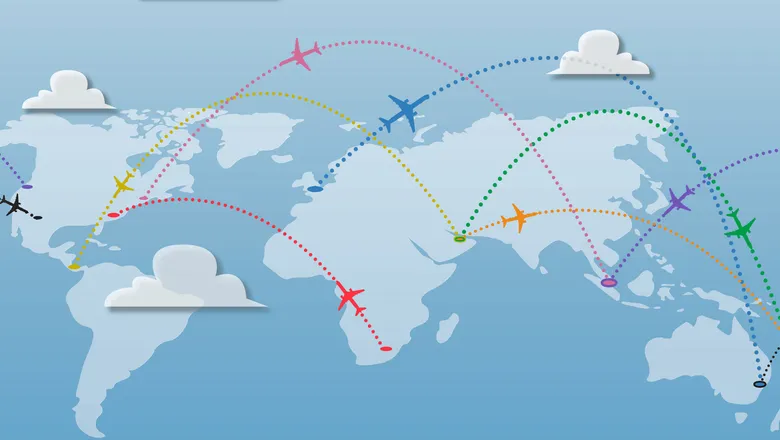

Introduction: The Challenges of Long-Distance Travel
Long-distance travel, whether by plane, train, or car, can be an incredibly rewarding experience, offering the chance to explore new cultures, landscapes, and activities. However, it also comes with significant challenges, particularly regarding time management. One of the most common issues travelers face is spending too much time on transportation, which can detract from the overall experience of the trip.
To make the most of a long journey, it is essential to plan the daily activities carefully, ensuring that transportation is optimized and not a source of wasted time or frustration. This article will explore how travelers can effectively organize their days, avoid unnecessary travel delays, and ensure that their time is spent enjoying the destination rather than in transit.
1. Understanding the Importance of Efficient Travel Planning
1.1 Why Long-Distance Travel Needs Precision
Long-distance travel typically involves moving between cities, regions, or countries, which can lead to substantial time spent traveling. Without careful planning, this time spent in transit can easily add up, leading to a sense of dissatisfaction or missed opportunities.
However, with efficient planning, travelers can avoid the common pitfalls of lengthy travel times. The key is to balance the logistics of transportation with enough time to experience the local culture, activities, and attractions.
1.2 The Costs of Wasted Time in Travel
- Physical Fatigue: Traveling long distances, especially across multiple time zones, can cause significant fatigue, affecting a traveler’s ability to fully engage with the destination.
- Missed Opportunities: If travel times are poorly planned, travelers may arrive too late for key activities, events, or even meals that could have enhanced their experience.
- Stress and Frustration: Rushed or poorly timed connections can create unnecessary stress, leading to anxiety, missed connections, or problems with transportation.
2. Strategies for Reducing Travel Time on Long-Distance Trips
2.1 Optimize Travel Routes
One of the best ways to avoid wasting time on transportation is by optimizing travel routes. Here are a few ways to make your journeys more efficient:
- Plan Direct Routes: Whenever possible, choose direct flights, trains, or buses to minimize travel time. This is especially true for long-haul flights or train journeys, where layovers can add significant time to the trip.
- Avoid Unnecessary Detours: When traveling overland, such as by bus or car, try to avoid detours or scenic routes that may be appealing but unnecessary for the trip. Instead, focus on reaching your destination quickly so you can enjoy your time there.
2.2 Timing Your Travel
Choosing the right time to travel is essential for an efficient itinerary:
- Early Departures: Whenever possible, opt for morning departures. Early travel allows you to arrive at your destination with ample time to explore or rest, avoiding wasting half the day in transit.
- Night Travel: If your destination is several hours away, consider overnight travel (e.g., night trains or flights) so that you arrive at your destination in the morning, well-rested and ready for activities.
- Off-Peak Travel Times: Traveling during off-peak hours helps avoid delays and crowded transportation options, which can lead to wasted time.
2.3 Minimize Transit Between Destinations
To avoid unnecessary transit time, focus on fewer destinations that are geographically closer to one another. This allows for more time spent exploring each location. Consider these approaches:
- Regional Focus: Plan your itinerary around a single region or country to avoid the need for multiple flights or long-distance train rides.
- Transportation Hubs: Choose destinations that are well-connected by major transportation hubs, such as airports, train stations, or bus terminals, to minimize the time needed to move between locations.
3. Practical Tips for Effective Long-Distance Travel
3.1 Maximize Time at Each Destination
Once you’ve optimized the transportation part of the trip, focus on making the most of your time at each destination. Here are several strategies:
- Prioritize Key Attractions: Focus on the must-see attractions and experiences that align with your travel goals. Research in advance to ensure you’re not missing out on anything essential.
- Be Strategic with Time of Day: Avoid wasting the day traveling. Schedule your most intense activities (e.g., sightseeing or hiking) during the early part of the day when you have the most energy, and use the afternoon for more leisurely activities, like exploring local neighborhoods or relaxing at a café.
- Allow Downtime: A well-balanced itinerary includes rest periods where you can recharge between sightseeing, meals, and activities.
3.2 Pack Light and Smart
Efficient travel goes hand in hand with packing smart. By avoiding unnecessary baggage, you can cut down on the time spent waiting at airports, train stations, or hotels for check-ins or luggage retrieval.
- Pack Only Essentials: Keep your luggage light by only packing what you need. This reduces the burden of carrying heavy bags and saves time during transfers.
- Keep Important Items Accessible: Keep essential items, such as travel documents, medications, or electronic devices, easily accessible to avoid wasting time searching through your luggage.
3.3 Using Technology to Your Advantage
- Use GPS and Navigation Tools: Use Google Maps or local transportation apps to find the fastest and most efficient routes between destinations.
- Pre-book Tickets: To save time and avoid long queues, consider pre-booking tickets for popular attractions, tours, and transportation. Many destinations offer online ticketing that allows you to skip the lines and head straight to your destination.
- Download Offline Maps and Schedules: If traveling to remote locations, download offline maps and transportation schedules in advance to avoid delays caused by poor connectivity.
4. The Role of Accommodation in Efficient Travel Planning
4.1 Strategic Hotel Locations
Where you stay can impact how much time you waste traveling within a city. Opt for accommodations that are centrally located or close to the transportation hubs. The closer your hotel is to key attractions, the less time you’ll spend commuting.
- Near Major Landmarks: If you’re visiting a city with iconic landmarks, choose a hotel or Airbnb within walking distance of those attractions.
- Proximity to Public Transport: If you are traveling between multiple cities or regions, book hotels near train stations or bus terminals to minimize time spent on getting to and from transport hubs.
4.2 Hotel Check-in and Check-out Times
Plan your accommodation stays to align with your travel schedule. Some hotels offer early check-in and late check-out, which can help you avoid waiting around at airports or train stations. If your schedule is tight, inquire about early check-in or late check-out options in advance.
5. Maximizing Efficiency: Tips for Multi-Destination Travel
5.1 Plan Efficient Multi-City Travel
For those traveling to multiple destinations, a well-structured, multi-city itinerary is crucial. The following tips will ensure your journey flows smoothly:
- Direct Transport Links: Always opt for direct routes between cities, whether by train, flight, or long-distance buses. Avoid multiple connections that eat up time.
- Travel in a Logical Sequence: Plan your journey in a way that minimizes backtracking. For example, if you are traveling through Europe, plan your route from west to east or north to south, depending on your destinations.
5.2 Combine Long-Distance Travel with Short Excursions
If you are moving between cities or countries, build in shorter day trips to avoid the fatigue of extended travel. Take advantage of regional passes or local tours that allow you to experience nearby attractions without significant detours.
6. How to Balance Travel Time with Local Exploration
6.1 Factor in Time for Local Exploration
Efficient planning means balancing transit time with exploration. Allocate time each day to experience the local culture, whether by visiting museums, attending events, or exploring neighborhoods on foot. These moments make the trip more enriching.
- Morning Sightseeing: Reserve your mornings for popular attractions that you want to visit before they get crowded.
- Afternoon Activities: In the afternoon, opt for leisurely activities, such as visiting parks, enjoying a traditional meal, or attending a cultural performance.
6.2 Don’t Over-schedule Your Days
Be sure to include downtime in your itinerary to rest and recharge. Over-scheduling activities can lead to exhaustion and make it harder to fully appreciate the local culture. Use your spare time to relax, people-watch, or enjoy a quiet evening in a local café.
Conclusion: Time is of the Essence in Long-Distance Travel
Long-distance travel offers incredible opportunities, but it can easily become exhausting if not carefully planned. By optimizing travel routes, balancing transportation with meaningful experiences, and using technology to streamline logistics, travelers can minimize time spent on transportation and maximize the time they have to enjoy the destinations they visit.
Efficient travel planning is key to ensuring a fulfilling and stress-free journey. Through careful preparation, smart scheduling, and flexibility, you can make every moment of your long-distance trip count.