





Kenya, known worldwide for its stunning wildlife and world-class safaris, offers much more than its iconic savannas and big game. Beneath the sprawling landscapes and vibrant city life, the country’s rural villages are teeming with rich cultures, unique traditions, and a way of life that remains largely unchanged by modernity. Village tourism in Kenya offers travelers the opportunity to step away from the typical tourist route and immerse themselves in the authentic and traditional aspects of Kenyan life.
In this article, we will explore the growing trend of village tourism in Kenya, which provides visitors with intimate, firsthand experiences of the country’s diverse cultures, communities, and natural beauty. We’ll delve into the significance of village tourism for both travelers and local communities, what visitors can expect when staying in a Kenyan village, and how village tourism contributes to sustainable development and cultural preservation.
1. The Concept of Village Tourism in Kenya
1.1. What Is Village Tourism?
Village tourism is a form of cultural tourism that focuses on visiting rural areas, where tourists can interact with local communities and gain insight into their way of life. Unlike traditional safari tourism, which typically centers around game reserves and national parks, village tourism offers a more immersive and authentic experience of local culture, cuisine, and traditions.
In Kenya, village tourism typically involves visiting small, rural villages, such as those of the Maasai, Kikuyu, or Samburu people. These communities live in close harmony with nature, maintaining age-old customs, and using techniques passed down through generations. Village tours offer a glimpse into their daily lives, including agricultural practices, crafts, rituals, and traditional music and dance.
1.2. Why Choose Village Tourism?
There are several reasons why travelers are drawn to village tourism in Kenya:
- Authenticity: Village tourism provides an authentic experience, where travelers can witness the true essence of Kenyan culture, rather than a sanitized or commercialized version. Visitors are often invited into the homes of local people, sharing meals and engaging in meaningful conversations.
- Cultural Immersion: By visiting a village, tourists have the opportunity to deeply engage with local traditions, from ceremonial dances to artisanal crafts. This type of tourism fosters a connection with the local population, offering insights into their lives, values, and customs.
- Environmental Connection: Many of Kenya’s rural villages are located near national parks, forests, or conservation areas. This gives travelers the opportunity to connect with nature while learning about the efforts being made to preserve Kenya’s rich biodiversity.
- Support for Local Economies: By participating in village tourism, travelers are directly supporting local communities and contributing to sustainable development. The income generated from tourism helps to fund education, healthcare, and other essential services for the village population.
2. Major Village Tourism Destinations in Kenya
2.1. Maasai Village Tours
The Maasai people are one of Kenya’s most well-known indigenous groups. Their vibrant culture, distinct clothing, and rich traditions make them an iconic symbol of the country. Maasai villages, often located in the Great Rift Valley near popular tourist spots like the Maasai Mara National Reserve, are major attractions for those seeking a culturally enriching experience.
In a Maasai village, visitors can witness the Maasai warrior traditions, learn about their ancient customs such as circumcision rituals, and observe their distinctive lifestyle, which revolves around cattle and agriculture. Travelers can also participate in traditional dances, visit Maasai markets for handicrafts, and engage with the community to understand the significance of their customs and beliefs.
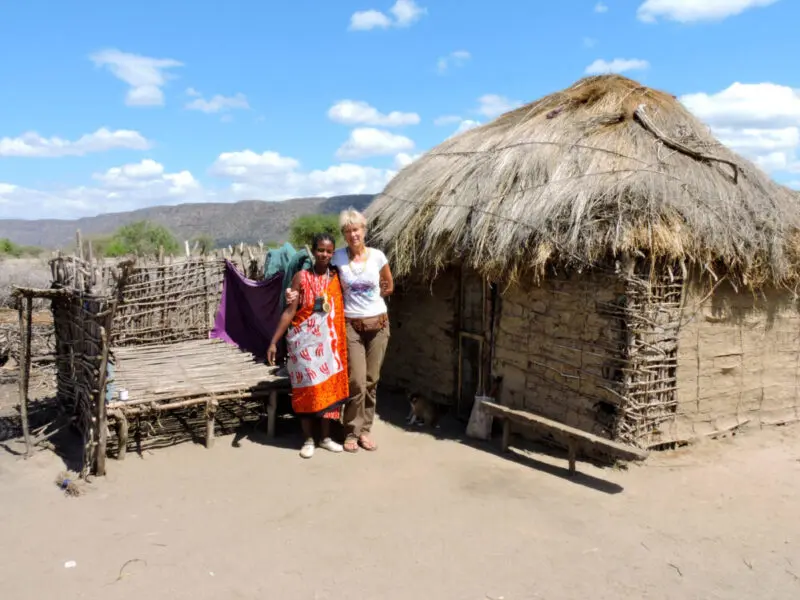
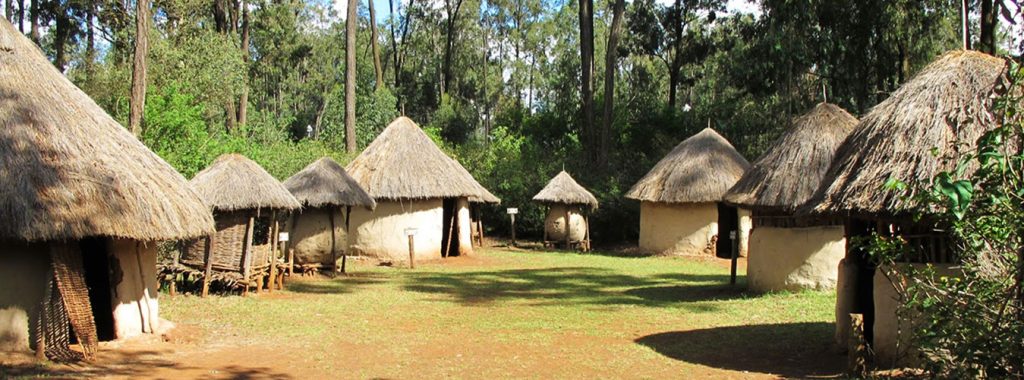
One of the most memorable aspects of Maasai village tourism is the opportunity to stay in traditional Maasai homes, known as enkangs. These small, circular dwellings are constructed from mud, cow dung, and thatched grass. A stay in an enkang offers a rare opportunity to truly experience Maasai village life.
2.2. Kikuyu Villages
The Kikuyu people, Kenya’s largest ethnic group, have a rich cultural heritage tied to the land, agriculture, and spirituality. Kikuyu villages are typically located in the central highlands of Kenya, an area known for its lush landscapes, coffee farms, and verdant hills. A visit to a Kikuyu village offers an opportunity to learn about their agricultural practices, including coffee and tea cultivation, as well as traditional farming methods that have been passed down for generations.
In these villages, travelers can engage with locals, learn about their rituals and belief systems, and enjoy home-cooked meals made from locally sourced ingredients. Kikuyu village tours also offer the opportunity to experience Kikuyu music, dance, and storytelling, which are an integral part of the community’s cultural expression.
2.3. Samburu Villages
The Samburu people are a semi-nomadic ethnic group who live in the northern region of Kenya. Their villages are located in the arid and remote areas of the country, often near famous wildlife destinations like Samburu National Reserve. The Samburu people have many cultural similarities with the Maasai, but their lifestyle is influenced by the harsh conditions of their environment.
Visitors to Samburu villages can learn about the community’s relationship with the land, the rituals surrounding marriage, and the way they manage cattle in a dry, challenging environment. Traditional beadwork, clothing, and dance are also key aspects of the Samburu culture, and travelers can participate in cultural ceremonies and purchase handmade jewelry and crafts directly from artisans.
Samburu village tours also provide insights into the challenges of conservation and wildlife protection in northern Kenya, where communities face issues such as water scarcity and human-wildlife conflict.
3. The Impact of Village Tourism on Local Communities
3.1. Economic Empowerment
One of the key benefits of village tourism in Kenya is its ability to promote economic empowerment. Many of Kenya’s rural communities rely heavily on agriculture and livestock for their livelihoods. However, tourism provides a supplementary income that can improve the community’s quality of life.
By inviting tourists into their villages, local communities can generate revenue through the sale of handcrafted goods, traditional dances, guided tours, and homestays. The income from tourism helps to fund essential services such as healthcare, education, and infrastructure development.
3.2. Preservation of Cultural Heritage
Village tourism also plays a vital role in the preservation of cultural heritage. In many parts of Kenya, traditional ways of life are threatened by modern influences, including urbanization and globalization. By showcasing their customs, language, and traditional skills to visitors, these communities can keep their heritage alive for future generations.
Furthermore, some tourism initiatives focus on cultural exchange, where visitors not only learn about the culture of the village but also share their own practices and experiences. This mutual exchange fosters respect for diverse cultures and promotes cross-cultural understanding.
3.3. Challenges and Ethical Considerations
While village tourism can bring numerous benefits, it also comes with its challenges. One key concern is the potential exploitation of local communities. It’s essential for tourists to engage in responsible travel, ensuring that their interactions are respectful and that they are supporting ethical, community-based tourism projects.
To address these concerns, several organizations and initiatives have been established to ensure that tourism proceeds in a sustainable and equitable manner. By working directly with local leaders and community representatives, these programs ensure that the income generated from tourism is fairly distributed and used to improve the welfare of the villagers.
Additionally, there is a growing need for environmental sustainability. Many of the villages visited by tourists are located in ecologically sensitive areas, so it’s important to adopt practices that do not disrupt the delicate balance of these ecosystems.
4. Tips for Enjoying Village Tourism in Kenya
4.1. Be Respectful and Open-Minded
When visiting a Kenyan village, it’s important to approach the experience with respect and an open mind. Remember that these communities have their own customs, and it’s essential to be aware of local cultural norms and traditions. Always ask for permission before taking photos, especially in sacred or private settings.
4.2. Support Local Businesses
To make a positive impact, consider purchasing goods directly from local artisans, such as beaded jewelry, wooden carvings, or woven baskets. This helps support the local economy and encourages sustainable craftsmanship.
4.3. Choose Responsible Tour Operators
Look for tour operators who are committed to responsible and ethical tourism practices. These companies often work directly with local communities to ensure that the income generated from tourism supports local development and sustainability.
5. Conclusion: The Beauty of Kenyan Village Tourism
Kenya’s village tourism offers a truly enriching way to experience the country’s diverse cultures, landscapes, and traditions. By stepping off the beaten path, travelers gain a deeper understanding of Kenyan society, forging meaningful connections with its people while contributing to the sustainability and preservation of the communities they visit.
Whether it’s experiencing the vibrant culture of the Maasai, learning traditional agricultural techniques in Kikuyu villages, or understanding the challenges faced by the Samburu, village tourism in Kenya is an experience that leaves travelers with lasting memories and a deep appreciation for the richness of rural Kenyan life.