




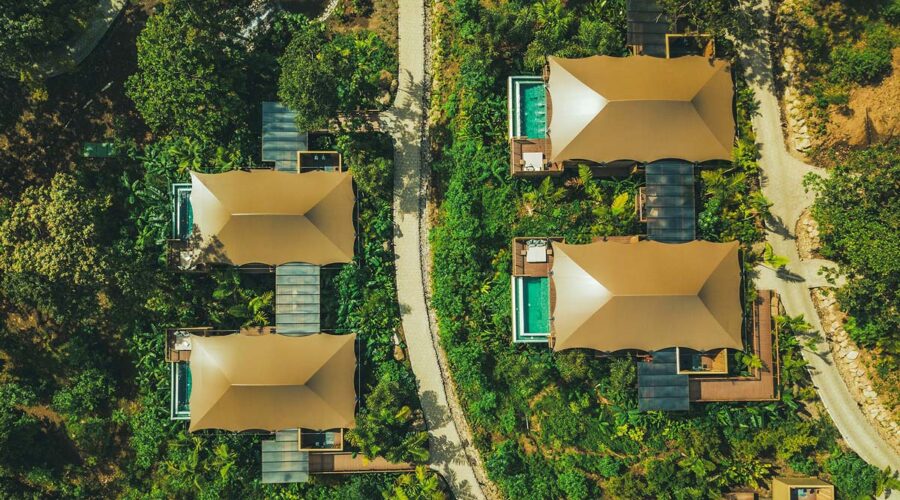

In recent years, the world of travel has experienced a shift towards more sustainable, environmentally-conscious vacations. The growing awareness of climate change, environmental degradation, and the impact of mass tourism on ecosystems has led to the rise of eco-resorts. These accommodations combine luxury, comfort, and eco-conscious practices to provide guests with a unique, sustainable experience while promoting the preservation of nature.
An eco-resort is defined as a type of accommodation that focuses on sustainable living and minimizes its impact on the environment. By using environmentally friendly materials, reducing energy consumption, and supporting local communities, these resorts aim to create a harmonious balance between tourism and conservation.
In this article, we will explore the concept of eco-resorts, why they have become a popular choice for conscientious travelers, and how they are contributing to sustainable tourism. We’ll also delve into the design principles of eco-resorts, the experience they offer guests, and highlight some of the most renowned eco-resorts around the world.
1. The Concept of Eco-Resorts
1.1. What is an Eco-Resort?
An eco-resort is an accommodation that prioritizes sustainability, environmental conservation, and local cultural appreciation while providing guests with a luxurious and memorable vacation experience. These resorts are designed to minimize the environmental footprint of tourism while offering an immersive experience that highlights the natural beauty of the destination.
The main principles behind eco-resorts are:
- Sustainable Architecture: Eco-resorts are built with materials that have minimal environmental impact. This often includes locally sourced, renewable, or recycled materials. Architecture is designed to blend seamlessly with the natural environment, ensuring that the resort does not disrupt local ecosystems.
- Energy Efficiency: Eco-resorts are designed to reduce energy consumption. This is achieved through solar panels, wind energy, energy-efficient lighting, and water-saving systems such as rainwater harvesting and low-flow fixtures.
- Waste Reduction: Waste management is a priority in eco-resorts. Many resorts implement practices such as composting, recycling, and reducing single-use plastics. Guests are often encouraged to participate in these initiatives, helping to keep the resort’s ecological footprint low.
- Local Community Support: Eco-resorts often engage with local communities to support sustainable development. This can include sourcing food and products from local vendors, providing employment opportunities, and supporting local conservation efforts.
- Connection with Nature: Many eco-resorts are located in areas of significant natural beauty—such as forests, beaches, mountains, or wetlands—and provide guests with immersive nature experiences. This could involve wildlife viewing, hiking, birdwatching, or participating in environmental education programs.
1.2. The Rise of Eco-Tourism
The rise of eco-resorts is closely tied to the broader eco-tourism movement. Eco-tourism emphasizes responsible travel to natural areas that conserves the environment, supports local communities, and educates visitors about ecological conservation. Travelers are increasingly looking for ways to enjoy nature while minimizing their environmental impact.
Eco-resorts provide a way for tourists to experience luxury and relaxation while making a positive impact on the environment. In fact, many travelers now view their stays at eco-resorts as an opportunity to connect with nature and make conscious choices about sustainability.
The demand for eco-resorts has grown exponentially, especially among millennial and Generation Z travelers who are highly invested in environmental and social issues. They are more likely to seek out accommodations that reflect their values of sustainability and respect for nature.
2. Design Principles of Eco-Resorts
2.1. Architecture and Construction
The design and construction of eco-resorts are crucial to their sustainability. A well-designed eco-resort incorporates energy-efficient building practices, minimizes its environmental footprint, and blends harmoniously with its surroundings. Some common features include:
- Local and Sustainable Materials: Eco-resorts often use local materials like bamboo, reclaimed wood, stone, or clay. These materials not only minimize transportation costs and carbon emissions but also help integrate the resort into the local environment.
- Solar and Wind Power: Many eco-resorts rely on renewable energy sources like solar panels or wind turbines to power the resort. This reduces reliance on non-renewable energy sources and helps reduce carbon emissions.
- Water Conservation: Water-saving technologies, like rainwater collection systems, low-flow toilets, and drip irrigation systems, are common in eco-resorts. In water-scarce regions, these practices help conserve a vital resource.
- Green Roofs and Walls: Some eco-resorts incorporate living roofs or green walls, which help to insulate the building, reduce energy consumption, and promote biodiversity by providing habitats for plants and wildlife.
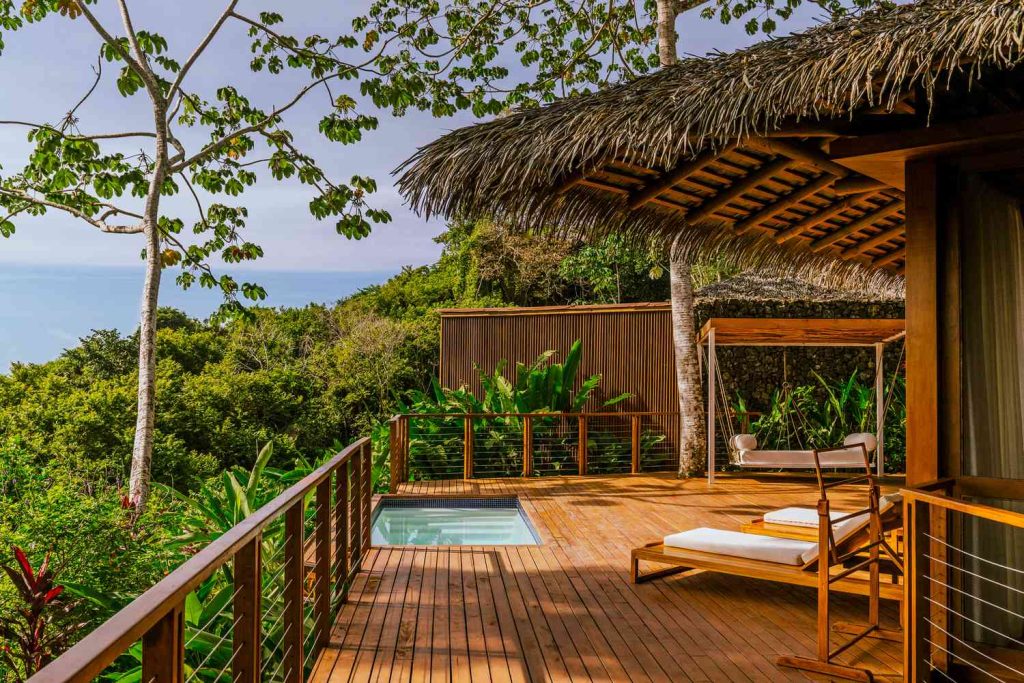
- Biophilic Design: This design concept seeks to connect the built environment with nature. Eco-resorts often feature large windows, open-air spaces, and natural landscaping to create a seamless transition between indoor and outdoor spaces.
2.2. Integration with the Natural Environment
One of the defining features of eco-resorts is their ability to blend into the environment without disrupting the local ecology. This means minimizing land clearing and using natural topography to influence the design of the resort. Some eco-resorts go as far as to position structures in such a way that they take advantage of natural light, wind, and thermal heat from the earth, further minimizing their environmental impact.
Additionally, many resorts are situated in protected areas or biodiversity hotspots, where the natural beauty and wildlife are central to the resort experience. For example, a resort near a rainforest may design treehouses to allow guests to stay in the treetops without disturbing the forest floor, offering a bird’s-eye view of the surrounding flora and fauna.
3. The Eco-Resort Experience
3.1. Immersing in Nature
A key selling point of eco-resorts is the opportunity for guests to immerse themselves in nature. These resorts are often located in remote and pristine environments, allowing guests to disconnect from the hustle and bustle of modern life. Whether it’s enjoying a quiet morning on the beach, taking a guided nature walk through a forest, or lounging on a sustainable floating platform, eco-resorts offer a tranquil experience that encourages guests to slow down and reconnect with their surroundings.
Activities at eco-resorts may include:
- Wildlife Tours: Many eco-resorts offer guided wildlife tours, where guests can observe local wildlife in its natural habitat. These tours are often led by conservation experts who educate visitors on the region’s flora and fauna.
- Farm-to-Table Dining: Eco-resorts often prioritize sustainable food sourcing, offering organic, locally grown produce, and seafood that is sustainably harvested. Guests may be invited to participate in cooking classes or explore the resort’s organic garden.
- Outdoor Adventure: From hiking and kayaking to snorkeling and stargazing, eco-resorts often offer outdoor activities that encourage guests to engage with the natural environment in a sustainable manner.
- Wellness and Mindfulness: Many eco-resorts incorporate wellness practices such as yoga, meditation, and spa treatments designed to help guests relax, rejuvenate, and connect with nature on a deeper level.
3.2. Educating and Engaging Guests in Sustainability
A key part of the eco-resort experience is educating guests about environmental conservation and sustainability practices. Resorts often have eco-conscious workshops, sustainability tours, and local cultural experiences to engage visitors in sustainable practices, such as:
- Waste Reduction: Many eco-resorts educate guests about the importance of reducing waste by providing compostable products, offering water refill stations, and encouraging guests to minimize single-use plastics.
- Conservation Programs: Some resorts partner with local conservation organizations to support wildlife protection and habitat restoration efforts. Guests can participate in volunteer programs or contribute to environmental initiatives during their stay.
4. Notable Eco-Resorts Around the World
Several eco-resorts around the world have become beacons of sustainable tourism, attracting travelers who want to experience the beauty of nature while minimizing their environmental impact. Below are a few notable examples:
4.1. Soneva Fushi (Maldives)
Soneva Fushi is an award-winning eco-resort located in the Maldives. The resort is renowned for its commitment to sustainability, with its villas built using sustainable materials and powered by solar energy. Soneva Fushi is also famous for its plastic-free policy, its zero-waste initiatives, and its support for local environmental conservation programs. Guests can engage in activities such as coral restoration programs, wildlife conservation, and cultural immersion experiences.
4.2. The Greenhouse (South Africa)
The Greenhouse is an eco-resort located in South Africa’s Western Cape. This luxury resort is built with energy-efficient systems, solar panels, and water-saving technologies. It focuses on supporting local artisans and farmers while minimizing its environmental footprint. Guests can enjoy guided tours of nearby nature reserves, visit organic farms, and participate in sustainable activities such as hiking and birdwatching.
4.3. Fogo Island Inn (Canada)
Situated on Fogo Island in Newfoundland, Fogo Island Inn is a stunning eco-resort that blends luxury with sustainability. The resort’s architecture is inspired by traditional Newfoundland structures and was built with locally sourced materials. Fogo Island Inn emphasizes cultural preservation, working closely with the local community to offer guests an authentic experience while preserving the island’s heritage and natural beauty.
5. The Future of Eco-Resorts
As the demand for sustainable tourism continues to grow, the future of eco-resorts looks promising. More travelers are becoming aware of their environmental impact, and as a result, eco-resorts are becoming more innovative in their design and practices. Eco-conscious travelers are not only looking for luxury but also want to know that their stay contributes to the local community and the environment.
The future may see eco-resorts becoming more widespread, particularly in destinations that are currently under threat from over-tourism or environmental degradation. Resort operators will need to continue adapting to the needs of the eco-conscious traveler, integrating more sustainable practices and offering new ways to educate guests about environmental stewardship.
Conclusion
Eco-resorts represent the future of sustainable travel. By offering luxurious, immersive experiences in nature while promoting eco-conscious practices, they provide travelers with the opportunity to enjoy both relaxation and environmental preservation. As the demand for more responsible tourism grows, the role of eco-resorts in shaping the tourism industry will only become more significant. Travelers, in turn, will benefit from more sustainable, meaningful, and enriching experiences that align with their values of preserving the planet for future generations.
In essence, eco-resorts offer a reminder that we can still enjoy the beauty of the world around us—without leaving behind a devastating footprint. The perfect blend of sustainability, comfort, and conservation, eco-resorts pave the way for a more responsible way of experiencing the world.