




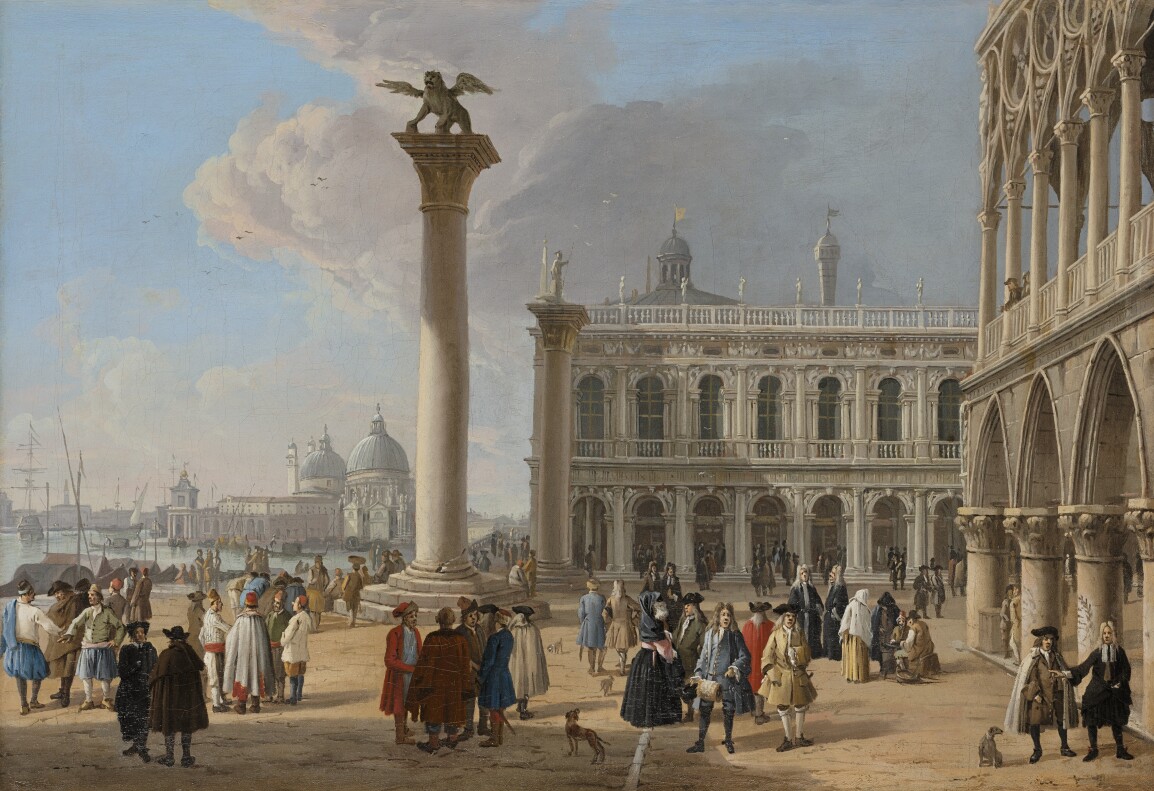

Traveling offers more than mere relaxation or adventure; it provides an opportunity to immerse oneself in the rich tapestry of history, culture, and architecture that defines cities across the globe. Historic cities, with their cobbled streets, ancient monuments, and vibrant traditions, are living museums where the past and present coexist. Many travelers are increasingly drawn to exploring historic cities, seeking not only sightseeing experiences but also cultural engagement, educational insights, and personal enrichment.
This article provides a comprehensive exploration of historic cities, covering their significance, architectural marvels, cultural heritage, planning tips, and global examples. It also addresses how travelers can engage responsibly with the cultural and historical assets of these urban spaces.
1. Understanding Historic Cities
1.1 Defining Historic Cities
- Historic cities are urban areas with significant heritage sites, architecture, and cultural continuity.
- They reflect centuries of human development, political evolution, and artistic expression.
- Core features include:
- Monuments and landmarks
- Museums and cultural institutions
- Traditional marketplaces and neighborhoods
- Architectural diversity spanning multiple eras
1.2 The Significance of Historic Cities
- Cultural preservation: Maintain architectural, artistic, and social traditions
- Educational value: Offer insights into historical events, lifestyles, and urban development
- Economic impact: Heritage tourism generates revenue, supports local artisans, and encourages small businesses
- Identity and pride: Serve as symbols of community, heritage, and local identity
2. Architectural Heritage
2.1 Ancient and Medieval Architecture
- Examples include castles, city walls, cathedrals, and palaces.
- Reflect historical defense strategies, religious influences, and political power.
- Architectural styles:
- Gothic, Baroque, Renaissance, Romanesque
- Fortified citadels and city gates
2.2 Urban Layout and City Planning
- Historic city layouts often reflect social hierarchies, trade routes, and cultural priorities.
- Features include:
- Narrow alleys and pedestrian streets
- Central squares or plazas as cultural hubs
- Waterways, aqueducts, and infrastructure innovations
2.3 Preservation and Restoration
- Restoration maintains structural integrity, authenticity, and aesthetic value.
- Techniques involve adaptive reuse, careful material sourcing, and adherence to heritage regulations.
- Preservation balances tourism, urban development, and local life.
3. Cultural Heritage and Traditions
3.1 Festivals and Local Celebrations
- Festivals offer direct engagement with the living culture of historic cities.
- Examples:
- Religious processions, art exhibitions, and music festivals
- Annual traditions unique to specific cities, often centuries old
3.2 Culinary Heritage
- Historic cities often preserve traditional recipes, cooking methods, and local ingredients.
- Food tours provide tangible connections to cultural identity and history.
3.3 Artisan and Craftsmanship
- Local workshops showcase crafts passed through generations: pottery, textiles, jewelry, and woodwork.
- Supporting artisans contributes to sustainable cultural preservation and economic resilience.
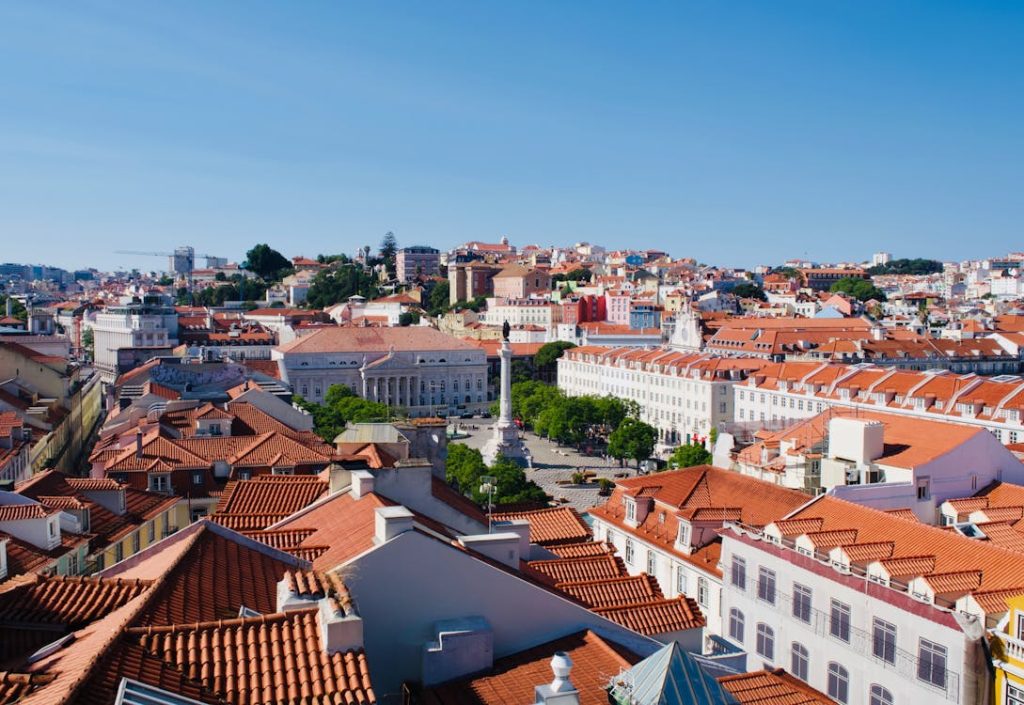
4. Planning a Historic City Visit
4.1 Research and Preparation
- Identify key historical sites, museums, and neighborhoods.
- Study historical context, architectural styles, and cultural significance.
4.2 Choosing the Right Time
- Consider climate, peak tourist seasons, and local festivals.
- Off-season travel may offer quieter streets and more authentic experiences.
4.3 Guided Tours vs. Self-Guided Exploration
- Guided tours provide context, storytelling, and insider knowledge.
- Self-guided exploration offers flexibility, personal pacing, and serendipitous discoveries.
- Use maps, apps, or augmented reality tools to enhance self-guided visits.
4.4 Accommodations with Historical Charm
- Historic hotels or boutique stays enhance the immersive experience.
- Look for accommodations that reflect local architecture and heritage while providing modern comfort.
5. Global Examples of Historic Cities
5.1 Rome, Italy
- Features: Colosseum, Roman Forum, Pantheon
- Architectural marvels span ancient Rome to Renaissance
- Rich cultural offerings: museums, piazzas, and culinary heritage
5.2 Kyoto, Japan
- Traditional neighborhoods, temples, and Zen gardens
- Preserves Japanese architectural aesthetics and centuries-old cultural rituals
- Festivals such as Gion Matsuri attract global attention
5.3 Prague, Czech Republic
- Medieval Old Town, Charles Bridge, Prague Castle
- Architectural diversity: Gothic, Baroque, Renaissance
- Cultural experiences include classical music concerts and artisan markets
5.4 Cairo, Egypt
- Ancient Islamic architecture, bustling bazaars, and proximity to Giza pyramids
- Offers archaeological insights and vibrant street life
- Rich cultural layering from Pharaonic, Islamic, and colonial eras
5.5 Fez, Morocco
- Medina of Fez, traditional tanneries, artisan workshops
- One of the largest living medieval urban areas in the world
- Strong emphasis on traditional crafts and Islamic heritage
6. Experiencing Historic Cities Beyond Sightseeing
6.1 Walking Tours and Exploration
- Walking allows intimate observation of architecture, street life, and hidden corners.
- Encourage slow travel to absorb cultural nuances.
6.2 Interactive Museums and Exhibits
- Museums provide contextual understanding and immersive experiences.
- Examples include historical reenactments, virtual reconstructions, and guided workshops.
6.3 Local Cuisine and Culinary Trails
- Sampling local dishes, visiting markets, and attending cooking classes connects travelers to history through food.
- Culinary experiences can reveal social, economic, and religious histories.
6.4 Engaging with Locals
- Participate in community-led workshops, cultural storytelling sessions, or guided neighborhood tours.
- Enhances understanding of social traditions and contemporary urban life.
7. Responsible Travel in Historic Cities
7.1 Respecting Heritage Sites
- Avoid touching or climbing on fragile structures.
- Follow local regulations and heritage protection guidelines.
7.2 Sustainable Tourism Practices
- Support local businesses, artisans, and sustainable accommodations.
- Reduce waste, avoid overcrowding, and respect cultural norms.
7.3 Balancing Tourism and Community Life
- Be aware of residents’ daily routines in historic neighborhoods.
- Encourage cultural exchange without imposing on local lifestyles.
8. Challenges in Historic City Tourism
8.1 Overcrowding and Preservation Risks
- High tourist numbers may strain infrastructure, accelerate wear, and disrupt local life.
- Solutions include visitor limits, timed entries, and off-peak travel promotion.
8.2 Modernization vs. Heritage Conservation
- Urban development can threaten historical landscapes.
- Integrating modern amenities while preserving authenticity is essential.
8.3 Accessibility Issues
- Many historic cities have narrow alleys, uneven streets, or stairs, posing challenges for travelers with mobility issues.
- Solutions: adapted pathways, guided tours, and accessible transport.
8.4 Cultural Sensitivity
- Tourists must be aware of religious sites, local customs, and etiquette.
- Failure to respect local norms may harm relationships and cultural integrity.
9. Integrating Technology in Historic City Exploration
9.1 Augmented Reality (AR) and Virtual Tours
- AR apps can reconstruct historical events, buildings, and city layouts.
- Enhance visitor engagement with interactive storytelling.
9.2 Online Research and Planning
- Apps, digital maps, and travel guides allow personalized itineraries.
- Access historical records, museum collections, and walking tour routes.
9.3 Photography and Documentation
- Capture architectural details, street scenes, and cultural moments.
- Share responsibly, respecting privacy and heritage site rules.
10. Future of Historic City Tourism
10.1 Emphasis on Cultural Preservation
- Sustainable tourism policies prioritize heritage conservation and community benefit.
10.2 Technology-Enhanced Experiences
- Digital storytelling and AR will continue to enhance understanding and engagement.
10.3 Global Collaboration and Best Practices
- UNESCO and other organizations promote knowledge sharing, conservation strategies, and tourism management.
10.4 Promoting Slow and Experiential Travel
- Encouraging immersive, meaningful exploration over quick sightseeing enhances cultural connection and sustainable impact.
11. Practical Tips for Travelers
- Plan in advance: Research historical context and must-see landmarks.
- Adopt slow travel principles: Walk, explore, and spend time in neighborhoods.
- Support local businesses and artisans: Purchase crafts, dine locally, and book local guides.
- Respect heritage sites: Avoid touching, climbing, or damaging structures.
- Engage with culture: Attend festivals, workshops, and traditional performances.
- Use technology wisely: Enhance your understanding without disrupting the experience.
12. Conclusion
Historic cities offer a window into the past, a connection to cultural identity, and a canvas for immersive travel experiences. Exploring them goes beyond sightseeing; it involves engaging with architecture, traditions, cuisine, and community life.
For travelers, historic cities are living classrooms, providing opportunities for personal growth, educational enrichment, and cultural appreciation. Responsible engagement, sustainable tourism practices, and curiosity allow visitors to experience the full depth of history while preserving it for future generations.
By embracing both exploration and stewardship, travelers can ensure that historic cities remain vibrant, authentic, and meaningful spaces for generations to come.