





Introduction: The Rise of Adventure Travel
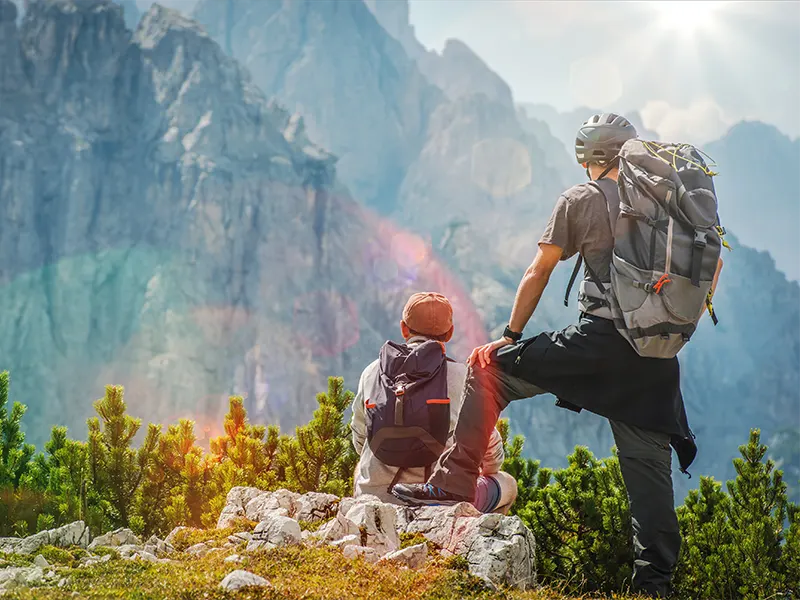
In a world dominated by digital technologies and modern comforts, an increasing number of travelers are seeking adventure travel as a way to escape the ordinary and experience life through challenges, physical activity, and exploration. Adventure tourism refers to journeys that are characterized by a high level of physical activity, an immersion in nature, and the pursuit of exhilarating experiences that push personal limits. It is not just about traveling to remote or exotic locations but embracing the unknown and seeking the thrill of discovery.
Adventure travel is an industry that has seen rapid growth, appealing to people of all ages who are looking for something beyond the conventional vacation. From trekking across the Himalayas, kayaking through the Amazon River, or diving into the depths of the Great Barrier Reef, adventure tourism offers an exciting way to explore the world while embracing physical and emotional challenges.
In this article, we will explore what defines adventure travel, why it is so appealing, and how travelers can experience the most thrilling adventures across the globe. Whether you’re into hiking, extreme sports, wildlife safaris, or remote explorations, there is a form of adventure travel for everyone.
What is Adventure Travel?
Adventure travel is defined by its combination of physical activity, exposure to nature, and the pursuit of experiences that carry an element of risk. Unlike traditional tourism, which often revolves around sightseeing and relaxation, adventure travel is about engagement with the environment and the activities that challenge both the body and the mind. It is about exploring places that are difficult to access, encountering new cultures, and participating in activities that provide a sense of achievement and exhilaration.
While there is no rigid definition of adventure travel, it typically involves the following key elements:
- Physical Challenge: Adventure travel usually involves outdoor activities that require a degree of physical exertion, such as trekking, rock climbing, white-water rafting, scuba diving, or biking.
- Natural Environments: Most adventure travel takes place in remote or wild locations, such as mountains, jungles, deserts, and oceans. These destinations offer travelers the opportunity to experience nature in its rawest form.
- Cultural Immersion: Many adventure trips also provide a chance to engage with local cultures, especially in remote regions, where travelers can interact with indigenous communities or experience different ways of life.
- Personal Growth: One of the most significant aspects of adventure travel is its ability to foster personal growth and transformation. The challenges and obstacles faced during an adventure trip often help individuals build resilience, confidence, and a greater appreciation for nature and the world around them.
The Appeal of Adventure Travel
1. Connection to Nature
One of the biggest draws of adventure travel is the opportunity to connect with nature in ways that few other activities can offer. Adventure travelers often visit some of the most pristine, untouched landscapes on the planet. These include towering mountain ranges, dense rainforests, expansive deserts, and remote islands.
The experience of navigating through these natural wonders offers more than just beautiful views; it provides a deep connection to the environment. Whether it’s trekking through the Amazon Rainforest, kayaking in Norway’s fjords, or camping in the Sahara Desert, the act of immersing oneself in nature has been shown to improve mental health, reduce stress, and enhance overall well-being.
2. Thrill and Adrenaline Rush
Adventure travel is also about the thrill of the unknown. Many adventure activities, such as skydiving, bungee jumping, mountain climbing, or white-water rafting, offer an adrenaline rush that is hard to replicate in daily life. The fear and excitement of these high-energy activities stimulate the body’s fight-or-flight response, releasing endorphins and other chemicals that produce feelings of euphoria and exhilaration.
For many people, the thrill of adventure is about pushing the boundaries of what they think they are capable of. It’s about facing fears, overcoming challenges, and feeling a sense of accomplishment once those challenges are met. Adventure travel gives individuals the chance to explore not only new places but also new aspects of themselves.
3. Cultural Discovery and Personal Growth
Adventure travel is also about cultural discovery. Many adventurous destinations are located in remote parts of the world where indigenous cultures, traditions, and lifestyles remain relatively untouched by modernity. In these places, travelers have the opportunity to interact with local communities, learn about their ways of life, and discover the richness of cultures that are often overlooked by mainstream tourism.
For example, a trek through Nepal’s Annapurna Circuit offers the chance to meet local Sherpa families and learn about the centuries-old traditions of Tibetan Buddhism. A wildlife safari in Kenya’s Maasai Mara offers insights into the Maasai people’s relationship with the land and their wildlife conservation efforts. Adventure travel often provides opportunities for cultural immersion and fosters a deeper understanding of global diversity.
Moreover, these experiences contribute to personal growth by challenging individuals to adapt to new environments and perspectives. It fosters empathy, respect, and appreciation for the world’s different peoples and environments, making adventure travel a life-changing experience.
4. Escaping the Ordinary
Modern life is full of distractions—smartphones, social media, work deadlines, and daily routines. For many travelers, adventure tourism provides a much-needed break from this fast-paced world. Adventure travel allows individuals to disconnect from the pressures of everyday life, providing an escape into nature or remote regions where the emphasis is on physical engagement rather than virtual engagement.
This escape is particularly meaningful for people looking for more than a traditional vacation. It offers a reset for the mind, allowing individuals to recharge and gain perspective by stepping out of their comfort zones. In this sense, adventure travel acts as a mental detox, clearing away stress and helping travelers return to their daily lives with a refreshed outlook.
Popular Types of Adventure Travel
Adventure travel is a broad category, with countless types of trips catering to different interests, skill levels, and destinations. Below are some of the most popular forms of adventure tourism:
1. Trekking and Hiking
Trekking and hiking are some of the most popular adventure activities, offering both beginner and experienced adventurers a chance to explore remote and rugged terrains. Whether it’s trekking the Inca Trail to Machu Picchu, crossing the Himalayas to Everest Base Camp, or hiking through the Swiss Alps, trekking provides an immersive way to connect with nature and challenge oneself physically.
Trekking is unique because it combines outdoor physical activity with opportunities for sightseeing, wildlife spotting, and cultural discovery. Long-distance hikes, such as the Camino de Santiago in Spain or the Great Wall of China, are ideal for travelers looking for a challenge and a chance to discover historical landmarks along the way.
2. Extreme Sports
For those seeking an adrenaline rush, extreme sports are an essential component of adventure tourism. These activities are not for the faint-hearted and often require specialized training and equipment. Some of the most popular extreme sports include:
- Skydiving: Jumping from a plane and free-falling towards Earth is a heart-pounding experience. Popular locations for skydiving include New Zealand, Dubai, and Interlaken, Switzerland.
- Bungee Jumping: Bungee jumping offers an exhilarating experience where individuals leap off bridges or platforms with a bungee cord tied to their ankles. Queenstown, New Zealand is considered the global capital of bungee jumping.
- White-Water Rafting: Navigating the rapids of wild rivers such as the Zambezi River in Africa, the Colorado River in the U.S., or the Futaleufú River in Chile offers an exhilarating and often dangerous adventure.
- Rock Climbing and Mountaineering: For those seeking to conquer the highest peaks, rock climbing and mountaineering offer both physical and mental challenges. Mount Everest, Mount Kilimanjaro, and Mount Fuji are some of the world’s most iconic climbs.
3. Wildlife Safaris and Exploration
For wildlife enthusiasts, safaris and wildlife exploration provide a chance to witness animals in their natural habitats. Destinations like Kenya, Tanzania, South Africa, and Botswana offer some of the most incredible safari experiences in the world. These safaris allow travelers to observe the “Big Five”—lions, elephants, buffalo, leopards, and rhinos—in the wild.
Adventure travelers can also embark on polar expeditions to the Arctic or Antarctic regions to witness unique wildlife like polar bears, penguins, and whales in their natural environments.
4. Cultural and Expeditionary Travel
Cultural adventure tourism often involves visiting remote, culturally rich destinations that offer both physical challenge and cultural immersion. Expedition cruises to the Galápagos Islands or the Amazon Rainforest provide opportunities for travelers to engage in both adventure activities and cultural experiences.
Similarly, trips to Mongolia, Bhutan, or Tibet offer a combination of trekking, spiritual discovery, and interactions with indigenous cultures. These types of trips allow travelers to engage in physical activities while learning about local traditions, history, and customs.
5. Water-Based Adventures
For water lovers, adventure travel also includes activities like scuba diving, snorkeling, and surfing in some of the world’s most pristine oceans and seas. Locations like the Great Barrier Reef in Australia, Palau, and Hawaii offer world-class diving experiences, where adventurers can explore coral reefs, encounter marine life, and discover underwater landscapes.
Similarly, kayaking and canoeing on wild rivers, lakes, and coastlines provide a more peaceful yet equally thrilling experience. The Norwegian fjords, Alaska’s Kenai Peninsula, and the Amazon River are prime destinations for water-based adventure travelers.
Conclusion: The Spirit of Adventure Awaits
Adventure travel is a growing and dynamic sector of the tourism industry, offering something for everyone—from those seeking physical challenges to those wanting to explore the wilderness and discover new cultures. Whether it’s conquering towering peaks, diving into vibrant coral reefs, or embarking on a cultural expedition, adventure tourism opens doors to new experiences, personal growth, and the thrill of the unknown.
By embracing adventure travel, we step outside of our comfort zones, push our limits, and reconnect with the world in ways that traditional travel cannot offer. The adventure of a lifetime is waiting—are you ready to answer the call?