




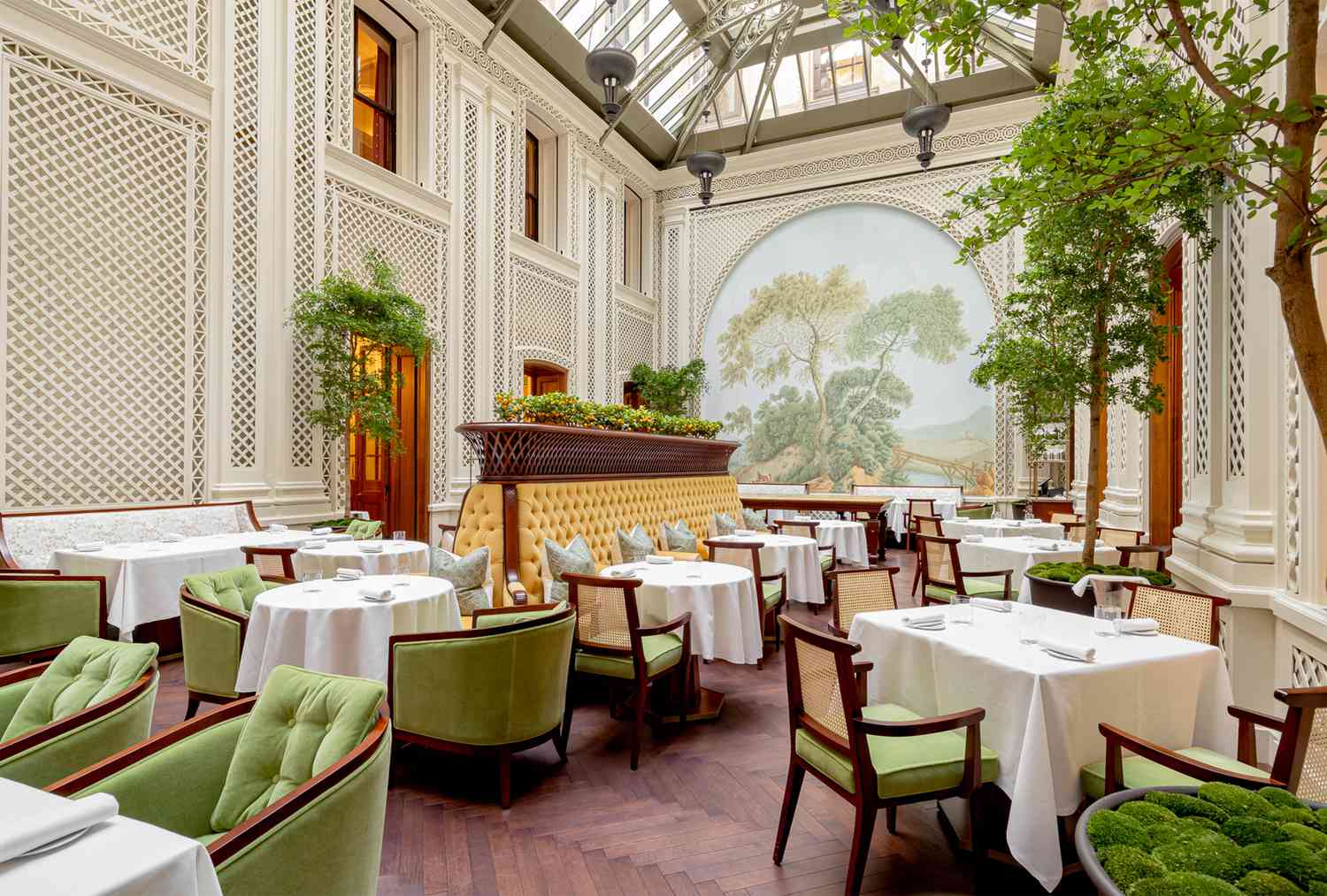

Introduction: The Pillars of Memorable Travel
When it comes to travel, two elements stand out as non-negotiable pillars of the experience: food and accommodation. These elements shape the overall quality of a trip and play an undeniable role in the traveler’s experience. While some may prioritize sightseeing or adventure, there’s no denying that the meals we eat and the places we rest are fundamental to making a journey truly memorable.
Whether you’re seeking a luxury resort on a tropical island, dining at a Michelin-starred restaurant, or savoring street food in a bustling market, food and accommodation are central to how we experience a destination. They offer comfort, indulgence, and a sense of connection to the places we visit, making them indispensable in every form of travel.
In this article, we’ll explore why food and accommodation are so crucial to the travel experience, how they influence travel decisions, and how to make the most of these elements during your travels. We’ll also highlight how food and accommodation can elevate a trip, making it more than just a journey to a place but an immersion into the very soul of a destination.
The Role of Food in Travel
1. Food as a Cultural Gateway
One of the most profound ways in which food shapes our travel experiences is through its ability to offer cultural insight. Food is deeply tied to a country’s history, geography, and traditions. As travelers, we not only seek out local delicacies for pleasure but also as a way to immerse ourselves in the culture and heritage of the places we visit.
Every region offers unique flavors and cooking methods that reflect its environment and its people. For example, Japanese sushi is not just about fresh fish; it’s an art form that embodies the philosophy of simplicity and seasonal harmony. Indian curries, with their complex layers of spice and flavor, tell a story of a diverse cultural history influenced by Persian, Mughal, and British colonialism.
When travelers embrace local cuisine, they gain insights into the heart of a culture—its values, traditions, and even its struggles. Whether it’s enjoying tapas in Spain, dim sum in Hong Kong, or pasta in Italy, food connects people across time and geography, and every bite tells a story.
2. Gastronomic Tourism: A Growing Trend
The rise of gastronomic tourism has led many travelers to seek destinations renowned for their culinary offerings. Michelin-starred restaurants, street food stalls, and food festivals have become integral parts of travel itineraries. Food-focused travel is no longer just about eating; it’s about experiencing the art and science of cuisine.
For example, in France, the regions of Bordeaux, Lyon, and Provence are internationally recognized for their culinary excellence. Italy’s Tuscany is another hotspot, where wine and food pairings elevate the meal into a cultural experience. Similarly, Bangkok has become a mecca for street food lovers, where travelers can sample everything from pad Thai to mango sticky rice at bustling local markets.
The growing popularity of food tours, cooking classes, and wine tastings allows travelers to immerse themselves in the local culinary scene, making food a central theme of their travel. These experiences offer more than just meals; they offer hands-on learning opportunities that connect you with chefs, producers, and local food experts.
3. The Role of Accommodation in Shaping Travel Experiences
While food nourishes the body and the soul, accommodation provides the foundation for relaxation and comfort during the journey. The place you choose to stay can elevate or diminish your travel experience, influencing everything from your mood to the overall enjoyment of the destination.
The right accommodation is more than just a place to sleep; it’s an integral part of your journey. Whether you’re booking a luxury hotel with spa services, a charming boutique hotel with unique décor, or a rustic Airbnb in a remote village, the place you stay can significantly enhance your travel experience.
Accommodations can set the tone for your trip—whether it’s a luxurious resort that pampers you with amenities or a homely guesthouse that makes you feel at home. Airbnb and vacation rentals have made it easier than ever to experience a destination like a local, offering travelers the chance to stay in non-traditional settings that reflect the region’s architecture, style, and culture.
4. Accommodation as a Reflection of Local Culture
Just as food offers insights into culture, so too does accommodation. From the luxury resorts of Bali to the historic riads of Morocco, the places where we stay often reflect the cultural, historical, and architectural heritage of a destination. In many cases, accommodations are more than just functional spaces—they are an expression of a location’s culture and identity.
In Japan, staying in a ryokan (traditional inn) offers not only a place to sleep but a full cultural experience that includes tatami mats, onsen hot springs, and multi-course kaiseki dinners. Similarly, staying in a medieval castle in Scotland or a palace hotel in India provides travelers with a direct link to the region’s past and an immersive experience in its cultural heritage.
Accommodation also plays a significant role in sustainability efforts, as travelers become increasingly aware of the environmental impact of their choices. Many destinations are promoting eco-friendly accommodations such as eco-lodges, sustainable resorts, and green hotels, which focus on minimizing environmental footprints and supporting local communities.

Choosing the Right Food and Accommodation for Your Travel Style
1. Luxury Travel: Indulging in the Best of Both Worlds
For those who seek the highest level of comfort and exclusivity, luxury travel presents an opportunity to indulge in both exquisite food and top-tier accommodations. 5-star hotels, private villas, and private chefs are central to luxury vacations, offering a personalized and unforgettable experience.
Luxury destinations such as the Maldives, St. Barthelemy, and Paris offer a combination of world-class dining and ultra-luxurious accommodations, creating the perfect blend of relaxation and indulgence. Michelin-star restaurants, private wine tastings, and helicopter tours to remote islands are just a few of the experiences luxury travelers seek out to elevate their trip.
2. Budget Travel: Savoring the Local Flavors on a Budget
For budget-conscious travelers, food and accommodation can still be central to the experience—without breaking the bank. The key to enjoying food on a budget is exploring street food, local markets, and small eateries where you can sample authentic flavors at a fraction of the cost of fine dining.
Cities like Bangkok, Mexico City, and Istanbul offer inexpensive street food that is often just as flavorful and memorable as meals in high-end restaurants. Similarly, budget accommodations such as hostels, guesthouses, or shared apartments can provide comfort and a chance to meet fellow travelers while keeping costs low.
3. Adventure Travel: Staying in Unique Accommodations
For adventure travelers, accommodation is an integral part of the adventure itself. Whether it’s camping in the Sahara, staying in a treehouse in Costa Rica, or booking a yurt in Mongolia, the focus is on unique, immersive experiences that complement the adventure.
Adventure travel destinations often feature more rustic and authentic accommodations that connect travelers directly to nature. These accommodations might include glamping sites, eco-lodges, or even houseboats in places like the Amazon or the Norwegian fjords.
The Intersection of Food and Accommodation: Enhancing the Travel Experience
The intersection of food and accommodation can create experiences that are greater than the sum of their parts. For instance, staying at a winery estate in Tuscany, where guests not only enjoy luxurious rooms but also participate in wine-tasting events and cooking classes, combines food and accommodation into a seamless experience that immerses travelers in local culture.
In many countries, culinary resorts and food-focused hotels offer specialized services, where guests can indulge in gourmet meals prepared by top chefs or learn how to make local dishes through hands-on cooking experiences. These types of accommodations make food and lodging an integral part of the entire travel experience.
Conclusion: The Unmatched Importance of Food and Accommodation
Food and accommodation are essential components of every trip, significantly influencing the quality and overall enjoyment of the experience. Whether you’re staying in a luxurious resort, exploring a local food market, or learning to cook traditional dishes, these elements contribute to the richness and depth of your travel journey.
In the end, the food you savor and the places you rest become the memories you cherish long after the trip is over. From indulgent Michelin-star meals to simple street food in vibrant markets, from eco-lodges to boutique hotels, food and accommodation shape the very essence of your travels and offer the opportunity for deeper cultural immersion.