






When it comes to planning the perfect vacation, one of the most important decisions a traveler can make is choosing the right season to visit a destination. The timing of your trip can profoundly influence your overall experience, affecting everything from the weather and the crowds to the costs and the types of activities available. Whether you’re seeking a peaceful getaway, a lively cultural experience, or an adventure filled with outdoor activities, understanding the impact of the travel season is essential for a fulfilling and memorable trip.
In this article, we will explore why selecting the right travel season matters, the advantages of different seasons for various types of destinations, and how to optimize your travel plans based on the time of year. By understanding the various factors that influence your travel experience, you’ll be able to make informed decisions that enhance your trip, reduce stress, and ensure you make the most of your time away.
1. The Impact of Seasonality on Your Travel Experience
Every destination has its own peak travel times and seasons, which can significantly affect your experience as a traveler. Understanding the nature of seasonality in travel involves recognizing how different times of year bring about different factors, such as:
a) Weather Conditions and Comfort
One of the most direct influences of the season on your trip is the weather. The season determines whether you will experience favorable weather for outdoor activities or endure extreme conditions. For example:
- Summer (June to August) in Europe or North America brings warm weather and long days, which are perfect for exploring cities or enjoying the beach. However, it can also bring high humidity in tropical regions or intense heat in desert climates, making outdoor activities challenging.
- Winter (December to February) can offer opportunities for winter sports such as skiing in places like the Swiss Alps, but in cities like Paris or London, the cold and rain may make sightseeing less enjoyable.
- Spring and Fall are often considered the best seasons for travel, offering mild temperatures, beautiful landscapes, and generally pleasant weather for outdoor exploration.
b) Crowds and Tourism Density
Another major consideration is the crowd density. Many of the world’s most famous tourist destinations experience an influx of visitors during their peak seasons. High tourist numbers not only reduce the enjoyment of visiting landmarks but also lead to:
- Long waiting times at major attractions
- Higher prices for accommodation and activities
- Increased competition for tours, tickets, and transportation
- Limited personal space and the feeling of being rushed
On the other hand, traveling during off-season or shoulder season (the time just before or after peak seasons) allows you to enjoy these places without the overwhelming crowds, giving you more space and freedom to explore.
c) Price Fluctuations and Discounts
Your travel budget is also closely tied to the season. Peak season typically means higher prices for flights, accommodations, and tours. For example, during Christmas or New Year, many popular destinations experience price hikes due to increased demand. In contrast, traveling during the off-season or shoulder seasons often provides:
- Lower costs for flights, accommodations, and activities
- Special offers, promotions, and discounted rates for hotels and tour packages
- More availability for budget-friendly options like hostels or guesthouses
Understanding when prices rise and fall in relation to the season can help you optimize your travel budget and get the most value for your money.
d) Local Events and Festivals
The season you travel in can also dictate the availability of special events, festivals, or cultural celebrations. For example:
- Autumn is often the best time to visit regions like New England for the vibrant fall foliage or to experience harvest festivals in Europe.
- Spring marks the time for cherry blossom festivals in Japan and many other countries, while cities like Venice become alive with the Carnival season in February.
- Summer festivals such as Glastonbury in the UK or the Edinburgh Festival in Scotland make these regions the focal points for international travelers.
However, some destinations may be quieter during certain seasons, allowing you to explore without the interference of major events.
2. The Best Travel Seasons for Different Destinations
Now that we understand the impact of seasonality on travel, let’s explore the best times to visit specific types of destinations around the world, focusing on factors like weather, crowds, and available activities.
a) Tropical Destinations: Best Time to Visit for Sun and Beaches
Tropical destinations like Bali, Maldives, Thailand, and the Caribbean are popular year-round, but their best seasons depend on the monsoon or dry seasons.
- Best time to visit: December to April offers sunny days and clear skies, making it perfect for enjoying the beach and water sports.
- Off-season: May to November sees more rain, which can disrupt outdoor activities. However, traveling during the off-season means fewer crowds and cheaper accommodation.
In tropical destinations, the dry season is ideal for beach holidays, while the rainy season is less crowded and offers a more serene atmosphere, perfect for those who prefer seclusion.
b) European Destinations: Ideal Seasons for History, Culture, and Sightseeing
Europe is home to iconic cities and cultural landmarks, such as Paris, Rome, Barcelona, and London, with different seasons offering distinct experiences.
- Best time to visit: Spring (April to June) and Fall (September to October) are the ideal seasons for sightseeing in Europe. The weather is mild, crowds are manageable, and the landscapes are stunning.
- Off-season: Winter (December to February) is cold, but this is a great time to visit cities for lower prices and fewer tourists, especially in places like Paris or Vienna, where you can experience holiday markets and winter festivals.
The summer months (June to August) bring the largest crowds, particularly in major tourist hubs. For a quieter, more relaxed European experience, aim for the shoulder seasons.
c) Adventure and Nature Destinations: When to Explore the Outdoors
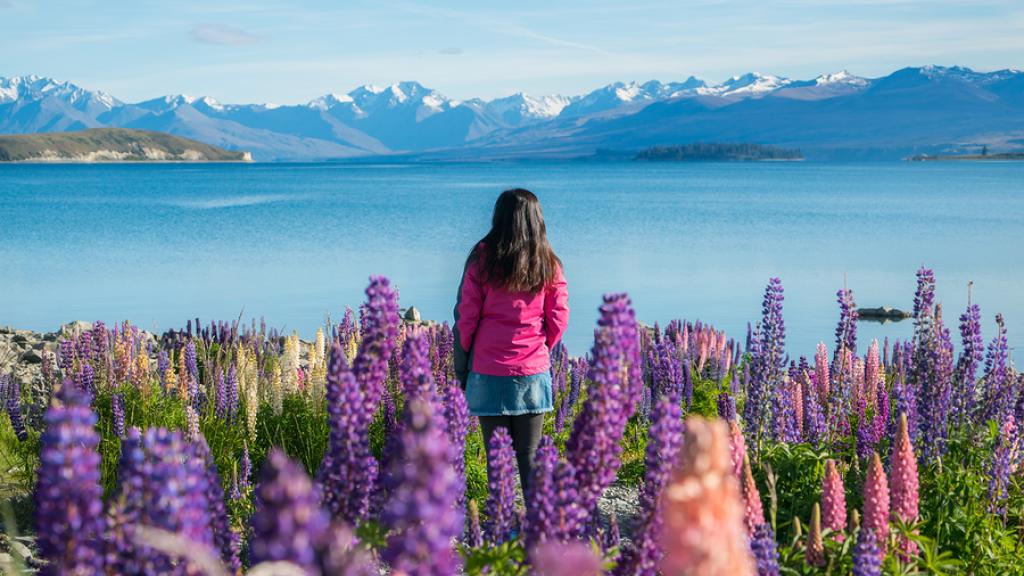
For nature lovers and adventurers, destinations such as New Zealand, the Swiss Alps, Patagonia, and Canada offer incredible outdoor experiences.
- Best time to visit: Spring and Summer (December to February for Southern Hemisphere, June to August for Northern Hemisphere) are ideal for hiking, trekking, and outdoor activities. These seasons offer pleasant weather, longer days, and beautiful natural landscapes.
- Off-season: Autumn and Winter bring fewer tourists, lower prices, and opportunities for winter sports in areas like Switzerland, but this may limit certain activities like hiking in remote regions.
Choosing the best time for outdoor adventures depends on whether you’re looking to enjoy summer trekking or prefer winter sports like skiing and snowboarding.
d) Historical and Cultural Destinations: Experiencing Iconic Landmarks
Historical destinations such as Cairo (Egypt), Athens (Greece), and Rome (Italy) offer a combination of ancient sites, museums, and cultural experiences.
- Best time to visit: Spring and Fall are the best times to visit these destinations. The weather is more pleasant, making it easier to explore ancient ruins and museums without the intense summer heat.
- Off-season: Winter can also be an excellent time to explore historical cities. With fewer tourists, you can often have major landmarks almost to yourself, but be prepared for colder temperatures and potential closures of some attractions.
e) Exotic Destinations: Exploring Asia, Africa, and Beyond
Destinations in Asia and Africa, such as India, Nepal, and South Africa, offer a rich blend of culture, wildlife, and natural beauty.
- Best time to visit: Winter (October to March) is ideal for most of these regions. For example, in India, this is the best time for sightseeing, while South Africa offers wildlife safaris during this season.
- Off-season: Monsoon season (June to September) brings more rain and humidity but is often less crowded and offers lower rates on accommodation and tours.
3. Tips for Choosing the Right Season for Your Trip
To make the most of your trip, here are some tips for selecting the perfect season:
a) Plan Ahead
Research the destination you’re visiting and understand its peak, off-season, and shoulder season. Look into historical weather patterns, the types of activities available, and whether special festivals or holidays coincide with your travel dates.
b) Consider Your Priorities
Are you looking for peaceful exploration or vibrant cultural events? Do you want to enjoy the best weather or save on costs? Knowing what you value most will help you pick the right time to travel.
c) Flexibility is Key
While certain seasons are ideal for specific activities, try to stay flexible with your travel dates. If you’re traveling in a less-than-ideal season, plan activities that align with the weather and availability of services.
d) Keep an Eye on Local Events
Check the local calendar for events, holidays, or festivals that might affect your visit. Some events can offer a unique experience, while others might make the destination overly crowded.
4. Conclusion: The Right Season Makes All the Difference
Choosing the right season to travel can significantly enhance your experience, allowing you to enjoy the destination at its best, avoid excessive crowds, and save money. By carefully considering weather conditions, crowds, local events, and your travel preferences, you can plan a trip that maximizes your enjoyment and minimizes stress.
Whether you seek adventure, relaxation, or cultural exploration, the right season will set the tone for an unforgettable journey. So, take the time to research, plan strategically, and choose the season that aligns with your personal travel goals. By doing so, you’ll ensure that your next trip will be everything you imagined—and more.