




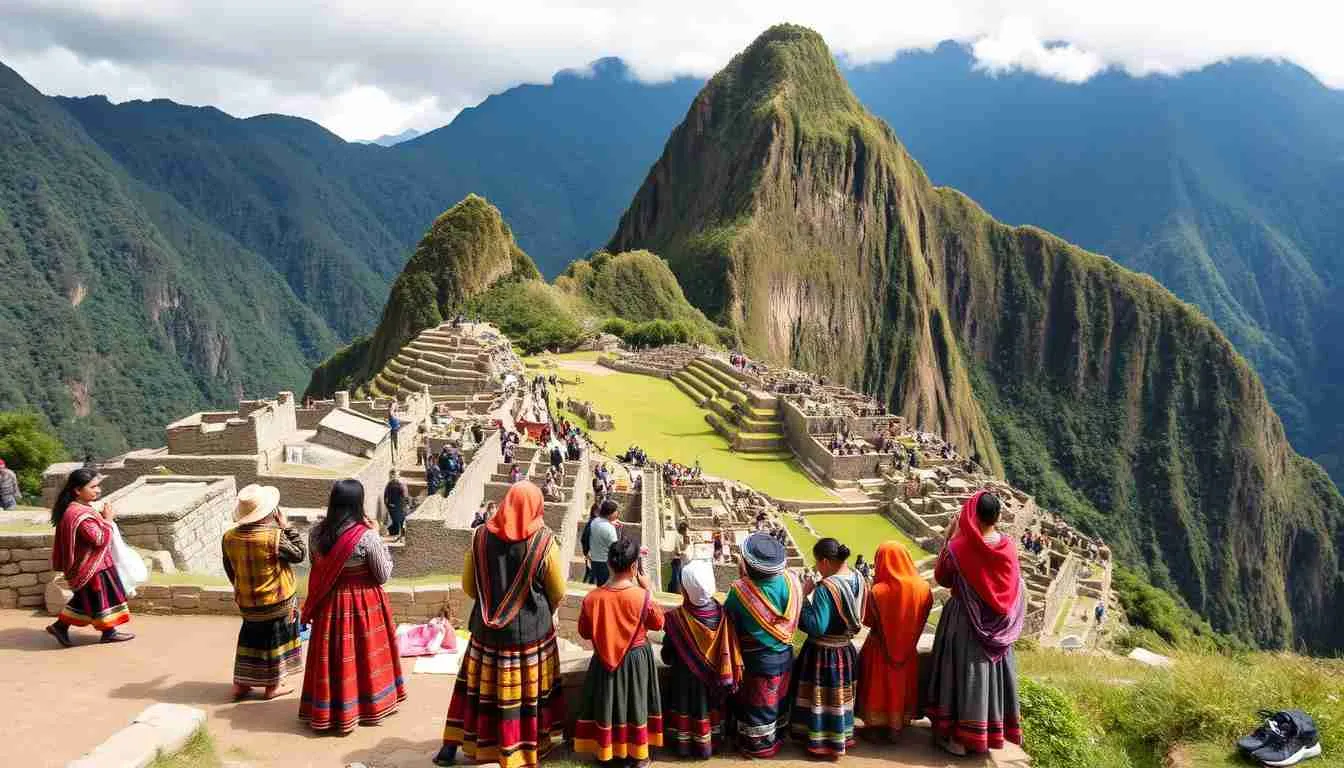

In an era where the world is more connected than ever, cultural immersion travel has become a powerful way for travelers to engage deeply with the places they visit. While traditional tourism often focuses on sightseeing and exploring well-known attractions, cultural immersion offers a more intimate, transformative experience. Instead of merely visiting a destination, cultural immersion encourages travelers to truly live and experience the local culture, traditions, and lifestyle, offering a richer, more authentic understanding of the world.
Whether you’re participating in local festivals, learning traditional crafts, or staying with host families, cultural immersion provides a profound way to connect with the soul of a destination. In this article, we’ll explore what cultural immersion travel is, why it’s gaining popularity, and how travelers can engage meaningfully with the cultures they visit for an unforgettable travel experience.
What is Cultural Immersion Travel?
Cultural immersion travel is a form of travel where the primary goal is to experience and engage deeply with a local culture. Instead of simply visiting popular tourist attractions or staying in foreign, tourist-centered areas, travelers seek to become part of the community they are visiting. This type of travel focuses on:
- Learning Local Traditions: Participating in customs, festivals, or daily activities that are central to a particular culture.
- Building Relationships: Engaging with locals through shared experiences, such as staying in a homestay, taking cooking classes, or volunteering in community projects.
- Experiencing Local Cuisine: Not just dining in touristy restaurants, but also learning how to prepare traditional dishes or eating in local markets, street food stalls, and family-run establishments.
- Understanding Local Lifestyles: Immersing oneself in the way of life, from modes of transportation and daily routines to religious practices and social customs.
In essence, cultural immersion is about shedding the role of a traditional tourist and becoming an active participant in the culture of the destination, thereby gaining a deeper and more meaningful connection to the place and its people.
The Rise of Cultural Immersion Travel
Cultural immersion has risen in popularity as travelers increasingly seek meaningful and personal experiences that go beyond the typical tourist trail. This shift in travel behavior can be attributed to several factors:
1. A Desire for Authenticity
As global travel has become more accessible, the desire for authentic experiences has surged. Tourists are increasingly bored with the cookie-cutter experiences offered by mass tourism, and instead, they want to connect with real people and cultures. Cultural immersion travel offers a more genuine way to explore a destination by allowing travelers to experience the nuances of local life rather than relying on polished, commercialized tourist attractions.
2. Increased Cultural Awareness
Globalization and the interconnectedness of the world have led to an increased awareness of different cultures. Many travelers are now more culturally sensitive and eager to explore beyond their own borders to learn more about how others live, work, and celebrate. Immersing themselves in local customs, food, and traditions helps foster a greater appreciation for cultural diversity.
3. A Shift Toward Responsible Travel
Sustainability and responsible tourism have become major considerations for today’s traveler. Cultural immersion offers an alternative to mass tourism that can have negative effects on local communities and the environment. By supporting local businesses, participating in cultural exchanges, and learning about local ways of life, travelers can have a positive impact on the destinations they visit.
4. Desire for Personal Growth
Cultural immersion can also be a transformative experience. It challenges preconceived notions, pushes travelers out of their comfort zones, and encourages personal growth. Whether it’s learning a new language, understanding unfamiliar customs, or navigating an unfamiliar environment, immersion helps develop empathy, self-awareness, and adaptability.
Benefits of Cultural Immersion Travel
Engaging in cultural immersion travel offers numerous benefits, not only for the traveler but also for the local communities involved. Here are some of the key advantages of this type of travel:
1. Personal and Emotional Growth
One of the most significant benefits of cultural immersion is the personal growth it fosters. Travelers learn to adapt to different environments, understand new perspectives, and become more open-minded. Living within a culture, rather than just observing it from a distance, leads to a deeper emotional connection to the people and places visited.
2. Building Cross-Cultural Understanding
Cultural immersion allows travelers to bridge the gap between different cultures. By engaging with locals and learning their customs, travelers gain a better understanding of the social, economic, and political contexts that shape each society. This leads to greater empathy and tolerance, reducing misunderstandings and promoting peaceful coexistence between cultures.
3. Support for Local Communities
Instead of spending money at large international hotel chains or tourist resorts, cultural immersion travel often involves staying with local families, eating at family-run restaurants, or shopping at local markets. This direct financial support helps sustain small businesses and contributes to the local economy, benefiting the community in a way that mass tourism cannot.
4. A More Meaningful Travel Experience
Cultural immersion creates more meaningful travel experiences by encouraging active engagement with a destination. Instead of simply ticking off landmarks, travelers become part of the place they are visiting, forming memories that last a lifetime. Whether it’s learning to cook a regional dish, participating in a local festival, or helping out in a community project, these experiences go beyond sightseeing and leave a lasting impact.
5. Learning New Skills
Cultural immersion often includes the opportunity to learn new skills that you wouldn’t have access to in a typical tourist setting. This could include learning how to craft traditional pottery, practice a local dance, or cook a regional dish. These skills become a souvenir of sorts, offering you a deeper connection to the culture you’ve experienced.
How to Engage in Cultural Immersion Travel
Now that we understand what cultural immersion travel is and the benefits it offers, how can travelers fully engage in this type of experience? Here are several ways to dive deeper into the culture of the places you visit:
1. Stay with Locals
One of the best ways to immerse yourself in a culture is by staying with locals. Homestays, guesthouses, and couchsurfing offer you the chance to experience daily life firsthand. Staying with a family or in a local guesthouse gives you a window into the local customs, meals, and everyday routines. This is one of the most intimate ways to learn about a destination, as you’ll be able to participate in family traditions, local events, and daily activities.
2. Take Local Classes or Workshops
To truly connect with a culture, try taking a class or workshop in something that is central to the community. Cooking classes, language lessons, dance workshops, or traditional craft lessons are all excellent ways to engage with the local culture. Learning a skill that has been passed down through generations allows you to deepen your connection to the place and its people.
3. Participate in Local Festivals and Celebrations
Festivals are a fantastic way to experience a culture’s traditions and values. From religious ceremonies and harvest festivals to music and dance celebrations, participating in these events offers insight into the collective spirit of a community. Engaging in local celebrations allows you to see how people connect with their heritage and gives you the opportunity to experience things that are deeply ingrained in the culture.
4. Volunteer with Local Communities
Volunteering is a meaningful way to immerse yourself in a community and make a positive impact. Many countries and regions offer volunteer programs in areas like education, environmental conservation, and healthcare. By contributing your time and skills to a local cause, you gain a deeper understanding of the challenges and realities that communities face while creating a lasting bond with the people you help.
5. Learn the Local Language
Language is a crucial part of culture, and learning even a few words or phrases in the local language can go a long way in enhancing your experience. While many people around the world speak English, using the local language demonstrates respect and a willingness to connect with people on a deeper level. It can open doors to richer conversations, experiences, and friendships.
Examples of Cultural Immersion Destinations
There are countless destinations around the world where cultural immersion can be achieved. Here are a few examples of places that offer authentic experiences for those seeking to dive deeper into local culture:
1. Kyoto, Japan
Kyoto, once the capital of Japan, is a city that is steeped in tradition and culture. Visitors can immerse themselves in traditional tea ceremonies, practice calligraphy, or stay in a ryokan (traditional inn). The city is also home to many ancient temples, gardens, and festivals, making it an ideal destination for those interested in Japan’s rich cultural heritage.
2. Machu Picchu and Sacred Valley, Peru
The Sacred Valley in Peru offers travelers the chance to explore ancient Incan culture while participating in traditional activities such as weaving, farming, and cooking. Visitors can stay with local Quechua families and learn about their daily lives while exploring the stunning landscapes surrounding Machu Picchu.
3. Ubud, Bali, Indonesia
Ubud is a cultural hub in Bali, known for its traditional arts, yoga retreats, and vibrant local culture. Visitors can learn Balinese cooking, attend traditional dance performances, or visit local artisans who create intricate batik and wood carvings. Ubud offers the perfect balance of culture, nature, and spirituality.
4. Marrakech, Morocco
Marrakech is a vibrant city that offers travelers the chance to explore Morocco’s rich cultural tapestry. Visitors can immerse themselves in the bustling souks, learn traditional Moroccan cooking, or stay in riads (traditional Moroccan homes). The city also hosts annual cultural festivals, including the famous Marrakech International Film Festival.
Conclusion: The Transformative Power of Cultural Immersion
Cultural immersion travel is more than just a trend—it’s a transformative experience that enriches both the traveler and the destination. By stepping off the beaten path and engaging meaningfully with the local culture, travelers create lasting memories and forge deeper connections with the places they visit. This type of travel fosters understanding, empathy, and mutual respect, breaking down cultural barriers and creating a more interconnected world.
Whether it’s learning a traditional craft, participating in local festivals, or living with a host family, cultural immersion offers a deeper, more rewarding way to travel. It provides not just the opportunity to explore new places, but also to grow, learn, and connect in ways that traditional tourism simply cannot offer. As we continue to travel the world, embracing cultural immersion will undoubtedly remain one of the most enriching ways to experience the beauty and diversity of our planet.