




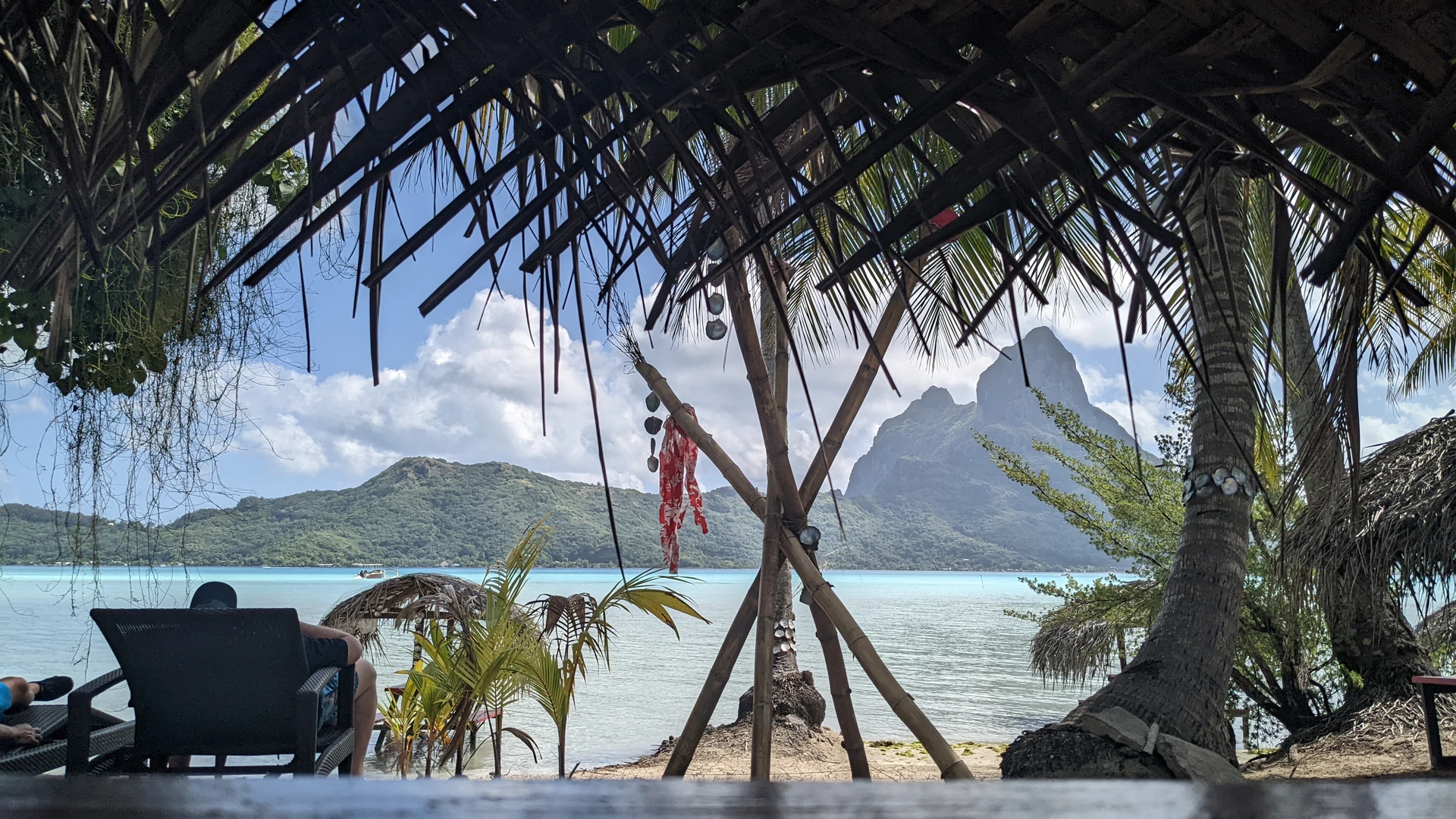

In the world of travel, one-size-fits-all itineraries are becoming increasingly outdated. As travel has evolved, so too have the expectations of travelers. Today’s tourists are seeking personalized, highly customized experiences that reflect their interests, passions, and budgets. Whether it’s an adventure-filled trip to remote landscapes, a cultural immersion in a bustling city, or a serene escape to a tropical paradise, every traveler is unique, and their journey should be, too. Tailoring travel experiences to individual preferences not only ensures greater satisfaction but also allows travelers to fully immerse themselves in the destinations they visit.
The ability to craft a journey that is designed specifically for the traveler is no longer a luxury—it’s becoming an expectation. By understanding the needs, interests, and budget constraints of each traveler, it’s possible to create the most meaningful, memorable experiences that maximize the enjoyment of every stop along the way. In this article, we will explore how to ensure that every trip is tailored to the traveler’s needs, from initial planning to the final destination, offering practical tips, insights, and examples of how to maximize the value of every journey.
The Importance of Tailoring Travel Experiences
Travel is no longer just about ticking off landmarks from a list or following a pre-packaged itinerary. Today’s travelers are seeking experiences that are unique, immersive, and reflective of their personal interests. Whether it’s a solo adventure, a family holiday, or a romantic getaway, customizing a trip ensures that travelers get the most out of their time and resources. Here’s why tailoring travel experiences is essential:
1. Personalized Experience Equals Greater Satisfaction
When a trip is customized to fit the traveler’s personal interests and preferences, it leads to a deeper connection with the destination. Travelers who engage in activities they are passionate about are more likely to have an enriching experience. Instead of feeling rushed or overwhelmed by a generic itinerary, they can focus on what excites and inspires them, leading to greater satisfaction and a sense of fulfillment.
2. Maximizing the Traveler’s Time
Time is one of the most valuable resources for any traveler, especially with limited vacation days. A personalized itinerary ensures that every moment counts by cutting out unnecessary activities and focusing on what matters most. Instead of spending hours in long queues or visiting places that hold little interest, a tailored experience allows travelers to make the most of their time, ensuring that each stop adds value to their journey.
3. Adapting to Budget Constraints
Travel budgets vary widely from person to person, and the cost of a trip can be a significant concern. A customized itinerary helps optimize the traveler’s budget by suggesting cost-effective options that do not compromise the quality of the experience. For instance, some may prefer budget-friendly accommodations, while others might opt for luxurious stays. By tailoring the trip, travelers can enjoy their vacation without worrying about overspending, striking the right balance between comfort and affordability.
4. Fulfilling Specific Interests
Different travelers are drawn to different aspects of travel. For some, the thrill of outdoor adventures like hiking, scuba diving, or wildlife safaris is what makes a trip memorable. For others, the focus may be on culture, history, art, or food. A tailored trip takes these personal preferences into account, ensuring that the experience is aligned with what the traveler values most. This creates more meaningful and memorable experiences that go beyond mere sightseeing.
Steps to Tailor a Travel Experience
When planning a trip, the first and most important step is to consider the individual’s specific interests, preferences, and budget. Below are the key steps involved in creating a personalized travel experience.
1. Understand the Traveler’s Interests and Preferences
The foundation of any customized trip lies in understanding the traveler’s core interests. Is the traveler passionate about art and history? Are they a foodie looking for local culinary delights? Or perhaps they’re an adventure-seeker hoping for outdoor activities like hiking or water sports? Engaging with the traveler to identify their passions and priorities is crucial.
- Cultural Immersion: For those interested in history and culture, prioritize destinations with rich cultural heritage, museums, local art galleries, and authentic experiences like traditional cooking classes or local festivals.
- Outdoor and Adventure: For thrill-seekers, choose destinations known for hiking, skiing, or water sports. Adventure activities like zip-lining, paragliding, or safaris should be included.
- Relaxation and Wellness: Travelers looking for relaxation might prefer destinations with luxurious resorts, spa experiences, or quiet beaches.
2. Set a Realistic Budget
Every traveler has a different financial capacity, so understanding the budget constraints is critical. Tailoring an itinerary requires balancing the desire for luxury with what’s affordable. Consider accommodation options (e.g., luxury hotels, boutique guesthouses, hostels, or vacation rentals) that match the traveler’s budget.
A personalized travel experience doesn’t necessarily mean spending lavishly. There are plenty of budget-friendly destinations and activities that can still provide an exceptional experience. For instance, traveling to less-touristy regions, staying in boutique accommodations, or focusing on free activities such as hiking or exploring local markets can significantly reduce costs without sacrificing the quality of the trip.
3. Curate a Customized Itinerary
Once the interests and budget are established, the next step is to curate a personalized itinerary. This should include a mix of popular and lesser-known attractions, with enough downtime to allow for spontaneous exploration. Here’s how to approach this step:
- Highlight Must-See Attractions: Based on the traveler’s interests, select a few key landmarks or events that should not be missed.
- Add Hidden Gems: Include local experiences that are off the beaten path—secret spots, hidden cafes, or lesser-known neighborhoods.
- Balance Relaxation and Adventure: Include both high-energy activities and moments for rest, such as beach time, spa visits, or leisurely walks through scenic areas.
- Flexible Schedule: Allow room for spontaneous activities or changes to the plan. Some of the best travel experiences happen when you least expect them.
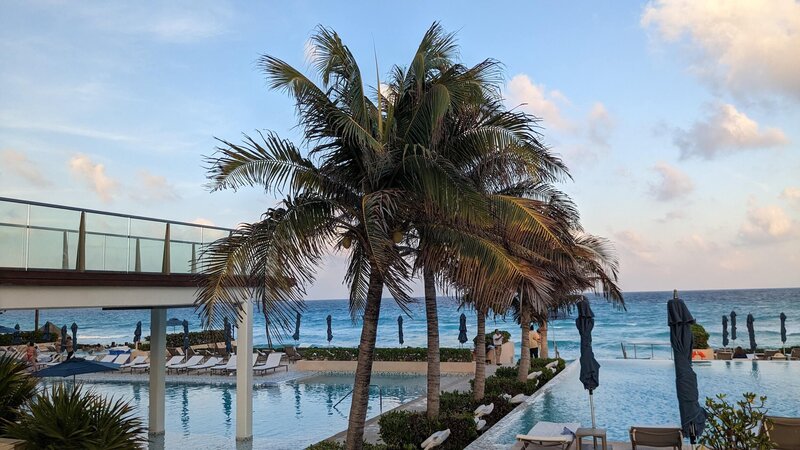
4. Consider the Best Time to Travel
The timing of the trip plays a significant role in the overall experience. Many destinations have peak seasons when they’re overcrowded and expensive. Off-season travel often offers a more relaxed atmosphere and lower prices. However, some events or festivals may only happen at certain times of the year, so consider if the traveler wants to participate in specific local events.
For instance, visiting Europe in the winter for the Christmas markets, or traveling to Southeast Asia during the dry season for hiking and trekking, can vastly enhance the travel experience.
5. Provide Tailored Accommodations and Dining Options
Choosing the right place to stay is another essential part of tailoring a travel experience. From luxury resorts to boutique hotels, guesthouses, or eco-friendly lodges, the type of accommodation should complement the traveler’s preferences and style. For example:
- Luxury Travelers: 5-star hotels with top-tier amenities, private pools, fine dining, and spa services.
- Budget Travelers: Affordable yet charming boutique hotels or hostels, with access to local attractions.
- Eco-Conscious Travelers: Sustainable and eco-friendly accommodations that focus on minimizing environmental impact.
When it comes to dining, food is often at the heart of a travel experience. Personalized dining experiences—like cooking classes, food tours, or reservations at local eateries known for authentic cuisine—should be part of the itinerary. For foodies, immersing themselves in local markets and discovering street food can be as important as visiting cultural landmarks.
6. Plan Transportation Based on Convenience and Comfort
How a traveler gets around can have a huge impact on the overall experience. Whether it’s renting a car for a scenic road trip, hiring a private driver for convenience, or taking local public transport for an authentic experience, transportation should be planned with the traveler’s preferences in mind. In some places, walking or cycling can be a great way to explore, while other destinations might require long-distance travel via train or air.
Maximizing Enjoyment with Personalized Travel
The ultimate goal of tailoring a travel experience is to maximize enjoyment and satisfaction. Here are some additional ways to ensure that every stop is fully enjoyed:
1. Create Memorable Experiences
Tailoring a trip isn’t just about visiting well-known landmarks. Memorable experiences often come from interactions with local people, unique activities, or unexpected moments. For example, taking a cooking class with a local chef, visiting a rural village to learn about traditional handicrafts, or attending a private concert can create lifelong memories that a standard tourist experience simply cannot match.
2. Allow for Flexibility
While planning is key, allowing flexibility in the itinerary ensures that the traveler can enjoy unplanned experiences that may arise during the trip. Maybe a local festival is happening, or a friend of a local offers a private tour. These impromptu experiences can often become the highlights of the trip.
3. Incorporate Time for Reflection
Sometimes, the best travel experiences are not about the number of things done, but the quality of moments spent. Including downtime for reflection—whether it’s sitting in a peaceful park, watching a sunset, or journaling about the day’s experiences—helps travelers process and fully enjoy their journey.
4. Encourage Immersive Learning
For those travelers who seek to learn, incorporating workshops, language lessons, or cultural tours into the itinerary can enrich the experience. Whether it’s learning about a destination’s history, practicing the local language, or participating in traditional customs, these learning experiences provide a deeper connection to the place.
Conclusion: Travel Tailored to You
Tailored travel allows for the perfect blend of adventure, relaxation, and personal discovery. By considering the traveler’s interests, preferences, and budget, we can design journeys that are not only memorable but also deeply fulfilling. Whether it’s an adrenaline-packed adventure, a cultural exploration, or a laid-back getaway, ensuring that every trip is customized to the individual traveler maximizes enjoyment and ensures a truly enriching travel experience.
Travel is more than just visiting new places—it’s about making those places your own, connecting with them on a deeper level, and creating memories that resonate long after the journey ends. Tailored travel makes this possible, offering a journey that is uniquely yours.