




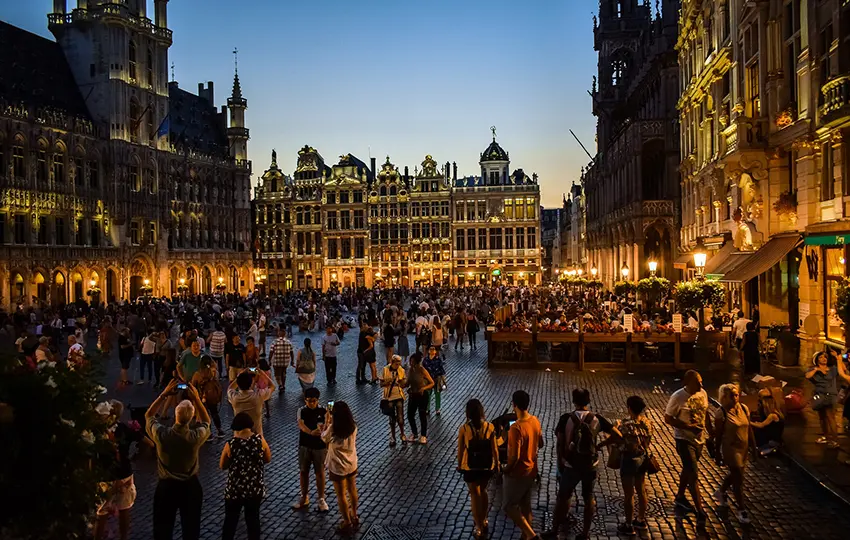

Urban and cultural heritage tourism represents a dynamic sector within the global travel industry, offering travelers the chance to explore the intertwined histories, architecture, traditions, and lifestyles of cities across the world. Unlike conventional sightseeing, which often focuses solely on recreational activities or entertainment, heritage tourism emphasizes the preservation, interpretation, and appreciation of historical and cultural assets within urban environments.
This article provides a comprehensive analysis of urban and cultural heritage tourism, covering its significance, historical context, economic and social impact, planning strategies for travelers, examples of notable heritage cities, challenges facing the sector, and future trends. The goal is to offer both professionals and travelers a nuanced understanding of how cities serve as living repositories of human history.
1. Defining Urban and Cultural Heritage Tourism
Urban and cultural heritage tourism can be understood as travel focused on visiting cities to experience their historical, architectural, and cultural assets. Key features include:
- Historical Architecture: Buildings, monuments, and urban layouts that reflect past civilizations, architectural styles, and city planning philosophies.
- Museums and Galleries: Institutions that conserve, interpret, and display art, artifacts, and historical records.
- Cultural Practices: Festivals, culinary traditions, performing arts, and rituals that are integral to the local identity.
- Intangible Heritage: Oral histories, languages, crafts, and social practices that are unique to the city’s population.
This type of tourism not only caters to leisure travelers but also to students, researchers, and professional tourists seeking deeper engagement with the cultural narrative of urban spaces.
2. Historical Context and Evolution
Heritage tourism in cities is not a new phenomenon. Its roots can be traced back to the Grand Tour of Europe in the 17th and 18th centuries, where aristocrats and scholars traveled to cities like Rome, Florence, and Paris to study art, architecture, and classical civilization.
2.1 Early Heritage Tourism
- Travelers were motivated primarily by education and cultural refinement.
- Guided tours and local experts provided insights into historic landmarks.
- Art and architecture were central, while local customs and everyday life received less attention.
2.2 Modern Heritage Tourism
Today, urban heritage tourism emphasizes a holistic approach, integrating:
- Community engagement and living culture.
- Preservation of both tangible and intangible heritage.
- Sustainable practices to minimize environmental and social impact.
- Use of technology, including apps, virtual tours, and augmented reality, to enhance visitor experience.
3. Economic and Social Significance
Urban heritage tourism contributes significantly to local economies, community development, and cultural preservation.
3.1 Economic Benefits
- Revenue Generation: Entrance fees to historic sites, museums, and guided tours contribute to municipal income.
- Employment Opportunities: Tourism creates jobs in hospitality, guiding services, cultural institutions, and craft industries.
- Urban Revitalization: Investment in heritage areas often stimulates economic development and improves infrastructure.
3.2 Social and Cultural Impact
- Identity and Pride: Promoting heritage fosters a sense of belonging and local pride among residents.
- Education: Heritage tourism serves as an educational tool for both visitors and local communities.
- Cultural Exchange: Interactions between tourists and locals encourage cross-cultural understanding and appreciation.
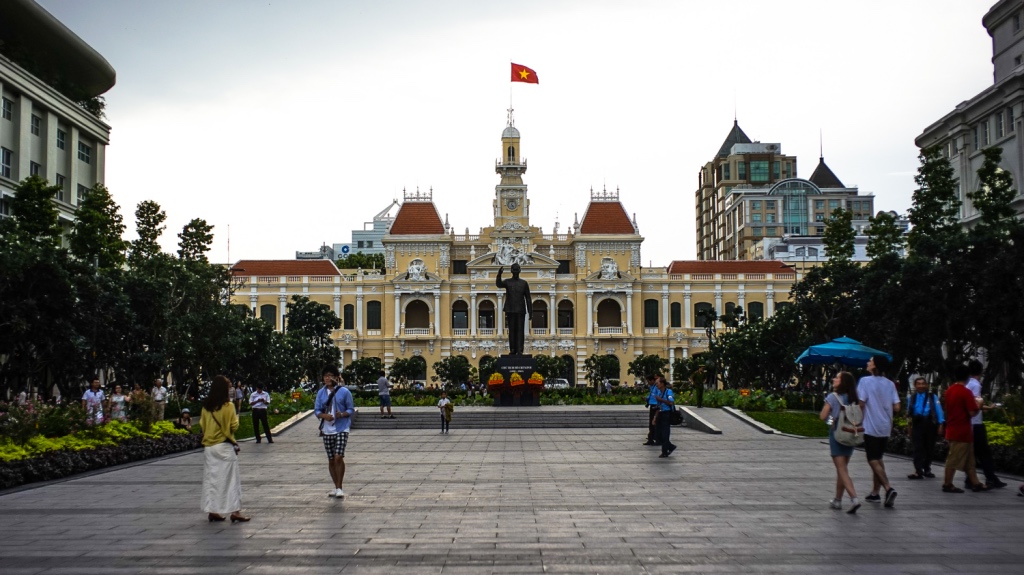
4. Planning a Heritage City Visit
Successful engagement with urban heritage requires careful planning and awareness of the city’s historical landscape.
4.1 Research and Preparation
- Identify Key Sites: Prioritize UNESCO World Heritage sites, historic districts, museums, and local landmarks.
- Understand Cultural Norms: Learn basic etiquette, language phrases, and local customs to show respect and enrich interactions.
- Time Management: Allocate sufficient time to explore both well-known attractions and hidden cultural gems.
4.2 Guided vs. Independent Exploration
- Guided Tours: Provide structured knowledge, historical context, and insider stories.
- Independent Exploration: Offers flexibility and the opportunity to discover lesser-known areas at one’s own pace.
4.3 Sustainable Tourism Practices
- Use public transportation, walking tours, or cycling to reduce environmental footprint.
- Support local artisans and businesses instead of global chains.
- Avoid damaging or removing artifacts; follow site regulations strictly.
5. Notable Urban Heritage Destinations
Cities around the world demonstrate the diversity and richness of urban heritage tourism.
5.1 Rome, Italy
- Highlights: Colosseum, Roman Forum, Vatican Museums, and Baroque squares.
- Cultural Experience: Explore ancient architecture, Renaissance art, and vibrant street life.
5.2 Kyoto, Japan
- Highlights: Temples, shrines, and preserved historic districts like Gion.
- Cultural Experience: Participate in tea ceremonies, traditional crafts, and seasonal festivals.
5.3 Istanbul, Turkey
- Highlights: Hagia Sophia, Topkapi Palace, and the Grand Bazaar.
- Cultural Experience: Witness the blend of Byzantine and Ottoman history and modern city life.
5.4 Mexico City, Mexico
- Highlights: Historic center, Templo Mayor, and Frida Kahlo Museum.
- Cultural Experience: Experience vibrant markets, traditional cuisine, and artistic heritage.
5.5 Prague, Czech Republic
- Highlights: Old Town Square, Charles Bridge, Prague Castle.
- Cultural Experience: Explore Gothic, Baroque, and Romanesque architecture while enjoying local music and folklore.
6. Integrating Cultural Experiences
Urban heritage tourism is enriched by active participation in cultural activities:
6.1 Culinary Tourism
Sampling traditional food connects travelers with local history, agriculture, and social customs. Examples include Italian pasta-making workshops, Japanese kaiseki dining, or Mexican street food tours.
6.2 Festivals and Performing Arts
- Attending festivals, parades, and performances allows immersive learning of local traditions.
- Examples: Edinburgh Fringe Festival, Chinese New Year in Beijing, Carnival in Rio de Janeiro.
6.3 Hands-On Learning
- Workshops on local crafts, music, or traditional practices provide interactive cultural engagement.
- Museums and heritage centers often offer educational programs suitable for families and students.
7. Technological Innovations in Heritage Tourism
Modern technology enhances urban heritage experiences:
- Augmented Reality (AR): Overlay historical reconstructions on current landscapes, helping visitors visualize past eras.
- Mobile Apps: Offer audio guides, self-paced tours, and language support.
- Virtual Tours: Pre-trip exploration or supplemental experiences for visitors unable to travel.
- Interactive Exhibits: Encourage engagement in museums and cultural centers.
8. Challenges and Opportunities
8.1 Preservation vs. Tourism Pressure
- Over-tourism can damage fragile historical sites.
- Solutions include visitor quotas, timed entry, and promotion of off-peak visits.
8.2 Balancing Authenticity and Commercialization
- Heritage districts may be commercialized, reducing authenticity.
- Maintaining genuine cultural experiences requires careful policy and community involvement.
8.3 Accessibility
- Ensuring historic sites are accessible to people with mobility challenges without compromising conservation is an ongoing challenge.
8.4 Opportunities
- Heritage tourism can promote urban regeneration, sustainable development, and international cultural dialogue.
- Incorporating local communities as stakeholders ensures economic benefits are shared and cultural narratives preserved.
9. Case Studies of Successful Urban Heritage Initiatives
9.1 Lisbon, Portugal
- Urban renewal of historic neighborhoods like Alfama preserves traditional architecture while introducing cultural events and gastronomy tours.
9.2 Fez, Morocco
- Efforts to maintain medina neighborhoods support local artisans, traditional markets, and sustainable tourism practices.
9.3 Philadelphia, USA
- Integration of Revolutionary War landmarks with modern city life promotes educational tourism and civic engagement.
9.4 Hanoi, Vietnam
- Balancing French colonial architecture preservation with vibrant street markets demonstrates the synergy of heritage and contemporary urban culture.
10. Practical Recommendations for Travelers
- Research Before Visiting: Learn about the city’s history, cultural norms, and must-see sites.
- Engage Locally: Hire local guides, attend workshops, and interact respectfully with residents.
- Plan Mindfully: Schedule time for exploration, reflection, and spontaneous discoveries.
- Sustainability Matters: Travel responsibly, respecting the environment, local culture, and heritage sites.
- Document the Experience: Photography, journaling, or social media sharing should honor cultural sensitivity and site regulations.
11. Future Trends in Urban and Cultural Heritage Tourism
- Digital Integration: Expanded use of AR, VR, and AI-guided tours for immersive experiences.
- Community-Based Tourism: Greater involvement of local populations in decision-making and tourism benefits.
- Sustainability Focus: Emphasis on reducing the environmental footprint of urban tourism.
- Experiential Travel: Moving beyond sightseeing to active participation in cultural learning and heritage preservation.
Conclusion
Urban and cultural heritage tourism is a bridge between past and present, allowing travelers to experience the richness of human history while engaging meaningfully with local culture. By exploring historical landmarks, participating in traditional practices, and supporting sustainable tourism, visitors contribute to the preservation and celebration of urban heritage.
As cities continue to evolve, heritage tourism remains a vital tool for cultural preservation, economic development, and social enrichment. Thoughtful travel, community engagement, and responsible tourism practices ensure that future generations can experience the same historical narratives, architectural marvels, and cultural richness that make cities around the world so compelling.
Urban heritage tourism is more than sightseeing—it is a journey through time, culture, and human achievement, offering insights, inspiration, and unforgettable experiences in every city.