




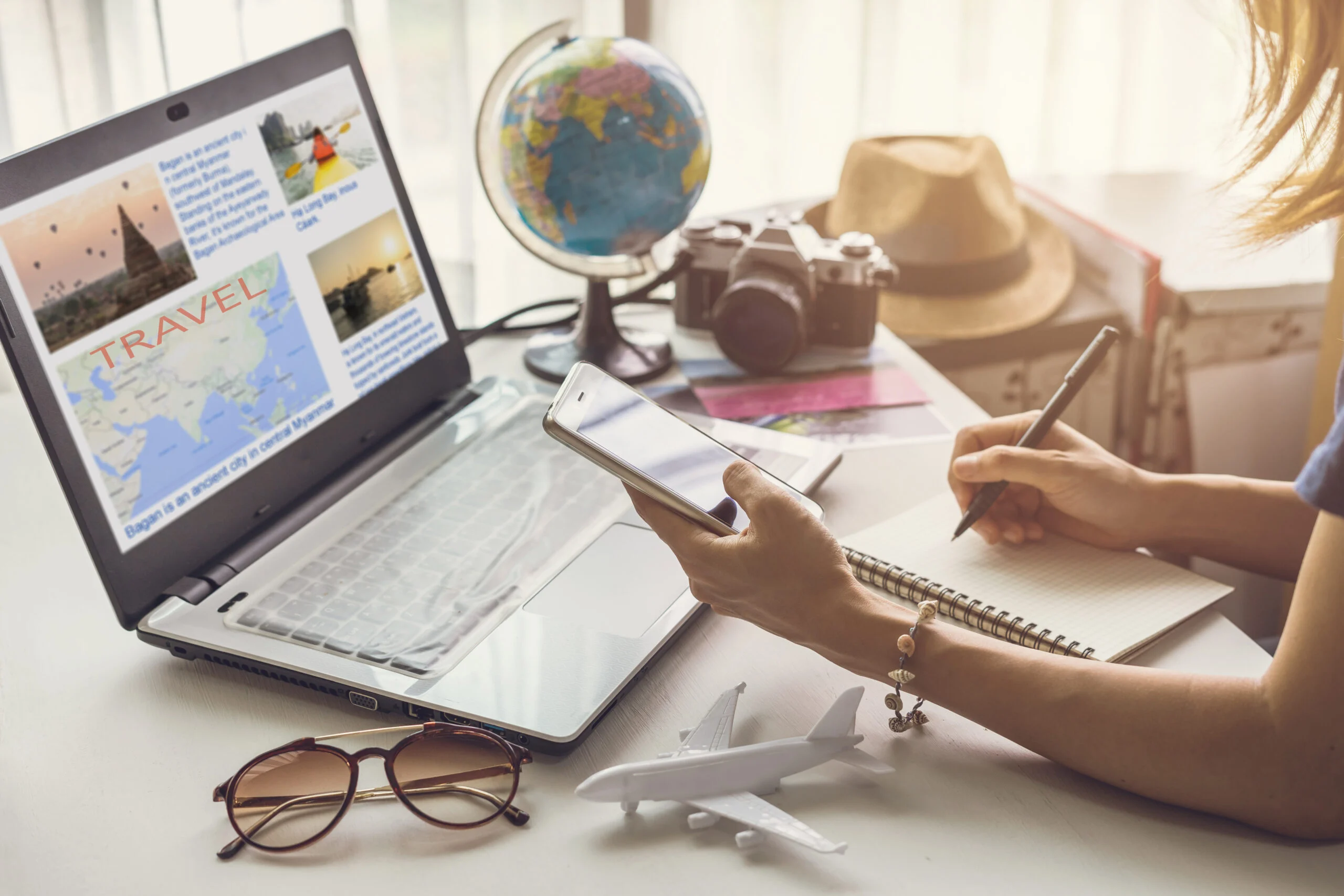

Introduction: The Importance of Efficient and Economical Travel Planning
Traveling is a rewarding experience, offering the chance to explore new cultures, landscapes, and cuisines. However, the process of planning a trip can often be overwhelming—especially when considering the complexity of travel costs, time constraints, and the desire to maximize your experience without breaking the bank.
Efficient and economical travel planning is key to ensuring that your trip is enjoyable, stress-free, and affordable. Whether you’re traveling to a nearby city or a far-flung destination, understanding how to optimize your time, money, and resources will allow you to get the most out of your journey.
In this article, we will discuss practical strategies for planning a travel itinerary that is not only cost-effective but also time-efficient. From budgeting to organizing your travel route, we will guide you through the best practices to ensure you have a memorable trip without overspending.
1. Start with a Clear Budget
1.1 Determine Your Total Budget
The first step in any travel planning process is to set a clear budget. Knowing how much you can afford to spend will guide your decisions regarding destination, accommodation, transportation, and activities. Establishing a realistic budget requires considering several factors:
- Flights and transportation: How much will it cost to get to your destination and get around once you’re there? Are there cheaper alternatives like trains or buses?
- Accommodation: What type of accommodation fits your budget—hostels, hotels, Airbnb, or vacation rentals? Will you stay in the city center or outskirts?
- Food and drinks: How much will you spend on daily meals? Plan for street food or local restaurants if you want to experience authentic cuisine.
- Activities and excursions: How much do you plan to spend on tours, activities, or tickets for attractions?
By breaking down your budget into categories, you will have a clearer idea of how to allocate your resources and avoid overspending.
1.2 Factor in Hidden Costs
In addition to the major expenses like transportation and accommodation, it’s important to budget for hidden costs that can add up during your trip. These might include:
- Tipping and gratuities
- Visa fees and travel insurance
- Local transportation (e.g., metro, taxis)
- Souvenirs and shopping
It’s always better to overestimate your expenses slightly than to be caught off-guard by unexpected costs.
1.3 Use Budgeting Apps
Using travel budgeting apps such as Travel Mapper, TripCoin, or Mint can help you track your spending and stay within your planned budget during the trip.
2. Research Your Destination Thoroughly
2.1 Choose Your Destination Wisely
Selecting your destination is often the most exciting part of planning a trip. However, to make your itinerary efficient and economical, take time to research potential locations based on:
- Flight prices: Compare airfares from different airlines or use flight aggregators like Skyscanner and Google Flights.
- Cost of living: Some destinations are significantly cheaper than others. For example, Southeast Asia, Central America, and parts of Eastern Europe offer affordable accommodation and food.
- Visa requirements: Consider the visa costs and processing times. Some countries offer visa-on-arrival or e-visa options, which can save time and money.
- Seasonality: Traveling during off-season or shoulder months can help you avoid high prices for accommodation and attractions. Research when your destination’s peak season is and try to plan your trip during the low season.
2.2 Focus on Experiences Rather than Tourist Traps
While major tourist attractions are appealing, they often come with high entrance fees and long lines. Instead, look for off-the-beaten-path activities that will allow you to experience the authenticity of your destination at a lower cost. For example, rather than visiting expensive theme parks or highly commercialized tours, explore local markets, hidden gems, or free public spaces such as parks and beaches.
3. Efficient Travel Route Planning
3.1 Map Your Journey
To save both time and money, plan your travel route carefully. Consider the following when organizing your itinerary:
- Proximity of destinations: Traveling to cities or countries close to each other can help you save on transportation costs. For example, traveling between cities in Europe by train is often more affordable than flying.
- Maximize your route: Make sure your route is logical and minimizes backtracking. If you’re visiting multiple countries or cities, try to organize your travel so that you’re moving in one direction, rather than crisscrossing the same area multiple times.
3.2 Use Budget Airlines and Trains
Opt for budget airlines such as Ryanair, EasyJet, or Southwest Airlines to save on airfare. For short distances, consider trains or buses, which are often cheaper and more scenic. When booking, try to use apps like Rome2Rio, which shows all transportation options between two points.
If possible, book transportation in advance to lock in the best prices.
3.3 Plan Rest Days
To avoid exhaustion and ensure that you don’t spend too much time traveling between destinations, plan rest days. These are days where you stay in one location to explore more leisurely or simply relax. This not only saves money on transport but allows you to absorb the local culture and visit spots that may not fit into a jam-packed itinerary.

4. Accommodation Strategies for Budget Travelers
4.1 Choose Affordable Accommodation
Accommodation can be one of the biggest expenses while traveling, but there are plenty of ways to save money:
- Hostels: Great for solo travelers or those on a tight budget, hostels are affordable and often offer a chance to meet fellow travelers.
- Airbnb: Renting a local apartment can often be cheaper than staying in hotels, and it offers the benefit of self-catering, which can save you money on food.
- Guesthouses and Boutique Hotels: In many countries, guesthouses offer a more affordable and personal alternative to hotels.
4.2 Use Booking Apps and Deals
Booking platforms such as Booking.com, Agoda, or Airbnb offer last-minute deals and price comparisons. Apps like Hostelworld can also help find cheap hostels, while Hotel Tonight is great for last-minute discounts on hotel rooms.
5. Maximizing Your Experience with Local Food
5.1 Eat Like a Local
One of the best ways to save money while experiencing a destination’s culture is by eating at local eateries rather than tourist restaurants. Street food, local markets, and family-run restaurants often offer authentic dishes at a fraction of the price. Not only will you experience the true essence of a place, but you’ll also save money.
5.2 Cook Your Own Meals
If your accommodation includes a kitchen, consider cooking some of your own meals. This can be particularly beneficial if you’re staying in a place for several days or longer. Visit local markets to pick up fresh produce, meats, and spices and try your hand at preparing traditional dishes from the region.
6. Use Technology to Stay Organized
6.1 Download Travel Apps
There are numerous apps designed to help you stay organized and make your travel planning more efficient:
- TripIt for organizing your itinerary and keeping track of your bookings.
- Google Maps for navigation and finding local attractions.
- XE Currency to keep track of exchange rates and manage your money efficiently.
- Skyscanner for tracking and comparing flights.
- Rome2Rio for finding travel routes and options.
Conclusion: A Smooth and Enjoyable Journey Awaits
By applying these strategies for efficient and economical travel planning, you can ensure that your trip is both affordable and enriching. With careful budgeting, research, route planning, and the use of technology, you can maximize your experience without overspending.
Remember that smart travel planning is about striking a balance between saving money and ensuring a fulfilling journey. With the right approach, you can embark on an unforgettable adventure that doesn’t break the bank.
Safe travels and happy planning!