




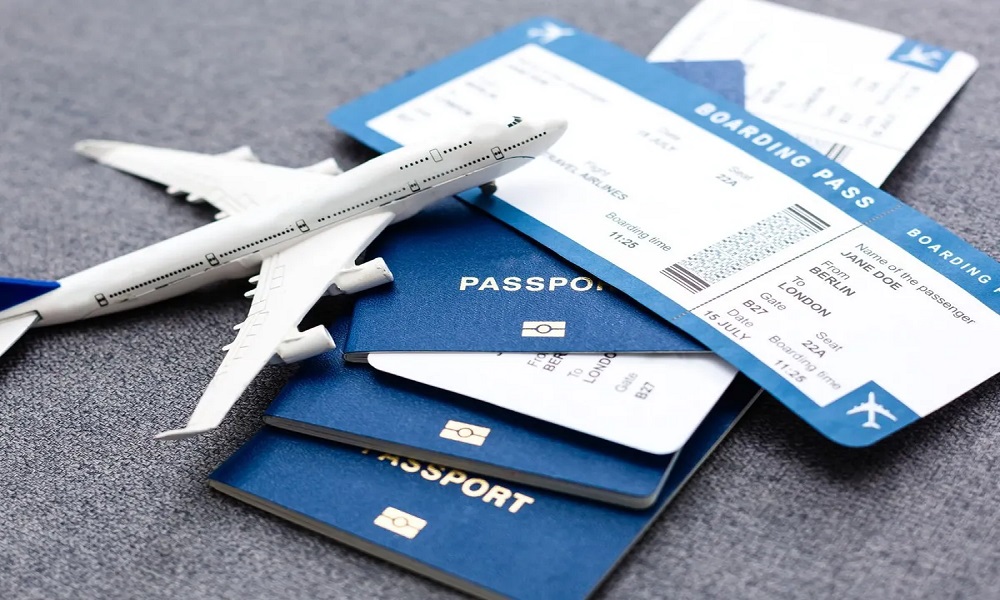

In today’s world of travel, planning ahead is more important than ever. While spontaneous trips and last-minute bookings have their own charm, they often come with a hefty price tag. Whether you’re a seasoned traveler or a novice explorer, one of the smartest ways to save money and ensure a stress-free trip is to plan and book your flights well in advance. By doing so, you can take advantage of early bird deals, access special promotions, and avoid the exorbitant prices that often come with last-minute bookings.
In this article, we will delve into the importance of advance flight booking, offer tips and strategies for securing the best deals, and highlight the factors that influence airfare prices. With the right planning, travelers can significantly reduce their travel costs and enjoy a smoother, more enjoyable journey.
1. The Benefits of Booking Flights in Advance
1.1. Cost Savings
One of the most significant advantages of booking flights in advance is the potential for substantial cost savings. Airfares tend to rise as the departure date approaches, with last-minute tickets often being much more expensive than those purchased weeks or months in advance. By booking early, you can access lower fares and special promotions that are typically unavailable as the departure date draws closer.
- Early Bird Discounts: Airlines often offer discounts for tickets purchased far in advance, which can save you a considerable amount of money. These fares are usually limited in number and can be found for a wide range of destinations.
- Avoiding Peak Pricing: During peak travel seasons, such as holidays, school vacations, or major events, airlines raise their prices to capitalize on high demand. Booking early ensures you lock in a fare before the prices surge.
- Budget Airlines: Many budget airlines offer lower prices when you book early, as they aim to fill seats ahead of time. Last-minute bookings on these airlines can be significantly more expensive due to limited availability.
1.2. Securing Preferred Flight Options
When you book a flight in advance, you have a better chance of securing your preferred flight options, whether it’s a specific departure time, a direct flight, or a seat with extra legroom. Last-minute bookings, on the other hand, often force travelers to settle for less desirable options, such as longer layovers or higher ticket prices.
- Flight Times: Advance booking gives you more flexibility in choosing flight times that best suit your schedule, ensuring you avoid inconvenient or less optimal travel times.
- Direct Flights: By booking early, you can select direct flights, which are not only more convenient but also tend to be more affordable than flights with multiple layovers.
- Preferred Seats: Booking ahead also increases your chances of reserving seats with more legroom, near the front of the plane, or in preferred areas like the wing for less turbulence.
1.3. Peace of Mind and Flexibility
Another benefit of booking your flight in advance is the peace of mind it provides. Having your flights confirmed and tickets in hand allows you to focus on other aspects of your trip, such as accommodations and activities, without the stress of scrambling for last-minute tickets. Advance booking also gives you the flexibility to plan the rest of your trip, knowing your travel dates are set.
- Stress-Free Travel: With flight reservations in place, you can spend time planning your itinerary and activities, ensuring that you have ample time to book accommodations, transportation, and tours at your destination.
- Travel Insurance: Many travelers choose to purchase travel insurance when they book in advance. This coverage can protect you from unexpected events, such as flight cancellations or delays, that may disrupt your travel plans.
2. Factors That Affect Airfare Prices
2.1. Timing and Fare Trends
Airfare prices are influenced by a variety of factors, the most important of which is timing. Knowing when to book can help you get the best deal. Generally speaking, the earlier you book, the more likely you are to secure a lower fare.
- Booking Window: Research suggests that the best time to book a flight is typically between 6 to 8 weeks before your departure date. Booking too early (e.g., 6 months in advance) may not always guarantee the lowest price, but waiting until the last minute can result in significantly higher costs.
- Day of the Week: According to studies, airfare prices tend to be lower on certain days of the week, particularly Tuesdays and Wednesdays. Conversely, weekend flights (especially Friday evening and Sunday) tend to be more expensive due to higher demand.
- Time of Year: Airfares fluctuate based on the time of year. Off-season periods (such as late winter or early spring) tend to have lower prices, while peak travel periods like summer and the holiday season often see steep price increases. Booking in advance helps you avoid these price hikes.
2.2. Airline Factors and Seat Availability
Different airlines have varying pricing strategies, and their seat availability also plays a significant role in determining prices. If you book early, you can take advantage of lower-priced fares offered by airlines to fill their planes, especially during off-peak times.
- Discount Airlines: Budget airlines are known for offering cheap tickets when booked well in advance, but they often have limited availability. The closer you get to the departure date, the fewer affordable seats remain.
- Airline Sales and Promotions: Many airlines hold periodic sales and promotions. By signing up for their email newsletters or following them on social media, you can be among the first to know about these discounts, allowing you to book at a lower rate before the sale ends.
2.3. Demand and External Factors
Airfares are also affected by external factors, such as fuel prices, political events, natural disasters, or major international festivals. For example, airfare prices often spike in response to geopolitical tensions, extreme weather events, or large sporting events such as the Olympics. Early booking allows travelers to avoid being caught in these price surges.

3. Strategies for Booking Flights in Advance
3.1. Set Fare Alerts
One of the most effective ways to track airfare prices is by setting up fare alerts. Several websites and apps, including Google Flights, Kayak, and Skyscanner, allow you to set price alerts for specific routes. These platforms notify you when prices drop, helping you secure the best deal.
- Price Monitoring: Use fare alert tools to monitor trends for your chosen destination and booking dates. Alerts will notify you when fares drop or when special promotions are launched.
- Flexible Dates: Many fare alert systems allow you to be flexible with your travel dates. This flexibility can help you find the cheapest options and avoid spikes in pricing due to peak travel times.
3.2. Use Fare Comparison Websites
Instead of searching for flights on individual airline websites, use fare comparison tools like Google Flights, Skyscanner, or Momondo. These websites aggregate flight options from various sources, allowing you to compare fares and find the best deal in a fraction of the time.
- Flexible Filters: Use flexible search filters to find the cheapest days to fly. Many comparison websites allow you to search by flexible dates and routes, helping you identify cost-effective options.
- Multi-City or One-Way Flights: If you’re open to a multi-destination trip, use fare comparison tools to explore the costs of multi-city flights, which can sometimes be cheaper than booking separate one-way tickets.
3.3. Consider Alternative Airports
If you’re flying to a major city, consider booking flights to alternative airports nearby. For instance, flying into John F. Kennedy International Airport in New York might be more expensive than landing at LaGuardia Airport or Newark Liberty International Airport. These smaller airports often offer cheaper fares, even if they’re slightly farther from your final destination.
- Nearby Airports: Research alternative airports in your destination city. Sometimes flying into a smaller airport can save you a significant amount of money on airfare.
- Public Transportation: If you land at a less convenient airport, you may still save money by using public transportation or airport shuttles to reach your destination.
4. The Impact of Last-Minute Bookings
While booking in advance offers numerous benefits, there are times when last-minute flights are unavoidable. In such cases, it’s important to know the potential drawbacks:
4.1. Increased Prices
As mentioned earlier, booking a flight at the last minute typically means paying significantly more. The closer the departure date, the higher the price—especially during peak travel seasons. While there are occasional last-minute deals (particularly if airlines are trying to fill seats), these are the exception rather than the rule.
4.2. Limited Availability
Another drawback of last-minute bookings is the limited availability of seats. Popular flights tend to fill up quickly, especially during busy seasons or for specific destinations. If you wait too long, you may find yourself unable to secure a seat on your preferred flight or at your preferred time.
4.3. Limited Options
If you’re booking last minute, your options for direct flights or preferred seating may be limited. You may have to settle for longer layovers, less convenient departure times, or flights that cost more than you initially anticipated.
5. Conclusion
Booking flights in advance is one of the smartest ways to save money and ensure that your travel experience is smooth and enjoyable. Whether you’re planning a relaxing beach vacation, a business trip, or an adventurous getaway, the benefits of advance flight booking are undeniable. By following the strategies outlined in this article—setting fare alerts, using fare comparison websites, considering alternative airports, and staying flexible with your travel dates—you can avoid the stress of last-minute flight bookings and ensure a cost-effective, well-planned journey.
By making the decision to plan ahead, travelers not only save money but also gain the peace of mind that comes with knowing their travel arrangements are set. So, start planning your next trip today and take advantage of the many benefits that come with booking flights well in advance.