




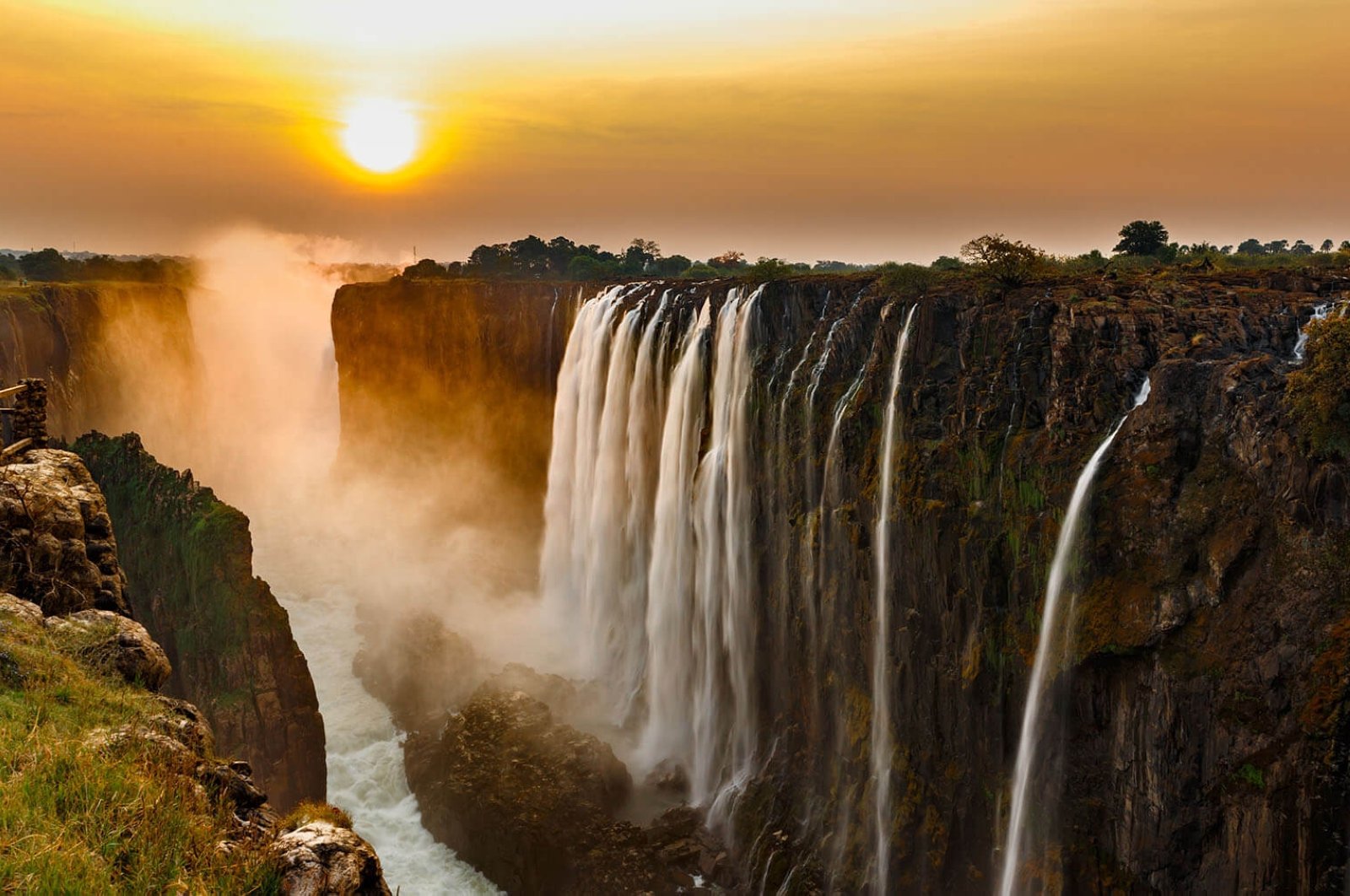

Introduction: The Majestic Wonders of the Earth
From the towering peaks of the Himalayas to the deep blue expanse of the Great Barrier Reef, the Earth’s natural landscapes and wonders are a testament to the planet’s raw beauty and the incredible forces of nature. These sites, shaped over millions of years, are more than just breathtaking views—they represent the geological, ecological, and cultural histories of our planet.
As travelers, we are drawn to these natural wonders not only for their beauty but also to connect with the deeper narratives of our Earth’s evolution. In this article, we will explore some of the world’s most iconic natural wonders and landscapes, providing a comprehensive look at their history, significance, and what makes them so extraordinary. These landscapes, ranging from ancient caves to frozen tundras, offer a rare opportunity to witness nature at its most powerful and magnificent.
1. The Power and Beauty of Natural Landscapes
1.1. Defining Natural Wonders
Natural wonders are those geological or biological features that stand out because of their rarity, size, or aesthetic appeal. These landmarks are often a result of millions of years of natural processes such as volcanic activity, erosion, or glaciation. While some are easily accessible and well-known, others remain remote, providing pristine environments untouched by human hands.
Some of the criteria that make natural wonders unique include:
- Geological Significance: Many natural wonders, such as Grand Canyon, have been shaped over millions of years through tectonic activity, erosion, and sedimentation, offering a glimpse into Earth’s history.
- Ecological Importance: Natural wonders like the Amazon Rainforest represent vital ecosystems that support biodiversity and help regulate global climate patterns.
- Aesthetic Value: Landscapes such as the Aurora Borealis are celebrated for their sheer beauty, with spectacular light displays created by interactions between the Earth’s magnetic field and solar wind.
These landscapes offer us a deeper understanding of our planet and the forces that continue to shape it. They are a direct connection to the Earth’s geological past and a reminder of the ever-changing environment.
2. Iconic Natural Wonders Around the World
2.1. The Grand Canyon, USA
The Grand Canyon, located in Arizona, USA, is one of the most iconic natural landmarks in the world. This vast chasm, carved over millions of years by the Colorado River, stretches over 277 miles in length and reaches depths of over a mile.
- Significance: The Grand Canyon offers a detailed record of Earth’s geological history, with rock layers that span over 2 billion years. The canyon is home to unique ecosystems and is a place of spiritual significance for many Indigenous cultures.
- Must-Do Experience: Take a helicopter tour for a bird’s-eye view of the canyon or hike the Bright Angel Trail for a closer look at its geological layers.
2.2. The Great Barrier Reef, Australia
The Great Barrier Reef is the largest coral reef system in the world, located off the coast of Queensland, Australia. It is composed of over 2,900 individual reefs and islands, covering approximately 344,400 square kilometers.
- Significance: As one of the most biodiverse ecosystems on the planet, the Great Barrier Reef is home to thousands of species of marine life, including corals, fish, and marine mammals. It is considered a critical environmental landmark for global marine health.
- Must-Do Experience: Go scuba diving or take a snorkeling tour to explore the vibrant coral gardens and abundant sea life.
2.3. The Amazon Rainforest, South America
The Amazon Rainforest, spanning across nine countries, including Brazil, Peru, and Colombia, is the largest tropical rainforest in the world. Known as the “lungs of the Earth,” it produces approximately 20% of the world’s oxygen and houses a vast array of wildlife.
- Significance: The Amazon is crucial for biodiversity, containing millions of plant and animal species, many of which remain undiscovered. It plays a vital role in regulating the global climate by absorbing large amounts of carbon dioxide.
- Must-Do Experience: Take a guided eco-tour along the Amazon River or embark on a multi-day jungle trek to experience the heart of the rainforest.
2.4. The Northern Lights, Arctic Circle
The Aurora Borealis, or Northern Lights, is one of the most mesmerizing natural phenomena visible in the Arctic Circle. This dazzling light show occurs when electrically charged particles from the sun interact with Earth’s magnetic field, creating vibrant displays of green, purple, and red light.
- Significance: The Northern Lights are not only beautiful but also provide valuable scientific insights into solar activity and the Earth’s magnetic field.
- Must-Do Experience: Visit Norway, Sweden, or Iceland during winter months to witness the best views of the Northern Lights in the dark, clear skies.
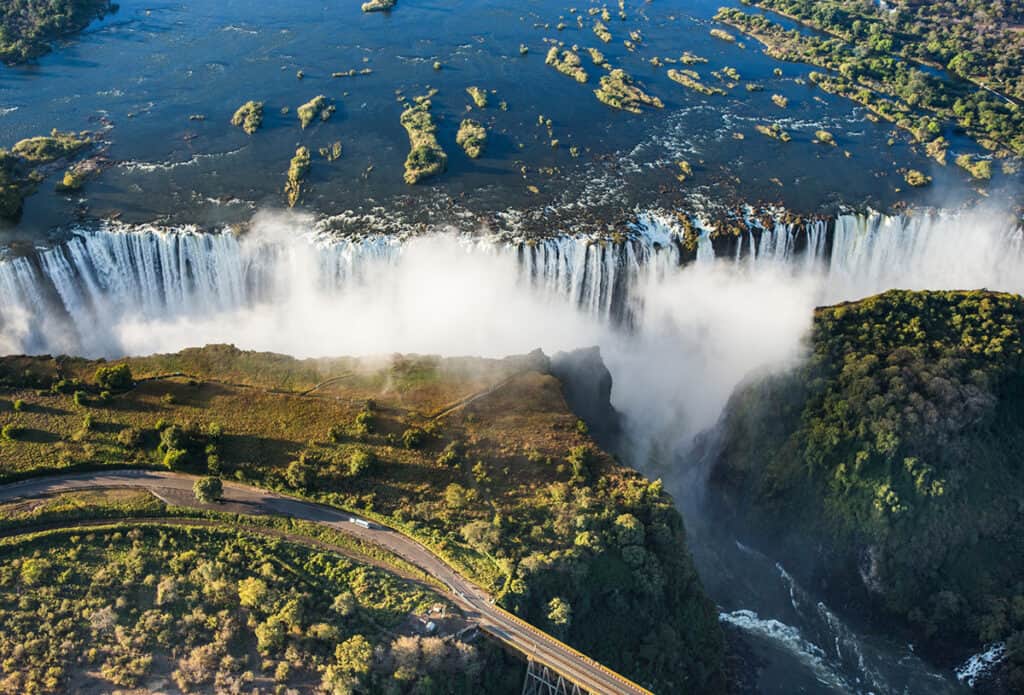
3. Lesser-Known Natural Wonders
While the world’s most famous natural wonders attract millions of visitors each year, there are countless lesser-known but equally awe-inspiring places that deserve attention. These hidden gems provide a more intimate and often less crowded experience, allowing visitors to connect with nature on a deeper level.
3.1. The Blue Hole, Belize
The Blue Hole is a massive underwater sinkhole located off the coast of Belize. With a diameter of over 1,000 feet and a depth of 410 feet, it is considered one of the world’s most extraordinary diving spots.
- Significance: The Blue Hole is part of the Belize Barrier Reef, a UNESCO World Heritage Site, and is home to a variety of marine species, including sharks, rays, and tropical fish.
- Must-Do Experience: Experience the world-renowned dive site, which offers crystal-clear water and an opportunity to explore the stunning underwater cave system.
3.2. Mount Roraima, Venezuela/Brazil/Guyana
Mount Roraima, located in the tri-border region of Venezuela, Brazil, and Guyana, is one of the most unique and isolated natural wonders on Earth. The mountain’s flat-topped summit rises 9,094 feet above the surrounding rainforest, creating a mysterious and otherworldly landscape.
- Significance: Mount Roraima inspired Sir Arthur Conan Doyle’s novel “The Lost World” and remains largely unexplored due to its difficult terrain.
- Must-Do Experience: Hike to the summit, where you can explore the unique flora and fauna that exist nowhere else on Earth.
3.3. The Matterhorn, Switzerland/Italy
The Matterhorn, located on the border between Switzerland and Italy, is one of the most recognizable mountains in the world. Its nearly symmetrical pyramid shape makes it a favorite among climbers and photographers alike.
- Significance: The Matterhorn is not only a striking natural landmark but also holds cultural significance in the Alpine regions. It has become a symbol of the Swiss Alps.
- Must-Do Experience: Take the Gornergrat Railway for panoramic views of the mountain, or try your hand at mountaineering if you’re an experienced climber.
4. The Role of Preservation in Protecting Natural Wonders
As the world’s population continues to grow and human activities impact the environment, preserving natural wonders has become increasingly important. Climate change, pollution, and over-tourism are putting many of these sites at risk.
4.1. The Importance of Sustainable Tourism
To protect natural wonders for future generations, it is vital to practice sustainable tourism. This includes limiting the number of visitors to sensitive sites, supporting eco-friendly initiatives, and ensuring that tourism does not damage local ecosystems.
- Example: At the Great Barrier Reef, efforts are underway to reduce coral bleaching caused by rising ocean temperatures, and sustainable diving practices are being encouraged to minimize human impact.
4.2. Conservation Efforts
Governments, NGOs, and local communities are working together to implement strategies to conserve and protect natural wonders. This includes designating protected areas, creating wildlife corridors, and promoting education and awareness.
5. Conclusion: Celebrating and Protecting the Earth’s Wonders
Natural landscapes and wonders are invaluable treasures that reflect the Earth’s natural beauty and the forces of nature that have shaped it. Whether it’s standing on the edge of the Grand Canyon, watching the Northern Lights, or exploring the depths of the Blue Hole, these natural wonders offer an unmatched connection to the planet’s rich history and biodiversity.
As travelers, it’s our responsibility to not only appreciate these sites but also work toward their protection. By embracing sustainable tourism and supporting conservation efforts, we can ensure that these majestic landscapes remain preserved for future generations to experience, learn from, and enjoy.
The Earth’s natural wonders are an invitation to witness the incredible beauty of our planet—its landscapes, ecosystems, and geological marvels. As we explore these iconic places, we should be reminded of our collective responsibility to safeguard the Earth’s heritage and protect its wonders for generations to come.