




Introduction
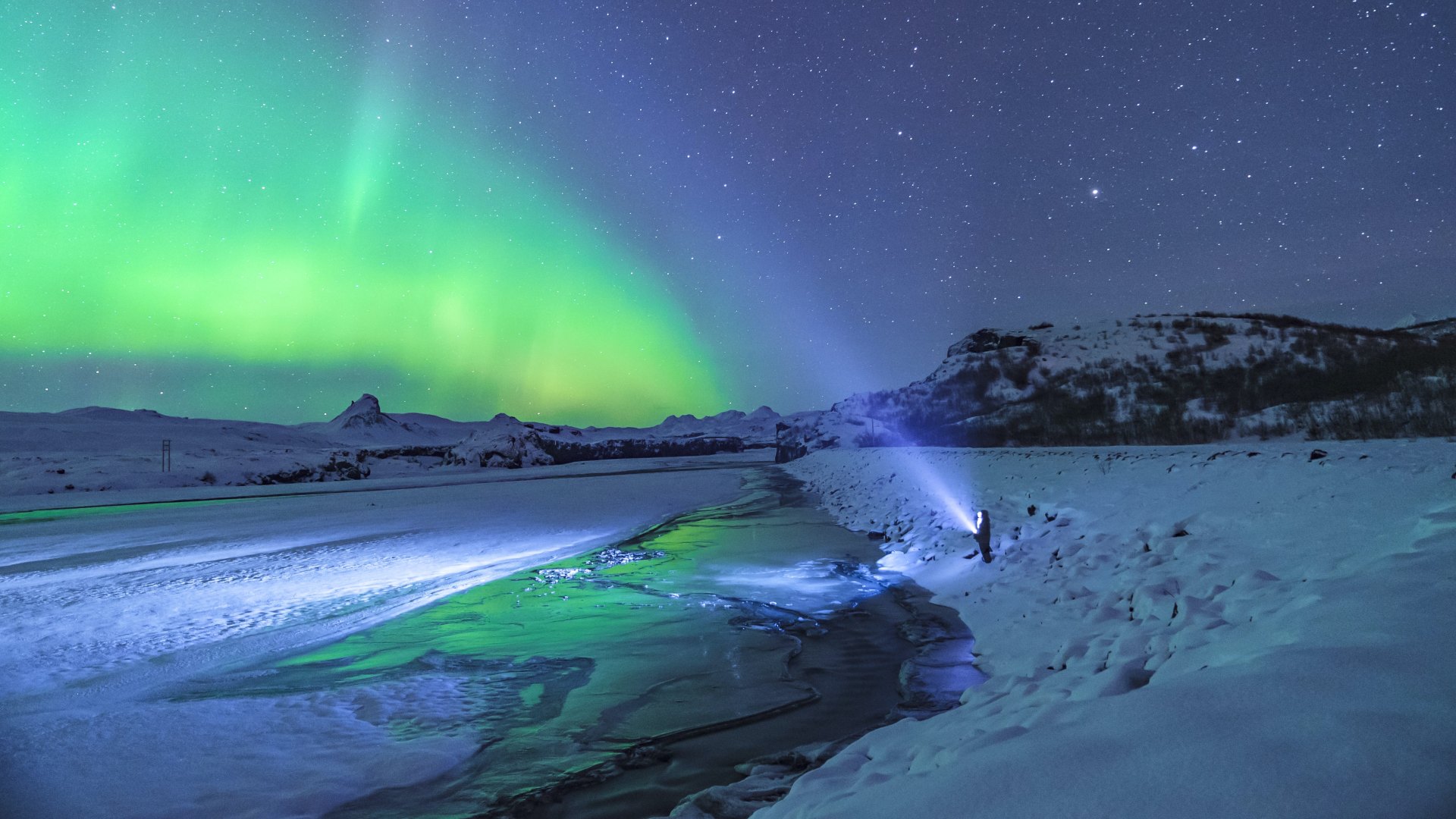
Iceland, a land of stunning glaciers, volcanic landscapes, and geothermal wonders, offers one of the most extraordinary natural phenomena on Earth: the Aurora Borealis, or Northern Lights. This dazzling light display, with its vivid greens, purples, and reds, illuminates the night sky, captivating travelers and photographers from around the globe. The Northern Lights are not just a spectacle—they are a symbol of nature’s raw power and Iceland’s mystical charm.
The aurora season in Iceland typically spans from late September to mid-April, a period when nights are long, dark, and clear enough to maximize the chances of witnessing this extraordinary phenomenon. This article explores Iceland’s Aurora season in depth, including its science, best locations, cultural significance, and practical tips for travelers who want to experience the magic firsthand.
1. Understanding the Northern Lights
1.1 The Science Behind the Aurora Borealis
The Northern Lights are caused by the interaction between charged particles from the sun and Earth’s magnetic field. When these particles collide with gases in the Earth’s atmosphere, primarily oxygen and nitrogen, they emit light in a variety of colors:
- Green: Most common, caused by oxygen molecules at lower altitudes
- Red: Less common, from oxygen molecules at higher altitudes
- Purple and Blue: Produced by nitrogen molecules
The intensity and colors of the aurora can vary depending on solar activity, altitude, and atmospheric conditions, making each display unique and unpredictable.
1.2 Historical and Cultural Significance
The Northern Lights have fascinated humans for centuries. In Icelandic folklore, the auroras were sometimes believed to be omens or spirits of the dead, while other cultures interpreted them as messages from the gods or celestial warriors. Today, the lights are celebrated for their natural beauty and attract thousands of tourists annually, making aurora viewing a significant component of Iceland’s tourism industry.
2. Timing the Aurora Season
2.1 Best Months to Visit
While the Northern Lights can technically occur whenever the skies are dark enough, the optimal viewing period in Iceland is generally from late September to mid-April. This timeframe aligns with the long, dark nights required to witness the phenomenon.
- September–October: Early season offers milder temperatures and fewer tourists, with increasing chances of aurora sightings.
- November–February: Peak aurora season, with the longest nights and often the clearest skies, but also the coldest weather.
- March–mid-April: Late season combines longer daylight hours for sightseeing with still strong chances of aurora viewing.
2.2 Weather Considerations
Iceland’s weather is notoriously unpredictable, with frequent cloud cover and storms. Clear skies are crucial for aurora visibility. Checking local aurora forecasts, which combine solar activity data and cloud coverage predictions, can help travelers increase their chances of witnessing the lights.
3. Best Locations for Aurora Viewing in Iceland
3.1 Reykjavik and Surrounding Areas
Although Reykjavik, Iceland’s capital, has some light pollution, it offers accessible aurora tours that take travelers just outside the city to darker areas. These tours often include hot drinks and expert guidance, making them ideal for first-time viewers.
3.2 Thingvellir National Park
Located about 45 minutes from Reykjavik, Thingvellir National Park is part of the famous Golden Circle route. The park’s expansive landscape and minimal light pollution make it a top spot for aurora photography.
3.3 Jokulsarlon Glacier Lagoon
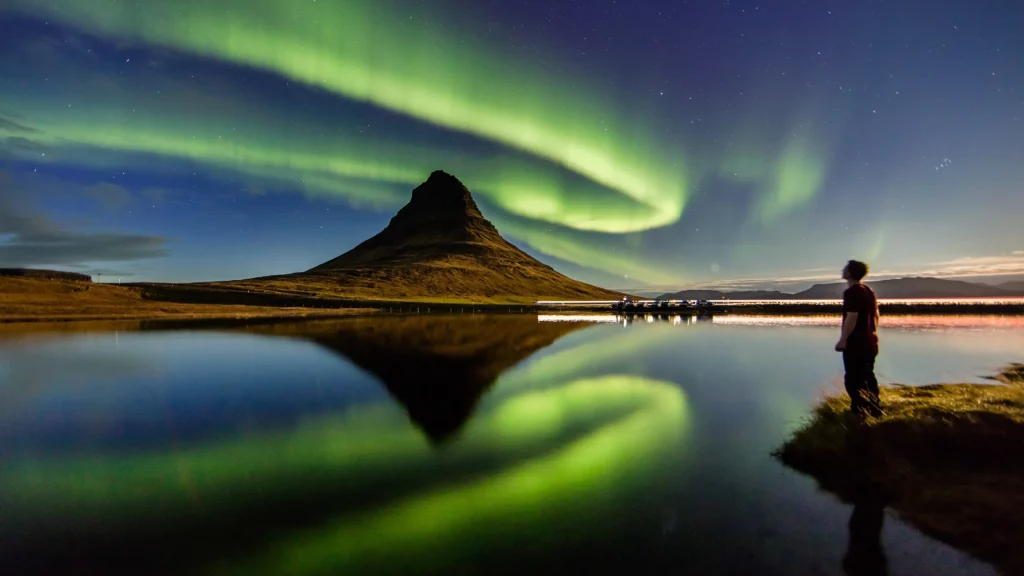
The glacial lagoons in southeast Iceland, such as Jokulsarlon, provide a dramatic backdrop for the Northern Lights. The reflection of the aurora on the icy waters creates stunning photographic opportunities. Visiting this remote location requires careful planning but rewards travelers with breathtaking vistas.
3.4 Snaefellsnes Peninsula
Often called “Iceland in Miniature,” the Snaefellsnes Peninsula features mountains, lava fields, and coastline, all illuminated under the aurora. Its low population density makes it one of the quietest and most photogenic spots to observe the lights.
4. Experiencing the Aurora: Tours and Activities
4.1 Guided Tours
Many travelers opt for guided Northern Lights tours, which offer:
- Transportation to areas with minimal light pollution
- Expert guidance on aurora photography and safety
- Hot beverages and warm clothing for comfort
Tours vary from minibus excursions to super jeep adventures, accommodating different preferences and budgets.
4.2 Self-Guided Exploration
For adventurous travelers, self-guided aurora chasing is possible. Renting a car and using apps for aurora forecasts and weather updates can provide flexibility and a more personal experience. However, drivers must be cautious of Iceland’s winter road conditions and always prioritize safety.
4.3 Photography Tips
Photographing the Northern Lights requires specialized techniques:
- Use a tripod to stabilize your camera
- Set a long exposure (5–25 seconds)
- Adjust ISO based on ambient light (800–3200 is common)
- Use manual focus to ensure clarity
Capturing the aurora is challenging but highly rewarding, producing images that are both magical and unique.
5. Combining Aurora Viewing with Other Icelandic Experiences
5.1 Geothermal Wonders
While chasing the aurora, travelers can also explore Iceland’s geothermal attractions, such as:
- Blue Lagoon: Relax in geothermal waters under a starry sky
- Geysir Hot Springs: Witness geysers erupt against the backdrop of snowy landscapes
5.2 Glacier Hikes and Ice Caves
The winter season provides opportunities for guided glacier hikes and ice cave explorations, creating a complete Icelandic winter adventure. These activities pair well with aurora viewing for travelers seeking both adventure and natural beauty.
5.3 Cultural Exploration
Winter in Iceland also offers a chance to experience Icelandic culture, from traditional cuisine to folk music and historic sites. Towns like Akureyri and Hofn offer rich cultural experiences while remaining close to prime aurora viewing spots.
6. Practical Travel Tips for Aurora Season
6.1 Clothing and Gear
Icelandic winters are cold, windy, and unpredictable. Essential clothing and gear include:
- Layered thermal clothing
- Waterproof jackets and pants
- Warm boots and gloves
- Headlamps for safety during night excursions
6.2 Safety Considerations
- Always check road conditions and weather alerts
- Avoid driving in poor visibility or icy roads without experience
- Travel with a guide if unfamiliar with Icelandic winter landscapes
6.3 Accommodation Planning
During aurora season, accommodations in popular areas can book quickly. Travelers should consider:
- Staying in remote guesthouses to reduce light pollution
- Booking early for peak season (December–February)
- Choosing locations with easy access to viewing areas
Conclusion
Iceland’s Aurora season offers an unparalleled opportunity to witness one of nature’s most spectacular phenomena. From glacial lagoons and geothermal pools to remote landscapes under the shimmering lights of the Northern Sky, the experience is both awe-inspiring and life-changing. By understanding the science, timing, and best viewing locations, travelers can maximize their chances of witnessing the Northern Lights in all their glory.
For those who chase the aurora, Iceland is a destination where adventure, culture, and nature converge, creating memories that last a lifetime. Whether joining a guided tour or exploring independently, experiencing the Northern Lights in Iceland is truly an unforgettable journey into the heart of the Arctic sky.