




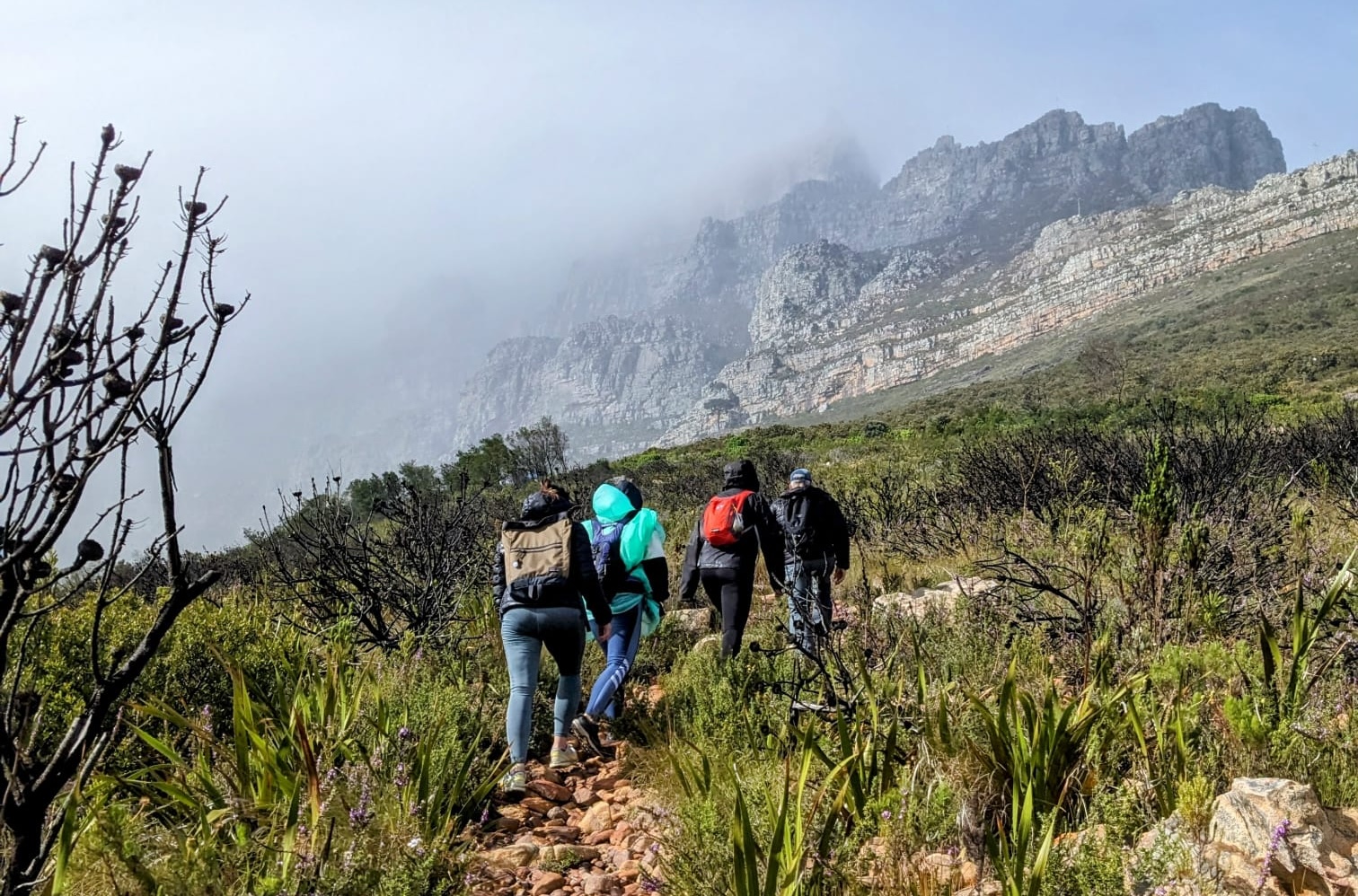

Hiking is one of the most rewarding outdoor activities, offering an opportunity to reconnect with nature, challenge oneself physically, and experience the beauty of the world on foot. Whether you’re a seasoned hiker or someone considering their first trail, proper planning and preparation are essential for ensuring a safe and enjoyable experience. From choosing the right trail to packing the appropriate gear, the right knowledge and planning can make all the difference between a successful hike and an exhausting, frustrating ordeal.
This guide will walk you through the essential steps of hiking planning, from choosing your trail to preparing for the unknowns of nature. Additionally, we will cover critical hiking tips, including how to navigate difficult terrain, stay safe, and make the most of your time in the wilderness. Whether you’re planning a day hike, a multi-day trek, or tackling a more advanced mountain, these tips and strategies will equip you for your next outdoor adventure.
1. Why Hiking? The Appeal of Walking in Nature
Before diving into the details of planning your hiking trip, it’s important to understand why hiking has become such a beloved activity around the world.
- Physical Benefits: Hiking is an excellent form of cardiovascular exercise that strengthens muscles, improves endurance, and burns calories. It’s a full-body workout that enhances balance and flexibility, all while giving you the chance to enjoy the outdoors.
- Mental Health: Walking through nature has been shown to reduce stress, improve mood, and increase mental clarity. Many hikers use time spent on the trails as a way to clear their minds, disconnect from technology, and reconnect with themselves and nature.
- Scenic Exploration: Whether you’re hiking through mountains, forests, deserts, or coastlines, hiking provides an immersive experience that road trips or other forms of travel simply can’t match. The physical journey leads you to hidden spots and vistas, offering rewards that make the effort worthwhile.
2. Choosing the Right Trail: Selecting a Hike that Fits Your Skill Level and Goals
One of the most important aspects of hiking planning is selecting the right trail. With thousands of hiking trails around the world, each offering different levels of difficulty, terrain, and scenery, it’s essential to choose a trail that matches your fitness level, experience, and goals for the hike.
a) Beginner Trails
If you’re new to hiking, it’s best to start with easy or moderate trails that are well-maintained and offer relatively flat terrain. These trails are typically marked clearly and offer plenty of opportunities for rest stops along the way.
- Distance and Elevation: Start with trails that are short (around 3-5 miles) and have minimal elevation gain (less than 500 feet).
- Popular Trails for Beginners: Consider national parks like Yosemite in the U.S., Banff National Park in Canada, or the Blue Ridge Parkway in the U.S. These parks offer accessible, scenic routes perfect for newcomers.
b) Intermediate Trails
For those with some hiking experience, intermediate trails can be a great way to challenge yourself. These hikes are generally longer, with more uneven terrain and moderate elevation changes.
- Duration and Terrain: Expect hikes in the 5-10 mile range with elevation gains between 500-1500 feet.
- Popular Intermediate Trails: Trails like Angels Landing in Zion National Park, Mount Rainer’s Skyline Trail, or the Inca Trail in Peru are challenging but achievable for intermediate hikers.
c) Advanced Trails
If you’re an experienced hiker looking for a physical challenge, you may want to explore more advanced or even technical hikes. These can include rugged terrain, steep ascents, and areas where specialized equipment, such as ropes or climbing gear, may be needed.
- Physical Demands: These trails often require long days of strenuous hiking, sometimes in remote and rugged conditions.
- Popular Advanced Trails: Consider the Mount Whitney Trail in California, Mont Blanc Circuit in Europe, or Everest Base Camp Trek in Nepal. These are some of the world’s toughest and most rewarding trails.
3. Preparing for Your Hike: Essential Gear and Packing Tips
Having the right gear is critical to ensuring your safety, comfort, and enjoyment while hiking. Whether you’re planning a short day hike or a multi-day adventure, the key is to pack efficiently and ensure that your gear matches the environment and length of your hike.
a) Clothing and Footwear
The right clothing and footwear can make all the difference in your hiking experience. Consider the weather and terrain when selecting what to wear.
- Footwear: Invest in a good pair of hiking boots or trail shoes that offer comfort, support, and traction. If you’re hiking on uneven terrain, waterproof boots can be particularly helpful.
- Clothing: Layer your clothing to prepare for temperature fluctuations. A base layer that wicks away sweat, an insulating layer for warmth, and an outer layer to protect against wind and rain are essential for changing conditions.
- Weather Considerations: If you’re hiking in cold climates, make sure to wear thermal socks and a waterproof jacket. For warmer climates, wear a hat, sunglasses, and light, moisture-wicking fabrics to stay cool and protected from the sun.
b) Essential Gear
Regardless of your destination, there are several core items that should always be part of your pack:
- Backpack: Choose a comfortable, well-fitting backpack with enough space for essentials like water, food, and gear. Day packs are great for shorter hikes, while larger packs are needed for longer treks.
- Water and Snacks: Hydration is key, especially on longer hikes. Pack enough water (and a water filter for longer hikes where refills may be sparse), as well as energy snacks like granola bars, nuts, or trail mix.
- Navigation Tools: A map and compass are essential for longer or off-trail hikes. GPS devices or apps can also be helpful, but make sure your phone is fully charged before starting.
- First Aid Kit: Always carry a basic first aid kit with essentials like bandages, antiseptic wipes, and blister treatment.
c) Specialized Gear
For longer or more technical hikes, you may need additional gear:
- Tent and Sleeping Bag: For multi-day hikes, lightweight camping gear is essential. Opt for a lightweight tent and a compact sleeping bag.
- Cooking Equipment: If you plan to cook your meals while hiking, pack a small camping stove, fuel, and lightweight cookware.
- Trekking Poles: These are helpful for maintaining balance and reducing the strain on your knees, especially during steep ascents or descents.
4. Navigating Terrain: Tips for Difficult Trails
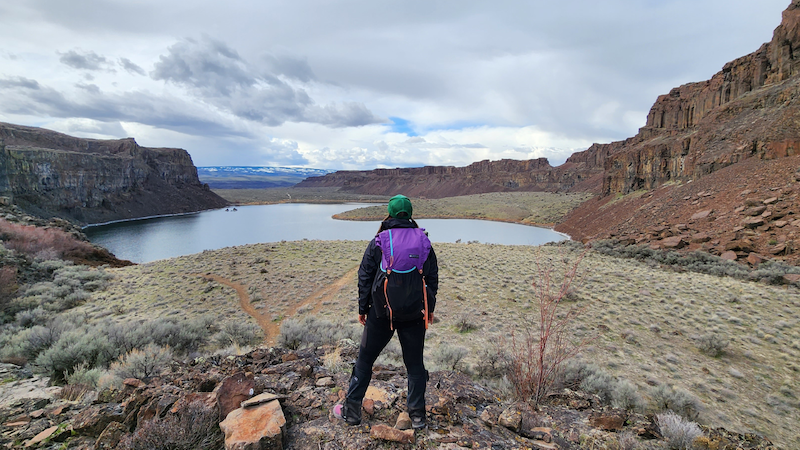
While hiking can be an enjoyable and invigorating experience, it’s important to be prepared for challenging terrain. Uneven surfaces, muddy paths, and rocky ascents can all present obstacles. Here are some tips for handling difficult terrain:
- Take Small Steps: On steep inclines or uneven surfaces, take small, deliberate steps to maintain your balance.
- Use Trekking Poles: Trekking poles can provide added stability, especially when walking downhill or crossing slippery surfaces.
- Watch Your Footing: Look ahead to ensure you’re aware of rocks, roots, or other obstacles on the trail.
- Pacing: On difficult trails, it’s essential to pace yourself and take frequent breaks to prevent fatigue and reduce the risk of injury.
5. Hiking Safety: Staying Safe and Smart on the Trail
Safety should always be a top priority when hiking, especially when venturing into unfamiliar terrain. Here are key tips to keep you safe:
a) Know Your Limits
If you’re new to hiking or tackling a more challenging trail, it’s important to know your physical limits. Don’t push yourself beyond your abilities, and always choose a trail that suits your fitness level.
b) Trail Etiquette
- Yielding: On narrow trails, hikers traveling uphill generally have the right of way. Always step aside to let others pass, especially if they’re moving more quickly.
- Leave No Trace: Respect the environment by cleaning up after yourself, staying on designated trails, and minimizing your impact on the ecosystem.
c) Be Prepared for Emergencies
- Cell Phone and Emergency Numbers: Always have a fully charged cell phone and note down any emergency numbers for the area you’re hiking in. In case of injury or getting lost, these numbers will be invaluable.
- Buddy System: If possible, hike with a partner. If hiking solo, make sure someone knows your route and expected return time.
- Wildlife Awareness: Research the wildlife in the area you’re hiking. Be prepared for encounters with animals such as bears, snakes, or wild boars. Carry bear spray if necessary, and know how to handle any wildlife encounters.
6. Post-Hike Recovery: Relax and Recharge
After a long day on the trail, it’s important to prioritize recovery to ensure your body stays in peak condition. Hydrate well, eat a nourishing meal, and stretch to relieve tension in your muscles.
Stretching and Hydration
- Stretching: Perform gentle stretches to relieve tightness in your muscles, particularly your calves, quads, and hamstrings.
- Rehydrating: Replenish the fluids you lost during the hike with water or an electrolyte drink.
Conclusion: Embrace the Adventure of Hiking
Hiking is more than just a physical activity—it’s an experience that allows you to explore new environments, challenge yourself, and discover the beauty of nature from a unique perspective. With careful planning, the right gear, and a focus on safety, hiking can become one of the most enriching activities you’ll ever experience.
By taking the time to choose the right trail, pack appropriately, and stay mindful of your surroundings, you can set yourself up for success on your next outdoor adventure. So, lace up your boots, grab your backpack, and get ready to hit the trail—there’s a whole world out there waiting for you to explore!